





The White Cast Problem Has a Real Fix
Mineral sunscreens get a lot of loyalty from the skincare crowd, but anyone who has stood in a bathroom mirror watching zinc oxide turn their face a ghostly gray knows the tradeoff. Chemical sunscreens absorb UV radiation through their active ingredients rather than sitting on top of skin, which means the formula sinks in, stays clear, and doesn’t fight your foundation for visibility. For daily wear – commuting, desk work, school pickup – that invisibility is the whole point.
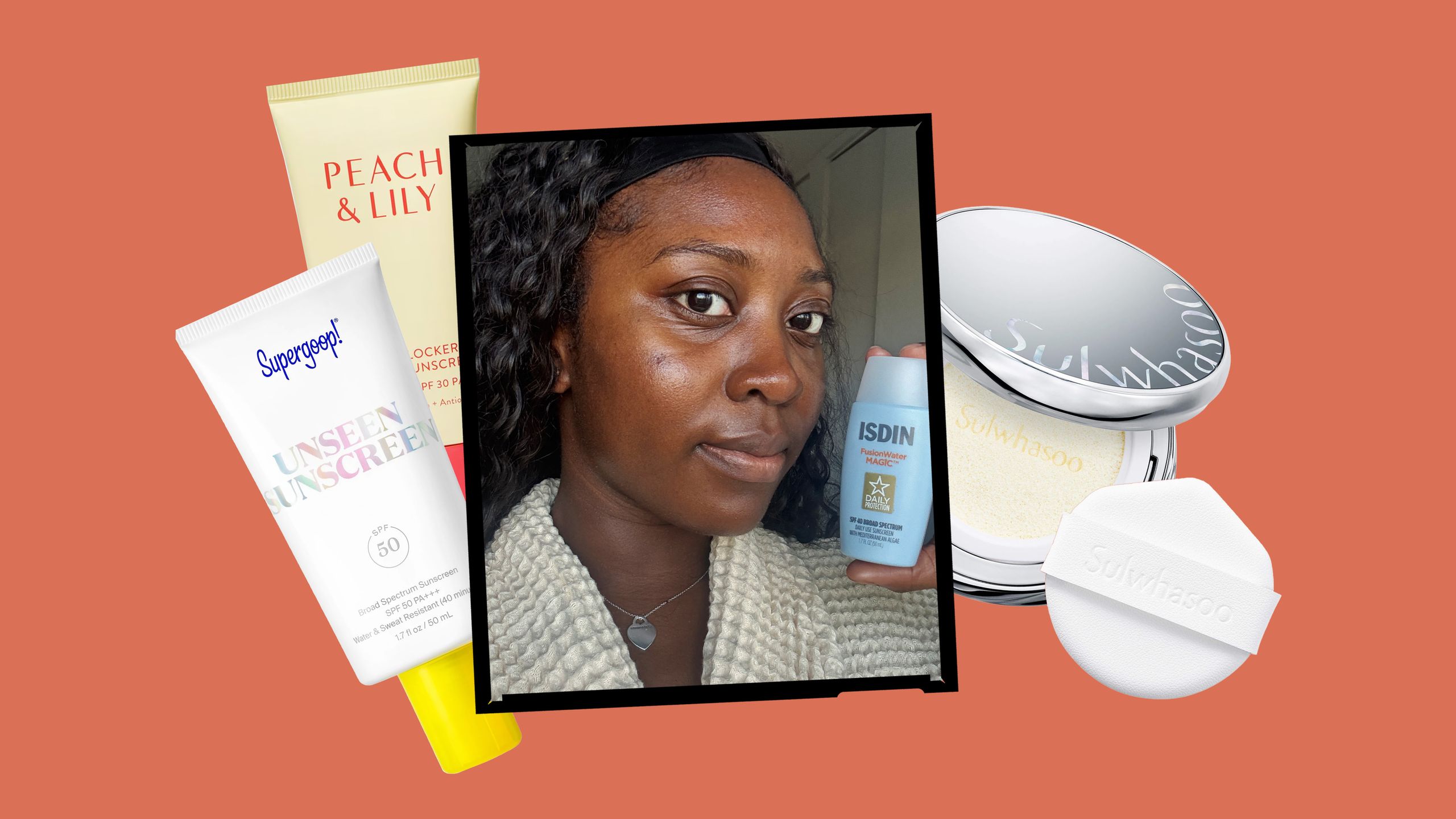
Nine formulas stand out specifically for combining broad-spectrum protection with textures light enough to wear without thinking about them. These aren’t special-occasion sunscreens. They’re the kind that actually make it into a morning routine because they don’t add a step that feels like a burden.
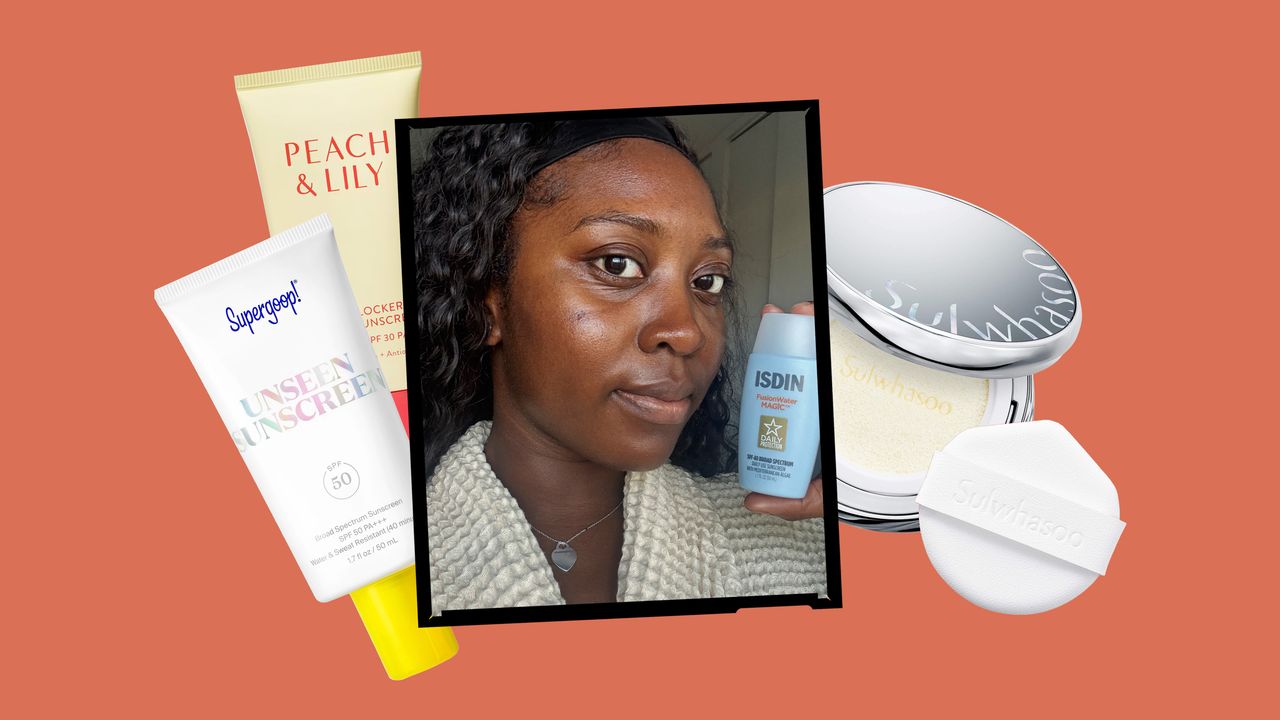
What Makes a Chemical Sunscreen Worth Using Daily
The active ingredients in chemical sunscreens – avobenzone, octinoxate, oxybenzone, octisalate, octocrylene, and homosalate, depending on the formula – are organic compounds that absorb UV rays and convert them to heat, which skin then releases. The mechanism is why these formulas stay sheer: there are no physical particles left on the surface. The tradeoff some people cite is that certain actives, particularly oxybenzone, have raised questions about skin sensitivity and hormonal disruption, though the FDA continues to evaluate the data and has not issued a prohibition.
For most people, the bigger practical question is texture. A sunscreen that pills under makeup, leaves a tacky film, or takes five minutes to absorb doesn’t get used consistently – and inconsistent use is where sun protection actually breaks down. The nine formulas reviewed here were selected because they wear comfortably on their own and layer without drama under serums, moisturizers, and foundation. Some are explicitly designed for oily skin; others carry hydrating ingredients suited to drier types. None of them leave that particular chalky film that makes people skip SPF altogether.
Dermatologists generally recommend SPF 30 as the floor for daily use, with SPF 50 providing meaningful additional protection for extended outdoor time. Both levels are represented across these nine picks. Reapplication every two hours during sun exposure remains the standard guidance regardless of the SPF number on the bottle – a detail worth repeating because the number on the label assumes ideal application amounts, and most people apply significantly less than the tested quantity.
There’s also the question of what else a formula is doing. Several of the nine include antioxidants like niacinamide, vitamin C derivatives, or green tea extract, which address oxidative stress from UV exposure beyond what SPF rating alone covers. Others double as lightweight moisturizers, cutting one step from a routine that’s already full. That kind of functional overlap is why the best daily sunscreens feel less like a skincare add-on and more like a product that earns its shelf space.
Formulas Built for Specific Skin Concerns
Oily and acne-prone skin has historically been underserved by sunscreen. Early chemical formulas were notoriously heavy, and the comedogenic ingredients in some older SPF products actively worsened breakouts. Current formulations have shifted that substantially – several of the nine picks use silica or dry-touch technology to absorb excess sebum throughout the day, functioning almost like a mattifying primer with built-in UV protection. For skin that’s prone to shine by midday, those formulas change the experience of wearing sunscreen entirely.
Sensitive skin requires a different approach. Fragrance-free options among the nine are worth flagging for anyone whose skin reacts to added scent, which is one of the more common irritant triggers in skincare. Some chemical actives are also gentler than others – octinoxate and octisalate, for example, carry a lower sensitization rate than oxybenzone in people prone to contact reactions. Knowing which actives are in a formula before purchasing saves real frustration for reactive skin types.
Where These Fit in a Larger Skincare Routine
Sunscreen goes on last in a morning routine, after moisturizer and before makeup. Chemical sunscreens specifically need a few minutes of contact time with skin before sun exposure begins – roughly 15 to 20 minutes – because the actives require that window to bind properly. Mineral formulas work immediately on application; chemical ones don’t, which is a distinction worth building into a morning schedule if an early commute is involved.
Layering with vitamin C serums is a frequent question. Ascorbic acid and several chemical sunscreen actives can interact when combined, potentially reducing efficacy of either the vitamin C or the SPF protection. The practical fix is simple: apply vitamin C, wait for it to absorb, then apply sunscreen. No need to cut either product from the routine – sequencing handles the issue.
For anyone building or refining a daily SPF habit, the June Allure Beauty Box has included SPF products among its curated picks, offering a low-cost entry point for testing sunscreen formats before committing to full sizes. At $20 for $214 worth of product, it’s a reasonable way to experiment with texture and finish before investing in a dedicated bottle.
The nine chemical sunscreens that clear this bar share one quality beyond their SPF rating: they disappear. No drag on application, no white residue, no texture complaint that becomes an excuse to skip the step. Whether the priority is controlling oil, layering under a full face of makeup, or simply not spending mental energy on what’s going on the skin, each of these formulas solves the same problem from a slightly different angle.
What none of them solve is the reapplication gap – the 10 a.m. application that doesn’t get touched up before a noon lunch on a restaurant patio. That’s not a product failure. It’s the part of sun protection that the best formula in the world still can’t do for you.