





A Fashion Conglomerate Back in Play
Capri Holdings, the parent company of Michael Kors, Jimmy Choo, and Versace, has entered what appears to be a serious phase of acquisition talks, with multiple would-be buyers having already reviewed the company’s financial records. The conversations are active enough that access to Capri’s books has been granted – a step that signals the process has moved well beyond casual interest into structured evaluation.
At least one significant financial hurdle stands between any interested party and a completed deal.
For a group that has spent years assembling a portfolio spanning accessible luxury, high-end footwear, and Italian fashion heritage, the prospect of a sale raises immediate questions about which brands travel together, which might be separated, and what a buyer is actually paying for when those three labels carry such different customer bases, price points, and cultural cachet.
What Capri Actually Represents on the Market
Michael Kors remains the volume engine of Capri’s portfolio. The brand built its dominance on accessible handbags and ready-to-wear that sat comfortably in the sweet spot between mass market and true luxury – a position that proved enormously profitable during its peak years but has since faced pressure from shifting consumer priorities and a more competitive mid-luxury segment. It is the brand that makes Capri’s revenue numbers look substantial, and it is also the brand that potential buyers will scrutinize hardest, because its trajectory determines the financial logic of any acquisition.
Jimmy Choo occupies a more defined space. The London-born footwear label carries genuine brand equity in the luxury shoe market, with a clientele that skews toward occasion dressing and red-carpet visibility. Its size makes it manageable, its identity is consistent, and for a buyer primarily interested in footwear or in building out an accessories portfolio, it functions as a relatively clean asset. That clarity could make it either the most attractive piece of the Capri puzzle or the easiest to carve out and sell separately.
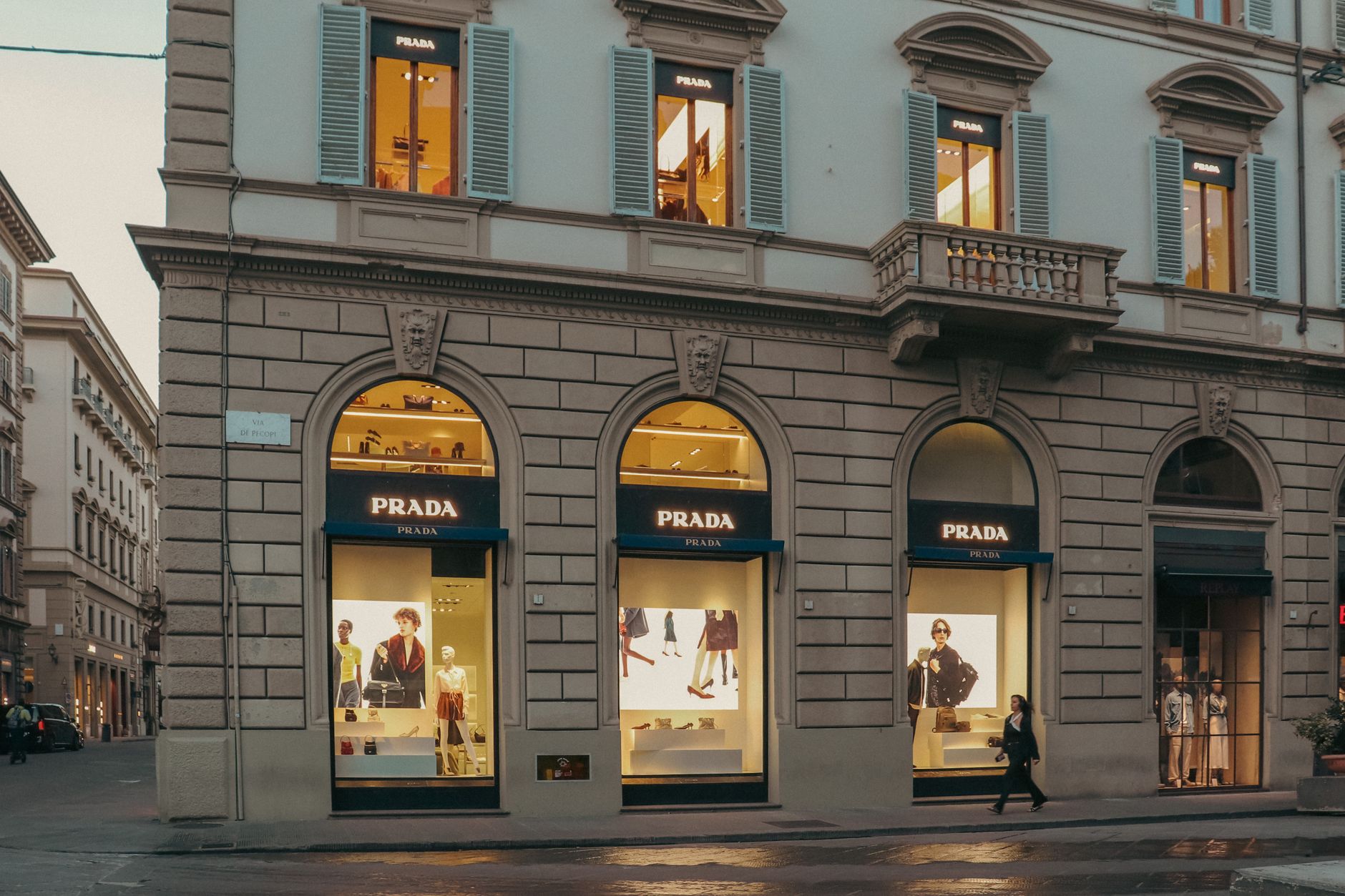
Versace is the variable that complicates every conversation. Acquired by Capri in 2018 for approximately $2.1 billion, the Milanese house brought with it a ferociously strong aesthetic identity, a loyal global following, and the ongoing creative question of what the brand becomes as it continues to evolve beyond the Gianni Versace era. A conglomerate willing to invest in Versace’s long runway – in terms of both time and capital – would be acquiring something with real upside. A buyer looking for near-term financial returns would find it the hardest of the three brands to underwrite.
The Financial Hurdle That Could Stall Everything
The fact that potential buyers have already examined Capri’s books does not mean a deal is close. Due diligence confirms interest; it does not resolve valuation gaps, debt structures, or the specific financial obstacle that sources have flagged as a potential sticking point. The nature of that hurdle has not been specified, but in acquisition processes of this scale, such obstacles typically involve a combination of existing debt loads, earnout structures, pension obligations, or disagreements over where the business is headed versus where the seller believes it is headed.
Capri’s history adds another layer of context. The company’s attempt to merge with Tapestry – the group behind Coach, Kate Spade, and Stuart Weitzman – was blocked by a federal judge in late 2024 after the Federal Trade Commission challenged the deal on antitrust grounds. That ruling left Capri without a transaction it had been counting on, and the company has since been navigating a reset of its strategic position. The failed Tapestry merger is not simply background context; it shaped Capri’s current leverage in any new negotiation, the expectations of its shareholders, and the urgency with which management approaches a potential sale.
Fashion M&A at this level rarely moves quickly, and the presence of a financial hurdle – even an unnamed one – means that any timeline attached to these talks should be treated as approximate at best. Buyers who have seen the books have enough information to decide whether they want to continue. Whether they do, and on what terms, is where the real negotiation begins. The broader luxury market has already demonstrated in 2024 and 2025 how quickly deal structures can unravel when financial conditions shift.

Three Brands, One Price Tag, No Easy Answer
What makes Capri an unusual acquisition target is precisely the thing that made it an ambitious bet in the first place: three brands with three distinct identities, three different customer relationships, and three separate operational needs, all packaged into a single holding structure. A strategic buyer – another luxury conglomerate looking to expand its footprint – would evaluate the portfolio differently than a private equity firm focused on margin improvement and eventual exit. The gap between those two buyer profiles, in terms of what they would pay and what they would do with the assets afterward, is wide enough to shape the entire outcome of these talks.
Michael Kors, Jimmy Choo, and Versace did not end up under one roof by accident. Capri’s acquisition strategy was built on a belief that scale matters in luxury, that a multi-brand platform could deliver operational efficiencies and negotiating power that single-brand houses cannot access. Whether a new owner shares that philosophy, or arrives with a different thesis entirely, will determine not just the price of any transaction but what the brands look like on the other side of it.
What remains unresolved is whether the financial hurdle flagged by sources is the kind that gets structured away through deal creativity – adjusted pricing, staged payments, retained liabilities – or the kind that sends interested parties back to their own boardrooms without a term sheet.