



The Highlight Technique That Starts With Your Natural Base
Blonde balayage has held its ground in the color conversation for years, not because it follows a single formula, but because it doesn’t. The technique adapts – to the person sitting in the chair, to the undertones already in their hair, to how much maintenance they’re willing to commit to. That flexibility is exactly why it keeps showing up, season after season, on clients who want lighter hair without the hard lines of traditional foil highlights.
Whether someone walks in as a deep brunette or already carries a base of dirty blonde, the process reads differently each time. The result, though, tends toward the same destination: hair that looks as though the sun did the work, not a colorist.
What Balayage Actually Is – and What It Isn’t
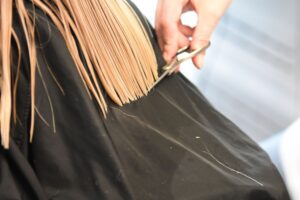
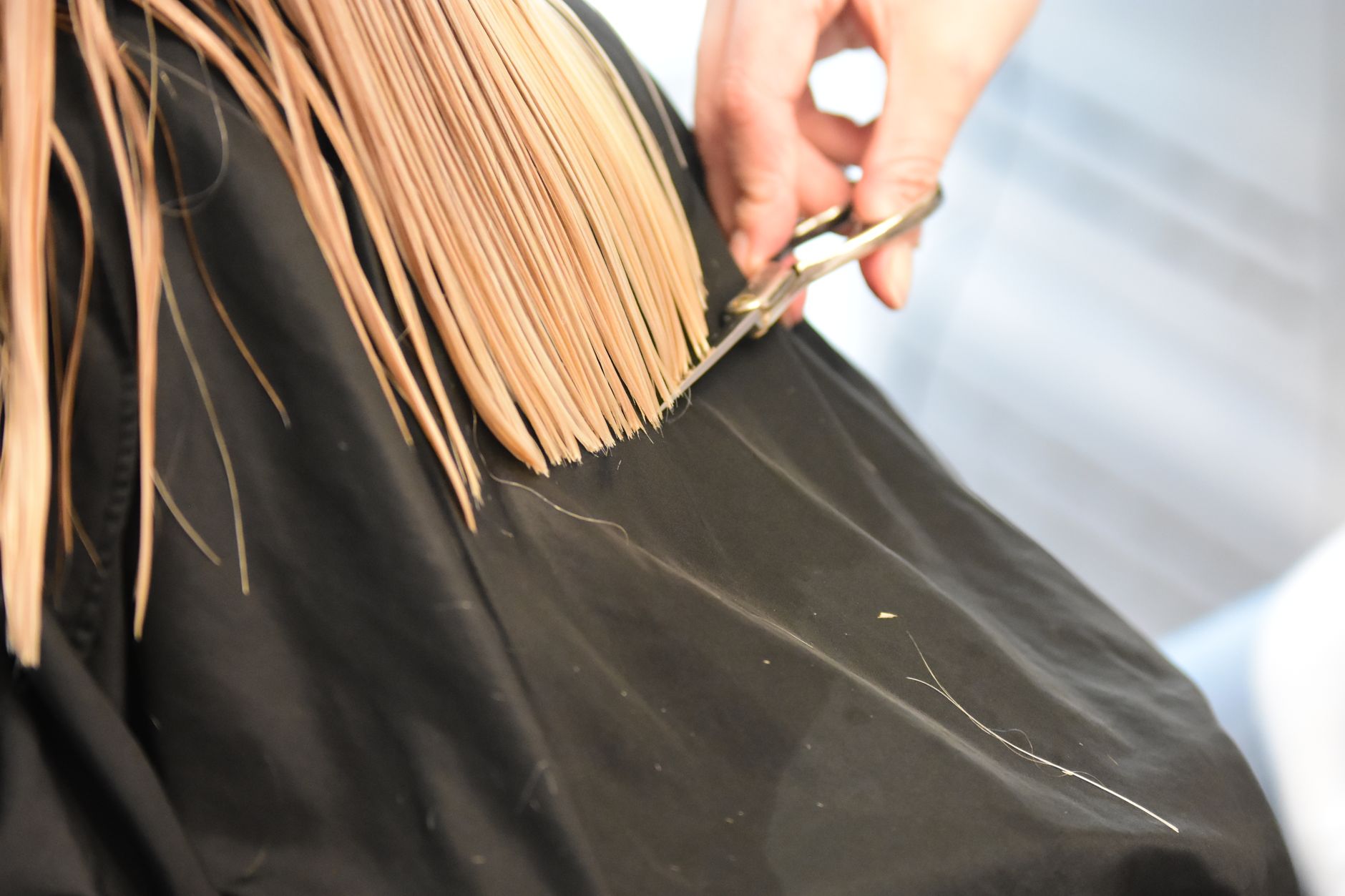
The word itself is French, loosely meaning “to sweep,” which describes the application method. Instead of sectioning hair into uniform pieces and sealing them in foil, a colorist paints lightener directly onto the surface of the strand in a freehand motion. The strokes are heavier at the ends and lighter near the root, which is where the technique earns its reputation for looking natural. Roots stay deeper, midlengths shift gradually, and the ends carry the brightest concentration of color.
Foil highlights, by contrast, lift color from root to tip in even portions. The result is more saturated, more structured – and more obvious as it grows out. With balayage, the grow-out is part of the design. There’s no hard line of demarcation to camouflage at week six because the transition from natural root to lightened ends was built into the technique from the start. That’s the structural difference, and it’s also what drives most people toward balayage when they’re after something low-maintenance.
Blonde balayage specifically targets lightening – moving hair toward a warmer golden, a cooler ash, or a bright platinum depending on what the client wants and what the base can realistically reach in a single session. Going from very dark brown to platinum in one appointment isn’t usually possible without risking damage. Most colorists will plan the journey in stages, which is worth knowing before sitting down with an expectation of a dramatic single-session change.
Starting From Brunette Versus Starting From Blonde
The chemistry and the visual outcome shift depending on what’s already on the head. Brunettes with dark bases need a stronger lift to reach blonde territory, which means more processing time and, often, a toning step afterward to neutralize any unwanted brassiness. Orange and yellow undertones surface during the lightening process – that’s not a mistake, it’s just chemistry. A toner applied after the bleach corrects the warmth, landing the hair in a cooler or more neutral blonde range. The darker the starting point, the more likely a client will need more than one session to reach a true blonde rather than a honey or caramel.
For someone already blonde, balayage functions more as a brightening tool. The colorist can concentrate lightener on select sections to add dimension and contrast without touching the entire head. This approach keeps the hair healthier over time because not every strand gets processed at every appointment. Some colorists layer in a gloss or glaze at the end of a session to add shine and deepen the tone slightly – a small step that extends the life of the color and reduces brassiness between visits.
How Customizable Is the Result, Really?
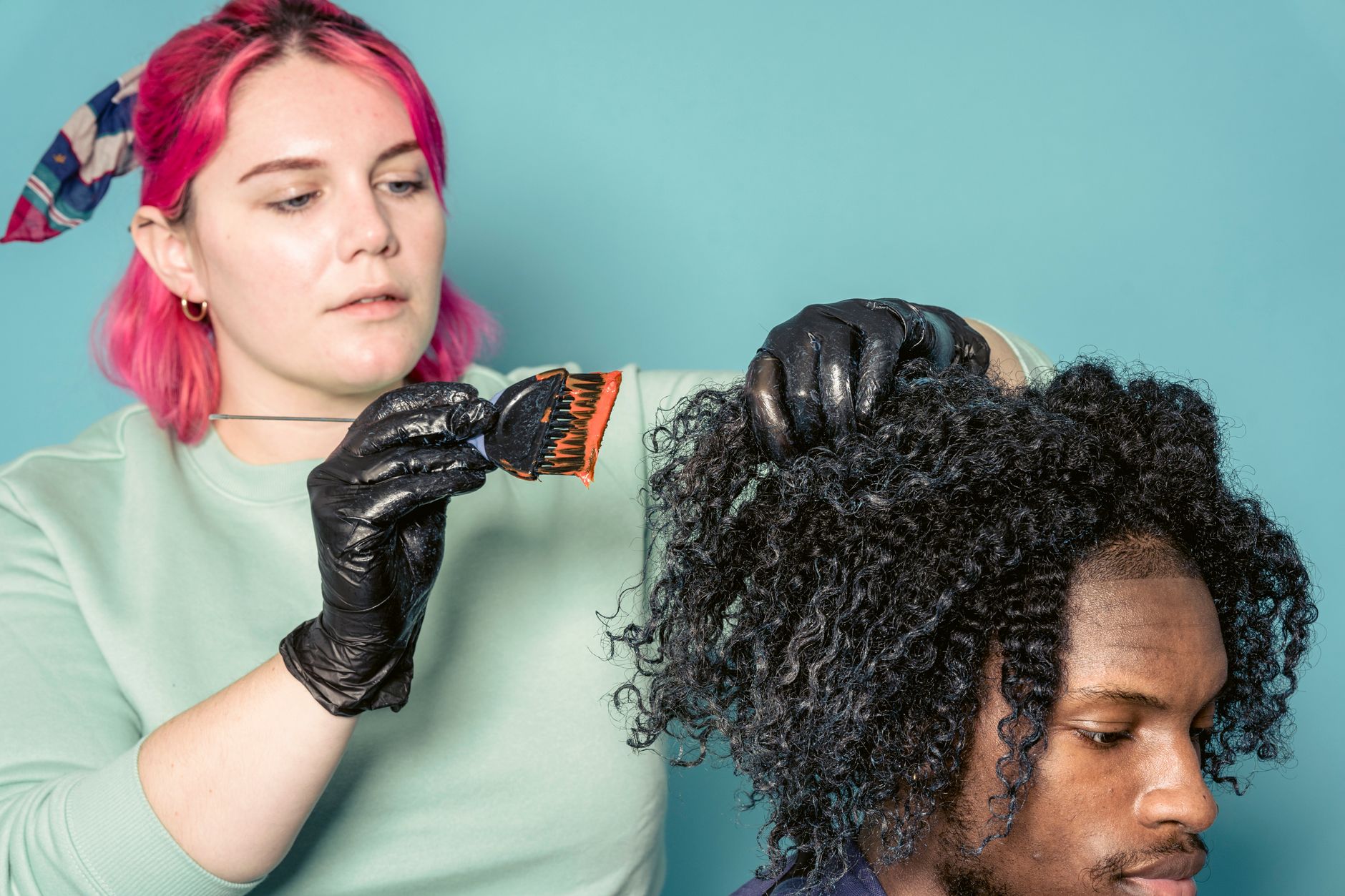
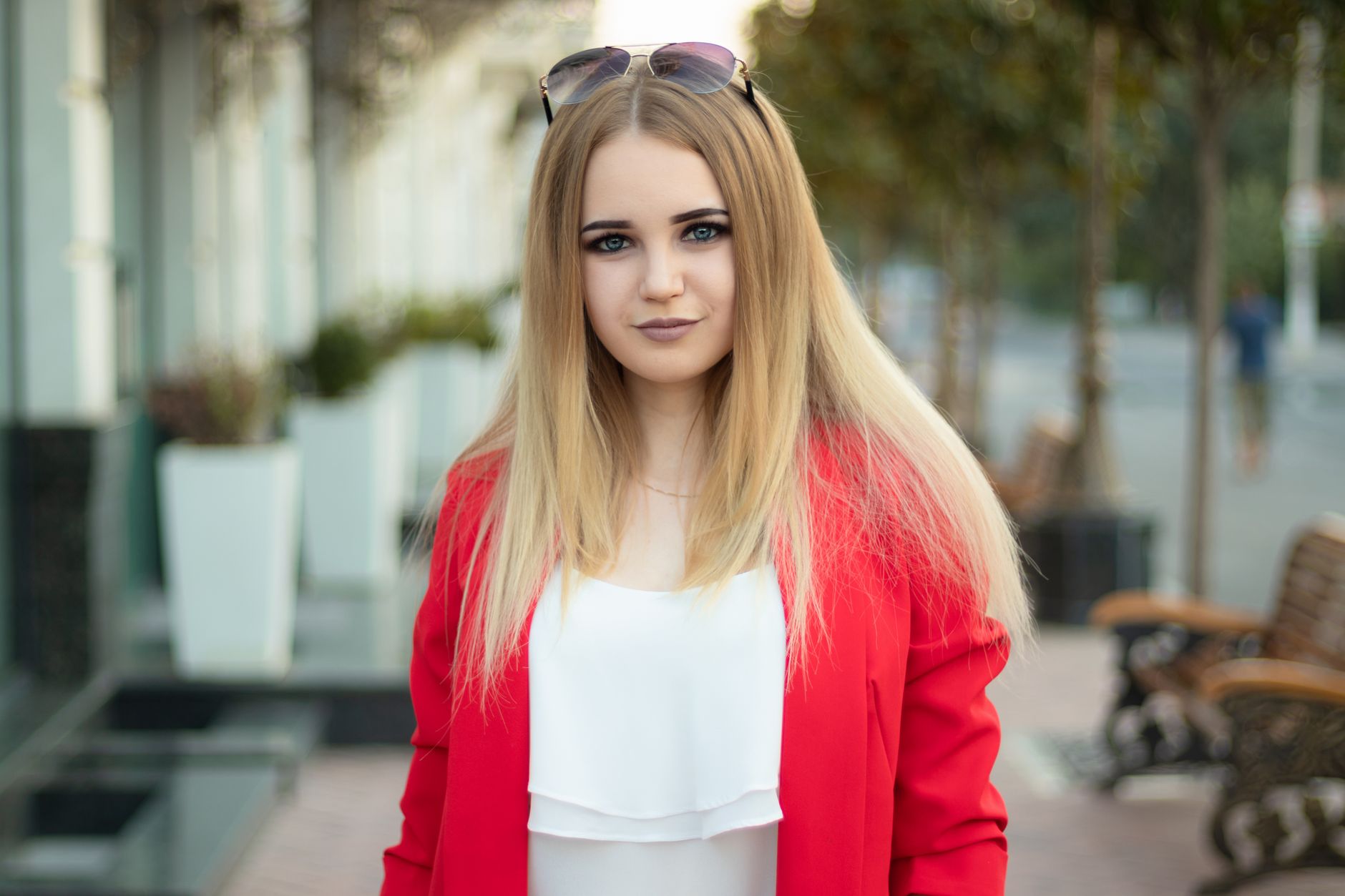
Quite. The breadth of what falls under “blonde balayage” is wide enough to include buttery, warm-toned looks that sit close to a natural blonde and icy, heavily lifted results that read almost white at the ends. Between those two poles lives everything from sun-kissed golden pieces around the face to full-coverage lightening that leaves very little of the original base visible. A colorist can control intensity by adjusting how much of the hair they paint, how close to the root they start, and what level of lightener they use.
Face-framing pieces – sometimes called money pieces – are a common add-on within a balayage appointment. These concentrate brightness around the hairline and around the face, which tends to have the most visual impact for the least processing work. Someone who isn’t ready to commit to lightening throughout can start with just these front sections and decide later whether to extend the technique further back. It’s a practical entry point for people who are unsure about going fully lighter.
Toning is where the real personality of a blonde balayage gets established. The same lifted base can become a warm, golden blonde or a cool, silvery blonde depending entirely on the toner applied at the end. Violet-based toners cancel out yellow. Blue-based toners neutralize orange. A skilled colorist will match the toner to both the client’s skin tone and the aesthetic they’re after, which is why two people can walk out of the same salon with very different versions of “blonde balayage” even if their natural hair color was identical going in.
Maintenance between appointments comes down primarily to two things: how the hair is washed and how the toner holds. Sulfate-free shampoo extends the life of any color service by slowing fade, but it matters especially for lightened hair because bleached strands are more porous and release pigment faster. Purple shampoo used once or twice a week deposits small amounts of violet pigment that counteract yellowing. These aren’t optional extras – they’re what keep the color reading the way it did on day one rather than shifting warm over the following weeks.
The Appointment Itself and What Comes After
A full blonde balayage appointment typically runs longer than a standard single-process color. Painting takes time because it’s done section by section, by hand, without a mechanical assist from foils. Processing time adds to that. Then toning. Clients new to the technique sometimes underestimate how much of their afternoon they’re committing to, especially if they’re starting from a darker base and the colorist is planning a thorough lift.
Touch-up frequency is one of balayage’s genuine advantages over other highlight methods. Because the application doesn’t press color up against the root, there’s no blunt regrowth line that demands immediate attention. Many clients return every three to four months rather than every six to eight weeks, which reduces both the cost and the cumulative chemical load on the hair over a year. The math varies depending on how fast someone’s hair grows and how much contrast exists between their natural root and the lightened ends – a stark difference between a very dark root and very light ends will become noticeable sooner than a subtle transition will.
The question worth sitting with before booking: how far from your natural base do you actually want to go? The answer shapes not just the outcome of the first appointment, but every one that follows.