



A Bad Idea That Became the Industry Standard
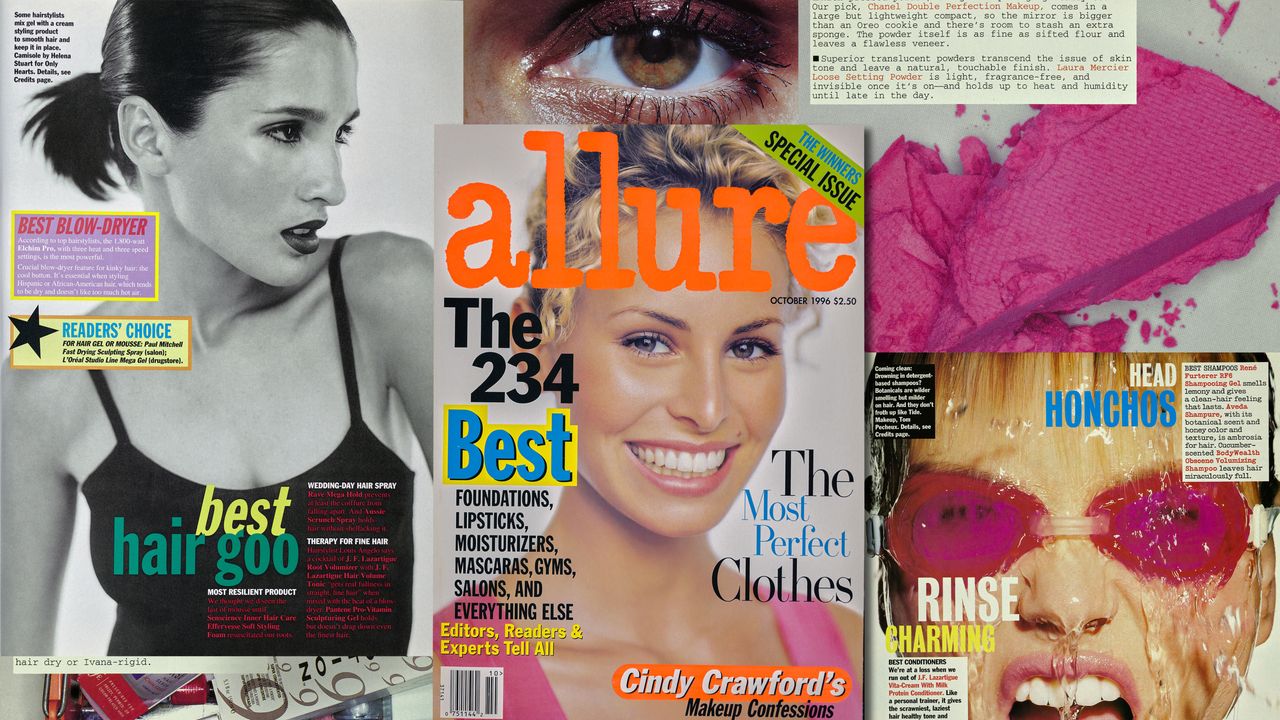
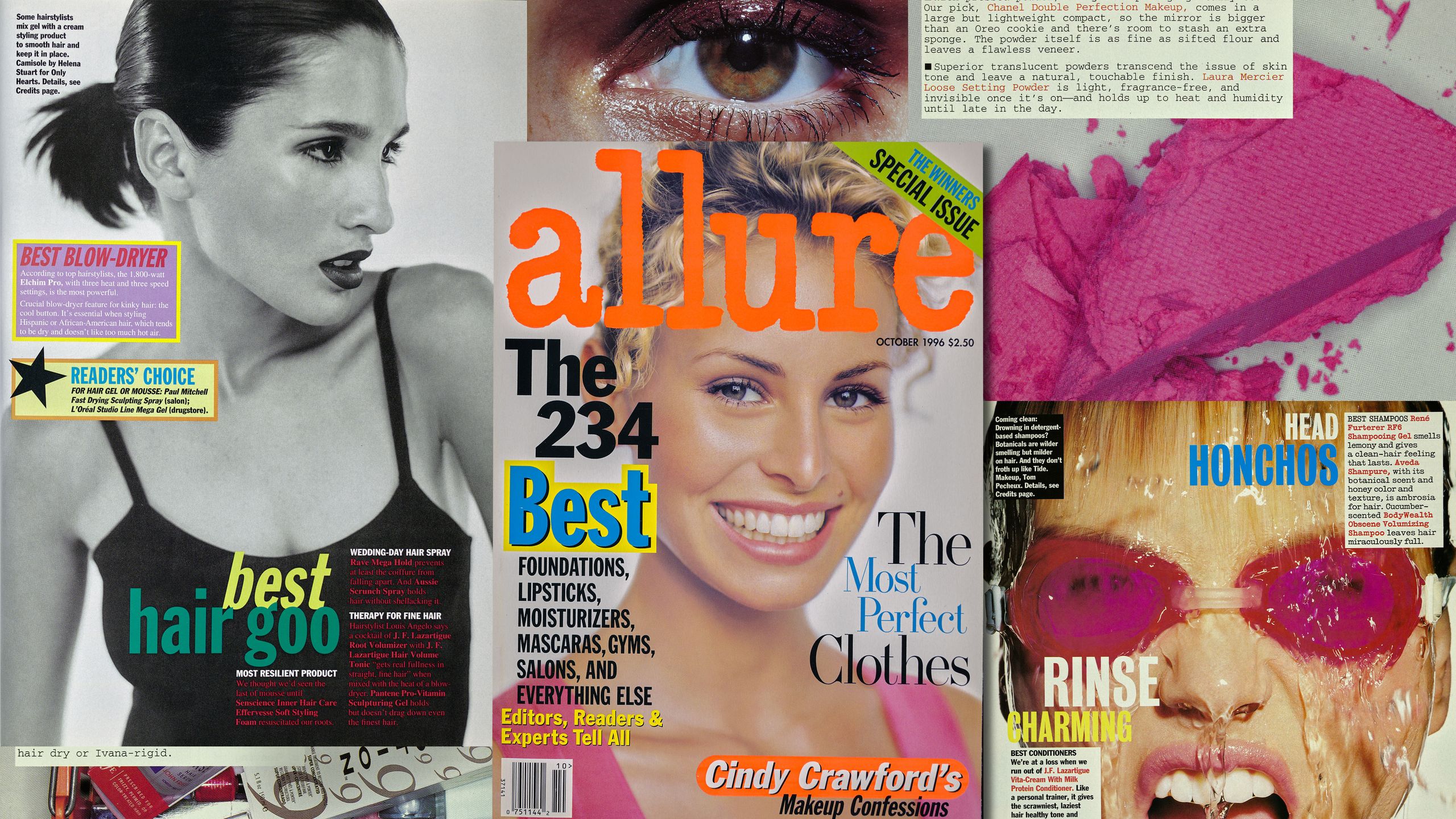
When Allure launched what would become its Best of Beauty Awards in 1996, the concept was met with genuine alarm from within the industry. Declaring one product definitively “the best” struck many observers – and some insiders – as not just arrogant but commercially reckless. Beauty was personal. Beauty was subjective. Beauty was the last category anyone expected to survive a ranking system.
They did it anyway.
Thirty years later, founding editor in chief Linda Wells and the key players who built the program from scratch are telling the story of how those early objections shaped, and in some ways strengthened, what has since become one of the most closely watched editorial awards in the beauty business – and why the fight to launch it was worth having.
What “The Best” Actually Meant in 1996
The problem with declaring a product “the best” in 1996 wasn’t just philosophical – it was structural. The beauty industry at the time operated on relationships: between brands and department store buyers, between publicists and editors, between advertising budgets and editorial coverage. Those relationships depended on a certain diplomatic vagueness. A magazine that told readers one mascara was categorically superior to another was, by extension, telling every other advertiser in that category that their product had failed a public test. That was not how beauty journalism worked, and many people in the industry wanted it to stay that way.
Linda Wells, who founded Allure in 1991, understood the commercial friction. The awards program was still a bad idea by the standards of the moment – and she moved forward with it. The logic was straightforward: readers were being sold to constantly, from every direction, with language that promised everything and distinguished nothing. “Best” had to mean something specific, or it meant nothing at all. Allure’s editors began developing a testing framework built on that tension, one that required actual criteria rather than enthusiasm.
The program launched with all the institutional confidence of something that could easily fail. There was no template. There was no precedent in the beauty magazine space for this kind of evaluative rigor applied at scale. What existed was a staff that believed the reader deserved a straight answer and an editor in chief willing to absorb the industry pushback that came with giving one.
Thirty Years of Friction Producing Something Useful
The oral history that Allure published to mark the 30th anniversary of the awards draws on the recollections of the people who were in the room. What emerges is less a celebration than an accounting – of the arguments that nearly killed the program before it launched, the industry relationships that were strained by early winners, and the slow process by which the awards moved from controversial to expected. Brands that once resented the rankings eventually restructured their product development cycles around them. A Best of Beauty seal on packaging became a sales driver significant enough to influence formulation decisions made years before launch.
That shift didn’t happen quietly. The early years of the program required Allure’s editorial staff to defend their methodology repeatedly – to brands, to advertisers, and sometimes to their own publishing leadership. The argument was always the same: testing had to be independent of commercial interest, or the award meant nothing. That position cost the magazine some relationships in the short term. It also built the credibility that made the award worth winning.
Wells and her team were working against a broader industry assumption that beauty consumers didn’t want to be told what was best – they wanted to be inspired, aspirated, seduced into a purchase. The awards program bet against that assumption. It assumed readers were capable of processing a direct recommendation and that they would reward a publication for making one. Over 30 years, that bet held.
What the Anniversary Actually Reveals
An oral history format is revealing in ways a conventional retrospective isn’t. When multiple people reconstruct the same events from memory, the disagreements between their accounts show where the real pressure points were. In Allure’s 30th anniversary piece, the fact that founding voices describe the 1996 launch as something others called “a really terrible idea” isn’t a charming origin story – it’s evidence that the program required genuine institutional nerve to execute. The beauty industry in 1996 was not waiting for a ranking system. It had to be convinced one could exist, and then convinced that it mattered.
The 30-year mark also clarifies something about the awards’ actual cultural function. Best of Beauty isn’t just a product guide. It’s a documented record of what the beauty industry produced and what a specific editorial staff considered worth recommending, year by year, since 1996. That’s an archive. As fragrance and beauty categories continue evolving – moving toward more complex, less commercial aesthetics – what gets awarded and what gets passed over tells its own story about where the industry was at any given moment.
Wells, who shaped Allure’s voice from its founding through her tenure as editor in chief, is central to the anniversary oral history for an obvious reason. The awards program was her call. The people who told her it was a wild idea were not wrong about the risk – they were wrong about whether the risk was worth taking. That distinction, thirty years on, is the whole argument.
The question the anniversary leaves open is whether the program’s authority is self-sustaining now or whether it still depends on the same editorial willingness to absorb industry friction that launched it in 1996 – because those are not the same thing, and the answer determines what the next 30 years look like.