



What Changes After 40 – and Why Your Shelf Should Too
Skin in your forties and beyond operates differently than it did a decade earlier. Collagen production slows, cell turnover drops, and the barrier function that once kept moisture locked in starts to thin. The result is not just wrinkles – it’s a shift in texture, tone, and the way products absorb. What worked at 30 may now sit on top of skin rather than do anything useful inside it.
Allure’s editors spent considerable time testing and vetting products specifically developed – or proven through use – for skin over 40. The resulting guide is a curated lineup of science-backed formulas that address the actual biology of mature skin, not a generic roundup padded with filler picks.

Why Editor-Tested Matters More Than Algorithm-Approved
Beauty recommendations generated from sales data or engagement metrics often favor the newest product or the loudest brand. But for mature skin, that approach consistently misfires. What sells well with a younger demographic – high-fragrance formulas, aggressive exfoliants, mattifying finishes – can actively worsen dryness, irritation, and the loss of natural radiance that comes with aging skin. Allure’s editorial process cuts that noise by prioritizing real wear time over press release claims.
The editors behind the guide are specifically looking at how products perform over weeks, not in a single application. Hydration that fades within hours, serums that sting on thinner skin, SPFs that cake into fine lines – these are the failure modes that only show up with sustained use. That sustained testing is what separates a list like this from one built on a single afternoon of swatching.
Science-backed, in this context, means formulas supported by dermatological research – ingredients like retinoids, peptides, ceramides, and niacinamide, each of which has a documented mechanism of action on aging skin. Retinoids accelerate cell turnover that naturally slows with age. Peptides signal the skin to produce more collagen. Ceramides restore the lipid barrier that thins over decades. Niacinamide regulates pigmentation and strengthens skin structure. These are not trend ingredients – they are workhorses with decades of clinical backing.
The Product Categories That Matter Most After 40
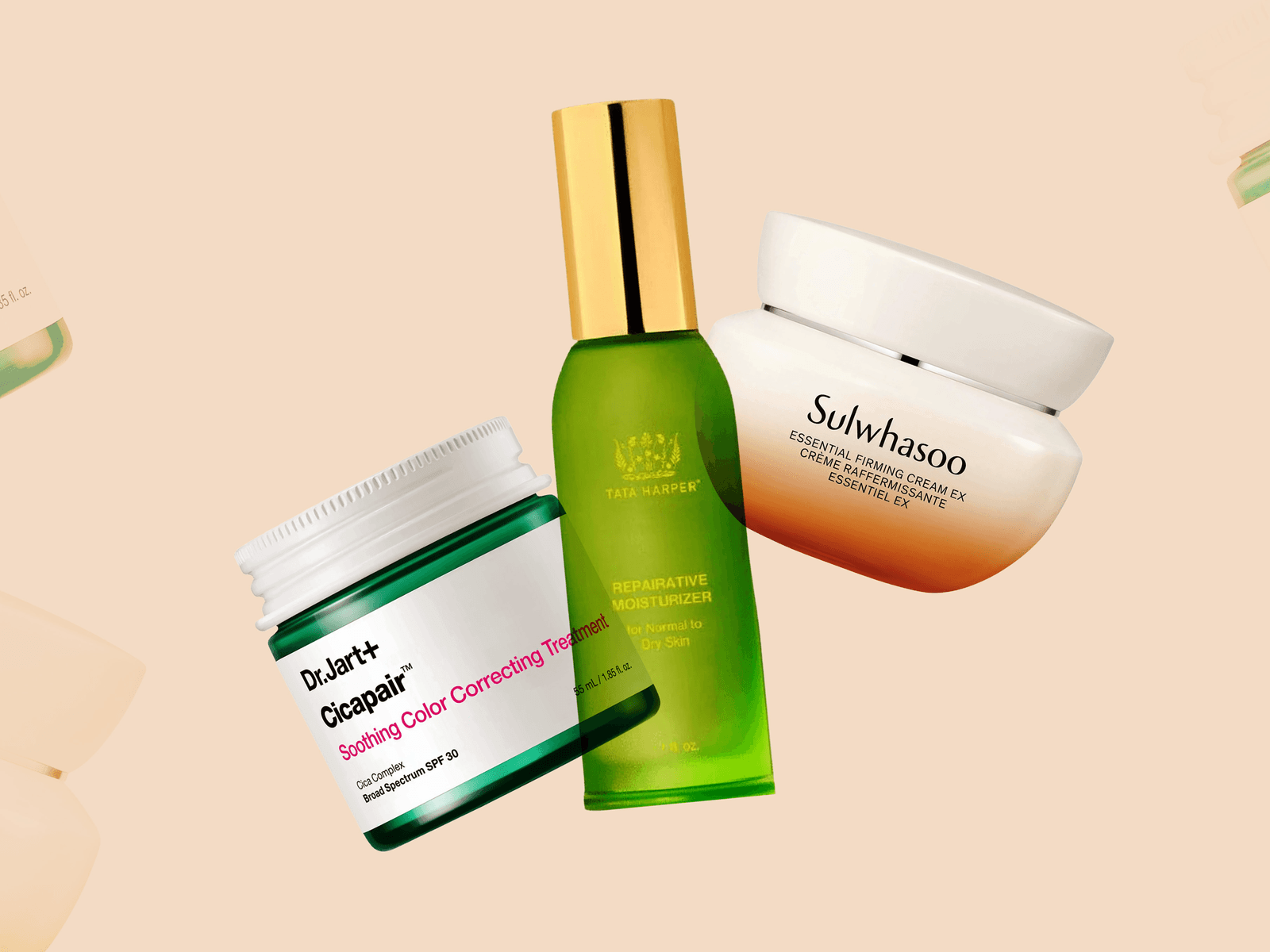
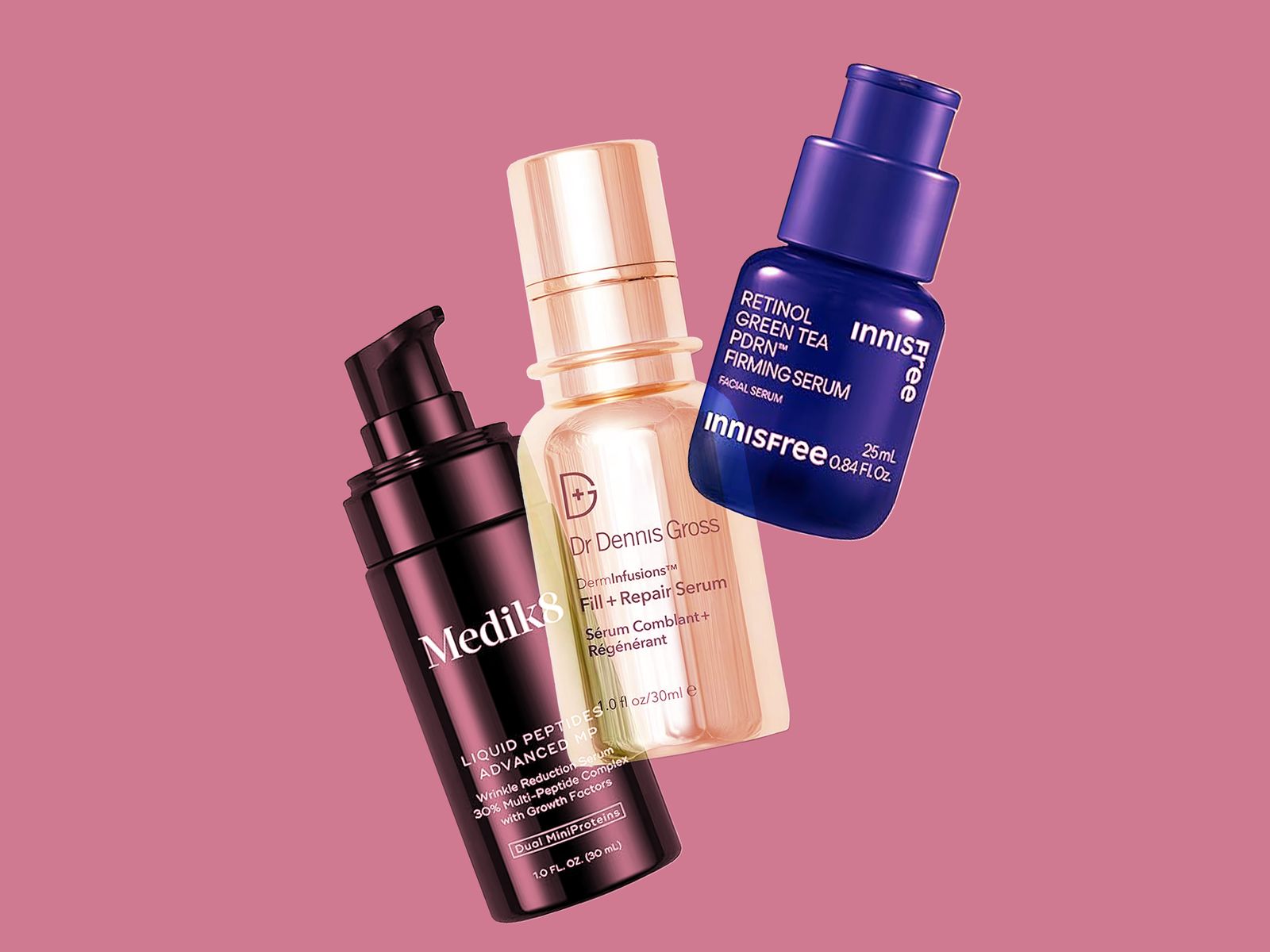
The Allure guide spans the core categories that aging skin demands attention to: moisturizers, serums, eye treatments, SPF, and targeted treatments for hyperpigmentation and loss of firmness. Each category serves a distinct function, and the editors are careful not to collapse them – a serum and a moisturizer are not interchangeable, even when both carry anti-aging language on the packaging.
Eye treatments earn particular attention in the guide because the eye area is where age-related changes often register first and most visibly. The skin there is thinner than anywhere else on the face, more prone to puffiness and discoloration, and highly sensitive to formulas that contain alcohol or strong actives. Products that work here have to be both potent enough to do something and gentle enough not to cause the irritation that makes puffiness worse.
How to Read an Anti-Aging Product Claim – and When to Ignore It
The phrase “anti-aging” on a label tells you almost nothing. It is marketing language with no regulatory definition, applied to everything from $8 drugstore moisturizers to $400 serums. What the Allure guide does that the label cannot is break down which specific ingredients are doing which specific jobs, and whether those ingredients are present in concentrations high enough to actually function.
Retinol, for instance, is widely included in anti-aging products – but the effective concentration range for meaningful results starts at 0.025% and clinical studies typically use 0.1% or higher. A product listing retinol as a minor ingredient, buried near the bottom of the INCI list, will not deliver the cell-turnover acceleration that makes retinoids valuable for mature skin. The difference between a product that works and one that merely claims to work often comes down to that detail.
Fragrance is the other variable that matters more after 40 than most consumers realize. As the skin barrier thins with age, fragrance compounds – both synthetic and natural – penetrate more easily and trigger more frequent inflammatory responses. Chronic low-level inflammation accelerates the breakdown of collagen, which is precisely what aging skin is trying to prevent. Many of the products flagged by Allure’s editors are either fragrance-free or formulated with minimal fragrance specifically because of this dynamic.
SPF remains the single most evidence-supported intervention in all of anti-aging skincare. UV exposure drives photoaging – the wrinkling, pigmentation, and collagen degradation that accounts for the majority of visible skin aging. A daily SPF of 30 or higher, applied in adequate quantity and reapplied during prolonged sun exposure, reduces that damage consistently and measurably. The challenge for mature skin is finding formulas that don’t emphasize dryness or settle into lines, and the guide addresses that directly by flagging SPFs that wear well on drier, more textured skin.
The guide also takes a clear position on layering order – the sequence in which products are applied affects their absorption and, in some cases, their efficacy. Applying a heavy moisturizer before a vitamin C serum, for example, creates a physical barrier that reduces how much active ingredient reaches the skin. For anyone overhauling their routine after 40, that kind of structural guidance matters as much as the individual product picks themselves.
What the Guide Gets Right About Access and Price Range
One of the more useful qualities of the Allure collection is its price range. The list is not anchored at the luxury end – it includes drugstore options alongside prestige and clinical brands, and the editors are explicit about where the affordable options hold their own against the expensive ones. That matters because mature skincare is not a one-product fix. An effective routine requires multiple products applied consistently over months, and a lineup priced entirely at $80 per item creates a real barrier to that consistency.
Ceramide-rich moisturizers, for instance, are available at effective concentrations from brands like CeraVe at under $20, and those formulas have the same fundamental mechanism as products priced five times higher. The Allure guide makes those comparisons visible rather than defaulting to prestige picks across the board. For anyone building or rebuilding a skincare routine after 40, that transparency about price-to-performance is more practical than a list organized purely around editorial prestige. The same logic applies below the neck – mature skin on the body responds to ceramides and peptides just as the face does, and the guidance transfers.
The guide was published at allure.com/mature-beauty-collection and is positioned as a living resource – one the editors intend to update as formulations change and new clinical data shifts the conversation around specific ingredients. Whether that update cadence holds in practice is the question that will determine whether this becomes a reference point or just another roundup.