




Brides are ditching four-figure price tags for $50 vintage finds, and the results are stunning. What started as a budget-conscious choice has evolved into a full-blown bridal movement, with second-hand wedding dresses appearing on runways, red carpets, and in the pages of top wedding magazines.
The thrift store bridal trend isn’t just about saving money anymore. It’s about sustainability, uniqueness, and the thrill of discovering a one-of-a-kind piece with its own story. From consignment boutiques in major cities to online vintage marketplaces, pre-owned wedding dresses are experiencing unprecedented demand.
The Economics Behind the Trend
Wedding costs have skyrocketed, with the average American wedding now exceeding $30,000 according to The Knot’s latest survey. Traditional bridal gowns alone can range from $1,500 to $5,000 or more, not including alterations, accessories, and preservation costs.
Thrift store finds offer dramatic savings. Brides regularly discover designer gowns from prestigious labels like Vera Wang, Carolina Herrera, and Monique Lhuillier for under $200. These dresses, often worn once and carefully preserved, retain their quality and craftsmanship while costing a fraction of retail price.
The financial appeal extends beyond the dress itself. Money saved on the gown can be redirected toward other wedding priorities like photography, venues, or honeymoon expenses. For many couples facing student loans and rising housing costs, this reallocation makes financial sense.
Wedding planner Sarah Martinez from New York notes she’s seeing more clients specifically requesting thrift shopping appointments. “Couples are realizing that a beautiful dress doesn’t require a massive investment,” she explains. “They’d rather spend on experiences than a single-day garment.”
Sustainability Meets Style
Environmental consciousness drives much of the thrift bridal movement. The fashion industry ranks among the world’s most polluting sectors, and wedding dress production contributes to this impact through resource-intensive materials and manufacturing processes.
By choosing pre-owned gowns, brides reduce demand for new production while giving existing dresses extended life cycles. This circular fashion approach aligns with broader sustainability trends seen across the industry, similar to how crochet cardigans became Gen Z’s answer to quiet luxury.
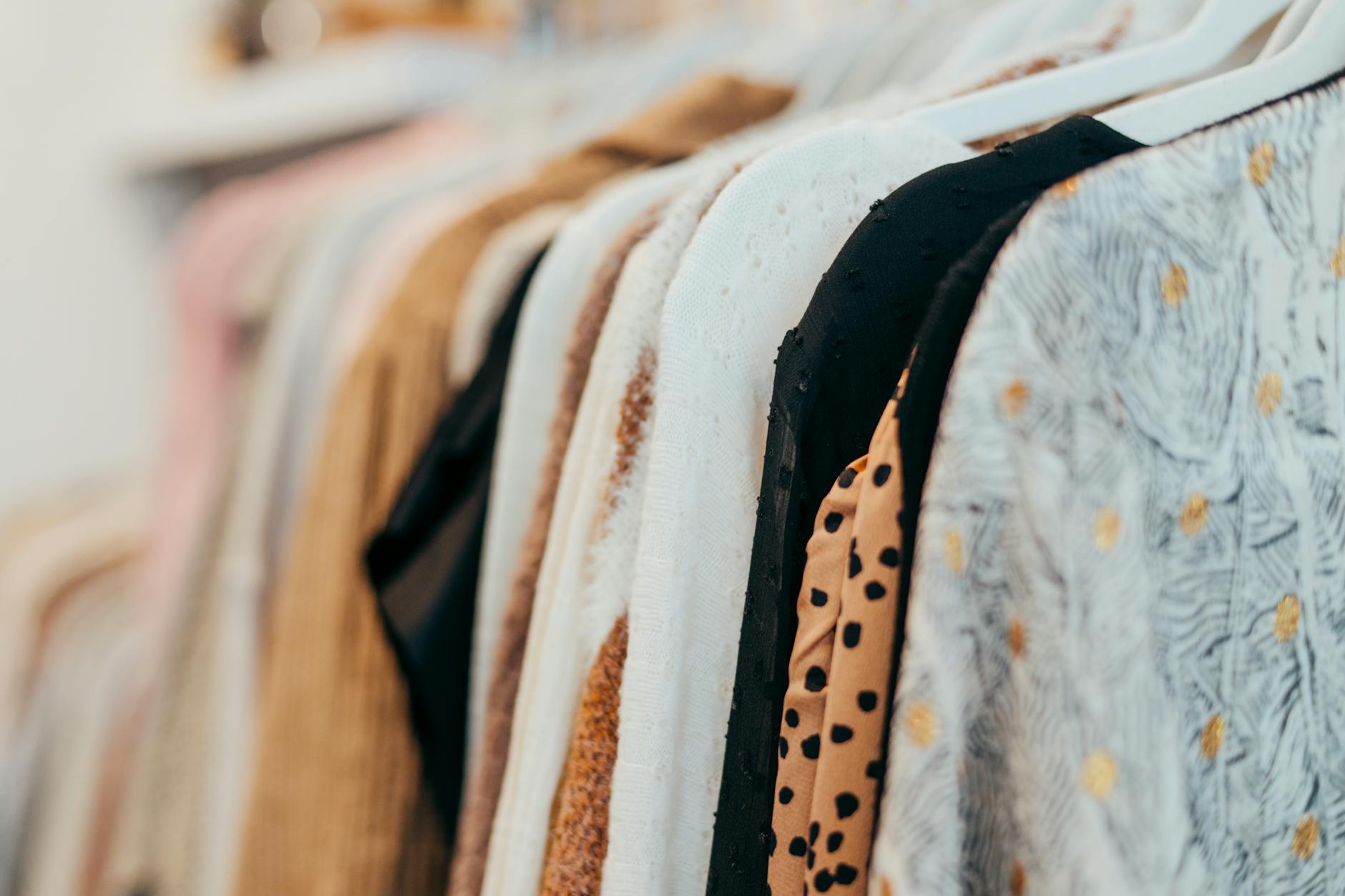
Many thrift store wedding dresses date from the 1980s through early 2000s, eras known for quality construction and attention to detail. These vintage pieces often feature hand-sewn beadwork, silk fabrics, and intricate lacework that rivals contemporary designer offerings.
Sustainability-focused bridal boutiques are capitalizing on this demand. Nearly Newlywed in San Francisco exclusively sells pre-owned wedding dresses, reporting 300% growth in sales over the past three years. Similar specialty consignment shops are opening in major metropolitan areas nationwide.
The environmental message resonates particularly strongly with millennial and Gen Z brides, demographics that prioritize ethical consumption. These consumers view thrift shopping as an extension of their values rather than a compromise.
The Hunt for Hidden Treasures
Finding the perfect thrift store wedding dress requires patience, persistence, and strategic shopping. Successful thrift brides develop systematic approaches to maximize their chances of discovery.
Timing matters significantly. Donations typically surge after wedding seasons, making late fall and early winter prime hunting periods. Estate sales and charity events also yield exceptional finds, particularly in affluent neighborhoods where high-end designer pieces surface more frequently.
Size flexibility proves crucial since alterations are almost always necessary. Experienced thrift shoppers focus on fit through the shoulders and bust, knowing that length, waist, and other elements can be adjusted by skilled seamstresses.
Online platforms have revolutionized thrift bridal shopping. Stillwhite, PreOwnedWeddingDresses.com, and Nearly Newlywed offer curated selections with detailed measurements and photographs. These platforms combine the thrill of thrift hunting with the convenience of traditional bridal shopping.
Social media communities share tips, success stories, and available finds. Facebook groups like “Thrift Store Wedding Dresses” connect buyers and sellers while providing inspiration and advice for newcomers to the trend.
Celebrity Influence and Mainstream Acceptance
High-profile figures have legitimized thrift bridal shopping through their own choices and advocacy. When celebrities opt for vintage or second-hand pieces for major events, it signals that pre-owned doesn’t mean lesser quality or prestige.
Fashion magazines now regularly feature thrift store bridal finds alongside traditional designer spreads. This editorial coverage has helped shift perception from budget necessity to conscious choice and style statement.
Bridal designers themselves are embracing the trend. Some offer authentication services for vintage pieces bearing their labels, while others create new collections inspired by popular vintage silhouettes and details.
The rise of vintage aesthetics in wedding photography and planning complements thrift dress trends. Couples seeking authentic vintage weddings find that genuinely vintage dresses complete their vision more effectively than new reproductions.
Looking Forward
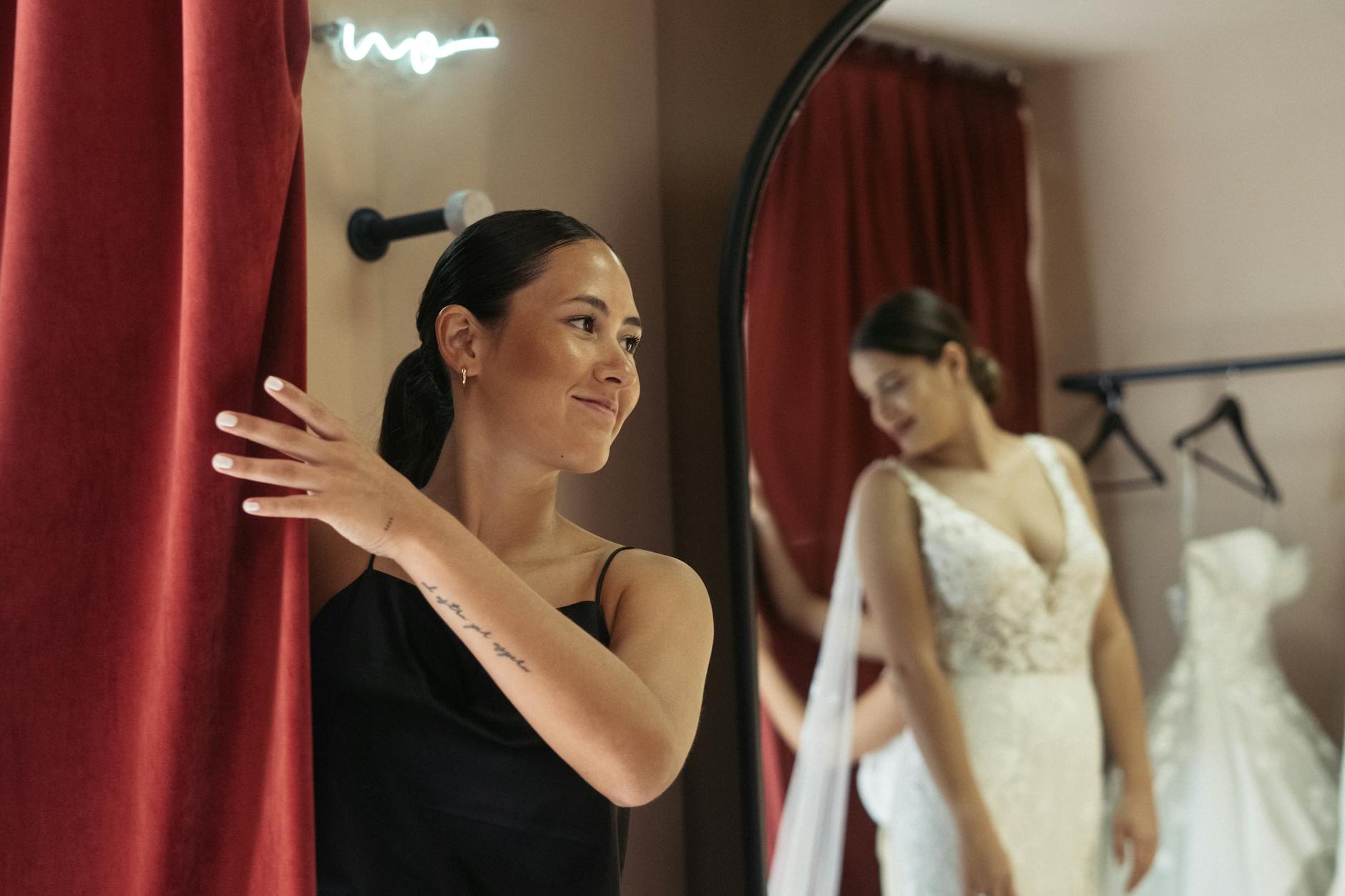
The thrift store wedding dress trend shows no signs of slowing. As sustainability concerns intensify and wedding costs continue rising, more brides will likely explore second-hand options. The stigma once associated with “used” wedding dresses has largely disappeared, replaced by appreciation for unique finds and environmental responsibility.
Technology will continue facilitating this market. AI-powered sizing tools, virtual try-on capabilities, and improved authentication processes will make online thrift shopping more reliable and accessible. Specialized rental and resale platforms are expanding rapidly, creating more opportunities for budget-conscious brides.
This shift represents more than a temporary trend. It reflects changing attitudes toward consumption, sustainability, and the definition of bridal perfection. In a world where individual expression increasingly matters more than conformity, thrift store wedding dresses offer brides the ultimate combination of style, savings, and social responsibility.
Frequently Asked Questions
How much can you save buying a thrift store wedding dress?
Brides regularly find designer gowns for under $200 that would cost $1,500-$5,000 retail, offering savings of up to 90%.
Are thrift store wedding dresses good quality?
Many vintage wedding dresses feature superior construction with hand-sewn details and high-quality fabrics that rival contemporary designer pieces.