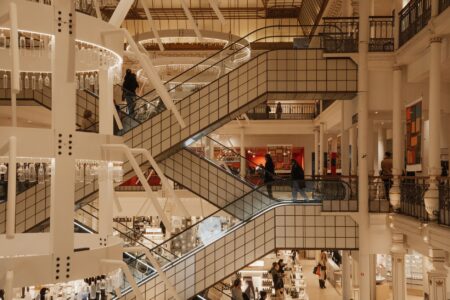




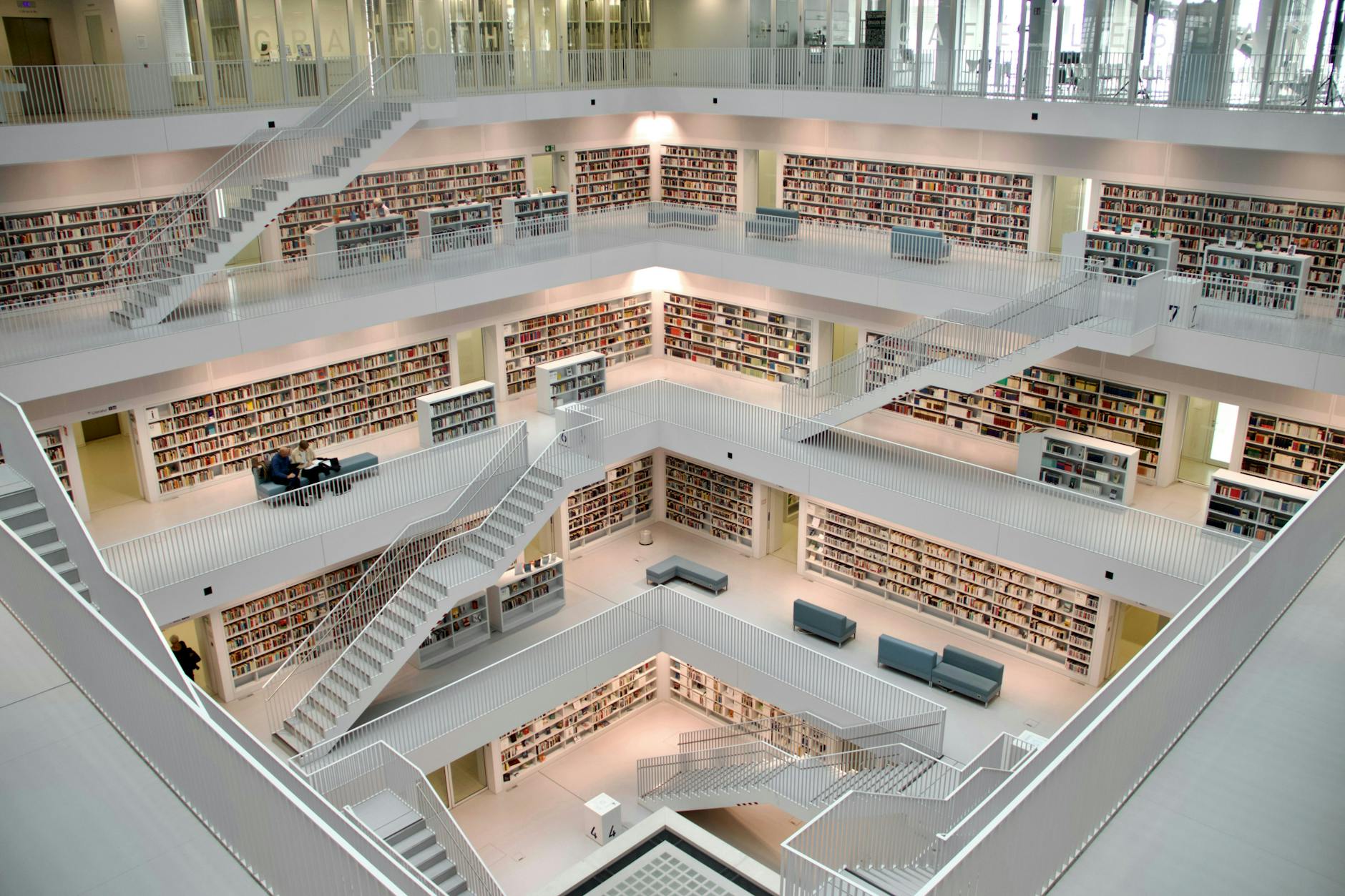
Fashion houses are trading marble galleries for community book stacks. From Brooklyn’s Central Library to the British Library in London, designers are staging runway shows in active public libraries, turning reading rooms into catwalks while patrons browse nearby shelves.
The movement gained momentum when emerging designer Simone Rocha held an intimate presentation at London’s Whitechapel Idea Store in 2023, weaving models between computer terminals and study tables. Her spring collection featured library-inspired details: structured jackets with book spine patterns and dresses with card catalog pocket details. The unconventional venue choice sparked conversations about accessibility in fashion, with library visitors unexpectedly becoming front-row witnesses to high fashion.
Breaking Down Fashion’s Elitist Barriers
Public libraries represent everything traditional fashion shows are not: free, accessible, and welcoming to all economic backgrounds. This contrast is precisely what draws forward-thinking designers to these spaces. Instead of charging thousands for front-row seats, library fashion shows operate on a first-come, first-served basis among regular library users.
Copenhagen-based designer Henrik Vibskov pioneered this approach in 2022, staging his “Reading Between the Lines” collection at the Royal Library. Models walked between study carrels while students continued their research, creating an organic fusion of high fashion and everyday life. The collection itself reflected this philosophy, featuring oversized blazers with hidden book pockets and dresses that transformed into reading cloaks.
The democratic nature of libraries aligns with fashion’s growing emphasis on inclusivity. Unlike exclusive venue rentals that can cost designers upwards of $50,000, libraries typically charge minimal fees for event space usage, making shows accessible to emerging designers who cannot afford traditional Fashion Week venues. This cost reduction allows designers to invest more in their collections rather than venue expenses.
Several established fashion houses have taken notice. Gabriela Hearst hosted a capsule collection launch at New York’s Stephen A. Schwarzman Building, incorporating the library’s architectural elements into her presentation. Models descended the iconic marble staircase wearing pieces inspired by literary classics, while the library’s Rose Main Reading Room served as an unexpected but stunning backdrop.
The Practical Benefits of Literary Venues
Libraries offer unique logistical advantages that traditional fashion venues cannot match. Their built-in infrastructure includes professional lighting systems, climate control, and multiple levels for varied presentation styles. The natural acoustics in many library spaces eliminate the need for expensive sound system rentals, while existing electrical systems support lighting rigs without additional power considerations.
Most importantly, libraries remain operational during fashion shows, creating an authentic atmosphere impossible to replicate in empty warehouses or hotel ballrooms. The presence of actual library users adds spontaneity and genuine reactions that resonate on social media platforms. Videos of surprised library visitors discovering fashion shows mid-browse consistently generate millions of views across TikTok and Instagram.
The scheduling flexibility also appeals to designers. Unlike traditional venues with strict time slots and rapid turnover requirements, libraries often allow extended setup and presentation times. This relaxed timeline enables more experimental show formats, from slow-fashion presentations that unfold over several hours to interactive displays where visitors can examine garments up close.

Several libraries have embraced their role as fashion venues. The Seattle Central Library’s dramatic glass architecture has hosted three major fashion presentations this year, while Chicago’s Harold Washington Library Center developed a dedicated fashion program featuring monthly designer showcases. These partnerships generate additional revenue for libraries while introducing fashion to audiences who might never attend traditional shows.
Cultural Commentary Through Contrasts
The juxtaposition of high fashion against literary settings creates powerful cultural commentary. Designers increasingly use library shows to address themes of knowledge accessibility, intellectual freedom, and social equality. These venues naturally encourage collections that explore education, literacy, and information sharing as fashion statements.
London designer Molly Goddard’s library presentation featured voluminous tulle dresses in colors matching classic book spines – burgundy for classic literature, navy for philosophy, emerald for science texts. Models carried vintage library books as accessories, with checkout cards visible in dress pockets. The collection celebrated public learning while questioning fashion’s traditional exclusivity.
This trend connects to fashion’s broader movement toward meaningful venue selection. Just as designers have embraced botanical greenhouses and historic train stations for their symbolic value, libraries represent knowledge democracy and community building.
The literary connection also influences collection themes. Designers staging library shows frequently incorporate book-inspired elements: text prints, binding details, paper-like textures, and silhouettes reminiscent of historical academic dress. These collections often sell exclusively through independent bookshops rather than traditional fashion retailers, further cementing the library-fashion connection.
Social media amplifies the cultural message. Images of haute couture against library card catalogs and reading lamps create striking visual contrasts that generate discussion about fashion’s role in society. The hashtag #LibraryFashion has accumulated over 2.3 million posts, with users sharing their own interpretations of literary-inspired styling.
The Future of Literary Fashion
Library fashion shows represent more than venue experimentation – they signal fashion’s evolution toward community engagement and cultural relevance. As traditional Fashion Week formats face criticism for exclusivity and environmental impact, library presentations offer sustainable alternatives that prioritize message over spectacle.
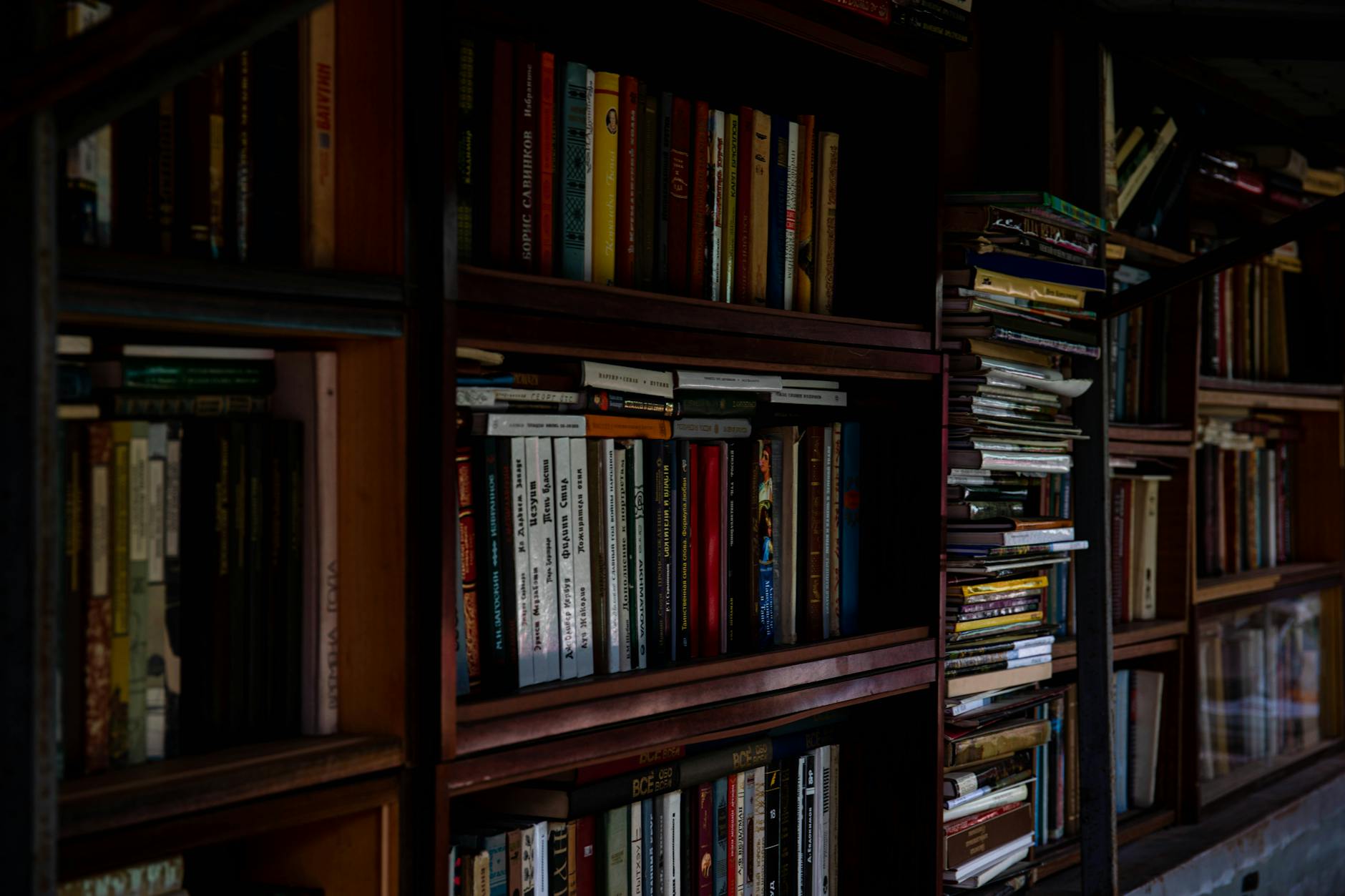
The format is expanding internationally. Tokyo’s Tsutaya Books hosted its first fashion presentation this fall, while the Bibliothèque François Mitterrand in Paris announced a spring fashion series featuring French emerging designers. These venues attract younger audiences who view fashion through social justice and accessibility lenses rather than pure luxury consumption.
Library administrators report increased membership and program attendance following fashion events. The cross-pollination between fashion and literary communities creates new audiences for both industries. Fashion students frequent libraries more often for inspiration, while book clubs increasingly discuss fashion’s cultural significance.
Technology integration promises even more innovative presentations. Some libraries now offer virtual reality fashion experiences alongside traditional runway shows, allowing global audiences to attend while maintaining the intimate community atmosphere. QR codes placed throughout libraries link to designer profiles and collection information, extending the fashion experience beyond the show itself.
The library fashion movement reflects broader cultural shifts toward authentic, meaningful experiences over manufactured exclusivity. As public institutions seek new revenue streams and community engagement strategies, fashion offers an unexpected but powerful partnership. These collaborations demonstrate fashion’s potential to democratize style while celebrating the enduring value of public knowledge spaces.
Frequently Asked Questions
Why are fashion shows moving to public libraries?
Libraries offer accessible venues that break down fashion’s exclusivity barriers while providing unique architectural backdrops and community engagement opportunities.
How do library fashion shows work practically?
Libraries remain operational during shows, with visitors browsing while models present collections, creating organic interactions and authentic social media moments.