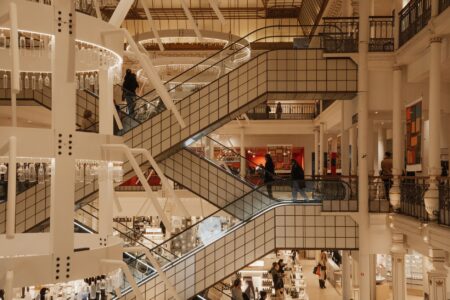




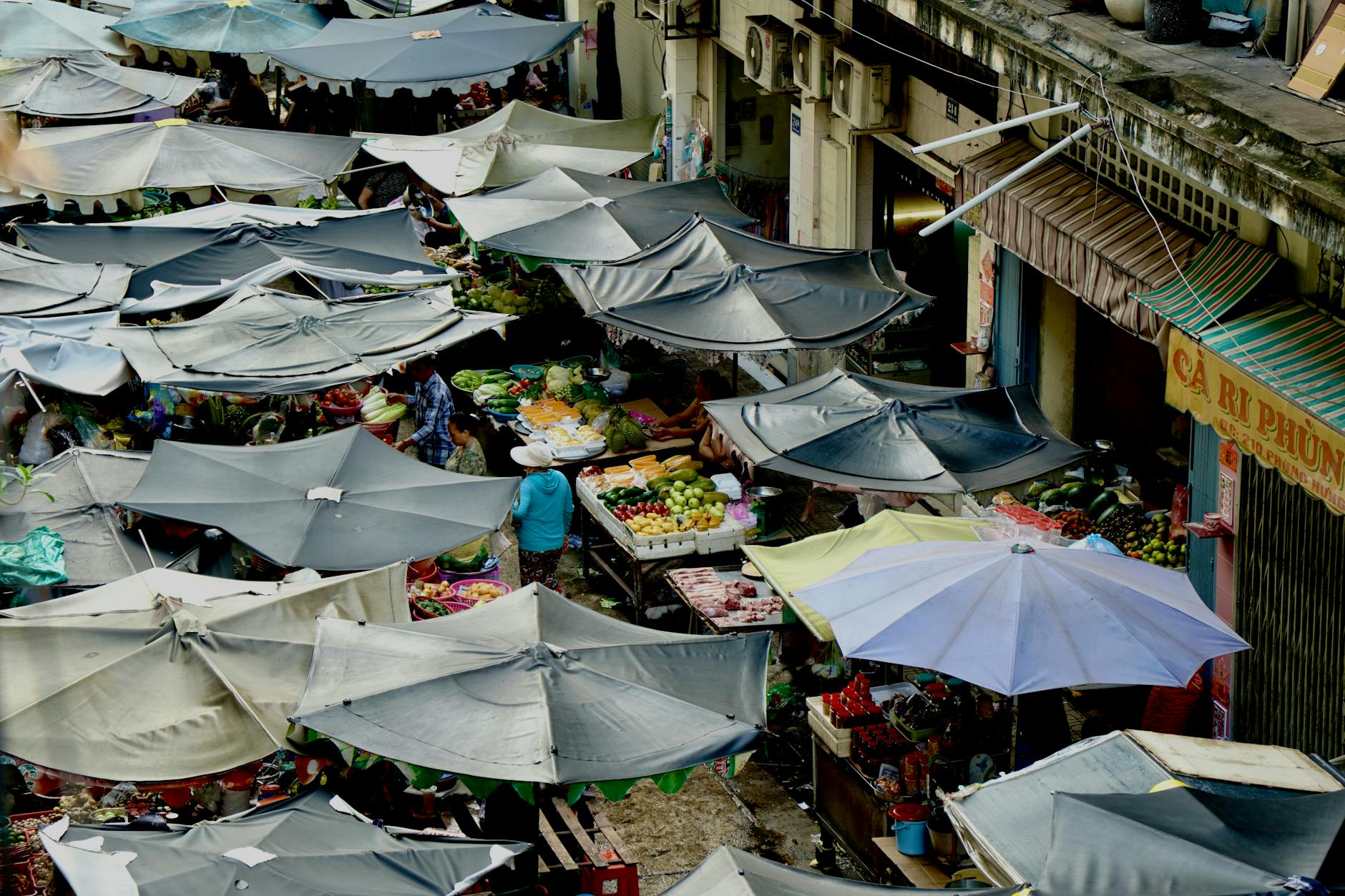
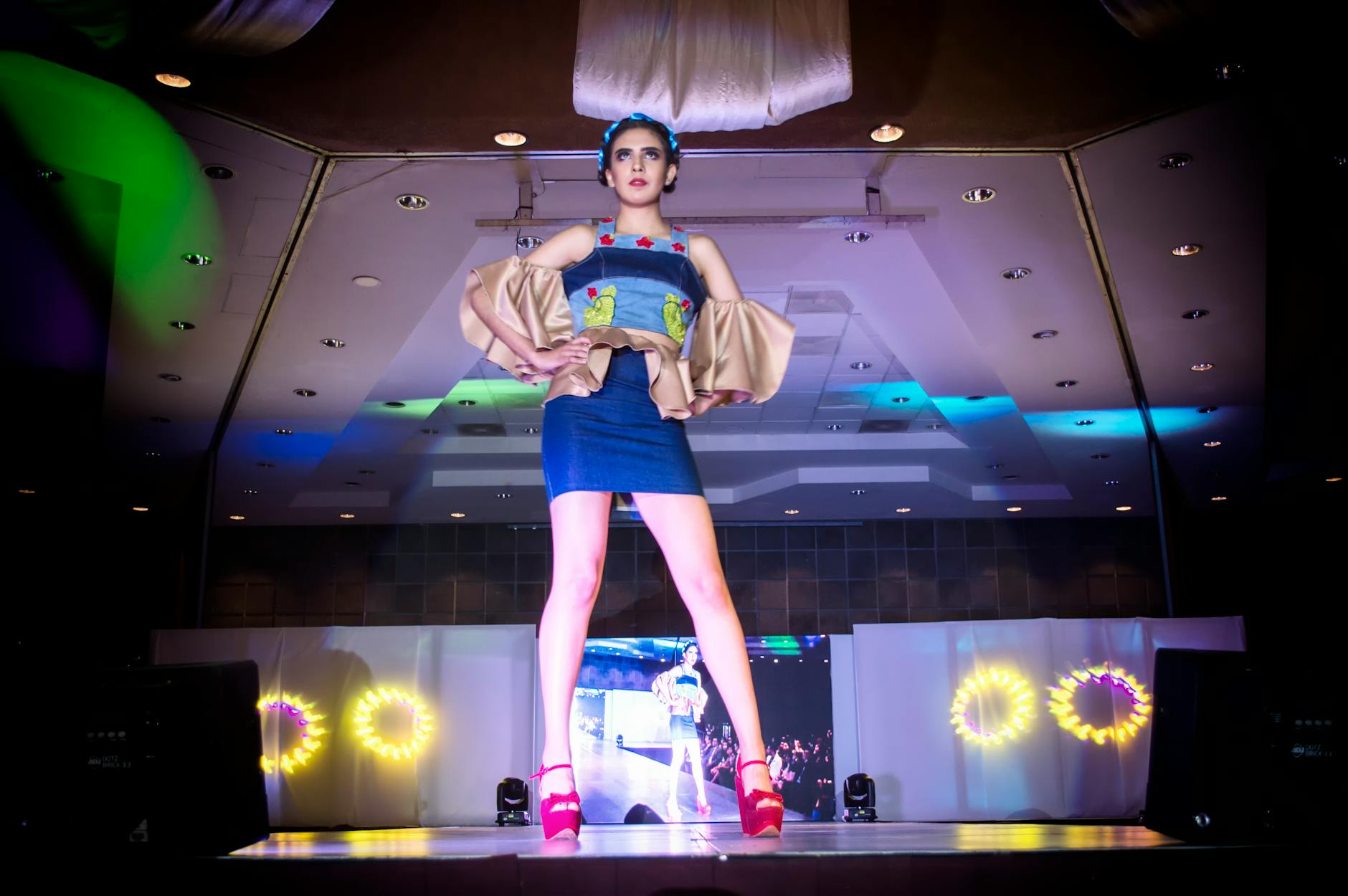
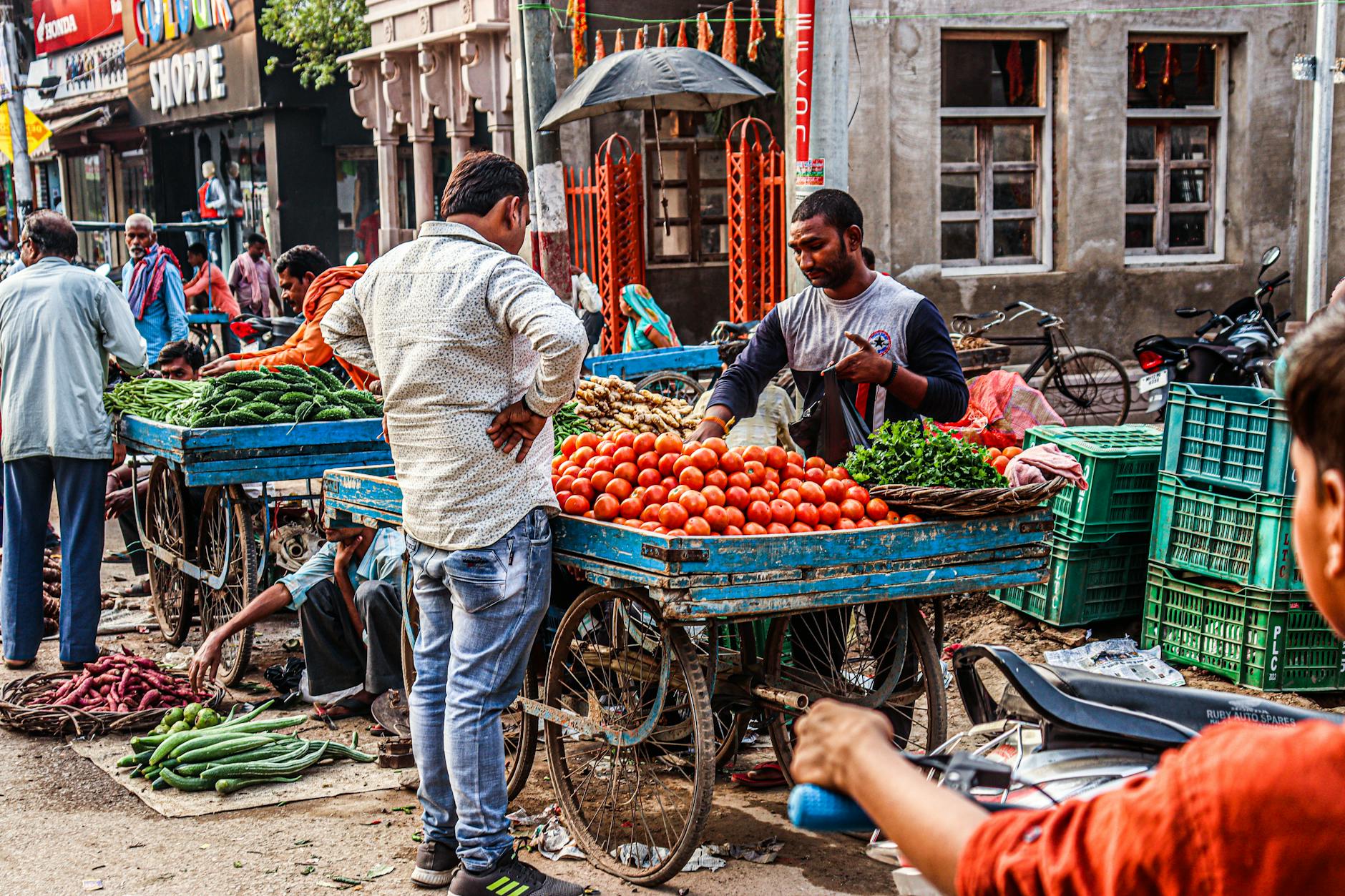
Raw fish vendors weighing squid beside strutting models in couture gowns. Bread sellers hawking focaccia while photographers capture avant-garde silhouettes against produce stalls. Milan Fashion Week’s most talked-about venues aren’t luxury hotels or historic palazzos-they’re the city’s bustling food markets, where designers are staging shows amid the chaos of daily commerce.
This unconventional venue choice reflects fashion’s growing hunger for authenticity and real-world connection. After years of sterile showrooms and exclusive venues, designers are embracing the sensory overload of active marketplaces, where the aroma of fresh basil competes with expensive perfume and the clatter of shopping carts provides an unexpected soundtrack to fashion presentations.
Breaking Down Fashion’s Ivory Tower
The shift toward active food markets represents a radical departure from fashion’s traditionally exclusive nature. Designers like Jacquemus and Bottega Veneta have pioneered this approach, staging collections in working markets where regular shoppers become unwitting audience members and vendors continue their daily routines.
“Fashion exists in the real world, not in a vacuum,” explains Milanese fashion consultant Elena Rossi. “When you place a collection in an active market, you see how the clothes interact with real life, real people, real smells, real sounds. It strips away the pretense.”
The logistical challenges are immense. Security teams must work around morning deliveries of produce. Sound systems compete with vendors shouting prices. Models navigate between cheese wheels and hanging salamis. Yet this chaos creates an energy impossible to replicate in traditional venues.
Several Milan-based designers have embraced this trend, recognizing that modern consumers crave authenticity over aspiration. The contrast between high fashion and everyday commerce creates powerful visual narratives that resonate on social media, where behind-the-scenes market footage often generates more engagement than polished runway shots.
The Economics of Alternative Venues
Food markets offer practical advantages beyond aesthetic appeal. Traditional Milan Fashion Week venues command premium rates during show season, with historic locations charging upwards of 50,000 euros for a single presentation. Active markets, by contrast, require minimal setup costs and often welcome the additional foot traffic fashion shows generate.
Market vendors frequently report increased sales on show days, as fashion industry attendees discover local specialties and international press sample regional products. The Mercato di Porta Palazzo has become particularly popular, with its mix of Italian vendors and immigrant-run stalls providing rich cultural texture that resonates with fashion’s increasing focus on diversity and inclusion.
This symbiotic relationship benefits both industries. Fashion gains authenticity and cost savings while markets receive global exposure and economic boosts. Several Milan markets now actively court fashion designers, offering special accommodation for shows and presentations.
The trend aligns with broader shifts in luxury marketing, where brands increasingly seek to demonstrate social responsibility and community connection. By supporting local food vendors and highlighting traditional markets, fashion shows can claim cultural and economic impact beyond mere spectacle.
Creative and Cultural Impact
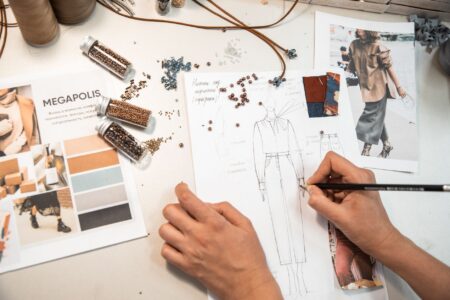
Working food markets provide designers with rich creative inspiration impossible to find in sterile showrooms. The textures, colors, and organized chaos of produce displays influence color palettes and textile choices. Several designers have incorporated market-inspired elements into their collections, from vegetable-dyed fabrics to packaging materials repurposed as accessories.
The cultural exchange works both directions. Market vendors become inadvertent style influencers, their worn aprons and practical workwear photographed alongside haute couture. This documentation of authentic working fashion has spawned its own aesthetic movement, celebrating utilitarian beauty and honest craftsmanship.
Photography in active markets presents unique challenges and opportunities. Natural lighting varies throughout the day. Background elements change constantly. Models must adapt to uneven surfaces and unexpected obstacles. Yet these variables create dynamic, unrepeatable moments that traditional venues cannot provide.
Social media has amplified this trend’s impact. Market shows generate organic content as vendors, shoppers, and passersby become part of the narrative. Unlike controlled runway presentations, market shows feel inclusive and accessible, aligning with fashion’s efforts to broaden its appeal beyond traditional elite audiences.
The approach also connects to fashion’s growing interest in staging collections inside active farmers markets, part of a broader movement toward authentic, community-integrated fashion presentations.
Challenges and Adaptations
Despite creative benefits, market venues present significant logistical hurdles. Weather conditions can disrupt outdoor presentations. Vendor schedules don’t always align with fashion show timing. Insurance requirements become complex when mixing commercial food operations with fashion events.
Sound management proves particularly challenging. Market shows often abandon traditional runway music in favor of ambient market sounds or minimalist acoustic accompaniment. Some designers embrace this limitation, creating collections specifically designed for quiet presentation amid natural urban soundscapes.
Safety concerns require careful coordination. Models navigate wet floors, uneven surfaces, and busy foot traffic. Security teams must balance crowd control with maintaining the market’s authentic atmosphere. Several incidents have led to revised safety protocols without compromising the venues’ authentic character.
Language barriers can complicate international fashion week presentations. Market vendors primarily speak Italian or their native languages, while fashion audiences are increasingly international. This communication gap has led to creative solutions, including multilingual market guides and vendor-fashion industry exchange programs.
Future of Fashion Venue Innovation
Milan’s market experiment has inspired similar approaches worldwide, with designers in Paris, New York, and Tokyo exploring active commercial venues for fashion presentations. The trend suggests fashion’s future lies not in increasingly exclusive venues but in deeper community integration.
Several Milan markets are now developing fashion-friendly infrastructure, installing temporary lighting systems and designated presentation areas while maintaining their commercial operations. This evolution suggests that unconventional venues will become increasingly professional and accessible.
The success of market shows has encouraged exploration of other active commercial spaces, from active shopping malls to working factories. Fashion’s venue evolution reflects broader cultural shifts toward authenticity, sustainability, and community connection.
As fashion continues to grapple with accessibility and relevance, active food markets represent more than venue innovation-they symbolize the industry’s commitment to real-world engagement. The combination of high fashion and everyday commerce creates powerful narratives about luxury’s place in contemporary life, suggesting that fashion’s future success depends on its ability to meaningfully connect with the communities it serves.
Frequently Asked Questions
Why are fashion designers choosing active food markets for shows?
Designers want authentic environments that connect fashion with real life and reduce venue costs while supporting local communities.
How do fashion shows work in active markets?
Shows adapt to market schedules and conditions, with models presenting collections while vendors continue normal operations.