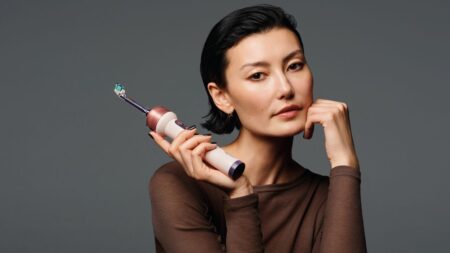




Hollywood’s beauty standards are shifting dramatically, and the traditional monthly facial is becoming as outdated as flip phones. Korean glass skin treatments have captured the attention of A-list celebrities and their dermatologists, promising the luminous, poreless complexion that Korean beauty culture perfected decades ago.
The glass skin phenomenon, characterized by ultra-smooth, reflective skin that appears almost translucent, has moved from Seoul’s beauty clinics to Beverly Hills’ most exclusive spas. Unlike conventional facials that focus on immediate but temporary results, glass skin treatments target long-term skin transformation through a combination of advanced technology and methodical skincare protocols.
Celebrity aestheticians report a 300% increase in requests for Korean-inspired treatments over the past two years. The appeal extends beyond surface-level improvements – these treatments promise the kind of flawless complexion that reduces makeup dependency and creates a natural glow that photographs beautifully under harsh studio lighting.
The Science Behind Glass Skin Technology
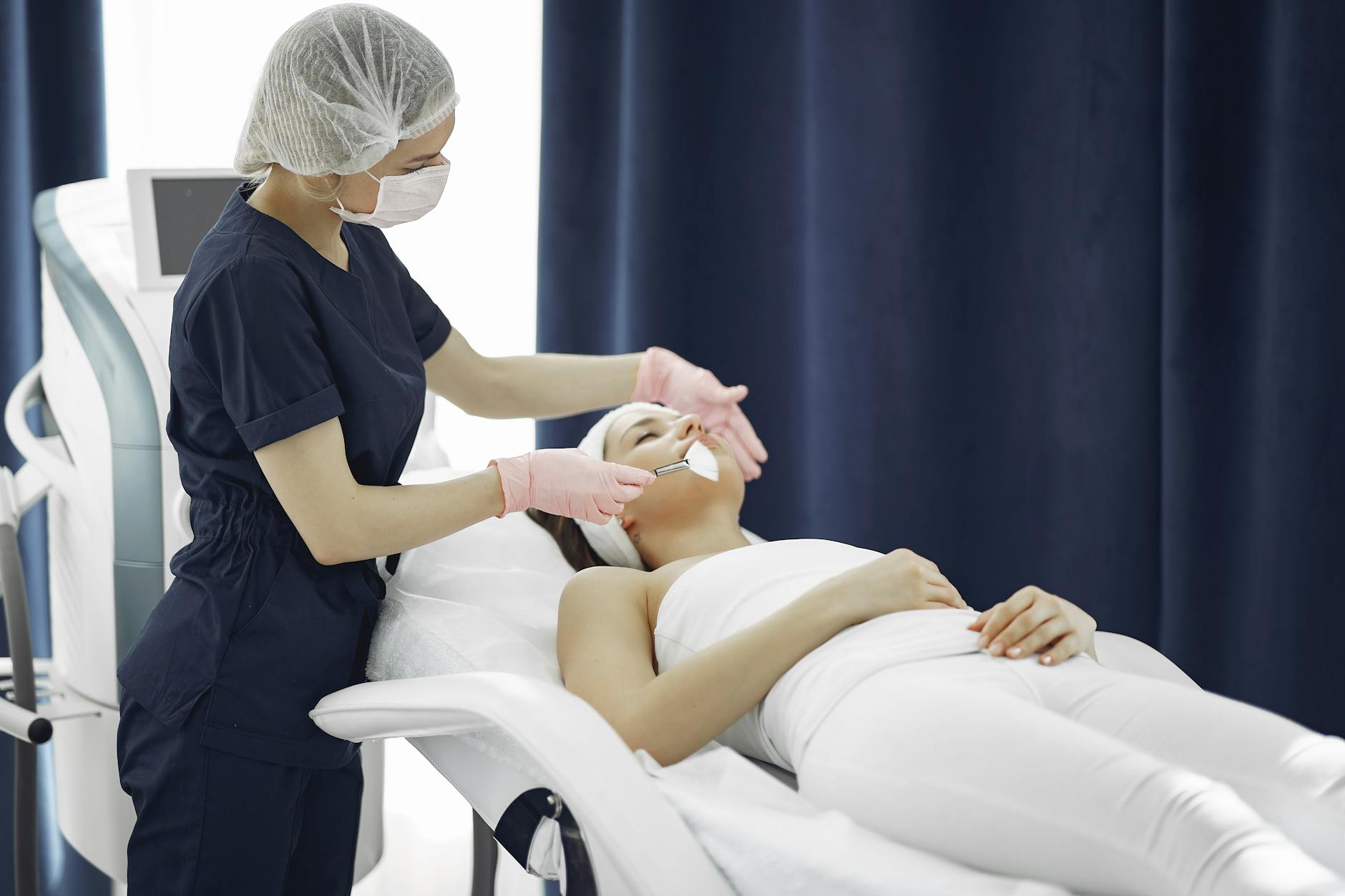
Korean glass skin treatments combine multiple advanced techniques in single sessions, creating comprehensive skin renewal that traditional facials cannot match. The process typically begins with double cleansing using oil-based and water-based cleansers to remove every trace of makeup, pollution, and dead skin cells.
Microneedling with radiofrequency energy follows, creating controlled micro-injuries that stimulate collagen production while simultaneously delivering heat to deeper skin layers. This combination triggers the skin’s natural healing response, resulting in tighter, smoother texture over time.
Chemical peels using gentle acids like lactic and mandelic acid remove damaged surface layers without the harsh irritation associated with stronger treatments. The Korean approach emphasizes gradual improvement through consistent, moderate intervention rather than aggressive single treatments.
Hydration infusion represents the treatment’s final phase, where hyaluronic acid, peptides, and growth factors are delivered deep into the skin using ultrasound or iontophoresis technology. This step creates the characteristic plump, dewy finish that defines glass skin.
The entire process takes approximately 90 minutes, compared to traditional facials that rarely exceed 60 minutes. However, practitioners emphasize that glass skin requires a series of treatments spaced two to three weeks apart for optimal results.
Why Hollywood Is Making the Switch
Celebrity makeup artists have become unexpected advocates for glass skin treatments, reporting that perfectly prepped skin reduces their workload significantly. When skin already possesses natural luminosity and smoothness, foundation application becomes easier and the final result appears more natural on camera.
Several high-profile actresses have publicly credited glass skin treatments for their red-carpet appearances, though they rarely specify which exact procedures they’ve undergone. The treatments’ popularity has spread through Hollywood’s tight-knit beauty community, where recommendations from trusted aestheticians carry significant weight.
The timing proves crucial for an industry increasingly focused on natural beauty and wellness. As celebrity makeup artists embrace probiotic skincare for red carpets, the demand for treatments that enhance rather than mask natural skin has intensified.
Glass skin treatments also align with the current trend toward preventative skincare rather than corrective procedures. Young celebrities in their twenties and thirties are choosing these treatments to maintain their skin’s natural beauty rather than waiting for problems to develop.
The treatment’s compatibility with other wellness trends has accelerated adoption. Many practitioners now offer glass skin sessions alongside lymphatic massage, LED therapy, and even meditation components, creating comprehensive beauty experiences that appeal to health-conscious celebrities.
The Korean Beauty Philosophy Revolution
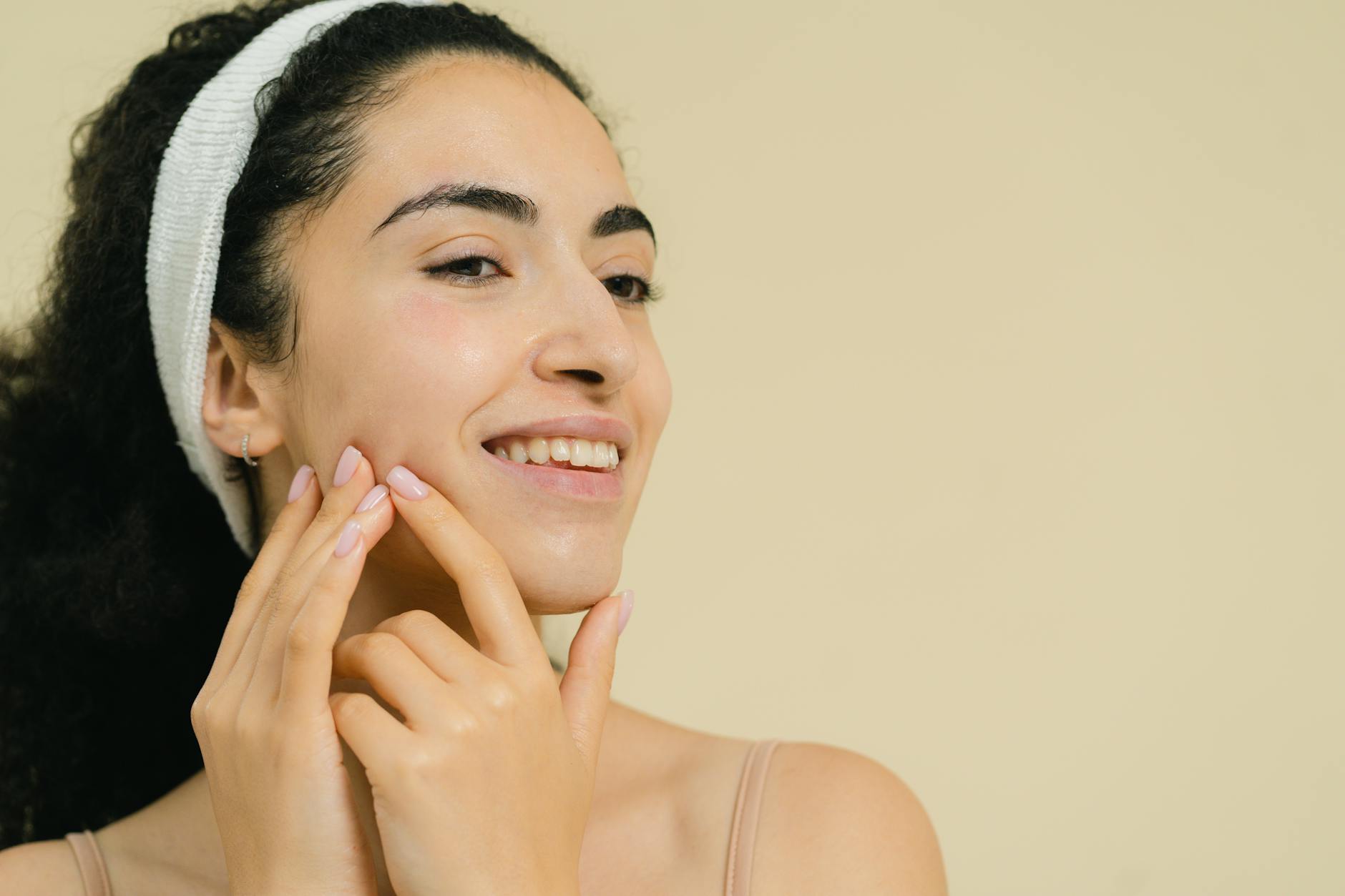
Korean skincare philosophy emphasizes patience, consistency, and gentle efficacy over quick fixes and harsh interventions. This approach resonates with celebrities who understand that their skin represents a long-term investment in their careers.
The multi-step nature of glass skin treatments reflects Korea’s famous multi-step skincare routines, but condensed into professional sessions that deliver accelerated results. Each component serves a specific purpose, from barrier repair to cellular renewal, creating comprehensive skin improvement.
Korean beauty culture’s focus on prevention rather than correction has influenced how Hollywood approaches skincare aging. Instead of waiting for wrinkles or sun damage to appear, celebrities are investing in treatments that maintain their skin’s youthful characteristics.
The emphasis on natural ingredients combined with advanced technology appeals to celebrities who want effective results without synthetic chemicals. Many glass skin treatments incorporate traditional Korean ingredients like ginseng, green tea, and fermented rice water alongside cutting-edge delivery systems.
This philosophy extends beyond individual treatments to encompass lifestyle factors that support skin health. Korean beauty practitioners often provide comprehensive guidance on diet, sleep, stress management, and daily skincare routines that maintain treatment results.
Cost and Accessibility Considerations
Glass skin treatments typically cost between $300 and $800 per session, positioning them at the premium end of professional skincare services. However, many practitioners offer package deals that reduce per-session costs for clients committed to the recommended treatment series.
The initial investment often proves cost-effective when compared to the cumulative expense of regular facials plus corrective treatments. Glass skin’s comprehensive approach can address multiple skin concerns simultaneously, potentially eliminating the need for separate treatments for acne, aging, and hyperpigmentation.
Accessibility has improved as more aestheticians train in Korean techniques and incorporate glass skin elements into their practices. While pure Korean glass skin treatments remain limited to specialized clinics, modified versions are becoming available at mainstream medical spas across major cities.
The treatment’s popularity has sparked innovation among skincare device manufacturers, who are developing at-home tools that replicate certain aspects of professional glass skin treatments. While these cannot match professional results, they make the Korean skincare philosophy more accessible to broader audiences.
Insurance coverage remains limited, as glass skin treatments are considered cosmetic rather than medical procedures. However, some practitioners offer financing options or membership programs that make the treatments more affordable for regular clients.

The glass skin revolution represents more than a beauty trend – it signals Hollywood’s embrace of Korean beauty philosophy and long-term skin investment strategies. As more celebrities experience the transformative effects of these comprehensive treatments, traditional facials may indeed become relics of a simpler skincare era.
The integration of advanced technology with gentle, natural ingredients creates a treatment category that addresses modern skin challenges while honoring time-tested beauty principles. As Korean glass skin treatments continue evolving and becoming more accessible, they’re likely to reshape professional skincare standards far beyond Hollywood’s exclusive circles.
Frequently Asked Questions
How much do Korean glass skin treatments cost?
Glass skin treatments typically range from $300 to $800 per session, with package deals available for multiple treatments.
How long do glass skin treatment results last?
Results can last 4-6 weeks, but optimal outcomes require a series of treatments spaced 2-3 weeks apart for long-term skin transformation.