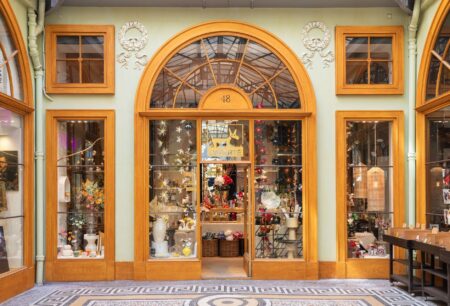





The clatter of wheels on tracks has given way to the click of stilettos on marble platforms. Fashion weeks across the globe are abandoning traditional venues for the grandeur of historic train stations, transforming these architectural marvels into temporary temples of haute couture. From Grand Central Terminal’s celestial ceiling to London’s St. Pancras International’s Victorian iron arches, designers are discovering that nothing quite matches the drama of a century-old transportation hub.
The trend accelerated dramatically in 2023 when several major fashion houses realized that conventional hotel ballrooms and purpose-built venues couldn’t deliver the authentic gravitas these historic spaces naturally provide. The soaring ceilings, intricate stonework, and nostalgic atmosphere create an unmatched backdrop that elevates both the clothes and the overall experience.
The Architecture of Drama
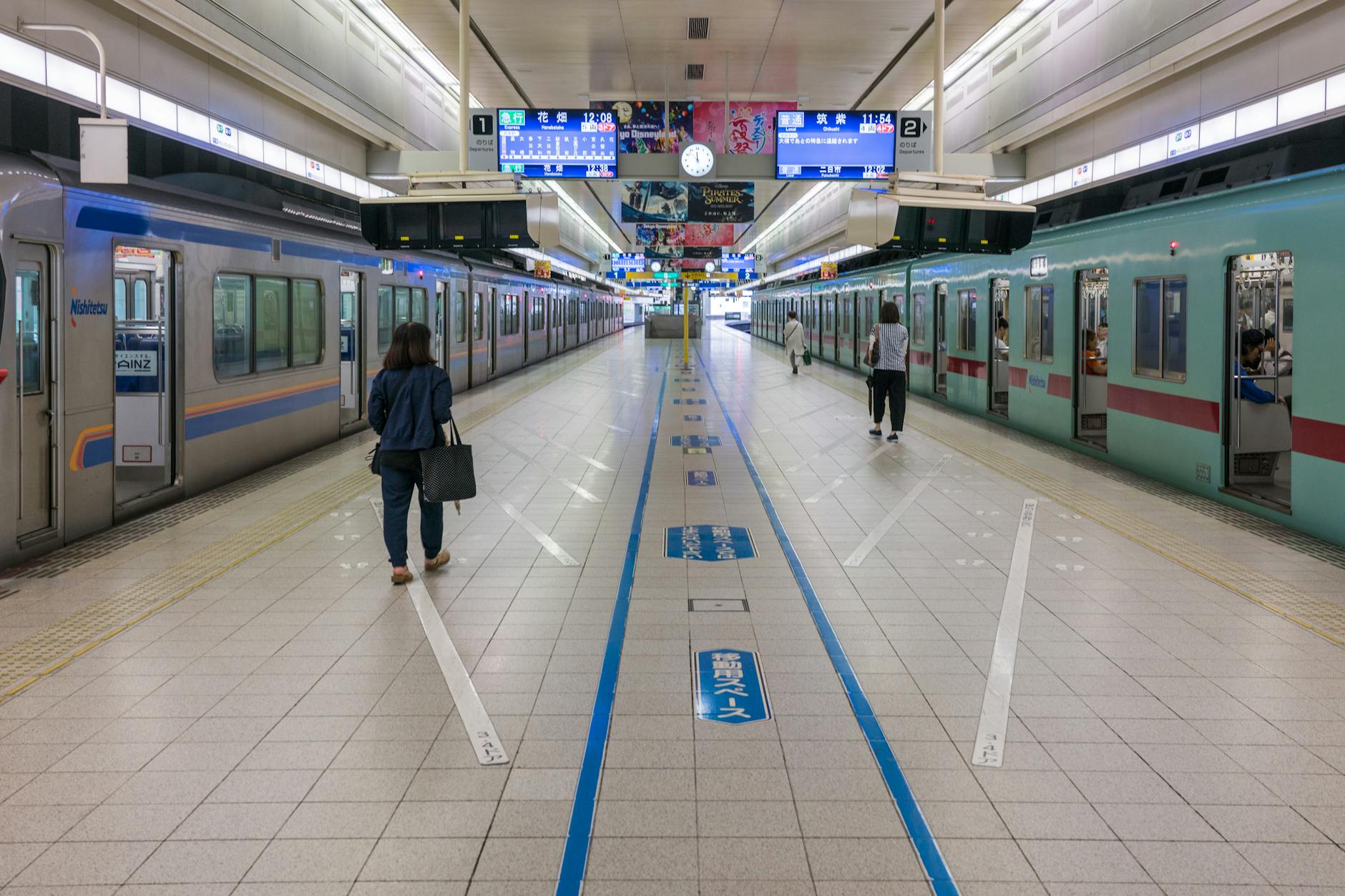
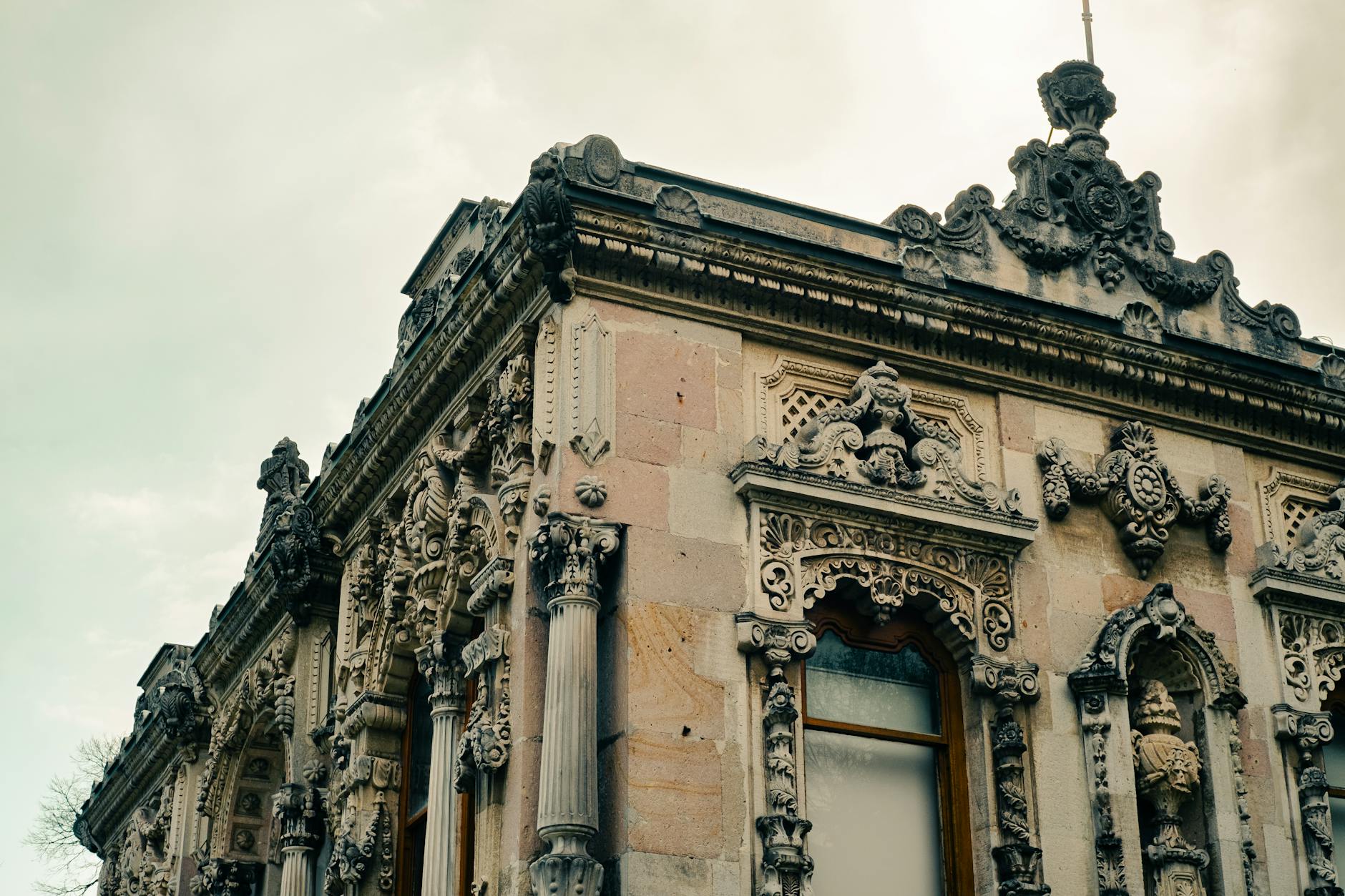
Historic train stations offer something modern venues simply cannot replicate: authentic grandeur born from necessity and artistry. These spaces were designed to inspire awe in travelers embarking on journeys across continents, making them perfect theatrical settings for fashion presentations.
Milan’s Centrale Station, with its Art Deco facades and monumental proportions, hosted Versace’s spring collection in a show that felt more like a cinematic experience than a traditional runway presentation. The natural acoustics amplified every step, every swish of fabric, creating an immersive soundscape that complemented the visual spectacle.
The logistical advantages are equally compelling. Many historic stations feature long, unobstructed corridors perfect for extended runways, while their multiple levels provide natural VIP viewing areas. The existing infrastructure – from electrical systems to crowd control features – reduces setup complexity and costs significantly.
Paris’s Gare du Nord demonstrated this perfectly during Fashion Week when Chanel transformed the departure hall into an intimate salon-style presentation. The station’s existing lighting fixtures, originally designed to illuminate travelers’ faces, created the perfect mood lighting for showcasing intricate beadwork and delicate fabrics.
Sustainability Meets Spectacle
The environmental benefits drive much of this venue shift. Rather than constructing temporary structures or heavily modifying existing spaces, designers are working with the natural features of these architectural treasures. This approach aligns with fashion’s growing commitment to sustainable practices.
The rooftop garden shows gaining popularity in London share this eco-conscious philosophy, but train stations offer year-round viability regardless of weather conditions.
Historic stations also eliminate the need for elaborate set construction. The inherent drama of vaulted ceilings, ornate tile work, and massive windows provides ready-made theatrical elements that would cost hundreds of thousands of dollars to recreate artificially.
Union Station in Los Angeles proved this point when Rodarte staged their fall presentation in the main waiting room. The Spanish Colonial Revival architecture served as both backdrop and inspiration for the collection, creating a cohesive narrative that enhanced rather than competed with the designs.
Cultural Resonance and Storytelling
Train stations carry profound cultural significance as symbols of journey, transformation, and connection – themes that resonate deeply with fashion’s narrative potential. These venues allow designers to tap into collective memories and emotions associated with travel, departure, and arrival.
New York’s Grand Central Terminal exemplifies this storytelling power. When emerging designer Christopher John Rogers presented his collection beneath the famous information booth, the space’s history of reunions and farewells added emotional weight to clothes designed for life’s important moments.
The international nature of major train stations also reflects fashion’s global reach. These spaces have welcomed travelers from around the world for decades, making them symbolically appropriate venues for collections intended for international markets.
European designers particularly embrace this cultural layering. Rome’s Termini Station, with its blend of classical and modernist architecture, provided the perfect setting for Fendi to showcase how contemporary design can honor historical craftsmanship while pushing boundaries.
The Economics of Grandeur
Beyond aesthetics and symbolism, practical economics drive this trend. Many historic train stations face ongoing maintenance challenges and welcome the revenue from fashion events. These partnerships create win-win scenarios where fashion houses access extraordinary venues while contributing to preservation efforts.
Station authorities increasingly view fashion events as premium opportunities to showcase their spaces to influential international audiences. The media coverage and social media buzz generated by these shows often exceeds traditional tourism marketing efforts.
The venue fees, while substantial, often prove more cost-effective than building comparable temporary structures. When Saint Laurent staged their presentation in Brussels’ Central Station, the savings on construction and design allowed for enhanced production values in other areas.
These economic relationships are fostering long-term partnerships. Several fashion weeks now maintain ongoing agreements with station authorities, creating consistency and allowing for more ambitious productions as familiarity with the spaces grows.
Challenges and Adaptations
Working within historic constraints requires significant adaptation. Sound systems must work around architectural acoustics, lighting must complement existing fixtures without damaging historic elements, and crowd flow must respect both safety requirements and preservation guidelines.
The most successful shows embrace these limitations as creative challenges rather than obstacles. When Jacquemus presented in Marseille’s Saint-Charles Station, the team used the natural echo to enhance the audio experience rather than fighting against it.
Security considerations add complexity, as these venues typically maintain active operations even during fashion events. Coordination between fashion teams, station security, and local authorities requires months of advanced planning.
Weather protection becomes crucial in stations with large open areas or glass roofs. Backup plans for everything from sudden rain to extreme temperatures ensure shows can proceed regardless of conditions.
The future of fashion presentations increasingly points toward these authentic, historically rich venues that offer both practical advantages and irreplaceable atmosphere. As traditional fashion weeks evolve and designers experiment with unconventional spaces, historic train stations represent the perfect balance of accessibility, grandeur, and cultural significance. The tracks may no longer carry passengers to distant destinations, but they’re launching fashion into an exciting new era of venue innovation.
Frequently Asked Questions
Why are fashion designers choosing train stations for runway shows?
Train stations offer authentic architectural grandeur, excellent acoustics, existing infrastructure, and cultural significance that enhances the fashion presentation experience.
What are the benefits of using historic venues for fashion shows?
Historic train stations provide cost savings, sustainability benefits, dramatic backdrops, and eliminate the need for elaborate temporary construction while supporting preservation efforts.