




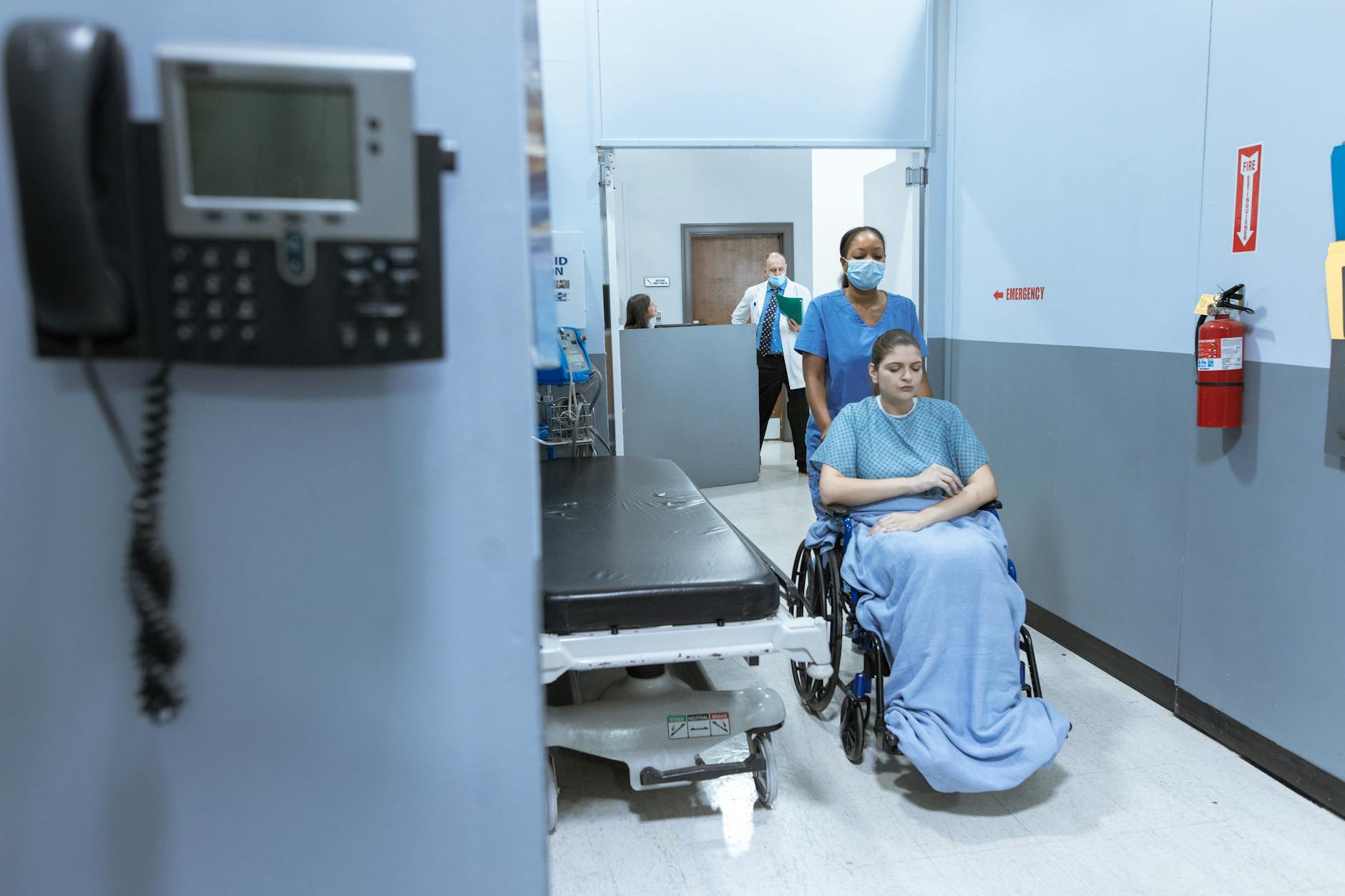
The sharp scent of antiseptic mingles with the rustle of silk as models navigate around gurneys and medical equipment. This isn’t a fever dream – it’s the latest frontier in avant-garde fashion presentation, where designers are staging runway shows in active hospital emergency rooms across Europe and North America.
What started as whispered rumors in fashion circles has exploded into a documented trend, with at least six major designers confirming emergency room collaborations since September. The movement represents fashion’s most audacious attempt yet to break free from traditional runway constraints, following similar boundary-pushing moves like Tokyo Fashion Week’s underground subway platform shows and airport terminal presentations.
The Medical-Fashion Alliance Takes Shape
The trend reportedly began when London-based designer Simone Crawford partnered with St. Bartholomew’s Hospital for her spring collection debut. Crawford’s team worked closely with hospital administration to identify 45-minute windows during shift changes when emergency room activity typically slowed.
“We’re not disrupting patient care,” Crawford emphasized in recent interviews. “We’re highlighting the beauty of spaces designed for healing while showcasing garments that celebrate human resilience.”
The logistics prove more complex than traditional venue bookings. Designers must coordinate with hospital ethics boards, security teams, and medical staff. Models receive basic medical facility orientation, including hand sanitization protocols and patient privacy guidelines. Collections feature easily removable pieces to accommodate rapid venue clearing if emergencies arise.
Belgian designer Marc Delacroix followed with a presentation at Brussels University Hospital, featuring models walking between treatment bays while actual medical staff continued their rounds. His collection incorporated medical textile innovations, including antimicrobial fabrics originally developed for hospital scrubs.
Controversy and Creative Justification
Medical professionals have voiced mixed reactions to the trend. The British Medical Association issued a statement questioning whether emergency rooms provide appropriate settings for commercial fashion events, citing patient dignity concerns and potential disruptions to critical care environments.
Dr. Sarah Mitchell, emergency medicine physician at London’s Royal Free Hospital, told fashion media: “Emergency rooms are sanctuaries for people in their most vulnerable moments. The idea of turning these spaces into entertainment venues feels fundamentally misguided.”
However, participating hospitals defend their collaborations, citing educational and fundraising benefits. St. Bartholomew’s Hospital raised over 40,000 pounds through Crawford’s show ticket sales, funds directed toward new emergency equipment purchases. Hospital administrators report increased public engagement with healthcare initiatives following fashion partnerships.

Designers argue that emergency room settings provide unparalleled authenticity for collections exploring themes of fragility, healing, and human endurance. Crawford’s spring line featured flowing fabrics in hospital green and ivory, with garments designed to layer like medical gowns. Delacroix incorporated actual medical equipment imagery into textile prints, creating wearable art that referenced stethoscopes, EKG readouts, and anatomical illustrations.
Technical Challenges and Safety Protocols
Staging fashion shows in active medical facilities requires unprecedented coordination between creative and healthcare teams. Designers must navigate strict infection control requirements, patient privacy regulations, and emergency response protocols.
Lighting presents particular challenges, as emergency rooms maintain specific illumination standards for medical procedures. Fashion teams work with hospital engineering departments to install temporary lighting rigs that enhance garment visibility without compromising medical functionality. Sound systems require careful calibration to avoid interfering with hospital communication systems and patient monitoring equipment.
Models undergo specialized training before emergency room presentations. Required preparation includes bloodborne pathogen awareness, patient confidentiality briefings, and emergency evacuation procedures. Several participating models report the experience as transformative, describing heightened awareness of fashion’s relationship to human vulnerability and resilience.
Garment selection also requires medical facility considerations. Designers avoid accessories or embellishments that could pose contamination risks or interfere with emergency equipment. Collections emphasize fluid, adaptable pieces that models can quickly adjust or remove if medical situations require immediate venue clearing.
Industry Impact and Future Directions
Fashion critics remain divided on emergency room runway shows’ artistic merit versus sensationalism concerns. Some praise the movement’s boldness in challenging conventional presentation formats and exploring fashion’s relationship with mortality and healing. Others question whether the trend exploits medical settings for shock value without meaningful artistic purpose.
The business implications extend beyond individual designer presentations. Fashion weeks in Milan, Paris, and New York reportedly receive regular inquiries about incorporating medical facility venues into official schedules. However, most major fashion week organizers maintain traditional venue requirements, citing liability and logistical complications.
Luxury brands watch the trend with particular interest, as emergency room collaborations generate significant social media engagement and press coverage. However, most major fashion houses express reluctance to associate their brands with medical settings, citing potential conflicts with brand positioning and marketing strategies.
The movement’s future depends largely on continued hospital partnerships and regulatory acceptance. Several medical associations across Europe are developing guidelines for fashion industry collaborations, attempting to balance creative expression with patient care priorities and medical facility sanctity.
As fashion continues pushing presentation boundaries, emergency room runways represent the industry’s most provocative exploration yet of unconventional spaces. Whether this trend evolves into lasting presentation innovation or fades as temporary shock tactics remains uncertain. What’s clear is fashion’s relentless drive to surprise, challenge, and redefine the very spaces where art meets audience – even when those spaces exist to save lives.
Frequently Asked Questions
Are fashion shows in emergency rooms safe for patients?
Designers coordinate with hospitals during low-activity periods and follow strict safety protocols, though medical professionals remain divided on appropriateness.
Why are designers choosing hospital settings for fashion shows?
Designers cite the authentic atmosphere for collections exploring themes of healing, vulnerability, and human resilience while generating significant media attention.