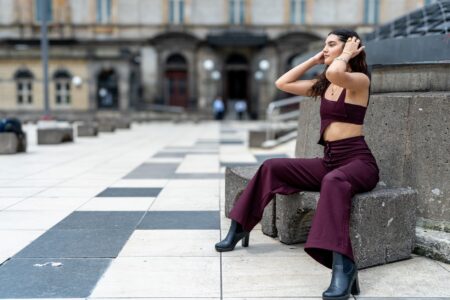
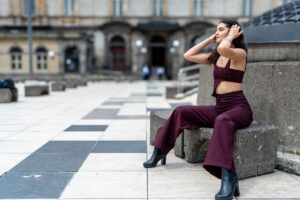




Marc Jacobs models walked between Picasso paintings at the Whitney Museum last month, their flowing silhouettes casting shadows across centuries-old masterpieces. At the Museum of Contemporary Art in Los Angeles, Thom Browne’s latest collection unfolded among active installations, with visitors weaving between gallery-goers and seated fashion editors. The fashion world has discovered a compelling new stage: active art museums where culture and couture collide in real time.
This movement represents more than venue innovation. Fashion houses are abandoning traditional runway spaces for locations where art continues its primary function, creating an unprecedented dialogue between disciplines. The result transforms both the viewing experience and the clothes themselves, as garments become temporary art pieces within curated spaces.
The Museum as Living Canvas
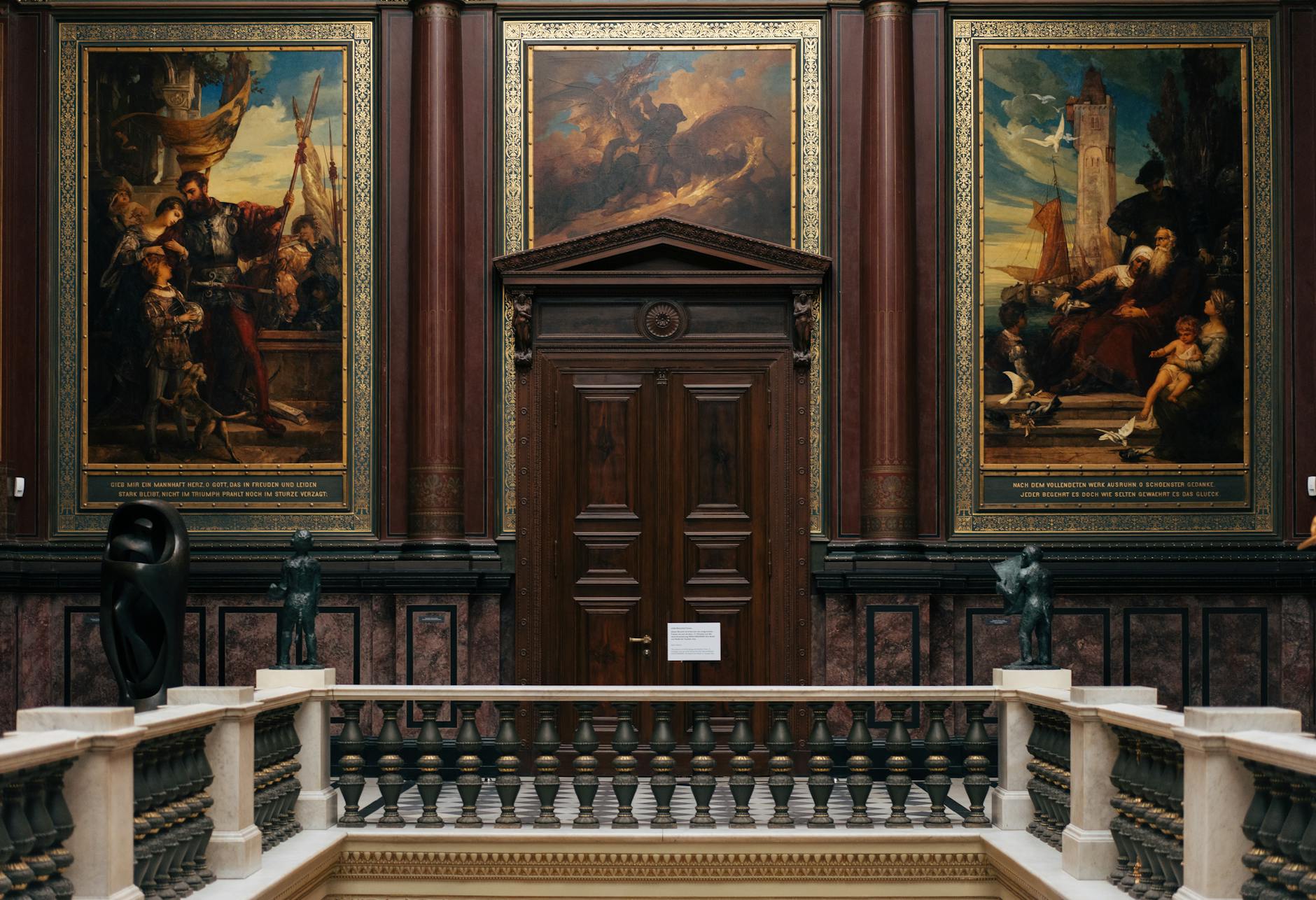
Active art museums offer fashion designers something traditional venues cannot: context that elevates clothing beyond mere product display. When Gabriela Hearst presented her sustainable collection at the Brooklyn Museum, models moved past ancient Egyptian artifacts and contemporary installations simultaneously. Gallery visitors continued their planned visits, creating an organic audience that shifted between appreciating permanent collections and experiencing live fashion.
“Museums provide narrative depth that empty warehouses or hotel ballrooms simply lack,” explains fashion critic Sarah Mower. “When clothes interact with existing art, they become part of a larger cultural conversation.”
The logistics prove complex but worthwhile. Museums must coordinate with their regular programming, security protocols, and visitor flow. Fashion teams adapt lighting designs to work within gallery constraints, often discovering that museum lighting enhances garments in unexpected ways. The controlled environment protects delicate fabrics while providing optimal viewing conditions.
Recent examples demonstrate the trend’s growing sophistication. Valentino’s creative directors staged portions of their latest collection at the Palazzo Altemps in Rome, where models moved between Roman sculptures and Renaissance frescoes. The juxtaposition highlighted the collection’s classical influences while creating striking visual contrasts between contemporary cuts and ancient forms.
Democratizing Fashion Week
Museum shows break down fashion week’s exclusivity barriers. Regular museum visitors become accidental fashion week attendees, experiencing runway presentations without invitation-only restrictions. This accessibility aligns with fashion’s broader push toward inclusivity and public engagement.
The demographic mix enriches the experience for traditional fashion audiences. Instead of the usual industry crowd, shows attract art lovers, students, families, and tourists who bring fresh perspectives to fashion presentation. Their authentic reactions often provide more valuable feedback than seasoned fashion professionals who’ve seen countless shows.
Museums benefit equally from these partnerships. Fashion presentations draw younger demographics and generate significant social media attention. The Metropolitan Museum of Art’s collaboration with various fashion houses has proven that fashion events can drive membership and increase general visitation long after the shows conclude.
Security and crowd control require careful planning. Museums implement timed entry systems, designated viewing areas, and enhanced staffing during fashion presentations. Some institutions create separate ticketed events while others integrate shows into regular admission, depending on space and audience capacity.
Artistic Dialogue Through Design
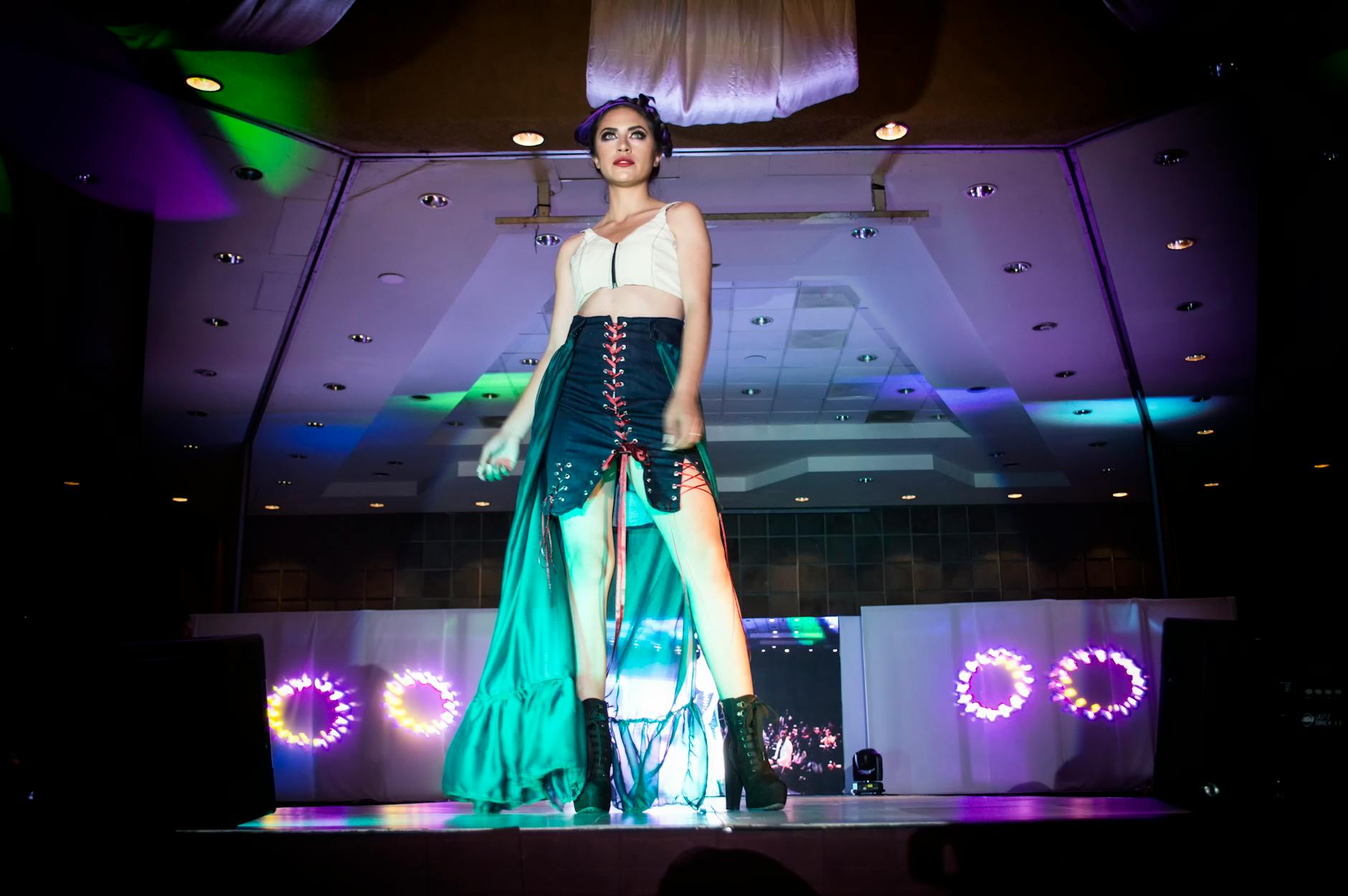
The most successful museum fashion shows create intentional dialogues between clothing and existing artworks. Designers study museum collections months in advance, developing pieces that respond to specific artworks, historical periods, or artistic movements. This preparation transforms fashion shows from marketing events into collaborative artistic statements.
Christopher Kane’s presentation at the Victoria and Albert Museum demonstrated this approach perfectly. His collection directly referenced pieces from the museum’s decorative arts collection, with prints derived from historical textiles and silhouettes inspired by period garments on display. Models positioned themselves near related artifacts, creating visual conversations between past and present creativity.
The temporal aspect adds another layer of meaning. Fashion, inherently tied to seasons and trends, gains permanence when presented alongside timeless artworks. Simultaneously, static museum pieces gain contemporary relevance through association with current design thinking.
Critics note that this context can overshadow the clothes themselves. When garments compete with masterpieces for attention, fashion risks becoming secondary to the venue. However, successful presentations use this challenge productively, creating collections strong enough to hold their own against significant artworks.
Similar venue experimentation includes shows in active public libraries and working botanical greenhouses, demonstrating fashion’s broader movement toward meaningful location choices.
Technical Innovation and Preservation Concerns
Museum presentations require technological adaptations that benefit both industries. Fashion shows need sophisticated lighting, sound, and staging within environments designed for art preservation. Museums gain access to cutting-edge presentation technology they might not otherwise afford.
Climate control becomes crucial when combining fashion presentations with valuable artworks. Designers adjust their staging to work within museums’ strict temperature and humidity requirements. These constraints often lead to creative solutions, like using specialized fabrics that perform well in controlled environments.
Documentation takes on added significance in museum settings. Fashion presentations become part of the institution’s historical record, with professional archiving that exceeds typical fashion show documentation. This permanent record adds cultural value to fashion presentations while providing museums with contemporary content for future exhibitions.
Conservation concerns require careful material selection. Museums restrict certain fabrics, adhesives, and staging materials that could damage permanent collections. Fashion teams work with museum conservators to ensure compatibility, often discovering new sustainable materials and techniques in the process.
The Future of Fashion Presentation
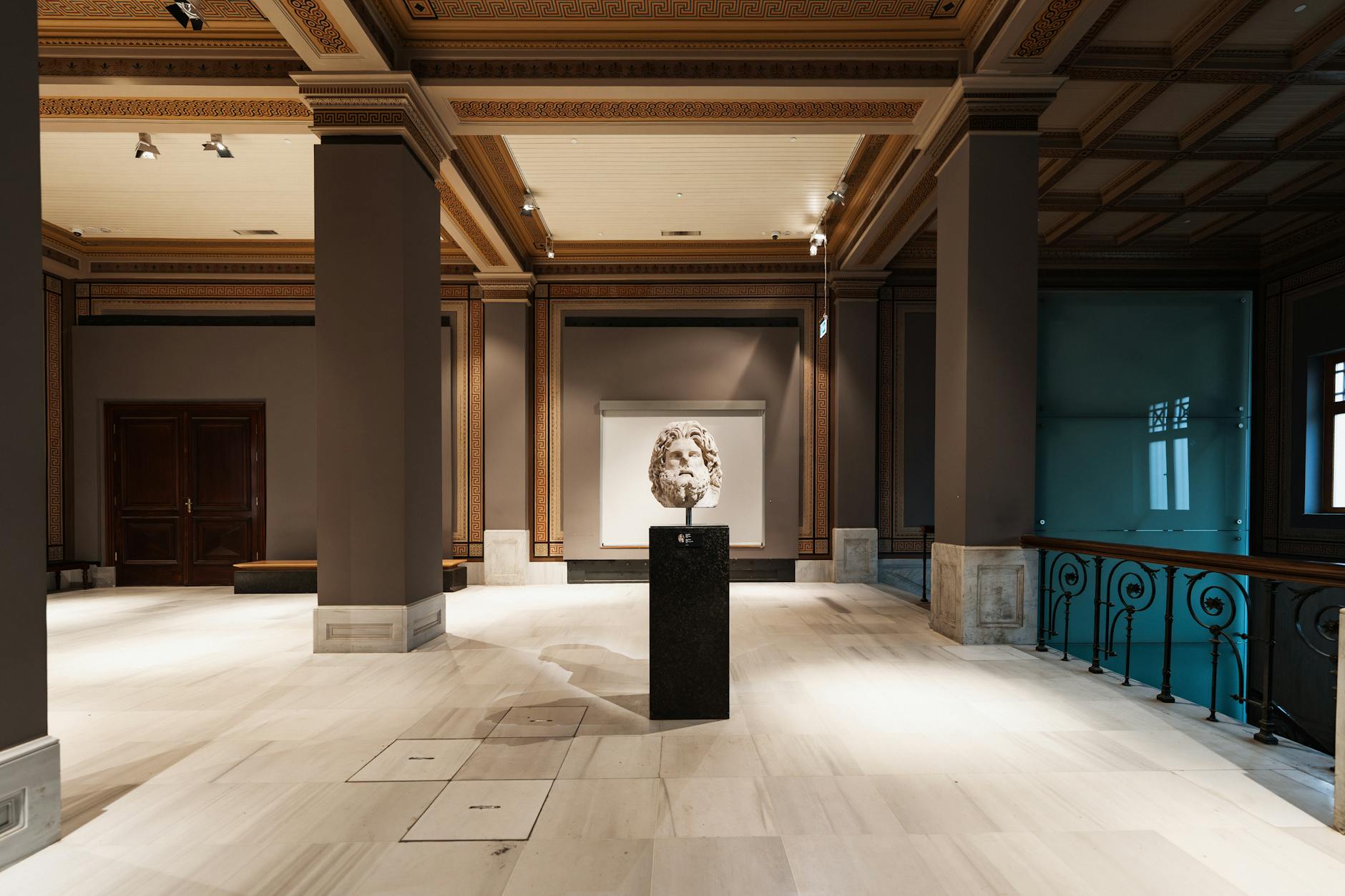
The museum trend signals fashion’s evolution toward cultural integration rather than industry isolation. As younger consumers increasingly value experiences over products, fashion shows that offer educational and artistic enrichment gain competitive advantages.
Technology will likely enhance these partnerships. Augmented reality applications could allow museum visitors to see how historical garments influenced contemporary designs, while digital archives could preserve these cultural moments for future study. Museums and fashion houses are exploring virtual reality experiences that combine fashion presentation with art education.
International expansion seems inevitable. Major fashion weeks in Paris, Milan, and London are identifying museum partners, while smaller fashion markets use museum collaborations to elevate their cultural profiles. This democratization could redistribute fashion week influence beyond traditional fashion capitals.
The success of museum fashion shows may inspire other cultural institutions to explore similar partnerships. Symphony halls, theaters, and cultural centers offer untapped potential for fashion presentation, each bringing unique contextual frameworks that could enhance clothing appreciation.
Fashion’s migration into active art museums represents more than trend-chasing. It reflects an industry recognizing its cultural responsibilities and artistic potential. As fashion houses continue seeking authentic connections with broader audiences, these collaborations offer sustainable models for engagement that benefit all participants while advancing both fashion and art appreciation.
Frequently Asked Questions
Why are fashion brands choosing active museums over traditional venues?
Museums provide cultural context and narrative depth that elevates clothing beyond product display while reaching broader audiences.
How do museums benefit from hosting fashion shows?
Fashion presentations attract younger demographics, generate social media attention, and increase general visitation and membership.