



The sound of clippers buzzing mingles with the click of cameras as models stride down makeshift runways between barber chairs. What started as an avant-garde experiment has become fashion’s most provocative venue choice – staging collections inside fully operational barbershops where real customers continue getting haircuts throughout the show.
This unconventional approach transforms traditional fashion presentation into immersive theater. Designers from emerging labels to established houses are abandoning sterile gallery spaces for the raw authenticity of neighborhood barbershops. The trend represents more than aesthetic rebellion – it’s a calculated response to fashion’s credibility crisis and social media’s demand for authentic content.
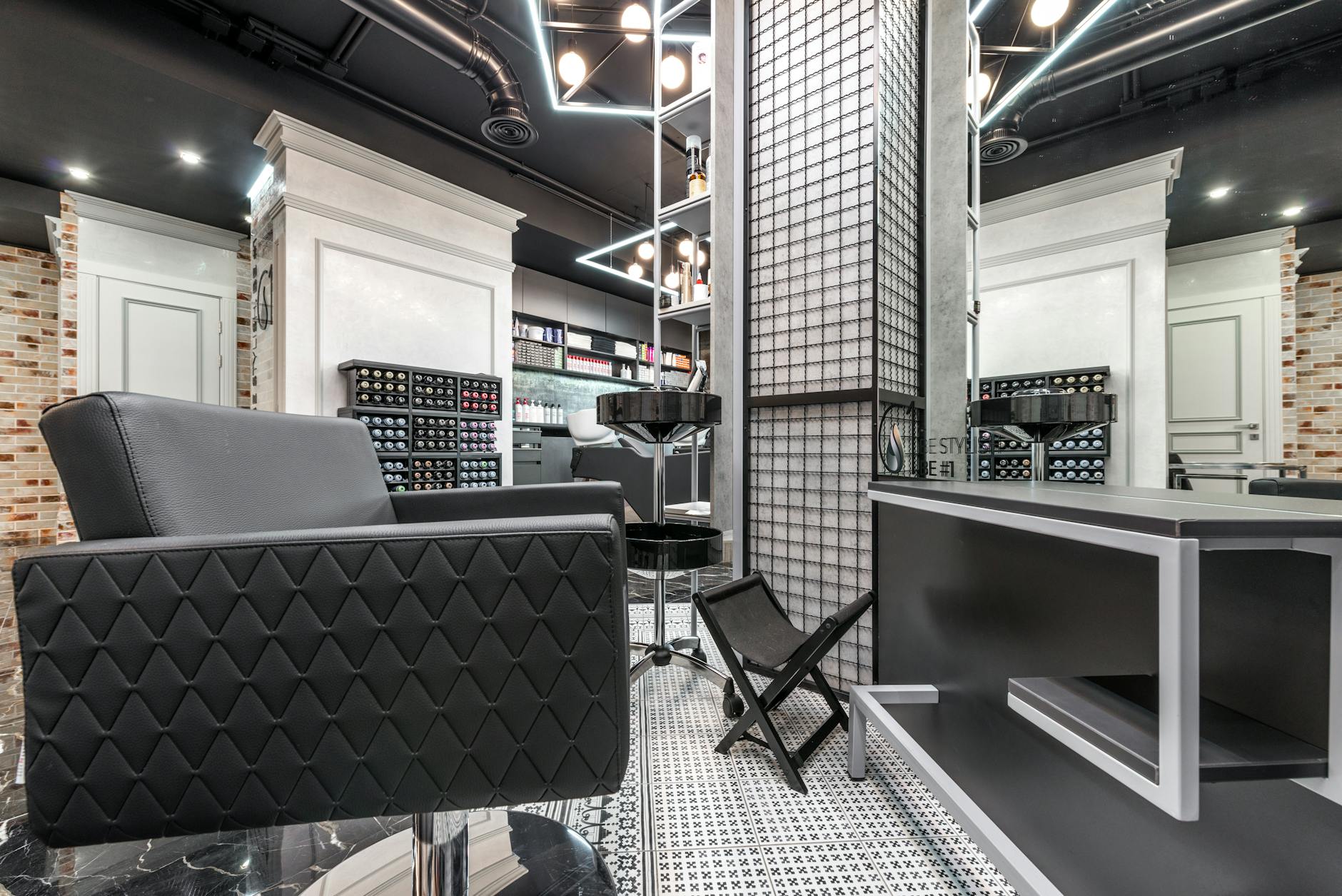
The barbershop setting creates unavoidable intimacy between fashion and street culture. Models navigate around actual customers mid-haircut while barbers continue their work, creating organic intersections between high fashion and everyday life. The atmosphere produces genuine reactions impossible to manufacture in traditional venues.
Breaking Down Fashion’s Ivory Tower
Fashion Week’s traditional venues – pristine warehouses, museum galleries, corporate spaces – have long separated fashion from its intended audience. Barbershops demolish this barrier entirely. Customers who stumbled in for routine trims find themselves front-row witnesses to fashion’s latest statements.
Designer Kerby Jean-Raymond pioneered this approach with Pyer Moss, staging presentations in Weeksville, Brooklyn barbershops that served the community for decades. His shows blur lines between performance art and fashion show, with models emerging from behind barber chairs while customers debate the clothes in real-time.
The authenticity extends beyond setting. Barbershops carry cultural significance that resonates across demographics. They serve as community anchors, informal town halls, and cultural preservation spaces. Designers tapping into this heritage access storytelling power impossible to achieve in neutral venues.
Critics initially dismissed barbershop shows as gimmicky, but the format has proven surprisingly effective at generating buzz. Social media algorithms favor unique, shareable content over traditional runway footage. Videos of models weaving between barber chairs accumulate millions of views while standard catwalk presentations struggle for attention.
Technical Challenges Create Creative Solutions
Staging fashion shows in active barbershops requires innovative problem-solving. Space constraints force designers to reimagine presentation formats entirely. Traditional runway configurations become impossible when barber chairs occupy prime real estate.
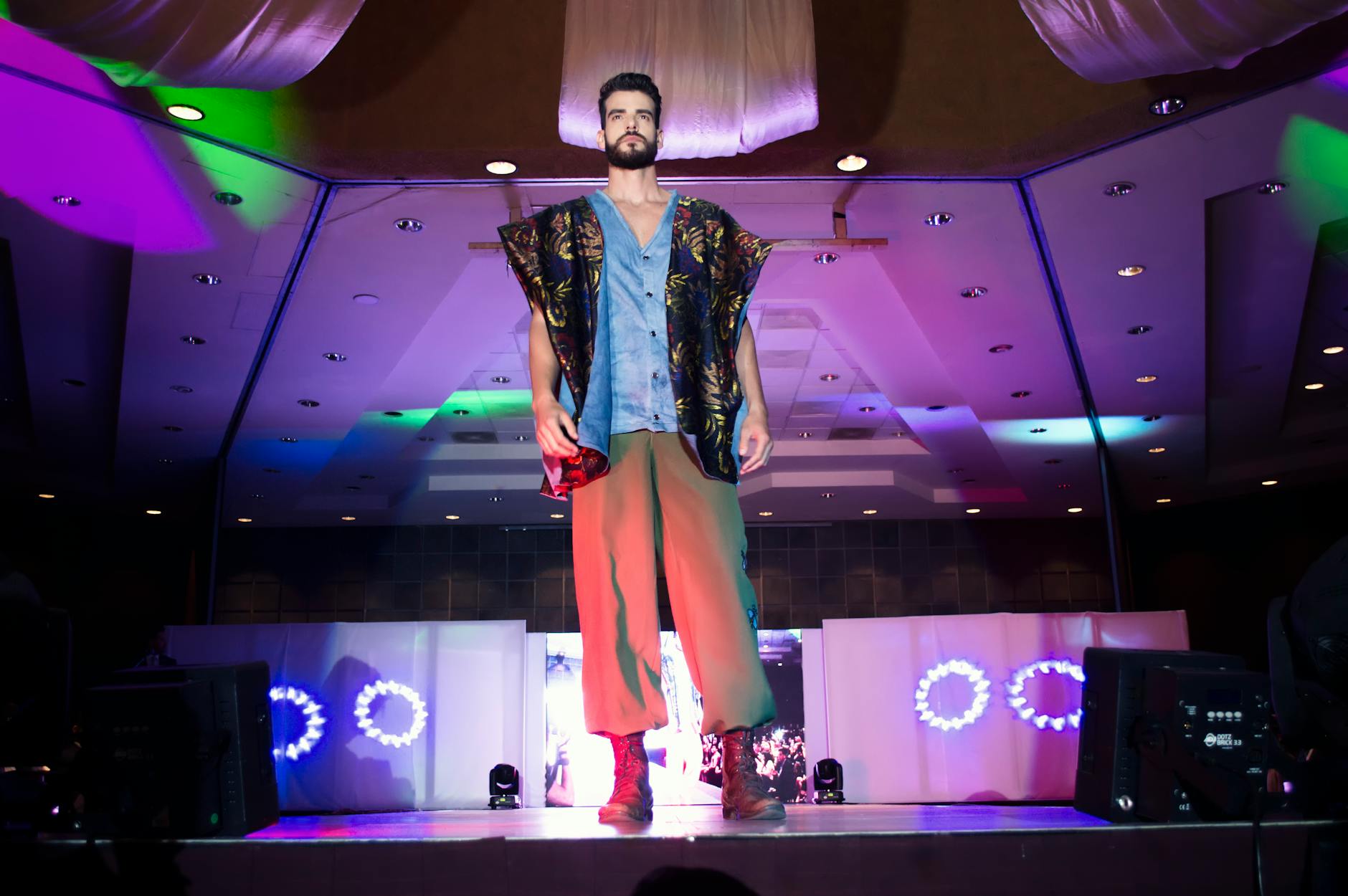
Many designers adopt circular or serpentine runway patterns that wind through available space. Models perform choreographed movements around working barbers, creating dynamic visual compositions impossible in conventional venues. The forced proximity between performers and audience generates energy missing from distant runway presentations.
Lighting presents complex challenges. Barbershops prioritize functional illumination over dramatic presentation. Fashion shows demand controlled lighting to showcase garments effectively. Designers work with lighting specialists to create hybrid solutions that serve both purposes without disrupting ongoing haircut appointments.
Sound management becomes equally critical. Barber equipment generates constant ambient noise that traditional fashion show audio systems struggle to overcome. Some designers embrace these sounds as part of the authentic experience, while others develop innovative audio solutions that work within the constraints.
The logistical complexity extends to scheduling. Shows must accommodate regular barbershop hours and customer appointments. Some designers work around existing schedules, while others collaborate with shop owners to create special hybrid events that serve both fashion presentation and community gathering purposes.
Community Integration Drives Success
Successful barbershop fashion shows require genuine community partnerships rather than simple venue rentals. Designers who approach barbershop owners as collaborators rather than landlords create more authentic experiences that resonate with both fashion audiences and local communities.
These partnerships often extend beyond single events. Some designers develop ongoing relationships with barbershops, returning for multiple seasons and becoming part of the establishment’s identity. Regular customers begin anticipating fashion events as part of their barbershop experience.
The community integration creates marketing advantages impossible to purchase through traditional advertising. Local media coverage often exceeds fashion press attention, reaching audiences typically excluded from fashion conversations. Word-of-mouth promotion within tight-knit communities generates authentic endorsements that influence purchasing decisions.
Some designers incorporate barbershop services directly into their presentations. Models receive actual haircuts or styling during shows, creating genuine transformations that enhance the storytelling impact. These collaborations benefit both parties – designers access skilled stylists while barbers gain exposure to new clientele.
The trend connects to broader movements toward experiential retail and authentic brand engagement. Similar approaches are appearing in active grocery stores where designers stage shows among shopping customers, creating unexpected intersections between fashion and everyday life.
Cultural Commentary Through Venue Choice
Barbershop venues carry inherent political and cultural messages that amplify designers’ artistic statements. Many shops serve as cultural preservation spaces for communities facing gentrification pressures. Fashion shows in these venues become acts of solidarity and cultural celebration.
The setting provides natural commentary on fashion’s accessibility issues. Luxury clothing presented in neighborhood barbershops creates productive tension between exclusivity and inclusion. Customers witness high-fashion prices firsthand while designers confront the reality of who actually wears their creations.
Some presentations explicitly address social issues through venue choice. Shows staged in barbershops located in historically marginalized neighborhoods highlight fashion’s role in cultural appropriation versus authentic collaboration. These events generate conversations extending far beyond clothing into broader social justice territory.
The barbershop’s historical significance as a safe space for community discourse adds layers of meaning to fashion presentations. Designers presenting collections in these venues tap into traditions of cultural expression and community building that predate fashion industry existence.
Fashion’s increasing adoption of unconventional venues reflects growing awareness that traditional presentation methods fail to capture contemporary attention. As digital media continues fragmenting audience focus, designers seek immersive experiences that create lasting impressions beyond social media scrolling.
The barbershop trend will likely expand as more designers recognize the format’s effectiveness at generating authentic engagement. However, success requires genuine community partnerships rather than surface-level venue exploitation. Designers who approach these collaborations with respect and long-term commitment will continue finding success, while those treating barbershops as novel backdrops will likely face community resistance.
The movement represents broader shifts in how fashion connects with audiences. As traditional gatekeepers lose influence, designers must create direct relationships with communities they serve. Barbershop shows offer one model for authentic engagement that benefits both fashion creators and local communities, suggesting a more collaborative future for fashion presentation.
Frequently Asked Questions
Why are designers choosing barbershops for fashion shows?
Barbershops provide authentic community settings that create intimate experiences and generate social media buzz impossible in traditional venues.
How do fashion shows work in active barbershops?
Models walk between barber chairs while customers continue getting haircuts, creating organic intersections between fashion and everyday life.