



Models navigate between produce displays and shopping carts as customers reach for apples and milk. Fashion’s latest disruption isn’t happening in grand ballrooms or museum galleries-it’s unfolding in the fluorescent-lit aisles of active grocery stores, where haute couture meets everyday commerce in the most unexpected collision yet.
This grocery store runway phenomenon represents fashion’s boldest attempt to democratize luxury, breaking down barriers between high fashion and daily life. Designers from emerging labels to established houses are increasingly choosing supermarkets as their stage, creating surreal moments where $3,000 gowns brush past cereal boxes while actual shoppers become unwitting audience members.
The Reality Check Revolution
The grocery store runway trend stems from fashion’s growing desire to ground itself in reality rather than fantasy. Unlike traditional runway shows held in exclusive venues with carefully curated guest lists, these supermarket presentations force fashion into direct contact with its ultimate consumers-regular people going about their daily routines.
Marc Jacobs pioneered aspects of this movement with his unconventional venue choices, though the grocery store specific trend gained momentum through smaller, experimental designers seeking authentic connection with audiences. These shows create an immediate tension between aspiration and accessibility, forcing viewers to consider how luxury fashion fits into actual lived experiences.
The practical challenges are immense. Designers must navigate around restocking schedules, coordinate with store management, and adapt to unpredictable lighting and acoustics. Some stores have embraced these events as marketing opportunities, while others view them as necessary disruptions that bring media attention and foot traffic.
Shopping continues during these presentations, creating organic interactions between fashion and commerce. Customers often stop to watch, some annoyed by the disruption, others fascinated by the unexpected spectacle. This authentic audience reaction provides designers with immediate, unfiltered feedback impossible to achieve in traditional fashion show settings.
Logistics of Luxury Among Lettuce
Staging a fashion show in an active grocery store requires military-level coordination. Designers typically work with store management weeks in advance, identifying the least disruptive times and routes. Early morning hours before peak shopping traffic often provide the best opportunities, though some designers prefer evening presentations when the fluorescent lighting creates more dramatic contrasts.
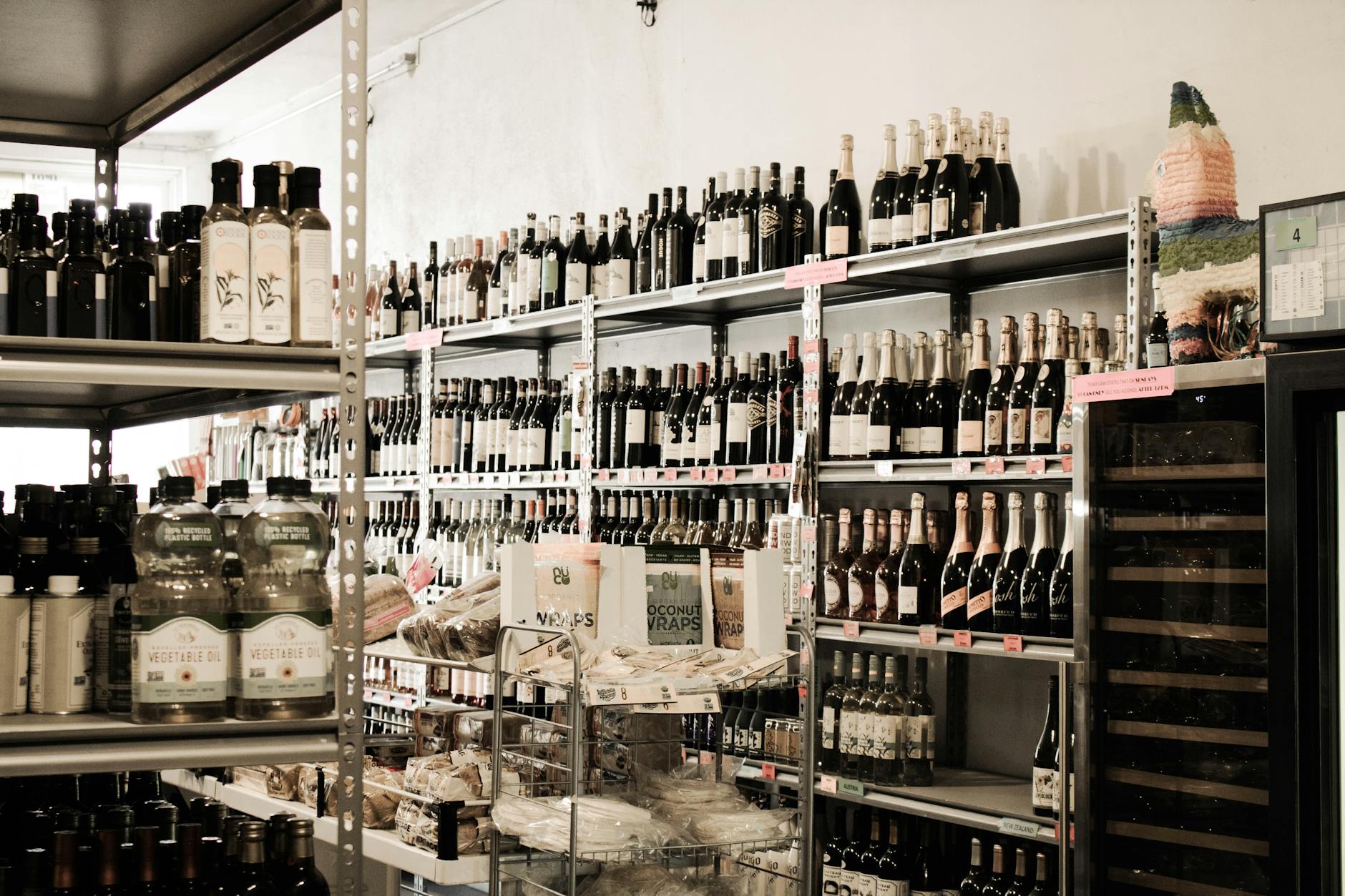
The produce section has emerged as a favorite backdrop, with its natural colors and textures providing striking visual contrast to fabricated garments. The frozen foods aisle offers interesting temperature dynamics, while the checkout areas create natural endpoints for runway walks. Some designers incorporate shopping carts as props or create interactions between models and actual products.
Sound systems must compete with refrigeration units, PA announcements, and the general bustle of commerce. Many designers opt for no music at all, allowing the ambient grocery store sounds to provide an unconventional soundtrack. This choice reinforces the anti-theatrical nature of these presentations, emphasizing fashion’s integration into everyday environments rather than its separation from them.
Safety considerations include clear pathways for both models and shoppers, coordination with security personnel, and contingency plans for crowded conditions. Some stores require insurance coverage or charge venue fees, while others participate for the marketing value and social media exposure.
Consumer Psychology Meets High Fashion
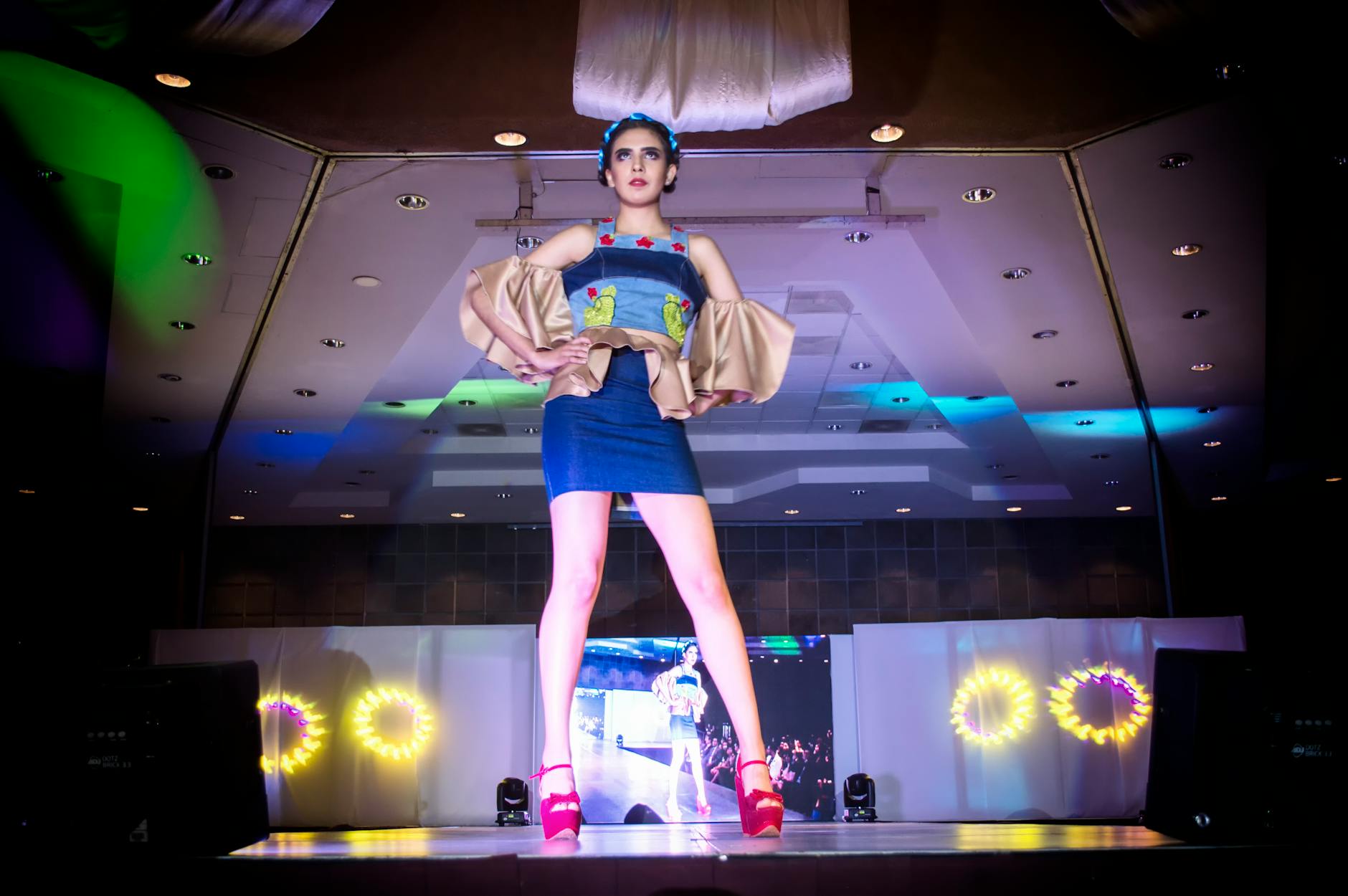
The grocery store setting fundamentally alters how audiences perceive fashion. Surrounded by items priced under $10, luxury garments costing hundreds or thousands of dollars create cognitive dissonance that forces viewers to question fashion’s value propositions. This psychological tension is precisely what many designers seek to explore.
Shoppers encountering these unexpected fashion moments often document them on social media, creating organic marketing that reaches far beyond traditional fashion audiences. Videos of models walking past dairy cases or posing near shopping carts generate millions of views, often reaching demographics that never engage with conventional fashion content.
The contrast between fashion’s aspirational messaging and the practical reality of grocery shopping creates compelling commentary on consumption, necessity, and desire. Some collections explicitly engage with these themes, featuring designs inspired by packaging, product labels, or the ritual of shopping itself.
This intersection of high fashion with everyday necessity democratizes fashion discourse, making it accessible to people who might never attend traditional runway shows or engage with fashion media. The grocery store becomes a neutral ground where fashion must justify itself in the context of actual human needs and daily routines.
Industry Impact and Future Implications
The grocery store runway trend reflects broader shifts in fashion presentation, part of the same movement that has seen shows staged in active construction sites and hospital waiting rooms. These unconventional venues challenge fashion’s traditional relationship with exclusivity and spectacle.
Retail partnerships have emerged as some grocery chains recognize the marketing potential of hosting fashion events. Major supermarket chains are developing programs to accommodate designers, viewing these presentations as community engagement opportunities that differentiate their stores from competitors.
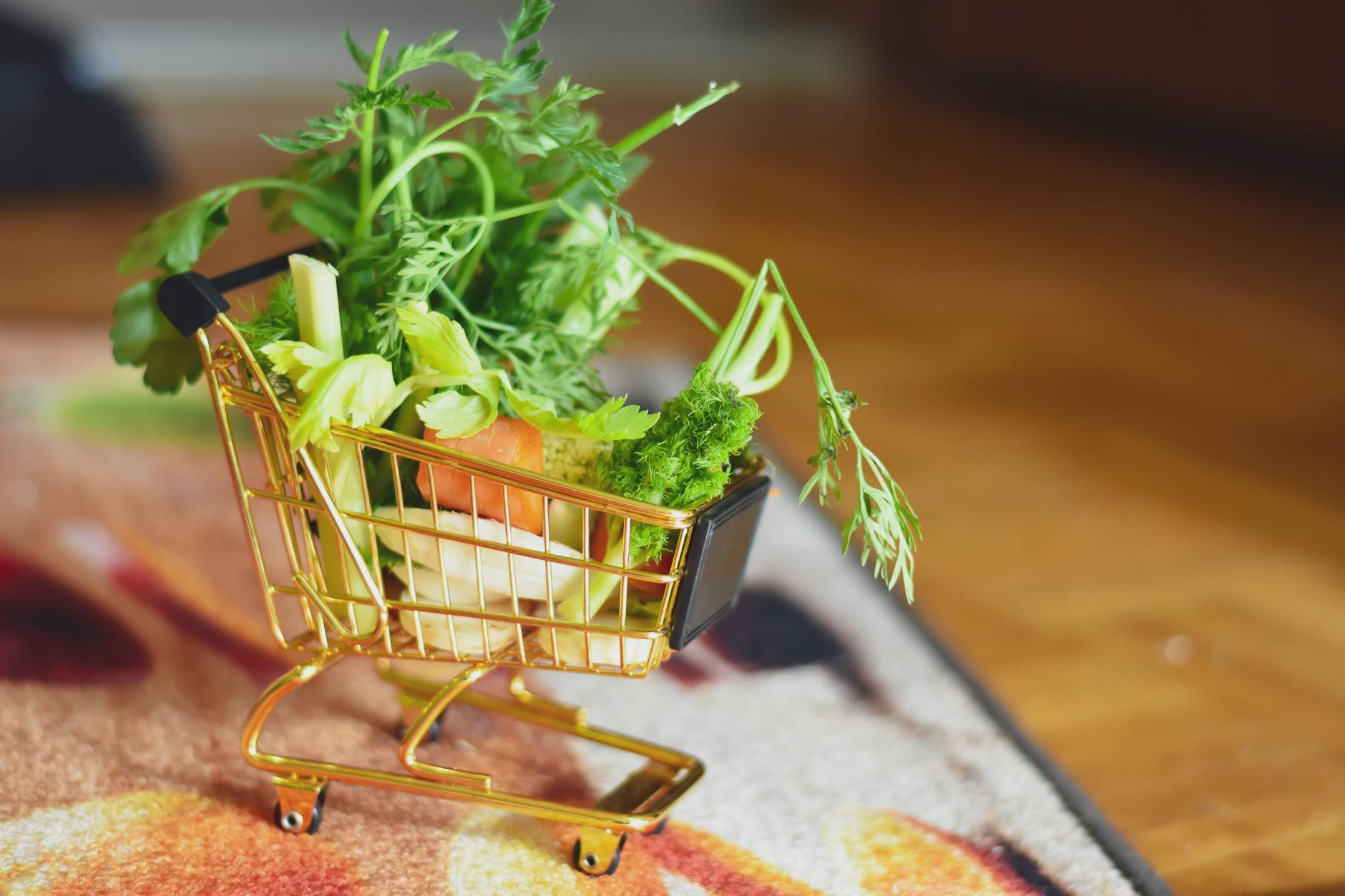
The trend has influenced traditional fashion shows as well, with some designers incorporating everyday elements into conventional presentations. Shopping carts, grocery bags, and supermarket aesthetics have appeared in shows at major fashion weeks, bringing grocery store sensibilities to high fashion venues.
Critics argue that these presentations risk trivializing fashion or reducing it to mere spectacle. However, supporters contend that placing fashion in real-world contexts makes it more relevant and accessible, potentially expanding fashion’s cultural influence beyond traditional boundaries.
The grocery store runway phenomenon represents more than a publicity stunt-it’s a fundamental reimagining of fashion’s relationship with its audience and purpose. As designers continue pushing boundaries between art and commerce, aspiration and necessity, these unlikely venue choices force crucial conversations about fashion’s role in contemporary life. Whether this trend evolves into a permanent feature of fashion presentation or remains an experimental phase, it has already succeeded in making fashion more immediately relevant to the spaces where people actually live, shop, and make daily choices about what to wear and how to spend their money.
Frequently Asked Questions
Why do designers choose grocery stores for fashion shows?
Designers use grocery stores to democratize fashion and create authentic connections between luxury clothing and everyday consumer experiences.
How do grocery stores manage fashion shows during business hours?
Stores coordinate with designers on timing, pathways, and logistics while continuing normal operations, often viewing shows as marketing opportunities.