



Hard hats have become the latest fashion accessory at runway shows across Europe and North America. Designers are abandoning traditional venues for active construction sites, transforming concrete mixers and scaffolding into backdrops for haute couture. This unconventional approach reflects fashion’s growing desire to break away from sterile showrooms and connect with authentic urban environments.
The trend began quietly in London’s East End, where emerging designers started staging guerrilla shows in half-built developments. What started as necessity – cheap, available space – has evolved into a deliberate aesthetic choice. Major fashion houses now compete for access to the most dramatic construction sites, viewing unfinished buildings as canvases for their collections.
Safety Meets Style on the Runway
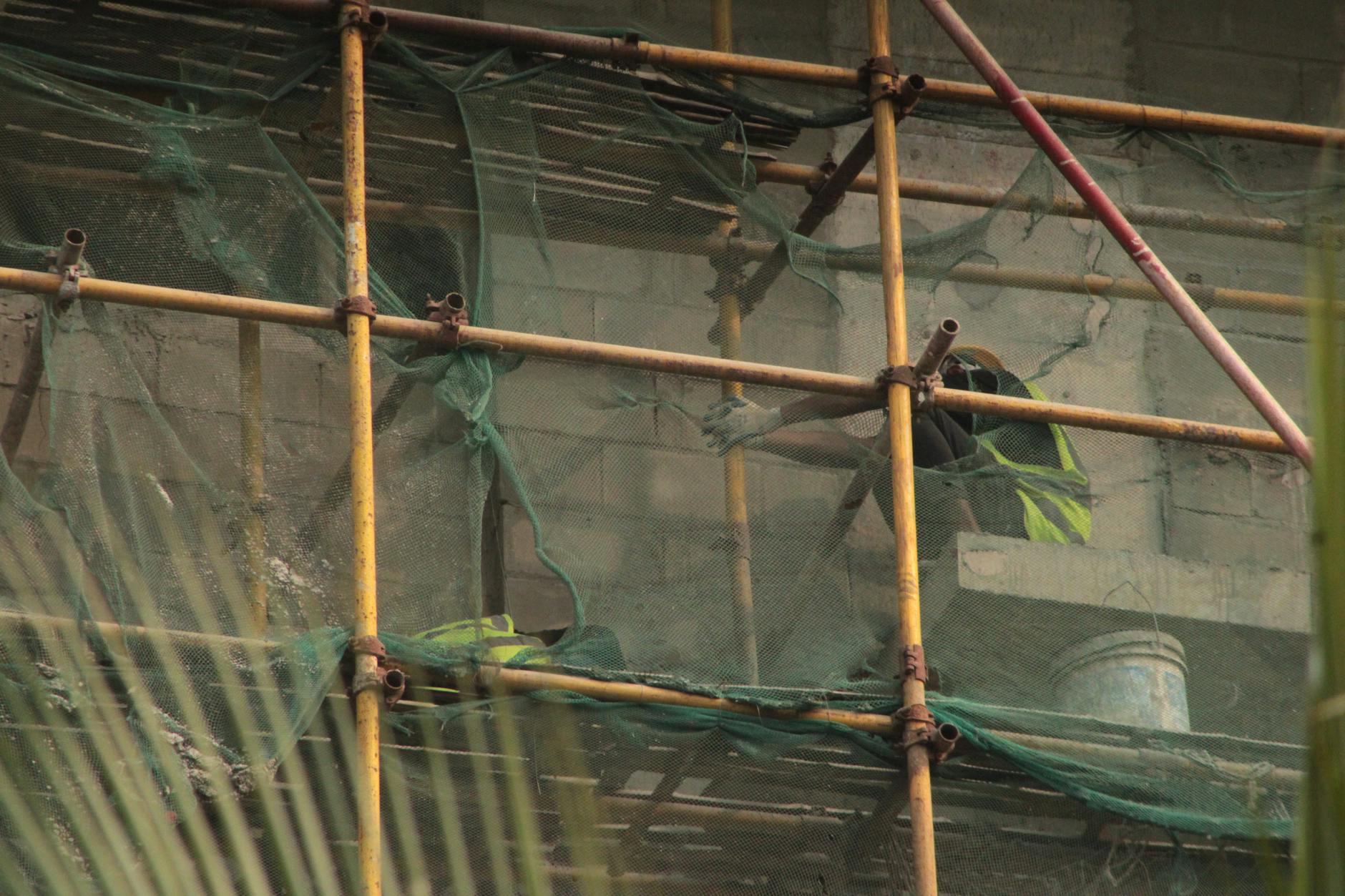
The logistics of staging a fashion show inside an active construction site present unique challenges that traditional venues never posed. Models navigate around concrete barriers wearing thousand-dollar gowns while construction workers continue their shifts overhead. Safety coordinators work alongside creative directors to ensure shows comply with building regulations while maintaining artistic vision.
At Milan Fashion Week, Bottega Veneta recently showcased their latest collection inside a partially constructed luxury hotel. Models walked between exposed steel beams while welders paused their work to accommodate the 15-minute presentation. The contrast between industrial machinery and delicate fabrics created striking visual juxtapositions that dominated social media for weeks.
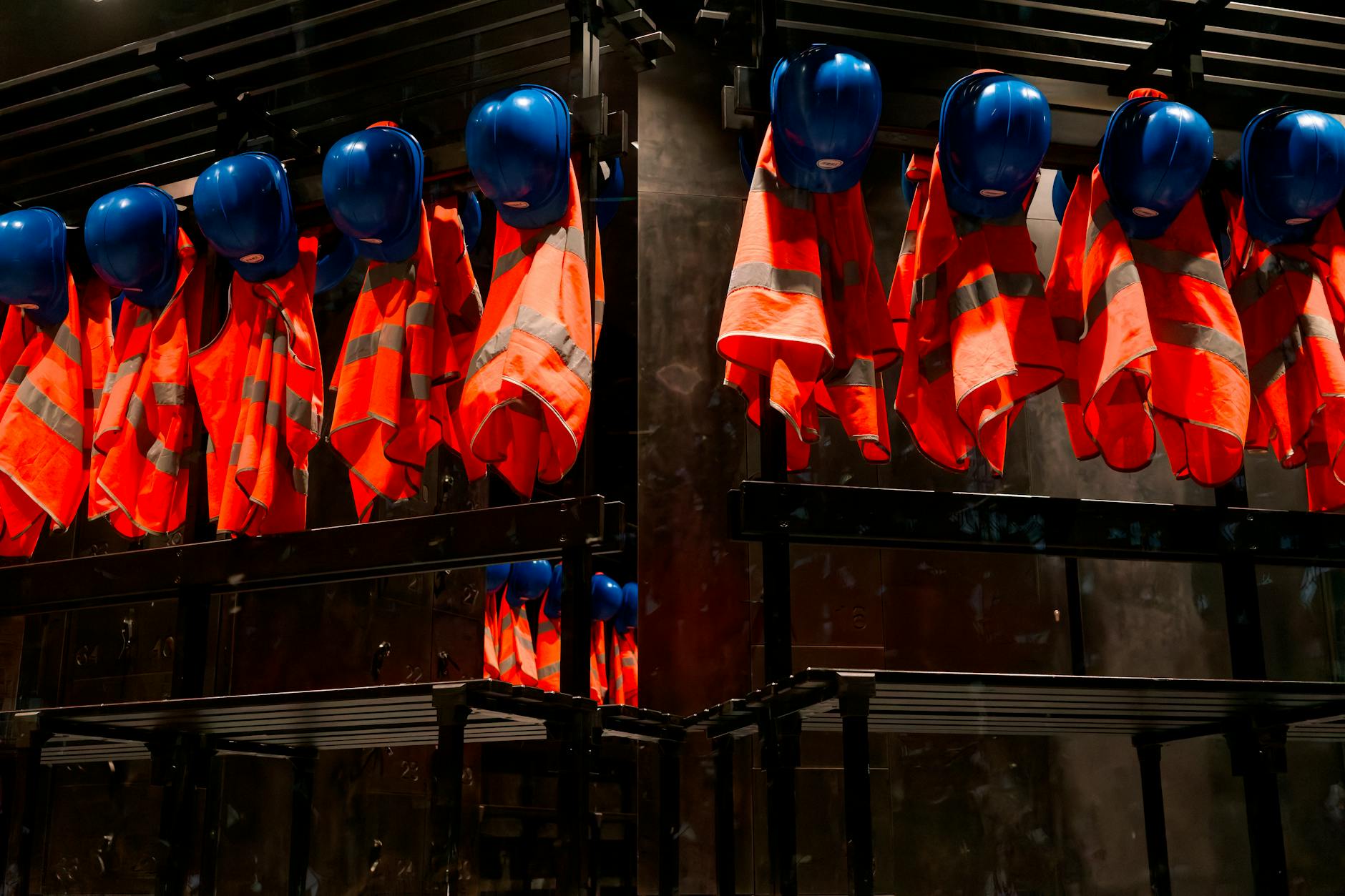
Construction site shows require extensive coordination with building contractors and safety inspectors. Guest lists are limited by safety requirements, creating an exclusive atmosphere that fashion insiders crave. Hard hats become part of the dress code, with some designers creating custom safety gear that complements their collections.
The sound of machinery adds an unexpected soundtrack to presentations. Instead of curated playlists, shows feature the authentic ambient noise of active construction – drilling, hammering, and concrete pouring. This industrial symphony provides a raw counterpoint to refined fashion presentations.
Authenticity in an Artificial Industry
Fashion’s embrace of construction sites reflects broader industry conversations about authenticity and accessibility. Traditional fashion shows in pristine venues can feel disconnected from the urban environments where most people actually wear clothes. Construction sites offer genuine settings that resonate with fashion’s increasing focus on real-world relevance.
Young designers particularly gravitate toward unconventional venues as a way to differentiate their brand identity. Emerging labels often lack budgets for established fashion week venues, making construction sites attractive alternatives. The raw aesthetic also aligns with current trends toward minimalism and industrial design influences in both fashion and architecture.
Social media has amplified the impact of these unconventional shows. Images of models in evening gowns surrounded by construction equipment generate significantly more engagement than traditional runway photos. The visual contrast creates inherently shareable content that extends the reach of smaller fashion brands far beyond industry insiders.
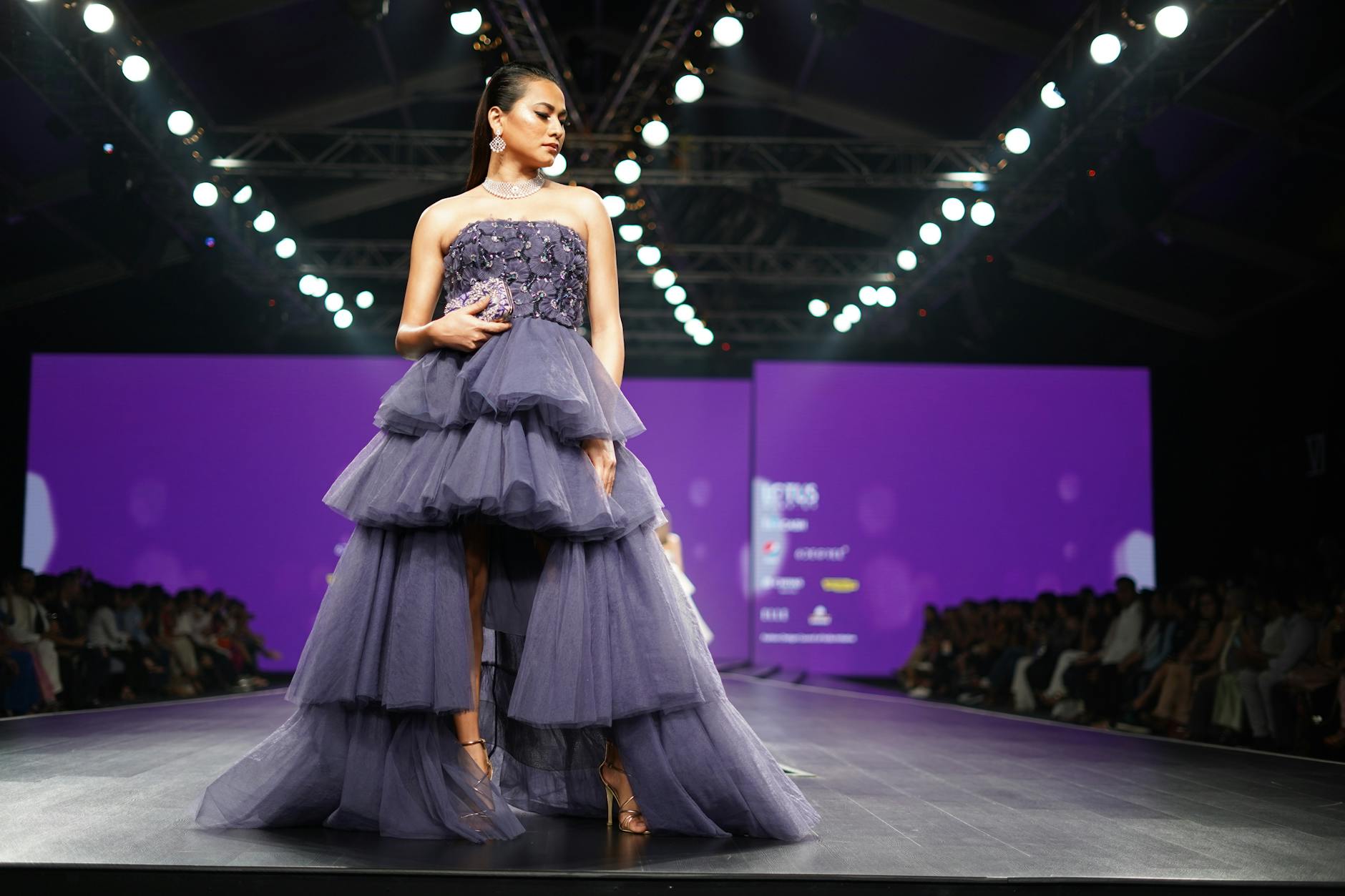
This approach also reflects fashion’s growing environmental consciousness. Instead of building temporary structures or renting conventional venues, designers utilize existing construction projects. The practice reduces waste while highlighting fashion’s relationship with urban development and infrastructure.
The Economics of Industrial Fashion
Construction site venues offer significant cost advantages compared to traditional fashion show spaces. Hotel ballrooms and convention centers command premium prices during fashion weeks, while construction sites often welcome events as positive publicity for their developments. Some developers actively court fashion shows as marketing tools for residential and commercial projects.
The limited capacity of construction sites creates artificial scarcity that enhances exclusivity. Shows typically accommodate 50-100 guests instead of the 300-500 common at traditional venues. This intimacy allows for more personal connections between designers and industry professionals, potentially leading to more meaningful business relationships.
However, insurance and safety costs can offset venue savings. Construction site shows require specialized coverage and professional safety coordinators. Weather contingencies become more critical when shows lack indoor backup options. Some designers have canceled shows due to unexpected construction delays or safety concerns.
The trend has created new business opportunities for specialized event producers who understand both fashion and construction industries. These professionals navigate complex permitting requirements while ensuring shows meet both creative and safety standards.
Global Expansion and Creative Evolution
The construction site trend has spread beyond Europe to fashion weeks in New York, Tokyo, and emerging fashion capitals. Each city brings unique regulatory challenges and construction styles that influence show aesthetics. New York’s skyscraper construction sites offer different visual opportunities than London’s residential developments or Tokyo’s mixed-use projects.
This movement parallels fashion’s broader exploration of unconventional venues, similar to how Paris Fashion Week is hosting shows in working subway stations. Both trends reflect designers’ desire to present collections in authentic urban environments rather than artificial show spaces.
Some critics argue that construction site shows prioritize spectacle over actual fashion presentation. The industrial settings can overwhelm delicate designs or distract from craftsmanship details. However, supporters contend that these environments better showcase how fashion functions in real urban contexts.
The trend shows no signs of slowing as fashion weeks increasingly embrace experiential presentations over traditional runway formats. Designers are already exploring other active work environments, with some experimenting with presentations in functioning warehouses, active transportation hubs, and working markets.
Construction site fashion shows represent more than temporary trend – they signal fashion’s evolution toward more authentic, accessible, and environmentally conscious presentation methods. As urban development continues worldwide, the intersection of fashion and construction offers endless creative possibilities for designers willing to embrace industrial aesthetics. The hard hat may well become fashion’s most unlikely but enduring accessory.
Frequently Asked Questions
Why are fashion designers using construction sites for shows?
Designers seek authentic urban environments, cost-effective venues, and unique backdrops that create shareable social media content while reflecting real-world contexts.
Are construction site fashion shows safe?
Yes, shows require safety coordinators, specialized insurance, and compliance with building regulations to ensure guest and model safety during presentations.