



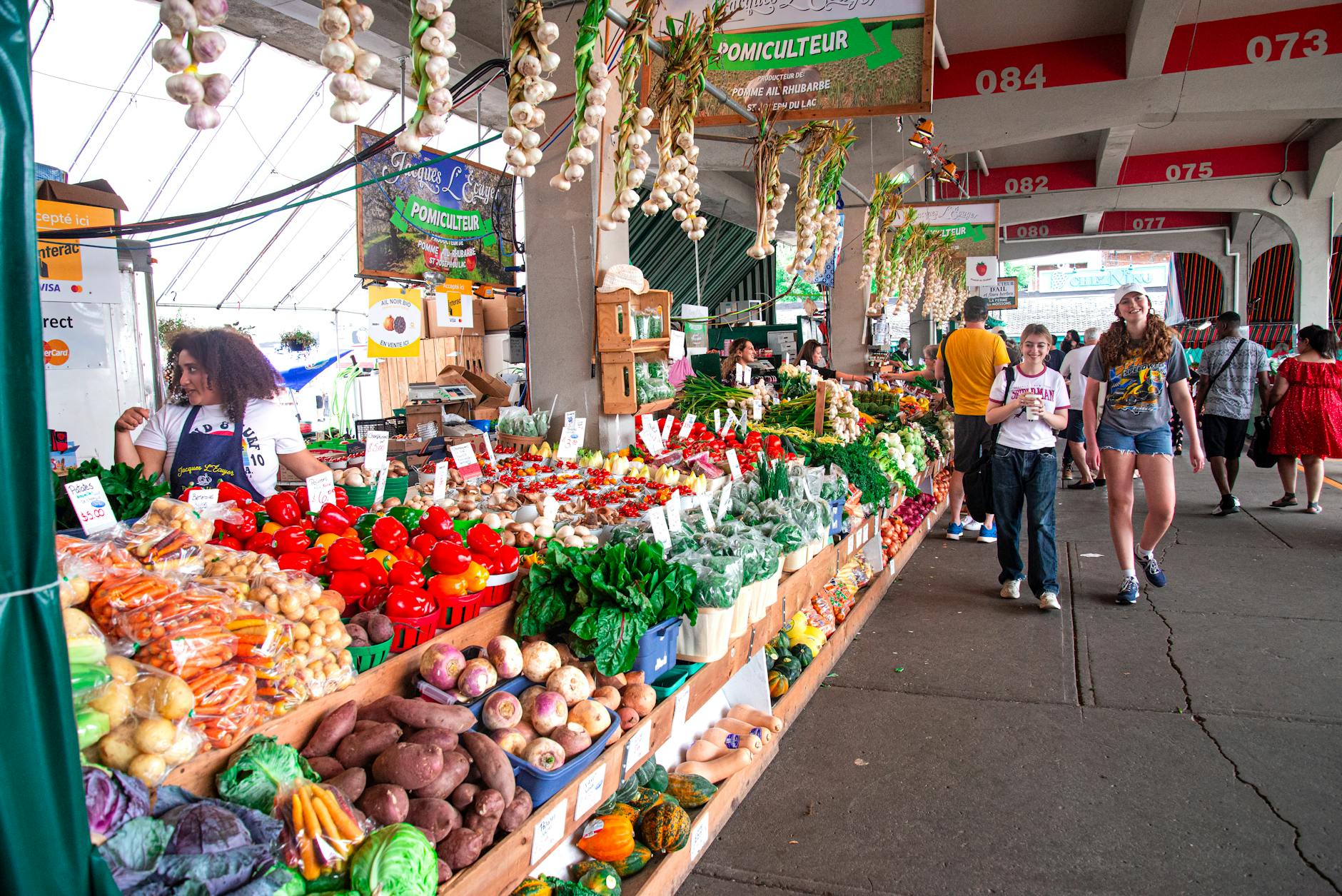
The scent of fresh basil mingles with the click of heels on cobblestone as models navigate between vendors hawking heirloom tomatoes and artisanal cheese. Fashion runways are trading sterile white walls for the chaotic energy of working farmers markets, creating some of the industry’s most talked-about shows this season.
This unconventional venue choice represents more than aesthetic rebellion. Designers are discovering that active farmers markets provide an authentic backdrop that connects fashion to sustainability, community, and the growing consumer demand for transparency. Unlike static locations, these markets pulse with real life – the perfect counterpoint to fashion’s often-criticized disconnect from everyday reality.
The Rise of Market-Based Shows
Major designers started this trend quietly, with smaller labels testing the waters at local markets before luxury brands took notice. Gabriela Hearst notably incorporated farmers market elements into her presentations, weaving sustainability messaging through live produce displays. The approach gained momentum as brands recognized the powerful visual storytelling opportunities.
Real market activity continues during these shows, creating a unique dynamic where fashion mingles with commerce. Vendors keep selling their wares while models weave through stalls, creating organic interactions that traditional runway shows can’t replicate. This authenticity resonates particularly well on social media, where the contrast between high fashion and everyday life generates significant engagement.
The logistical challenges are substantial. Shows must work around market hours, weather conditions, and the needs of regular vendors. Designers coordinate with market managers weeks in advance, often contributing fees that benefit the entire market community. Some shows even feature locally-sourced materials or collaborate with vendors to create market-inspired accessories.
Sustainability Messaging Through Venue Choice
The farmers market setting amplifies fashion brands’ sustainability credentials in ways traditional venues cannot. Walking through stalls of seasonal produce while showcasing eco-friendly fabrics creates a coherent narrative about conscious consumption and local sourcing.
Several designers have taken this concept further by incorporating actual market products into their presentations. Hemp textiles are displayed alongside hemp seeds, organic cotton pieces surrounded by cotton bolls, and naturally-dyed fabrics presented near the plants used for coloring. This direct connection between raw materials and finished products helps consumers understand the supply chain story many brands are eager to tell.
The venue choice also highlights fashion’s relationship with seasonality – a concept the industry has somewhat abandoned with its multiple collections per year. Farmers markets naturally celebrate seasonal rhythms, providing a subtle critique of fast fashion while positioning slower, more thoughtful design approaches.
Community Engagement and Accessibility
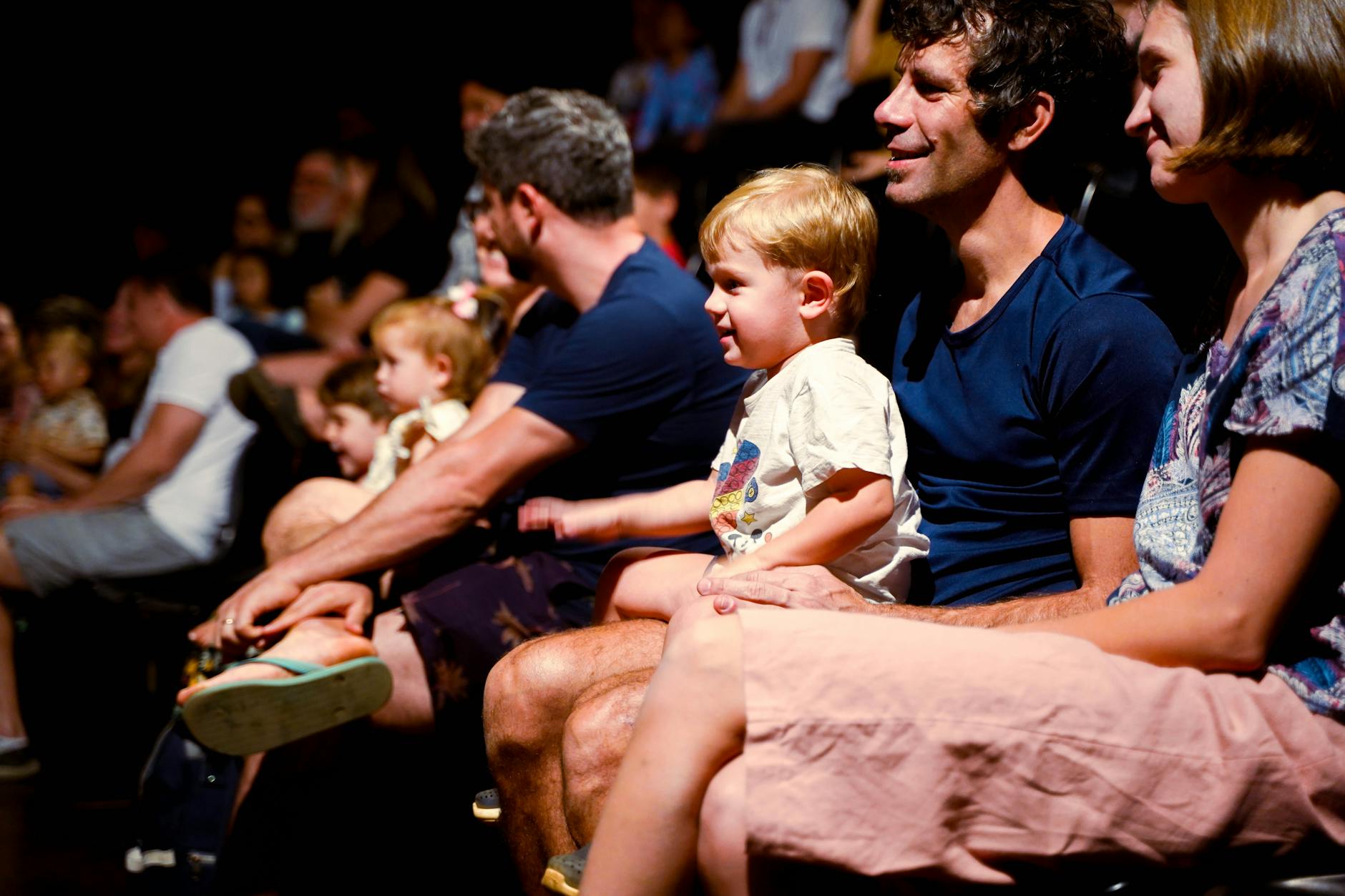
Unlike exclusive runway shows that require invitations and industry connections, farmers market presentations democratize fashion viewing. Regular market-goers stumble upon high-fashion presentations, breaking down barriers between fashion insiders and everyday consumers.
This accessibility serves multiple purposes. Brands gain exposure to audiences who might never attend traditional fashion shows, while market vendors benefit from increased foot traffic and media attention. Several designers report that market-based shows generate more diverse customer inquiries than conventional presentations.
The community aspect extends beyond the presentation day. Many designers maintain relationships with markets long after their shows, returning as customers or collaborators. Some have launched ongoing partnerships, like designers creating limited-edition pieces using fabrics inspired by seasonal produce colors, or fashion brands sponsoring market events.
This approach mirrors trends in other industries, where brands seek authentic community connections rather than top-down marketing approaches. Fashion shows in shopping malls similarly aim to reach broader audiences, though farmers markets offer additional sustainability messaging opportunities.
Technical Innovation Meets Organic Settings
The contrast between high-tech fashion production and organic market settings creates compelling visual narratives. Designers showcase innovative sustainable materials – lab-grown leather alternatives, recycled plastic fabrics, bio-based dyes – against backdrops of traditional agriculture.
Sound design becomes particularly important in these settings, as presentations must work around market noise while maintaining the intimate atmosphere that makes farmers markets special. Many designers opt for minimal or no music, letting natural market sounds provide the soundtrack.
Lighting presents unique challenges and opportunities. Natural light filtering through market canopies creates flattering, ever-changing illumination that photographers love. However, designers must plan for varying weather conditions and shadows cast by vendor stalls and umbrellas.
The unpredictability becomes part of the appeal. Models might interact with curious shoppers or adapt to unexpected weather changes, creating spontaneous moments that feel more authentic than heavily choreographed traditional shows. These unscripted interactions often become the most memorable aspects of presentations.

Looking Forward: The Future of Experiential Fashion
This trend reflects broader shifts toward experiential marketing and authentic brand storytelling. As consumers increasingly value transparency and sustainability, expect more designers to seek venues that reinforce these messages through environmental context.
The success of farmers market shows is inspiring similar experiments in other working environments. Museums hosting active exhibitions offer cultural credibility, while working spaces provide authenticity that resonates with modern consumers.
However, the novelty factor won’t sustain this trend indefinitely. The most successful market-based presentations create genuine connections between fashion and place, rather than simply using markets as exotic backdrops. Designers who build lasting relationships with market communities and incorporate local elements into their collections are more likely to create meaningful experiences.
The farmers market runway represents fashion’s ongoing evolution toward more democratic, sustainable, and community-connected presentation formats. As the industry continues grappling with its environmental impact and exclusivity issues, expect these venue experiments to become more sophisticated and integrated into broader brand strategies rather than one-off publicity stunts.
Frequently Asked Questions
Why do designers choose farmers markets for fashion shows?
Markets provide authentic backdrops that connect fashion to sustainability messaging while reaching broader, more diverse audiences than traditional runway venues.
How do fashion shows work around active market operations?
Designers coordinate with market managers, work around vendor schedules, and often contribute fees that benefit the entire market community while shows proceed.