



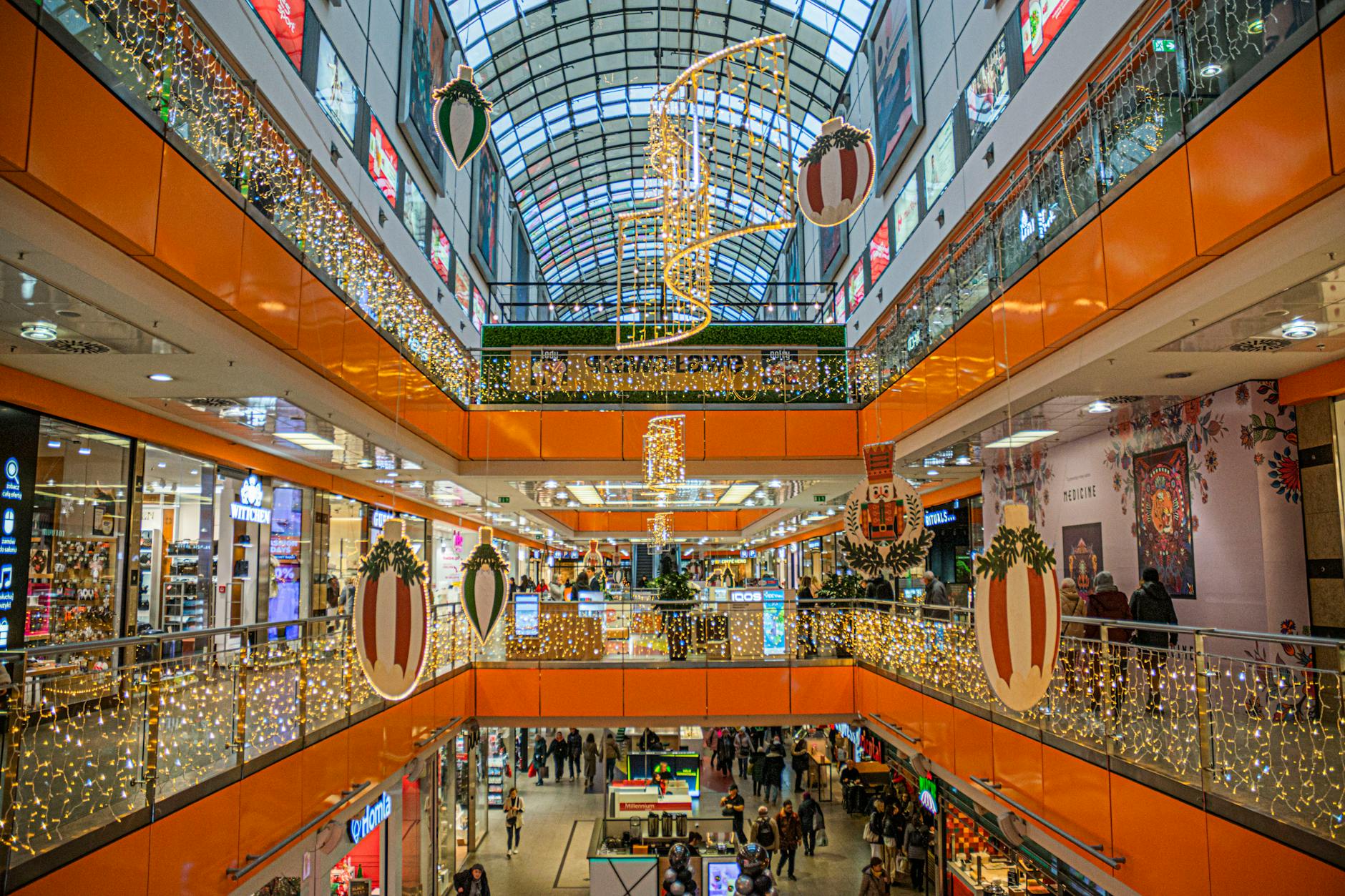
Fashion Week is dead. At least, the traditional version where editors sit in gilded front rows at pristine venues, watching models glide down sterile runways. Today’s most talked-about shows are happening where real people shop for groceries, grab coffee, and navigate their daily lives: inside active shopping malls.
This radical shift represents more than just venue hopping. Designers are deliberately choosing spaces where commerce already exists, where the sound of cash registers and conversation creates an authentic backdrop for collections meant to be worn by actual consumers. The contrast between high fashion and everyday retail creates an energy that traditional venues simply cannot match.
Breaking Down Fashion’s Glass Walls
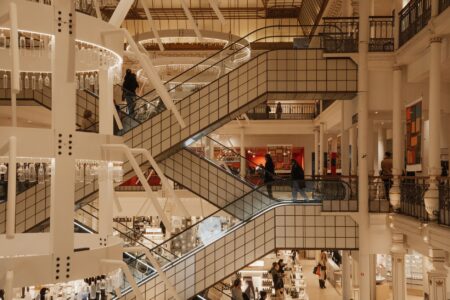
The movement gained momentum when Jacquemus staged his “Le Chouchou” collection inside Galeries Lafayette, transforming the department store’s escalators into a runway. Models walked between shoppers browsing handbags and cosmetics, creating moments where the boundary between performance and reality dissolved completely.
“We wanted people to see fashion as part of their world, not separate from it,” explains Sarah Chen, creative director at emerging brand Parallel Lines, who recently showed her collection at a busy shopping center in Los Angeles. “When a model walks past someone buying their lunch, it changes how both the clothes and the shopping experience feel.”
This democratization of fashion shows serves multiple purposes. Brands reach audiences who would never attend traditional Fashion Week events. The organic interaction between models, shoppers, and mall employees creates content that feels authentic rather than manufactured. Social media posts from these shows generate higher engagement because they capture genuine surprise and delight rather than staged perfection.
Retail Therapy Meets High Fashion
Shopping malls provide designers with built-in audiences and natural stages. The architecture of most malls – with multiple levels, wide corridors, and central atriums – creates opportunities for dramatic presentations that traditional venues cannot offer. Models can emerge from actual stores, walk through food courts, or descend grand staircases while shoppers continue their normal activities around them.
Tommy Hilfiger pioneered this approach with his “Tommy Now” shows, staging presentations in London’s Roundhouse that functioned as both runway show and immediate retail experience. The success of that format inspired other brands to experiment with similar concepts in active retail environments.
The timing also aligns with shopping malls’ need for fresh attractions. Many shopping centers are struggling with changing consumer habits and online competition. Fashion shows bring media attention, social media buzz, and new foot traffic. Mall management companies are increasingly eager to partner with fashion brands for these mutually beneficial collaborations.
Creating Unexpected Fashion Moments
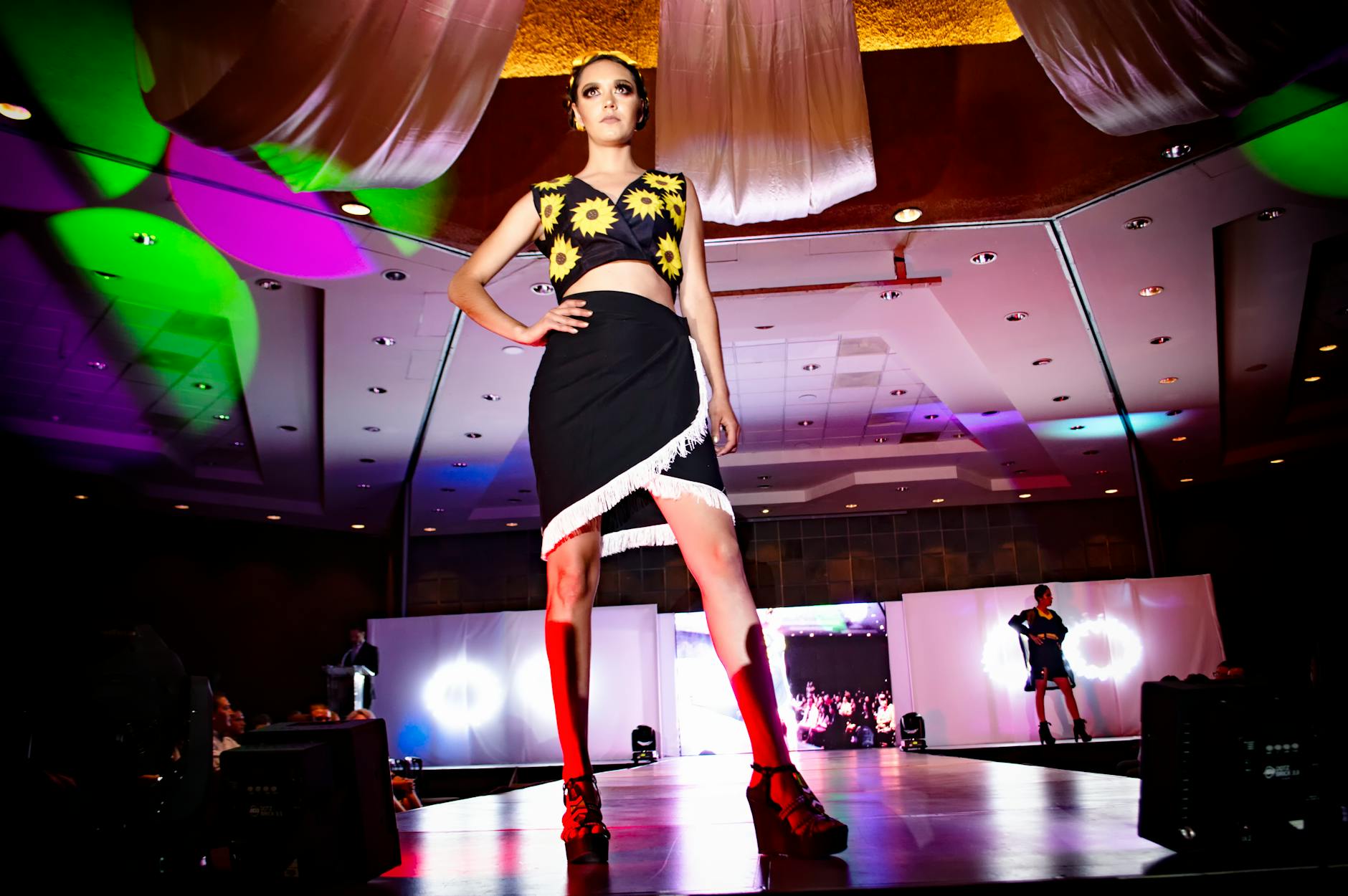
The most successful mall fashion shows create moments of beautiful disruption. When Ganni presented their spring collection at a Copenhagen shopping center, models carried shopping bags from actual stores while wearing the brand’s colorful prints. The juxtaposition felt both surreal and completely natural – exactly the kind of content that spreads organically across social platforms.
These shows also allow designers to test their collections in real environments. Watching how clothes move in spaces where people actually live and shop provides valuable insights that sterile runway venues cannot offer. The immediate feedback from genuine shoppers – their expressions, reactions, and phone cameras turning toward the unexpected fashion moment – gives designers unfiltered responses to their work.
Similar to how designers are staging collections inside active art museums, the mall strategy connects fashion with spaces where people are already engaged and emotionally invested. The difference lies in the commercial context – malls are explicitly about purchasing decisions, making them perfect testing grounds for collections meant to drive sales.
The Business of Accessible Luxury
From a business perspective, mall shows offer significant advantages over traditional runway presentations. Production costs are often lower because much of the infrastructure already exists. Marketing reach extends beyond industry insiders to include regular consumers who become organic brand ambassadors through their social media posts.
The immediate retail opportunity cannot be ignored either. Several brands have experimented with “see now, buy now” concepts during their mall shows, allowing shoppers to purchase pieces directly after seeing them on models. This compressed timeline from presentation to purchase eliminates the traditional six-month gap between runway shows and retail availability.
Emerging designers particularly benefit from this approach because it requires fewer resources than traditional Fashion Week presentations while potentially reaching larger audiences. The viral potential of these unexpected fashion moments can provide more valuable exposure than costly traditional shows attended primarily by industry professionals.
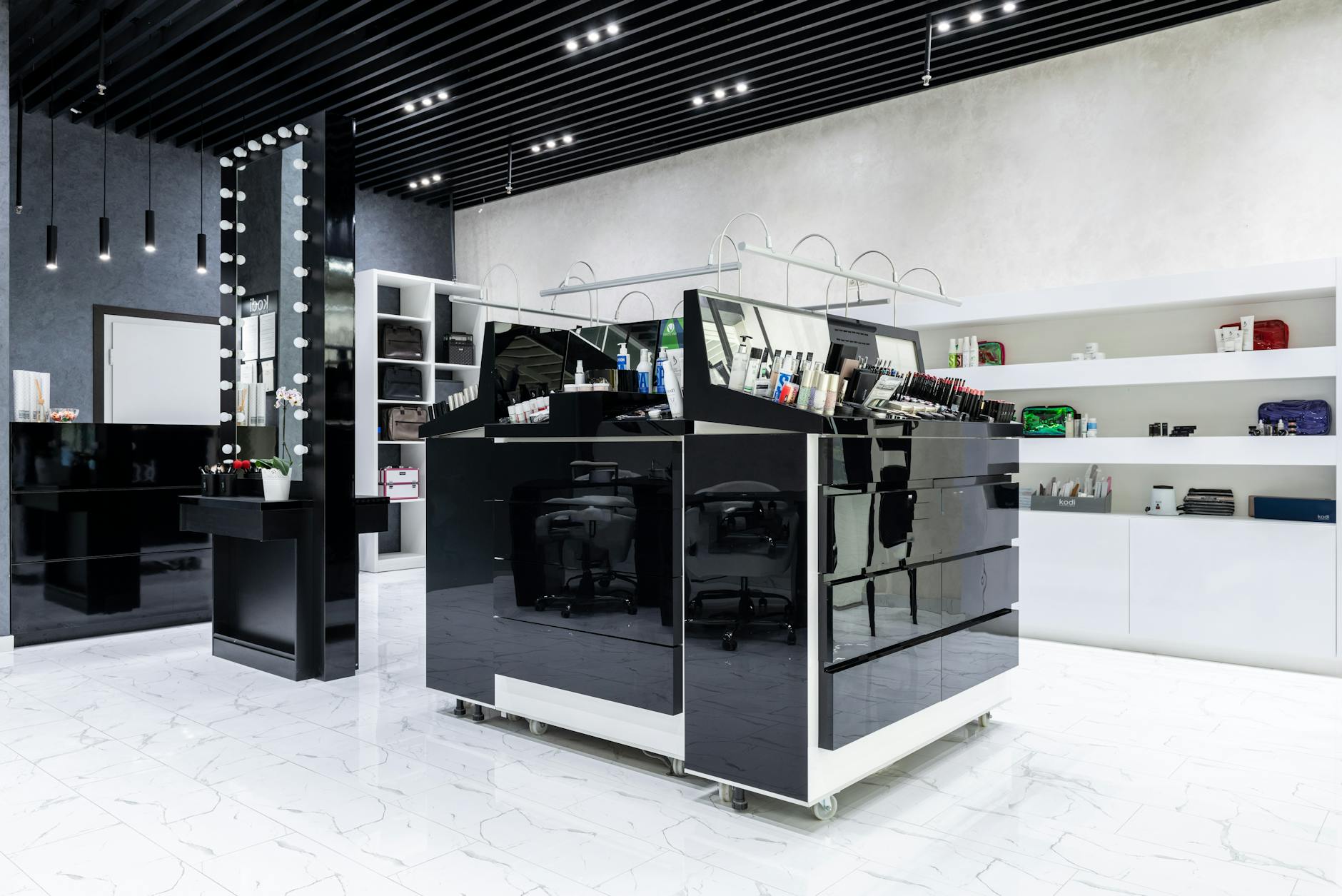
The trend toward mall presentations reflects fashion’s broader evolution toward inclusivity and accessibility. Just as fashion brands are staging shows inside active fire stations, the choice to present in commercial spaces sends a clear message about who fashion is meant to serve.
As shopping habits continue evolving and traditional fashion presentation formats feel increasingly outdated, expect to see more designers choosing venues where real life happens. The future of fashion shows lies not in exclusive venues that separate the industry from its customers, but in spaces where fashion and life naturally intersect. The mall runway represents fashion finally coming home to where people actually shop, live, and make the purchasing decisions that keep the industry alive.
Frequently Asked Questions
Why are designers choosing shopping malls for fashion shows?
Malls provide authentic environments, built-in audiences, and natural stages while allowing brands to reach regular consumers beyond industry insiders.
How do mall fashion shows benefit shopping centers?
Fashion shows bring media attention, social media buzz, and increased foot traffic to malls struggling with changing consumer habits and online competition.