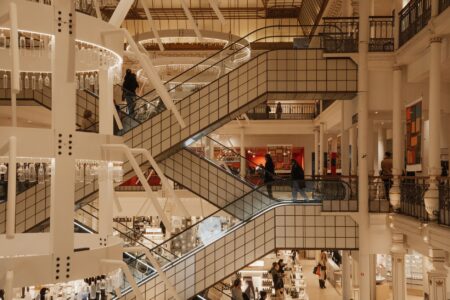




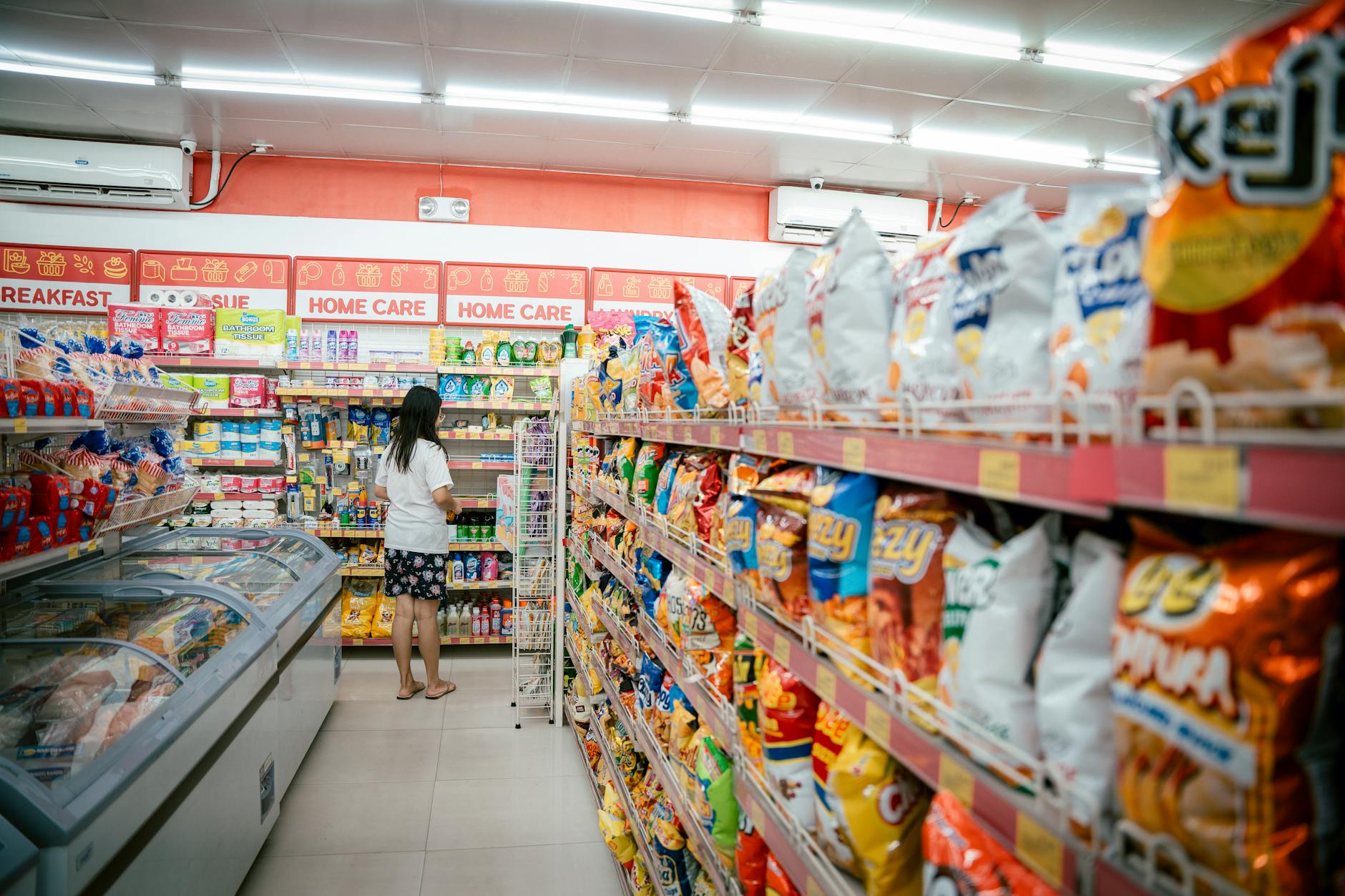
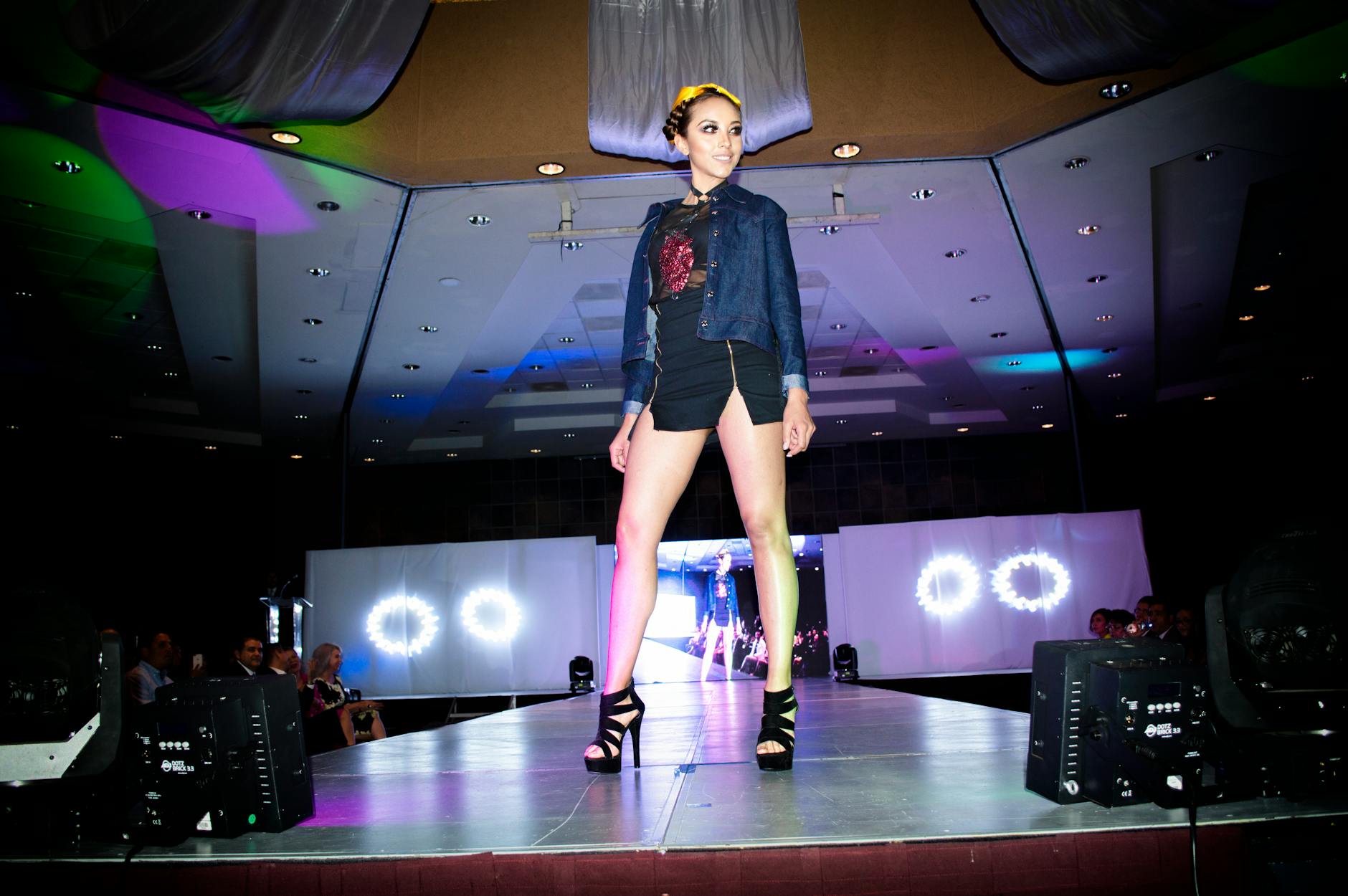
Fashion week just got a grocery list. Designers are abandoning traditional venues for the fluorescent-lit aisles of working supermarkets, turning everyday shopping trips into impromptu runway experiences. While shoppers reach for cereal and milk, models strut past produce displays in haute couture, creating an unexpected fusion of commerce and couture.
This unconventional venue choice reflects fashion’s ongoing quest to break down barriers between high fashion and everyday life. Grocery stores offer something traditional runways cannot: authentic human interaction with real consumers going about their daily routines.
The Appeal of Authentic Consumer Spaces
Grocery stores represent the ultimate democratic space where all demographics converge. Unlike exclusive fashion venues that cater to industry insiders, supermarkets naturally attract diverse audiences across age, income, and style preferences. Designers like Marine Serre and Christopher Kane have experimented with unconventional spaces, recognizing that fashion’s future depends on connecting with broader audiences.
The setting provides immediate context for how designs translate into real life. When a model walks past shoppers comparing yogurt prices while wearing a $3,000 jacket, the juxtaposition forces viewers to consider fashion’s place in everyday existence. This authenticity resonates particularly with younger consumers who value transparency and accessibility over exclusivity.
Store layouts also offer unique staging opportunities. Checkout lanes become natural runways, produce sections provide colorful backdrops, and freezer cases create dramatic lighting effects. The functional architecture of retail spaces challenges designers to work within existing infrastructure rather than building elaborate sets.
Logistical Challenges and Creative Solutions
Staging fashion shows in active grocery stores requires unprecedented coordination. Stores must maintain normal operations while accommodating models, photographers, and audiences. Some designers schedule shows during off-peak hours, typically early morning or late evening when foot traffic is lighter but stores remain operational.
Safety considerations multiply in working retail environments. Models must navigate around shopping carts, wet floors from produce misters, and restocking activities. Footwear choices become crucial – stilettos prove impractical on linoleum floors, leading designers to favor practical yet statement-making shoes that complement their collections.
Store partnerships prove mutually beneficial. Retailers gain unexpected publicity and demonstrate their commitment to community engagement, while designers access ready-made venues with existing lighting, sound systems, and climate control. Some grocery chains have embraced these collaborations, designating specific aisles for fashion presentations during predetermined time slots.
The movement builds on fashion’s exploration of unconventional venues, similar to Tokyo Fashion Week’s subway platform runways, which also utilized active transportation hubs to reach broader audiences.
Consumer Psychology and Brand Perception
The grocery store runway phenomenon taps into powerful psychological associations. Food shopping represents necessity, comfort, and routine – concepts traditionally opposite to high fashion’s luxury positioning. When these worlds collide, viewers experience cognitive dissonance that creates memorable impressions and social media moments.
Shoppers become unwitting participants in fashion theater. Their genuine reactions – surprise, curiosity, sometimes annoyance – provide authentic feedback that focus groups cannot replicate. These unscripted interactions often generate more engaging content than traditional runway coverage.
Brands benefit from associating with everyday accessibility while maintaining design integrity. The contrast between a $500 handbag and a $5 bag of apples highlights craftsmanship and value proposition in ways traditional venues cannot achieve. This positioning particularly appeals to conscious consumers who appreciate brands that acknowledge real-world contexts.
Social media amplification occurs naturally as shoppers document unexpected encounters with high fashion. User-generated content from these events often surpasses brands’ official posts in engagement and reach, providing organic marketing that money cannot buy.
Economic and Cultural Implications
The grocery store runway trend reflects broader shifts in consumer behavior and retail landscapes. As traditional department stores close and shopping habits evolve, fashion brands must find new ways to reach audiences where they actually spend time. Grocery stores represent one of the few remaining spaces where all demographics regularly gather.
This approach democratizes fashion show access while challenging industry hierarchies. Fashion weeks traditionally cater to buyers, press, and celebrities with limited public access. Grocery store shows reverse this dynamic, prioritizing everyday consumers over industry insiders.
The trend also highlights fashion’s environmental consciousness. Utilizing existing venues reduces carbon footprints associated with constructing temporary runway spaces. This sustainability angle appeals to environmentally aware consumers who increasingly factor ecological impact into purchasing decisions.
Some critics argue that staging shows in commercial spaces compromises artistic integrity, reducing fashion to mere marketing spectacle. However, proponents contend that fashion has always been commercial art, and grocery store venues simply make this reality explicit rather than hiding behind pretense.
Fashion’s migration to grocery store aisles represents more than novelty – it signals fundamental shifts in how brands connect with consumers. As the line between retail and entertainment continues blurring, expect more designers to embrace unconventional venues that prioritize authentic human interaction over traditional industry protocols. The future of fashion shows may well be found between the bread aisle and the checkout line, where real life meets runway dreams.
Frequently Asked Questions
Why are designers choosing grocery stores for fashion shows?
Grocery stores offer authentic consumer interaction, diverse audiences, and democratic spaces that traditional exclusive venues cannot provide.
How do models navigate active grocery stores during shows?
Shows are typically scheduled during off-peak hours with careful coordination, and models wear practical footwear suitable for retail floors.