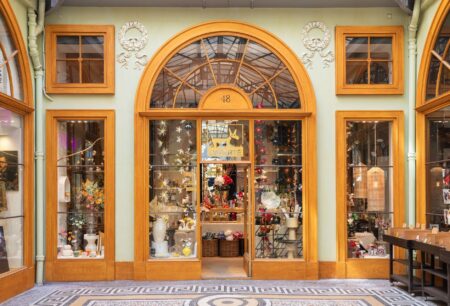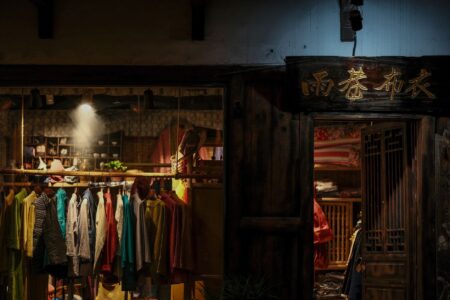





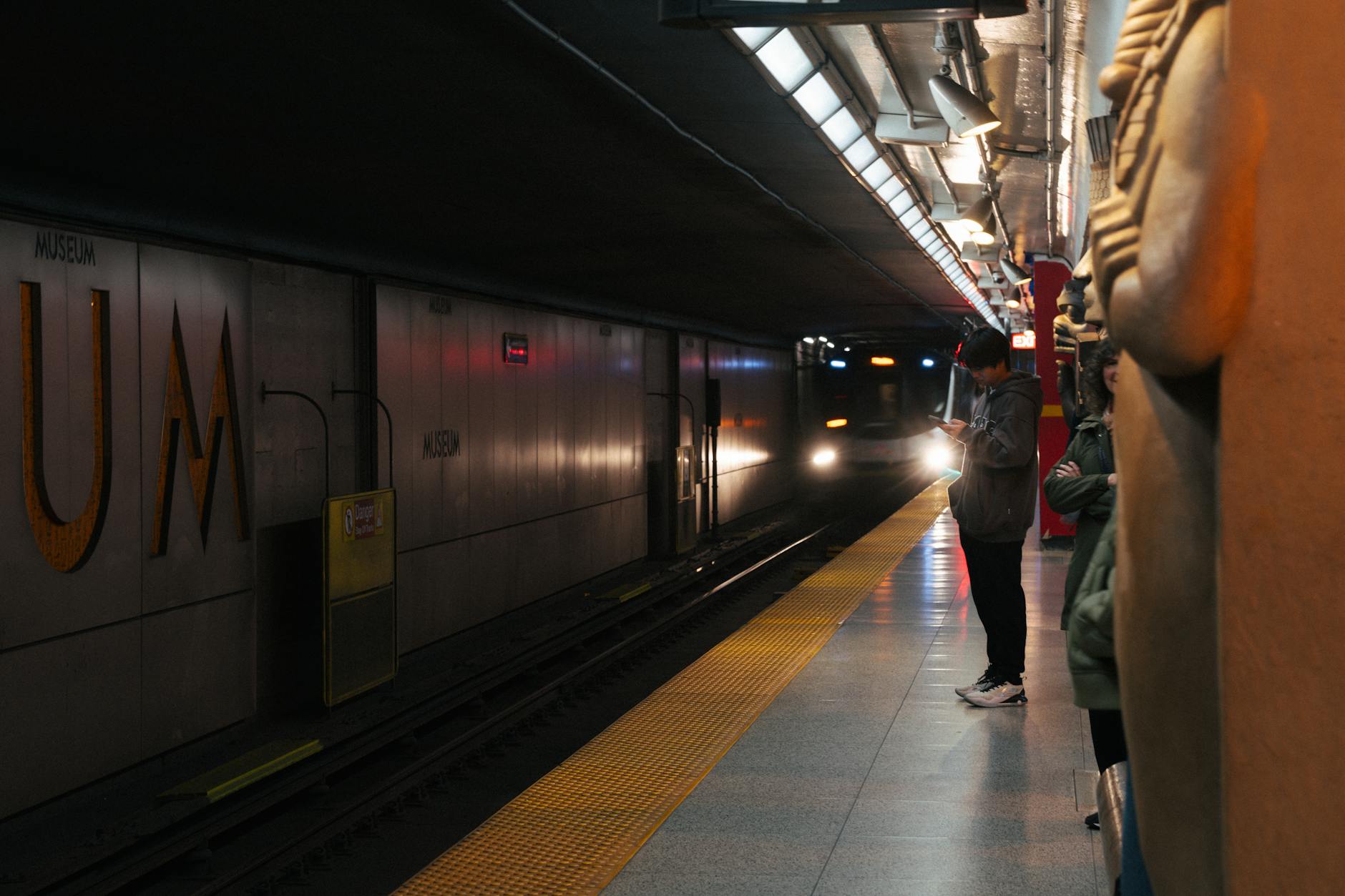
Models descended into Tokyo’s Ginza subway station at 11 PM, transforming commuter platforms into high-fashion runways. For the first time in Tokyo Fashion Week’s history, designers showcased collections in the city’s underground transit system, turning everyday urban spaces into avant-garde fashion venues.
The initiative, launched during Tokyo Fashion Week’s Spring/Summer 2024 season, represents a radical departure from traditional runway presentations. Three established Japanese designers – Yuki Hashimoto, Rei Kawakuchi, and Takeshi Yamamoto – collaborated with Tokyo Metro to stage shows on temporarily closed platform sections during off-peak hours.
Underground Fashion Revolution
The subway platform shows emerged from necessity and innovation. With traditional fashion week venues booking months in advance and costs skyrocketing, emerging designers sought alternative spaces. Tokyo Metro’s cooperation came after successful collaborations with art installations in their stations over the past two years.
Yuki Hashimoto opened the underground series with her “Transit” collection on the Ginza Line platform. Models walked between subway pillars while automated train announcements played overhead, creating an unexpectedly harmonious soundtrack. Her designs featured reflective fabrics that caught the platform’s fluorescent lighting, creating a futuristic aesthetic that complemented the industrial setting.
“The subway represents Tokyo’s pulse,” Hashimoto explained backstage. “Fashion should exist where people live, not just in sterile venues.”
The logistical challenges proved immense. Tokyo Metro required extensive safety protocols, limiting each show to 50 attendees plus essential crew. Sound systems had to work around transit announcements, while lighting designers adapted to existing platform illumination. Models rehearsed during early morning hours to familiarize themselves with the unique runway conditions.
International Fashion’s Location Shift
Tokyo’s subway experiment joins a global trend of fashion shows in unconventional venues. Earlier this year, Milan designers staged shows in active construction sites, while London Fashion Week featured presentations in abandoned Underground stations.
The movement reflects both economic pressures and creative ambitions. Traditional runway venues can cost upwards of $100,000 per show, while unconventional spaces often rent for significantly less. More importantly, these locations generate significant media attention and social media engagement.
Rei Kawakuchi’s “Metropolitan” collection, shown on the Marunouchi Line platform, explored themes of urban anonymity and connection. Her models wore structured coats with hidden LED strips that illuminated as they passed motion sensors – a direct response to the subway’s automated systems. The collection’s final look featured a dress embedded with transit card readers, allowing audience members to tap their IC cards against the fabric.
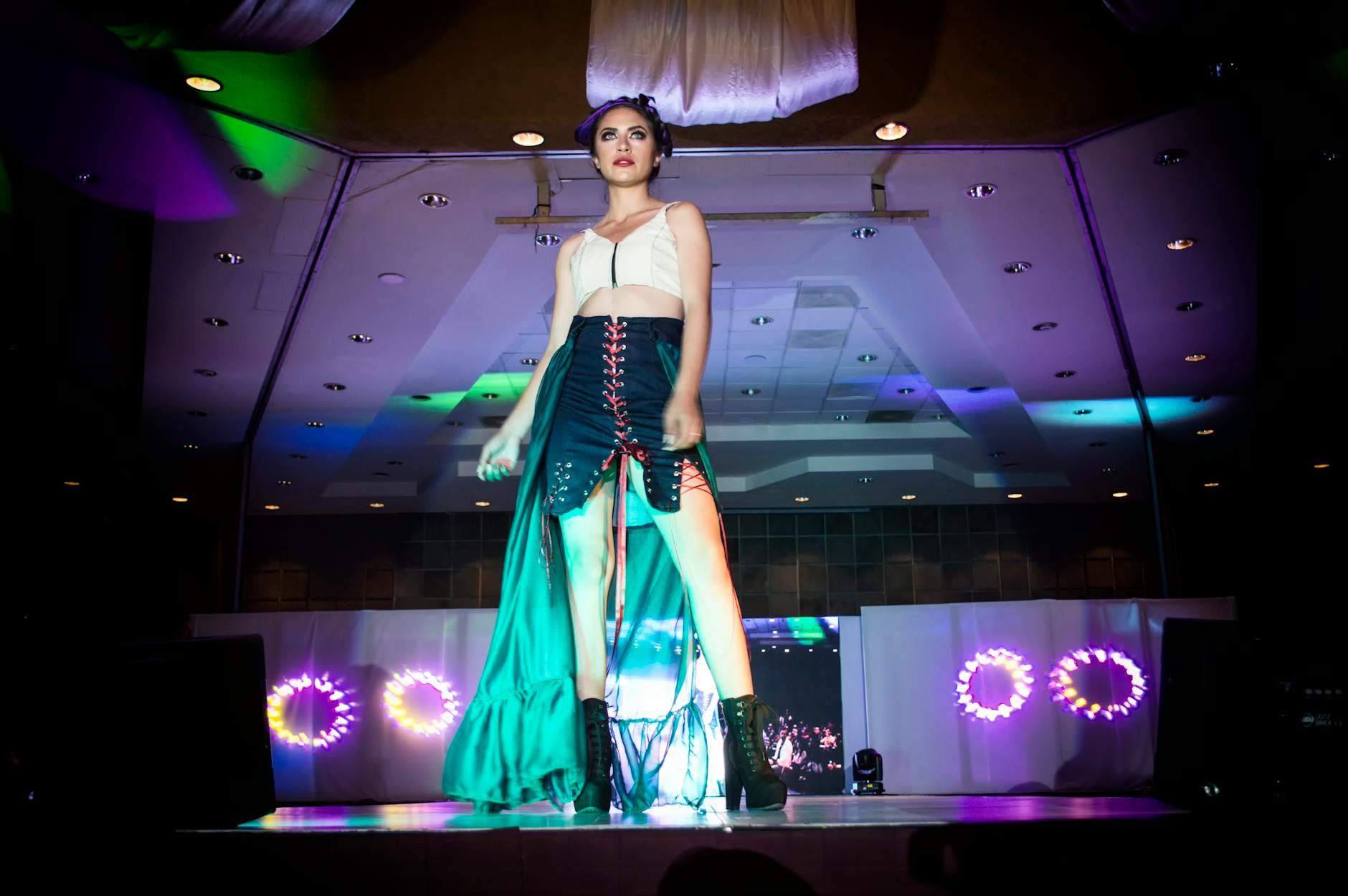
The Tokyo Metro collaboration required months of negotiation. Safety regulations demanded fire-resistant fabrics only, while noise restrictions limited music to ambient levels. Platform shows occurred between 11 PM and 5 AM, when train frequency dropped to allow for setup and breakdown.
Technology Meets Traditional Craftsmanship
The underground venues highlighted how technology enhances rather than replaces traditional fashion presentation. Takeshi Yamamoto’s “Subterranean” show utilized the platform’s existing digital signage system, programming custom graphics that responded to model movements through motion-tracking technology.
His collection celebrated Japanese textile traditions while incorporating modern urban elements. Kimono-inspired silhouettes featured subway map prints, while obi sashes included QR codes linking to the designer’s sustainability initiatives. The integration of traditional and contemporary elements resonated particularly strongly in the subway setting, where Japan’s ancient culture meets cutting-edge infrastructure daily.
Live streaming technology allowed global audiences to experience the shows remotely. Each presentation garnered over 100,000 viewers across Instagram, TikTok, and YouTube, significantly exceeding typical Tokyo Fashion Week digital engagement. The unique setting proved highly shareable, with attendee posts generating millions of impressions worldwide.
Behind-the-scenes content proved equally compelling. Time-lapse videos of runway setup between train schedules went viral, while interviews with Tokyo Metro staff revealed the extensive coordination required. The humanization of typically invisible infrastructure workers resonated with fashion audiences seeking authentic stories.
Industry Impact and Future Plans
The subway shows’ success has prompted broader discussions about fashion presentation’s future. Industry insiders report inquiries from other Asian fashion weeks about similar transit system collaborations. Seoul and Singapore officials have reportedly initiated preliminary discussions with local designers about subway venue possibilities.
Economic impact extends beyond individual designers. Tokyo Metro reported increased ridership on show days, with fashion enthusiasts traveling specifically to visit the temporarily transformed stations. Local businesses near participating stations saw notable foot traffic increases, particularly restaurants and bars staying open later to accommodate fashion week attendees.
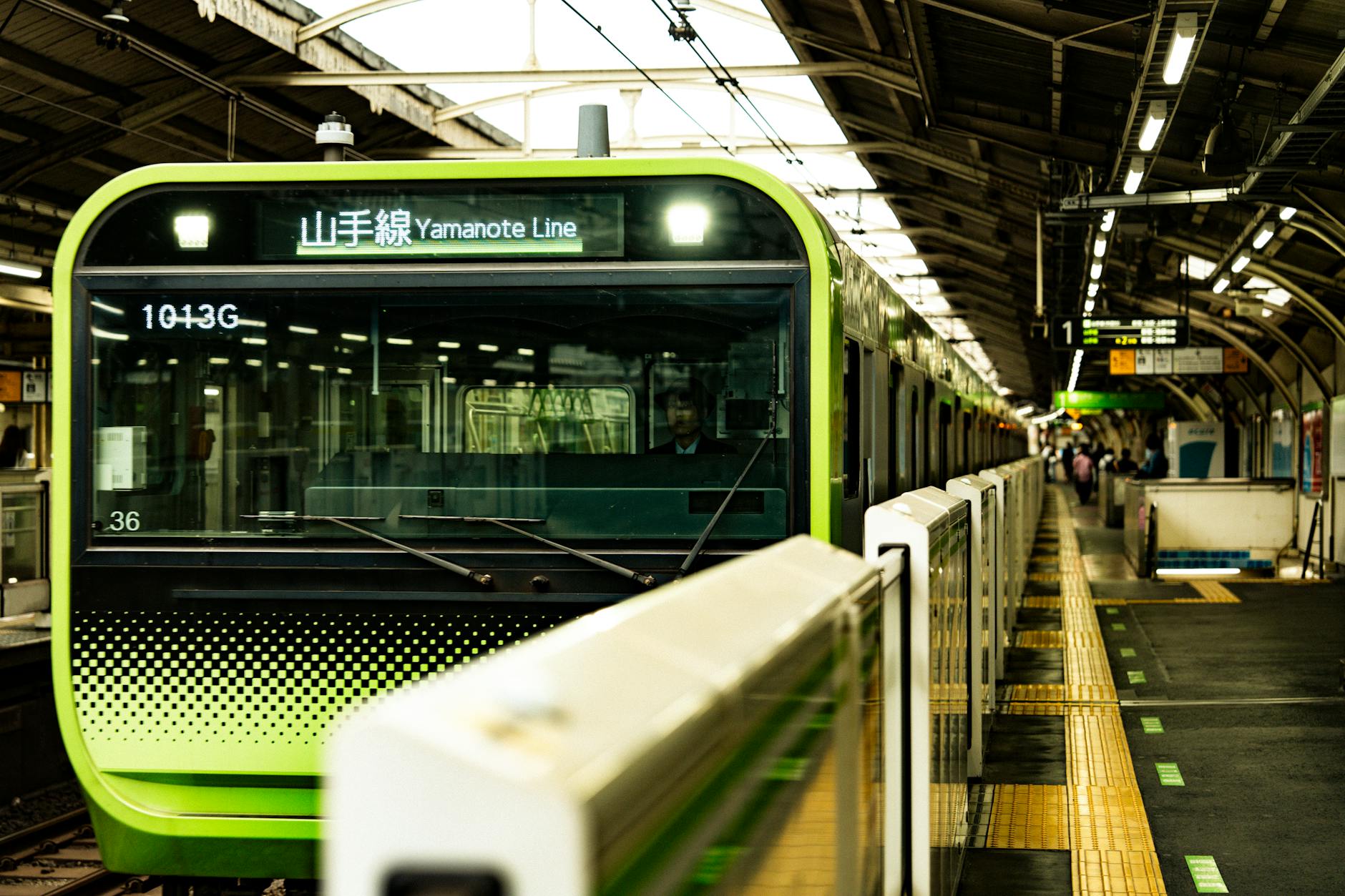
The collaboration’s sustainability aspects garnered particular attention. By utilizing existing infrastructure rather than constructing temporary venues, the shows significantly reduced material waste and carbon footprint. This approach aligns with fashion industry sustainability goals while demonstrating practical alternatives to resource-intensive traditional presentations.
Tokyo Fashion Week organizers announced plans to expand the subway program for the Fall/Winter 2024 season. Five additional designers have been selected for underground presentations, while Tokyo Metro indicated willingness to include more station locations. The success has also inspired conversations about utilizing other urban infrastructure – bus terminals, pedestrian bridges, and shopping mall corridors – as fashion venues.
The underground runway revolution represents more than venue innovation. It signals fashion’s increasing integration with urban life, moving beyond exclusive spaces to engage with city rhythms and public infrastructure. As Tokyo leads this transformation, the global fashion industry watches to see how public spaces might reshape creative presentation’s future.
Frequently Asked Questions
Which designers showed at Tokyo’s subway platform runways?
Yuki Hashimoto, Rei Kawakuchi, and Takeshi Yamamoto collaborated with Tokyo Metro to stage the first underground fashion shows.
What safety measures were required for subway fashion shows?
Tokyo Metro required fire-resistant fabrics, limited audiences to 50 people, and scheduled shows during off-peak hours between 11 PM and 5 AM.