




Two Nike Icons, One Unexpected Silhouette
Nike is pulling from two very different corners of its archive for its latest release. The brand has fused the Mercurial R9 – the soccer cleat built around Ronaldo Nazario’s playing style in the late 1990s – with the Air Max 95 running shoe to produce a hybrid called the Air Max Joga Bonito R9. The name itself borrows from the Portuguese phrase for “beautiful game,” which Nike used as a campaign slogan during the 2006 World Cup era.
The combination sounds improbable on paper: a performance cleat designed for grass and a cushioned road runner from 1995 don’t obviously belong together. But Nike has a long history of translating pitch aesthetics into wearable streetwear, and this particular pairing carries enough nostalgia weight – Ronaldo’s Mercurial cleat is still widely considered one of the most visually striking soccer boots ever produced – to make the concept land.
What the Mercurial R9 Brought to Football Culture
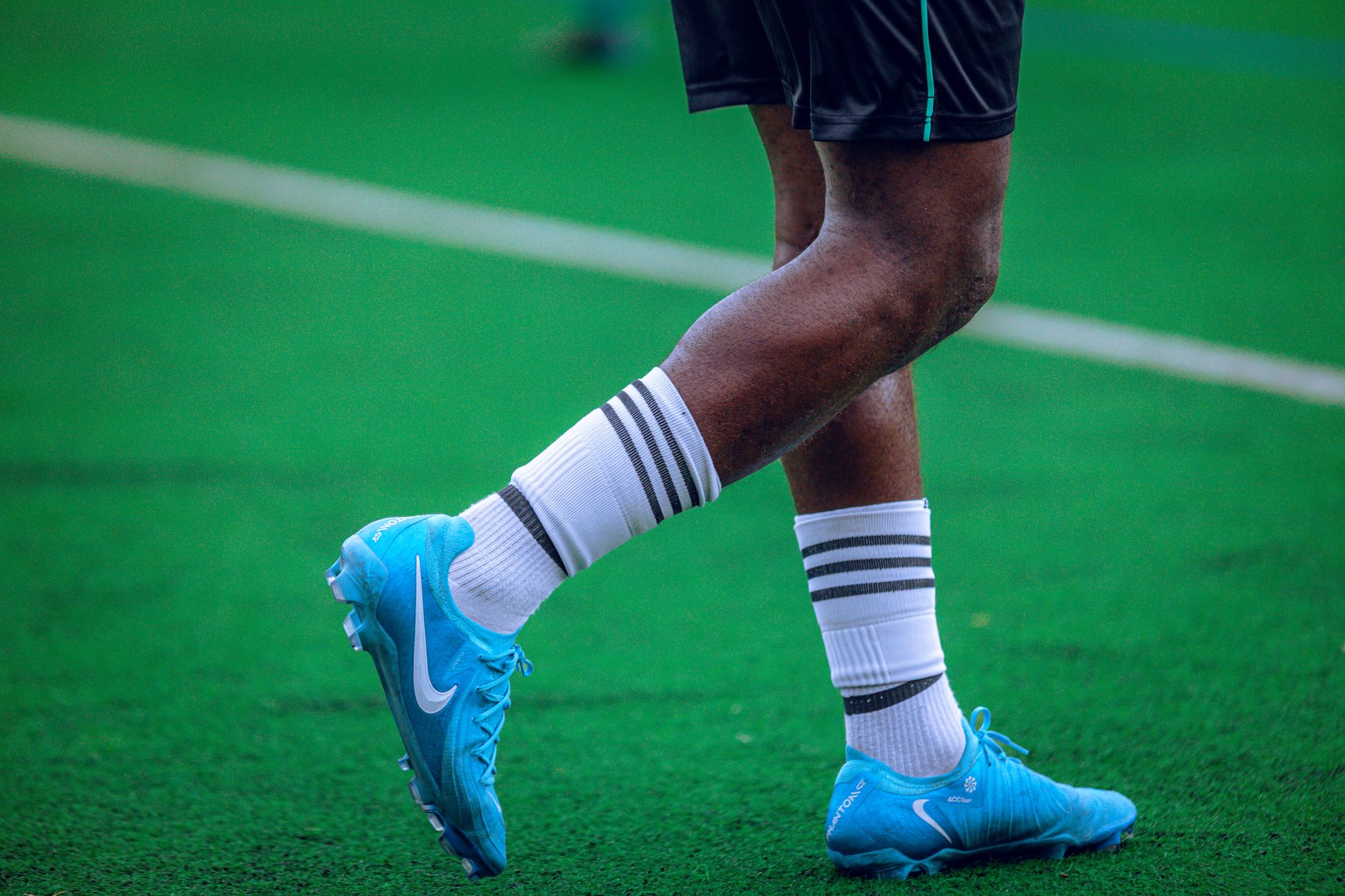
When Nike debuted the Mercurial in 1998, it was built specifically for Ronaldo, who was at the peak of his technical ability before a series of health setbacks altered his career. The boot was designed for speed – narrower, lighter, and more aggressive in its silhouette than most cleats available at the time. Its yellow-and-white colorway became instantly recognizable across the 1998 World Cup, even though Brazil lost the final to France. Ronaldo went on to win the tournament four years later in 2002, cementing both his legacy and the boot’s place in football history.
The Mercurial line continued well beyond that World Cup cycle, but the original R9 design retains a specific cultural cachet that later iterations never quite replicated. It sits in that narrow category of sports equipment that crossed over into fashion consciousness – not because it was marketed as a lifestyle product, but because the athlete wearing it was so dominant that the gear became symbolic by association.
The Air Max 95 as the Structural Foundation
The Air Max 95, designed by Sergio Lozano, launched with a silhouette inspired by the human body – the midsole’s stacked layers referencing the spine, the paneling on the upper referencing muscle groups. It was a running shoe with a visual language that made it feel more like industrial design than athletic footwear, which is part of why it aged so well outside of running contexts.
By placing the Mercurial R9’s aesthetic language onto the Air Max 95 chassis, Nike is essentially asking what a soccer cleat would look like if it had to survive on city pavement. The Air Max sole provides the visible Air unit and the everyday wearability; the upper pulls from the Mercurial’s colorways and surface textures.
The model designation on the Air Max Joga Bonito R9 is IX8646-001, which places it within Nike’s standard product numbering system. No modifications to that code have been announced, indicating this is being treated as a standard release rather than a limited collector’s item with separate SKU handling – though that could shift depending on how the rollout is structured closer to launch.
Nike has not yet announced a full retail price or a confirmed drop date for the Air Max Joga Bonito R9. Given that the brand has been steadily expanding its football-to-lifestyle crossover category, this release fits a clear pattern – but the specifics of distribution channels, regional availability, and retail partners remain unconfirmed at the time of writing.
Reading the Hybrid Trend in Nike’s Current Output
Nike has been working the hybrid format hard across multiple product categories. The brand has combined running technology with basketball aesthetics, trail shoe construction with casual uppers, and court shoes with skate sensibilities. The Joga Bonito R9 extends that logic into soccer – a category where Nike holds enormous brand equity through athlete partnerships but has historically struggled to translate on-pitch products into sustained streetwear success the way it has with basketball.
The R9 name is the variable that makes this release distinct from generic hybrid exercises. Ronaldo Nazario’s status in global football is specific enough that invoking his associated boot carries meaning beyond nostalgia marketing. Whether that meaning translates into consistent demand across markets outside of Brazil, Portugal, and Western Europe – where his legacy is most deeply embedded in football culture – is a real question the release will have to answer.
What the Release Signals for Nike’s Archive Strategy
Nike has been increasingly deliberate about which archive pieces it brings back and in what form. A straight Mercurial R9 reissue would have served one audience – collectors and football purists. Placing that design language onto an Air Max 95 base reaches a different consumer entirely: someone who grew up watching Ronaldo but whose daily footwear life doesn’t include cleats. The Joga Bonito R9 is calibrated for that second group.
The Air Max 95 itself has had multiple strong commercial moments in recent years, particularly in the UK market where it has held consistent streetwear relevance since the late 1990s without significant interruption. Attaching the Mercurial R9 story to that existing fanbase gives Nike a narrative hook that doesn’t require much explanation to land. The product number IX8646-001 is logged, the silhouette exists – what’s still missing is the date.