



Arthur Ashe Stadium Becomes Fashion’s Unexpected Proving Ground
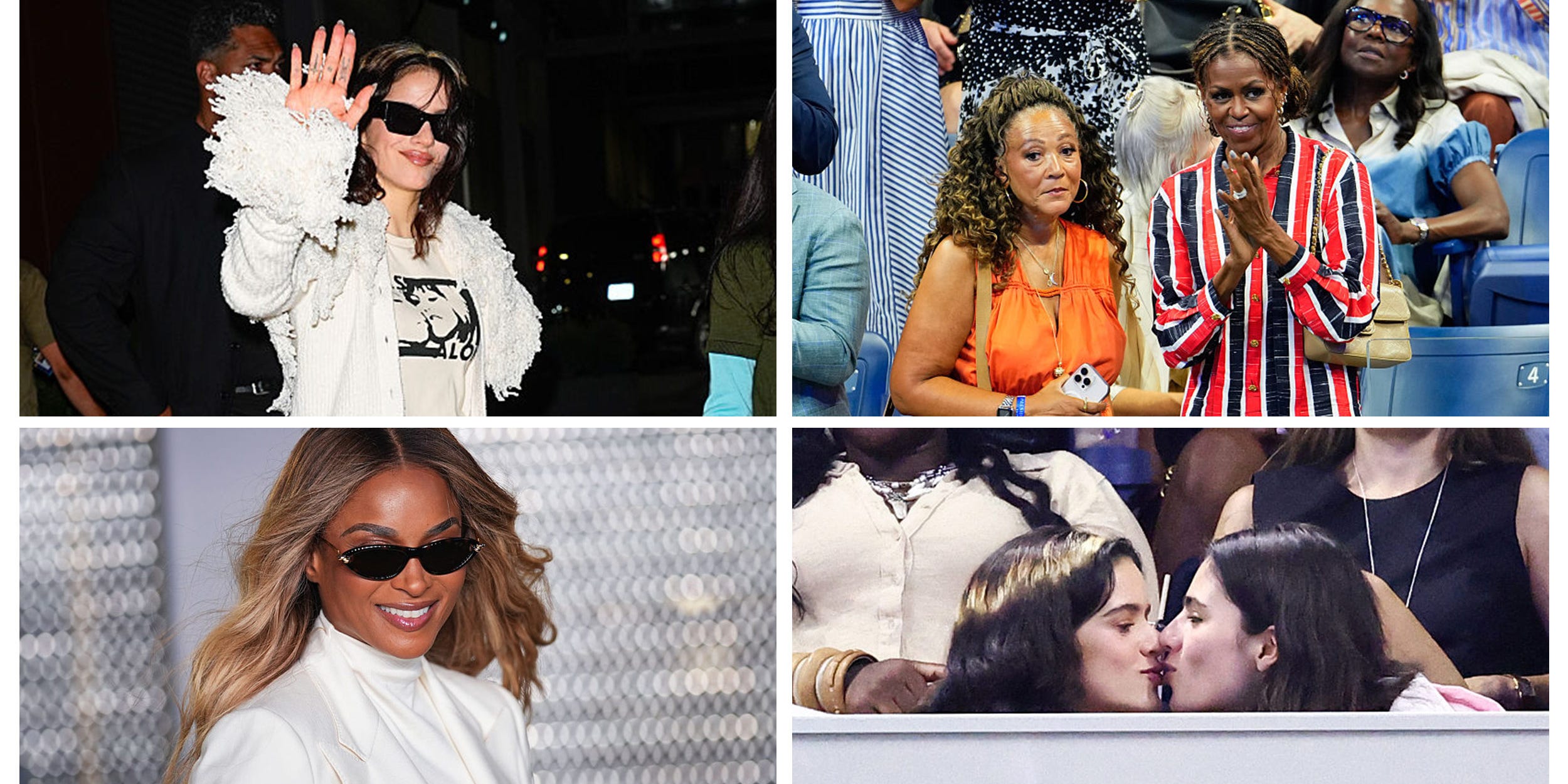
The US Open has long operated as something more than a tennis tournament for the fashion world. Every late summer, Flushing Meadows pulls together a crowd that would rival any premiere guest list – and the 2026 edition did nothing to disappoint. From Michelle Obama to Rosalía, the stands filled with names that moved as much editorial copy as the match results themselves.
What made this year’s turnout notable wasn’t just the volume of recognizable faces, but the range – former heads of state seated rows away from pop stars, Hollywood veterans alongside emerging talents, all watching the same baseline rallies under the same open sky. The USTA Billie Jean King National Tennis Center, for those few weeks each year, becomes a neutral ground where the usual hierarchies of fame compress into bleacher rows and courtside chairs.
The Names That Defined the Moment
Michelle Obama’s attendance drew immediate attention, as it tends to wherever she appears publicly. Her presence at the 2026 US Open carried the particular weight it always does – effortlessly watched, photographed from every angle, her outfit choices dissected within minutes of her settling into her seat. Nicole Kidman, equally scrutinized, brought the kind of composed elegance that reads well in the sharp outdoor light of the stadium’s daytime sessions.
Elle Fanning arrived as part of a younger contingent that gave the crowd its forward-facing energy. Fanning, whose screen work has steadily built a specific kind of cultural currency, translated that into a stadium presence that photographers clearly anticipated. Rosalía, whose visual identity is as deliberate as anything she produces musically, carried her own aesthetic logic into the seats – the kind of appearance that doesn’t read as incidental, but as considered.
Each of these names brings a distinct audience and a distinct set of associations. Obama occupies a category almost entirely her own. Kidman operates at a register of established prestige that few peers match. Fanning and Rosalía, by contrast, represent a newer frequency – figures whose influence travels faster through different channels, whose presence at a major sporting event signals that the event still holds cultural weight for people who have plenty of other places to be seen.
What the US Open Does for a Celebrity’s Visual Story
Sporting events occupy a specific and underappreciated place in a public figure’s visual calendar. The dress code, if it can be called that, is looser than a film premiere or a Met Gala, but not without expectation. There’s a particular tension to dressing for a tennis match at this level – the setting is athletic, the audience is massive, the cameras are constant, and the occasion technically calls for nothing formal at all.
That tension tends to produce the most interesting fashion moments. Without a red carpet to structure what’s expected, the US Open forces a kind of casual authenticity that more formally staged appearances can’t replicate. A wrong note reads differently here – not as a fashion misstep on a carpet, but as a misread of context, which is arguably more revealing.
The Crowd Beyond the Front Row
The celebrity ecosystem at the US Open doesn’t function through a single dominant presence. It accumulates. One recognizable face at a Day 1 match creates a different atmosphere than a dozen spread across two weeks of competition, which is closer to what the 2026 tournament produced. The cameras swung between the court and the stands with equal frequency, finding new subjects in the same way a street photographer works a crowded sidewalk.
The sightings of Michelle Obama, Nicole Kidman, Elle Fanning, and Rosalía formed the most-discussed cluster, but the broader crowd around them contributed to the event’s atmosphere. Major tennis tournaments rely on this layering – the sport itself at the center, and a surrounding social spectacle that gives people who aren’t tennis obsessives a reason to pay attention and, more importantly, a reason to keep watching their feeds for the next notable arrival.
For fashion editors and stylists, the US Open functions as a kind of informal mood board for transitional dressing – the specific window between summer’s peak heat and the first cool evenings of early fall when clothes have to work across conditions. What the women in those stands wore at the 2026 tournament will filter into the visual references that inform editorial decisions for months, even when no one explicitly credits the source.
There’s also something worth noting about the particular cultural moment the US Open occupies on the calendar. It arrives at the end of August and runs into September, bookending the summer in a way that fashion’s own schedule mirrors almost exactly. New York Fashion Week follows within days of the tournament’s close, and the city is already beginning its annual shift in register – slightly faster, slightly more interior-focused, the outdoor expansiveness of summer tightening into something more directed. The celebrities who show up at the US Open are, in some sense, already dressing for what comes next.
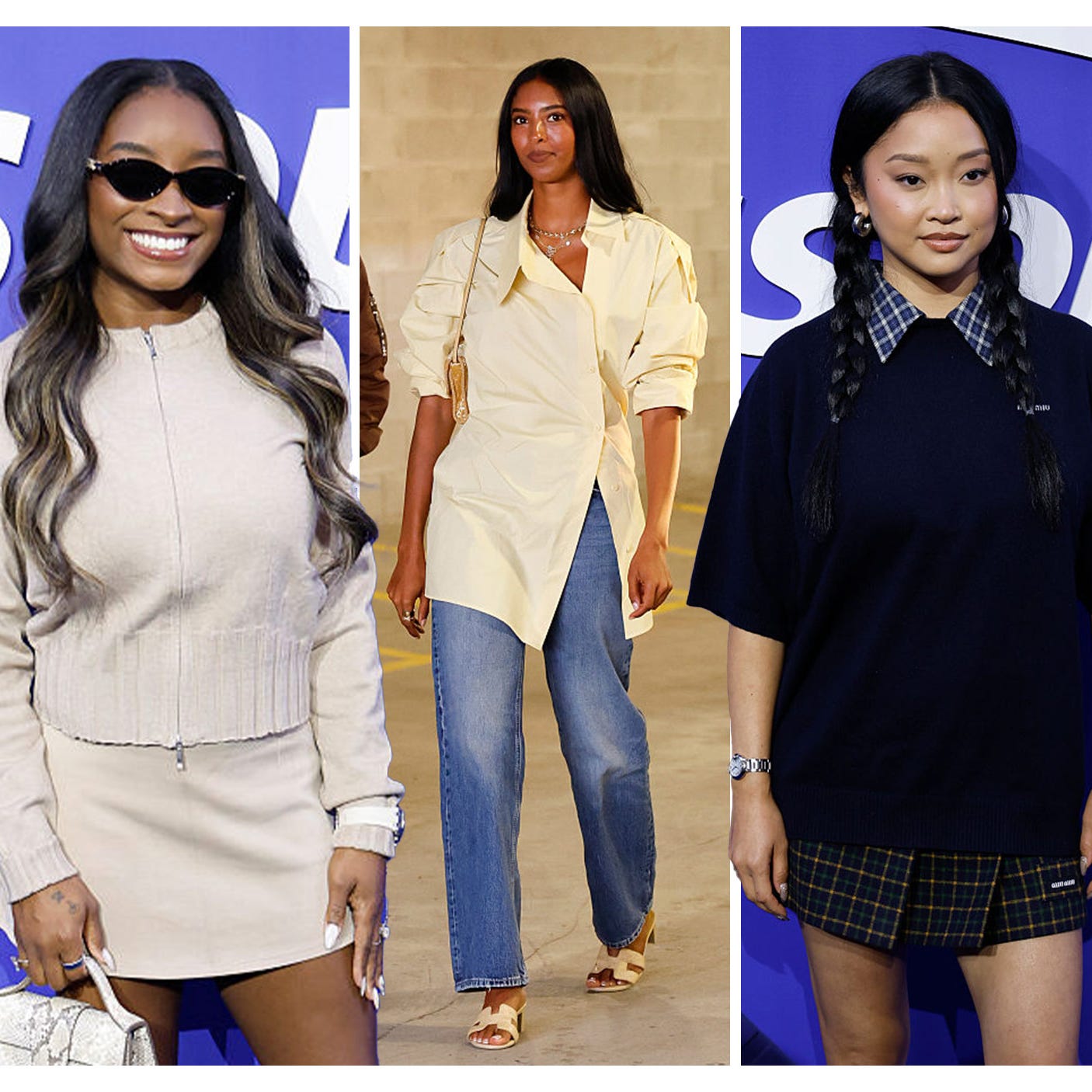
Whether Rosalía’s chosen look from the 2026 tournament ends up cited in a mood deck somewhere, or whether Nicole Kidman’s courtside appearance gets pulled for a reference file on transitional tailoring, is the kind of question that never gets asked aloud in any meeting. It just happens, quietly, through the accumulation of images that events like this produce – and the US Open, year after year, keeps producing them.