




A Century on the Shop Floor, One Night on the Runway
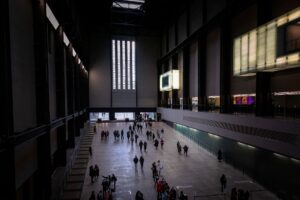
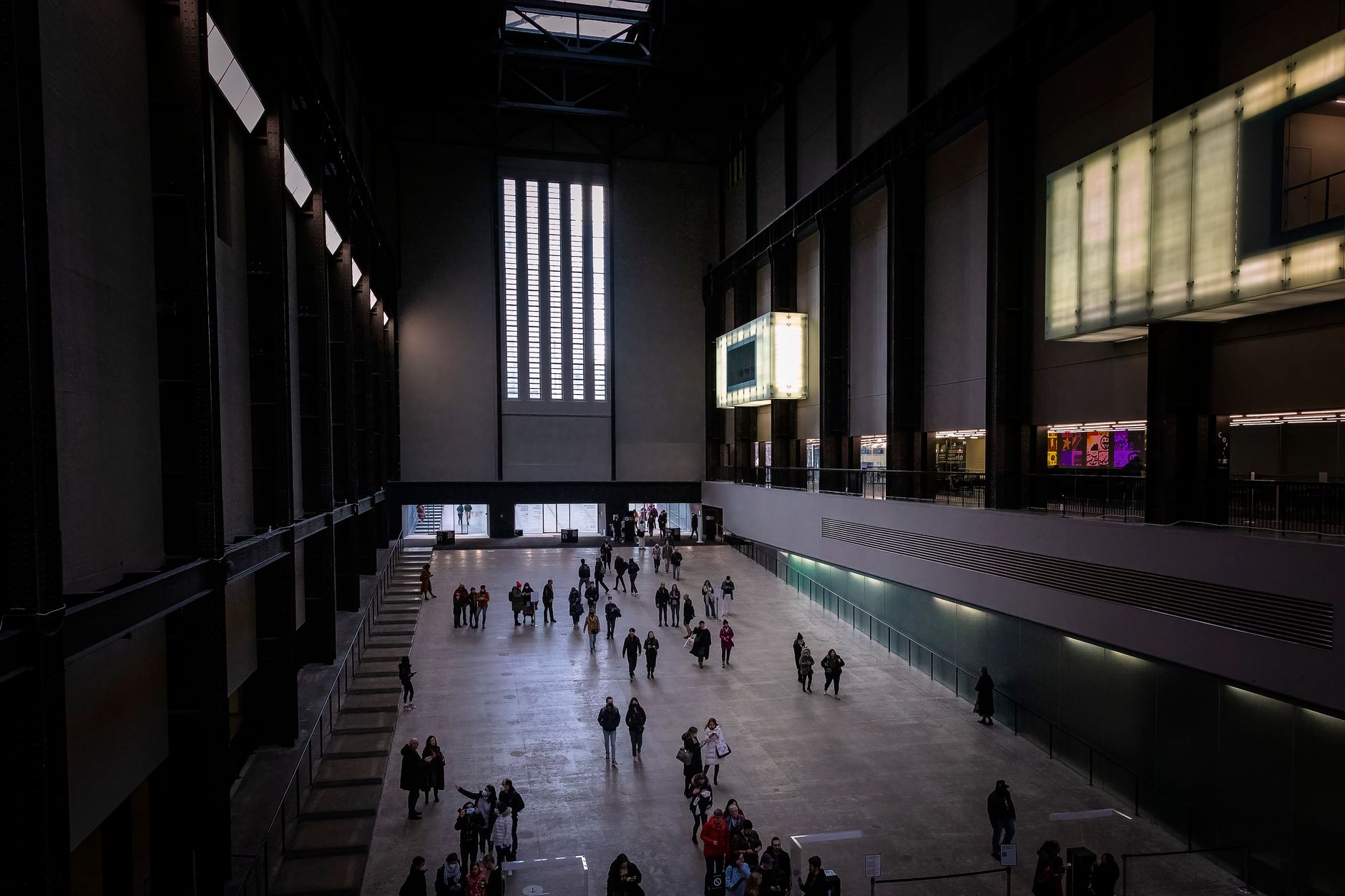
Marks & Spencer has been dressing Britain for a hundred years, but it has rarely dressed it quite like this. To mark a century in fashion, the retailer staged a see-now, buy-now show at London’s Design Museum – a venue that announced, from the moment guests arrived, that this was not a standard high-street moment. The choice of location was pointed: a building dedicated to the relationship between objects and culture, hosting a brand that has spent a century arguing that good design does not have to be expensive.
The format – see-now, buy-now – meant that every look that crossed the floor was already available for purchase, collapsing the gap between spectacle and transaction that most runway shows keep deliberately wide. For a retailer with M&S’s volume and reach, that decision carries real weight. There is no waiting six months for a customer to remember what she saw.
The Cast Made the Statement Before a Single Look Appeared
Before the clothes even registered, the lineup of models did the arguing. Erin O’Connor, Lara Stone, Jodie Kidd, and Karen Elson walked the show – four women whose careers collectively span the better part of four decades at fashion’s highest levels. The decision to cast them was not incidental. Each one carries a specific visual and cultural history: O’Connor’s severe, architectural presence; Stone’s languid blond ease; Kidd’s height and angular energy; Elson’s red-haired, almost painterly quality.
Casting models of this stature for a centenary show at M&S is a statement about where the brand sees itself standing in 2026. These are not influencer faces borrowed from social media for a weekend. They are women who have appeared on the covers of Vogue, walked for McQueen and Versace, and whose names still mean something to a wide range of consumers – including the demographic that has shopped M&S for decades and remembers exactly who these women are.
Snappy Looks for a Brand That Has Earned the Confidence
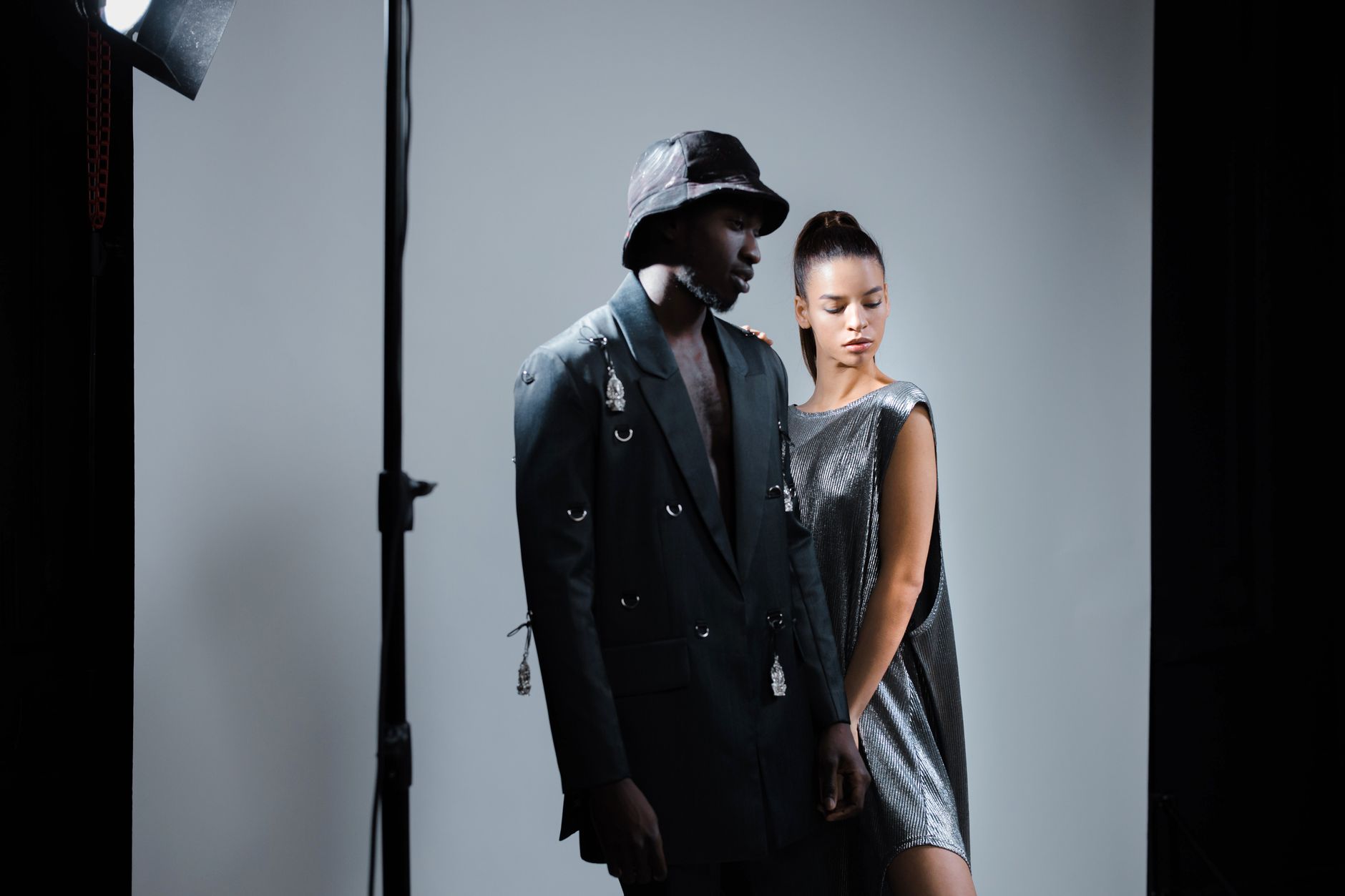
The collection itself was described as full of snappy looks – a word that implies speed, sharpness, and a refusal to be dowdy. For M&S, which has spent years shaking off a reputation for safe-to-the-point-of-invisible dressing, “snappy” is almost a manifesto. A hundred years in, the brand is not celebrating by going quiet. It is celebrating by going direct.
The see-now, buy-now structure reinforces that directness in practical terms. Most luxury houses that have experimented with the format eventually retreated from it, citing the pressure it places on production timelines and the way it disrupts wholesale relationships. M&S does not have the same wholesale problem – it is its own retailer, its own distributor, its own shop window. The format suits its business in a way it simply never suited a Burberry or a Tom Ford.
What the Design Museum setting added was a layer of cultural seriousness that the brand is clearly ready to claim. Holding a centenary celebration in a museum – rather than a hotel ballroom or a branded pop-up – signals that M&S is asking to be read as part of British design history, not just British retail history. That is a different kind of ambition, and the venue made it legible without anyone having to say it aloud.
The collection’s energy, filtered through the physicality of O’Connor, Stone, Kidd, and Elson, landed with a weight that a younger, less recognizable cast might not have delivered. These are women who know how to make clothes move. More than that, they know how to make clothes mean something beyond the hanger – a skill that takes years to develop and cannot be replicated by reach or follower count.
What a Hundredth Year Actually Looks Like
There is a version of a centenary celebration that retreats into nostalgia – archive prints, heritage colorways, a slideshow of old advertisements. M&S chose the opposite direction. A live runway show, a contemporary cultural venue, a cast of working fashion professionals, and a collection designed to be bought on the day it was seen. The centenary was the occasion, not the content.
That distinction matters. Brands that spend anniversary moments looking backward often signal, without meaning to, that their best years are behind them. M&S spent its hundredth year in fashion looking directly at the customer standing in front of it – and asking her to buy something now, tonight, before she leaves the building.
The Design Museum, the Models, and the Morning After
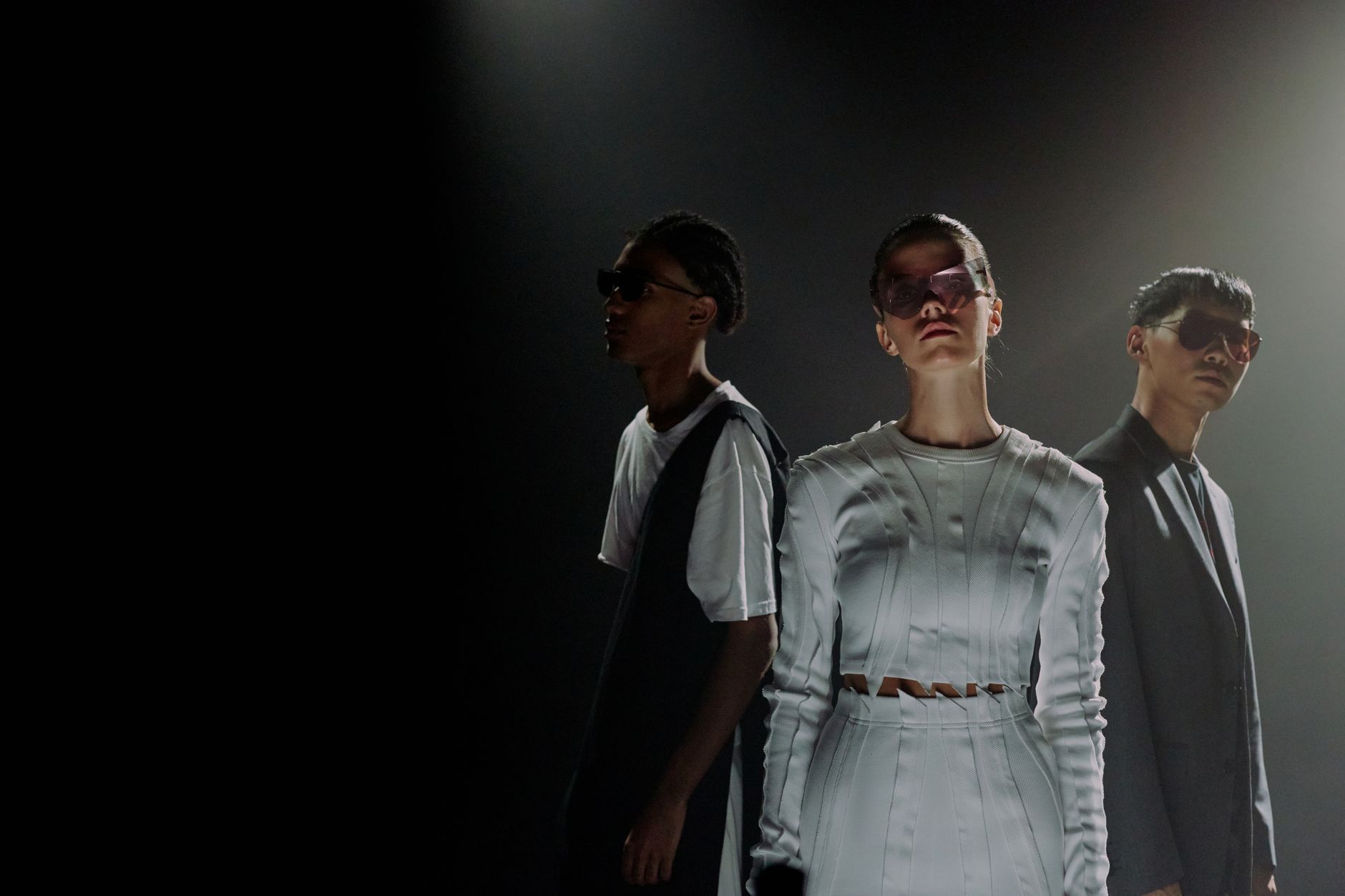
By staging a show that was simultaneously an editorial event and a retail transaction, M&S compressed something the industry usually keeps separated: the dream of the runway and the reality of the shopping bag. Whether the British public received it as a fashion moment or as an unusually glamorous advertisement is, in some ways, beside the point. The clothes were available. The models were extraordinary. The venue gave the whole thing a frame it could hang inside.
Karen Elson alone on a runway, in a room designed by architects who think seriously about how objects communicate – that image does not require explanation. What it requires is a follow-up collection that can hold the weight of the occasion M&S has now set for itself. The Design Museum show raised the bar. The question is whether the next hundred looks match it.