




Court Entrance as Fashion Moment
The tunnel walk – long the domain of NBA players draped in Margiela and Bottega – has found a new address: the 2026 US Open.
How Tennis Got a Pre-Match Dress Code
For years, the fashion conversation around professional tennis centered almost entirely on what players wore during matches – the pleated skirts, the branded polos, the shoe colorways dropped as limited editions. The pre-match entrance was an afterthought, a walk from locker room to baseline that nobody photographed with any particular intention. That has changed at the 2026 US Open, where male tennis players have started treating the tunnel walk as its own performance, arriving at Flushing Meadows in looks that have nothing to do with athletic wear and everything to do with personal style.
The shift borrows directly from basketball culture, where the pre-game entrance evolved over the past decade into a full editorial moment. Players like Russell Westbrook and LeBron James essentially turned the walk from the bus to the arena into a runway, and the media infrastructure around it – photographers, style recaps, social posts – followed. Tennis is now running the same play, and the 2026 US Open appears to be the event where it has crystallized into something consistent enough to call a trend.
What makes this particular to tennis is the contrast it creates. On court, players are bound by tournament dress codes and sponsor agreements – a certain collar here, a mandated logo placement there. The tunnel walk exists outside those restrictions. It is the one moment in a Grand Slam week where a player’s outfit answers only to the player. That freedom is producing results that feel genuinely considered rather than dressed-by-committee.
The 2026 US Open, held at the USTA Billie Jean King National Tennis Center in Queens, New York, is shaping up to be the most fashion-forward Grand Slam of the current season based on the volume and quality of pre-match looks that have already circulated. Wimbledon enforces its all-white rule on court, and Roland Garros leans heavily into its clay-red visual identity. The US Open carries no such on-court color restriction and has always skewed toward a more expressive, New York-inflected energy – which makes it the logical venue for this kind of style escalation.
What the Players Are Actually Wearing
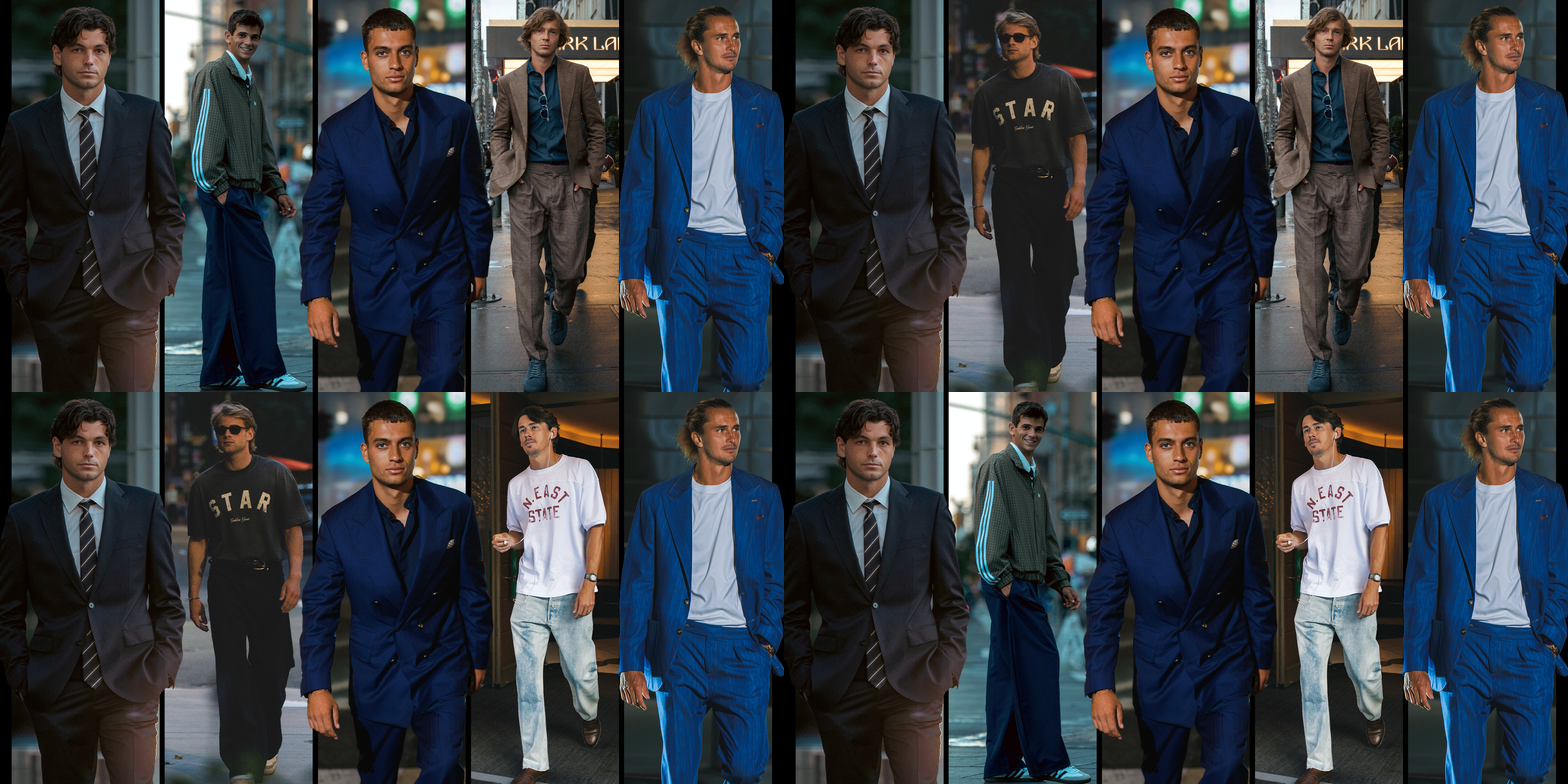
The looks arriving at Flushing Meadows in 2026 are pulling from several distinct directions at once. Some players are leaning into tailoring – structured trousers, fitted jackets worn open over a plain tee, leather accessories that read as deliberate without being overdressed. Others are working a more streetwear-adjacent register: oversized silhouettes, graphic pieces, sneakers that coordinate with the bag rather than the outfit. The range is wide enough that there is no single tunnel-walk aesthetic emerging, which is arguably what makes it interesting.
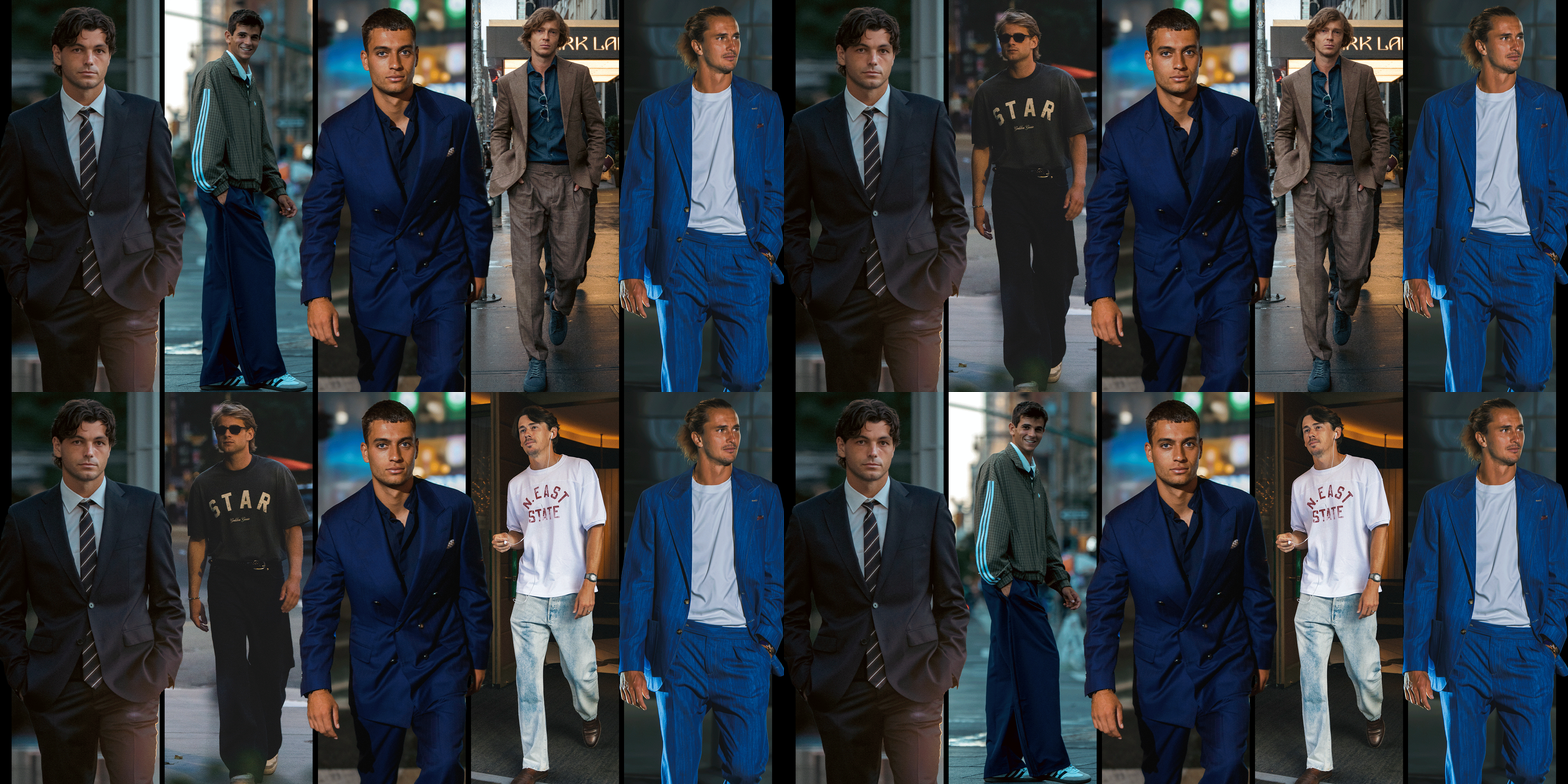
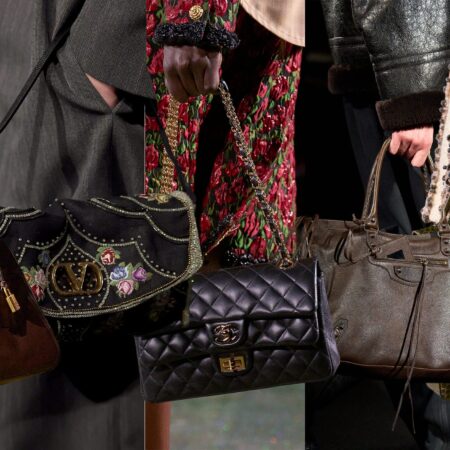
Accessories are carrying significant weight in these looks. Tennis players travel with racket bags as a matter of necessity, and in 2026 those bags have become styling objects – some players matching them to outerwear, others letting them function as a deliberate contrast. Sunglasses, hats, and jewelry are appearing with a frequency and intentionality that suggests players are assembling full looks rather than grabbing whatever was clean. The details are too consistent to be accidental.
Footwear choices are particularly telling. A player who will spend two hours in performance court shoes is walking the tunnel in something entirely different – vintage sneakers, fashion-brand collaborations, or clean leather styles that have no athletic function. This is the same logic NBA players applied to their pre-game fits, where the shoe choice became a signal of taste and cultural literacy. Tennis players are reading from the same playbook, even if the court surface they compete on is very different from hardwood.
The styling intelligence on display varies by player, but the ambition is consistent. Some looks are clearly assembled with outside help – a stylist, a brand partnership, a team of people whose job is to make the entrance land. Others read as genuinely personal, the kind of outfit a person puts together because they actually care about clothes and have spent time thinking about what they like. Both are valid, and both are producing images that circulate well beyond the sports press into fashion media.
The US Open’s New York setting amplifies all of this. Flushing Meadows is a 45-minute subway ride from some of the most photographed streets in fashion, and the city’s cultural energy – its appetite for spectacle, its tolerance for maximalism, its long history of treating public appearance as a form of self-expression – seeps into everything that happens within the tournament grounds. Players arriving in New York for a Grand Slam are arriving in a city that has opinions about what you wear, and some of them are dressing accordingly. The layering instincts visible in broader street style are showing up in these tunnel looks too – pieces stacked with enough intention that the outfit rewards a second look.
What Follows the Entrance
The question now is whether the infrastructure catches up to the moment. Basketball’s tunnel walk became a media institution because the NBA, teams, and media outlets all invested in covering it – dedicated photographers, post-game style recaps, partnerships with fashion publications. Tennis has the raw material but not yet the full apparatus. If the 2026 US Open generates enough style coverage, the tournament and its broadcast partners may start treating the pre-match entrance as a scheduled content moment rather than incidental footage.
Sponsors are already paying attention. Tennis players carry significant endorsement portfolios, and fashion and lifestyle brands have historically focused their tennis partnerships on on-court product placement. The tunnel walk opens a second inventory of visibility – one that reaches an audience that may never watch a full match but will absolutely engage with a well-photographed pre-match look on Instagram. Whether brands formalize that into tunnel-specific agreements, the way they have in the NBA, is the commercial question sitting directly underneath the style one.