




Nail salons across major cities report a surge in clients requesting ethereal, paint-splashed designs that blur the lines between beauty treatment and fine art. The watercolor nail trend transforms fingertips into miniature canvases where soft pastels blend and bleed like actual watercolor paintings.
This technique abandons the sharp precision of traditional nail art for something more organic.
Artists achieve the effect by applying wet polish to create natural bleeding patterns, mimicking the unpredictable beauty of watercolor paper. The result resembles tiny Monet studies adorning each nail, complete with the dreamy, unfocused quality that made Impressionism famous.
The Technical Challenge Behind the Aesthetic
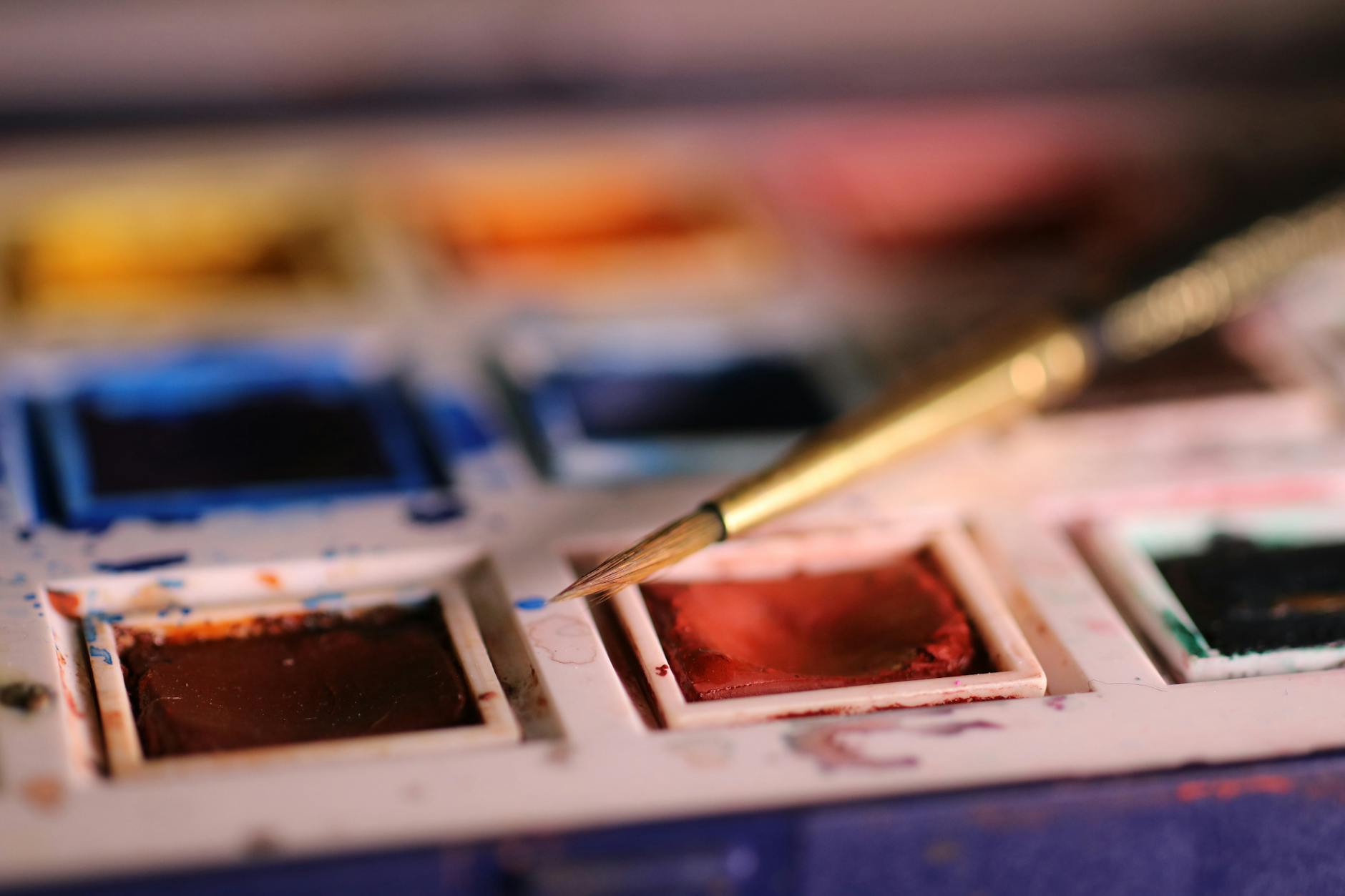
Creating authentic watercolor effects on nails requires precise timing and chemistry knowledge that separates skilled technicians from amateur attempts. The artist must work with polish while still wet, using specialized brushes and blending tools to encourage the organic bleeding patterns that define the look. Too much moisture creates muddy colors, while insufficient blending produces harsh lines that destroy the watercolor illusion.
Professional nail artists report spending significantly more time per client when executing watercolor designs. The technique demands multiple thin layers applied at specific intervals, with each coat requiring careful manipulation before it sets. Some salons now charge premium rates for watercolor manicures due to the extended appointment times and specialized skill requirements.
Color selection proves equally important, as certain polish formulations blend more successfully than others. Sheer bases work better than opaque formulas, while complementary color combinations create more natural-looking gradients. Artists often mix custom shades on the spot to achieve the perfect transparency and flow characteristics needed for authentic watercolor effects.
From Instagram Experiment to Salon Staple

The watercolor nail movement originated from nail artists experimenting with unconventional application techniques during slower periods in their salons. Social media documentation of these experiments caught attention from beauty influencers, who began requesting similar designs for photo shoots and events. What started as creative exploration quickly evolved into one of summer’s most requested nail services.
Celebrity endorsements accelerated the trend’s mainstream adoption. High-profile appearances at red carpet events showcased watercolor nails as sophisticated alternatives to traditional French manicures or bold solid colors. The subtle, artistic quality appeals to clients seeking understated elegance with creative flair. Fashion week presentations further elevated the technique when multiple designers specifically requested watercolor nails to complement their collections’ artistic themes.
Nail supply companies responded by developing specialized products designed specifically for watercolor effects. New brush sets, thinning mediums, and color-blending tools entered the professional market. Some manufacturers launched watercolor-specific polish lines with optimized formulations that blend more predictably while maintaining durability standards expected from professional manicures.

The trend’s longevity remains uncertain as beauty cycles typically favor dramatic shifts between seasons, yet watercolor nails occupy a unique position by offering infinite variation within a single technique framework.