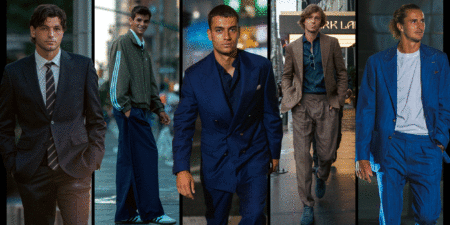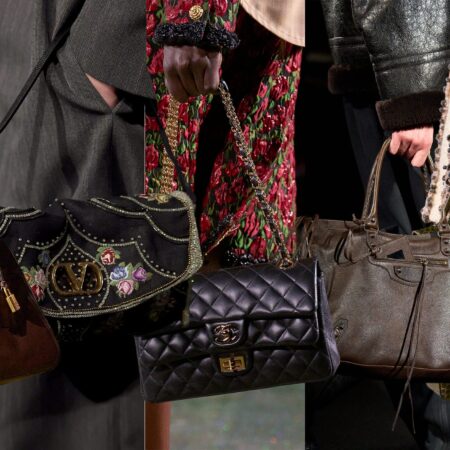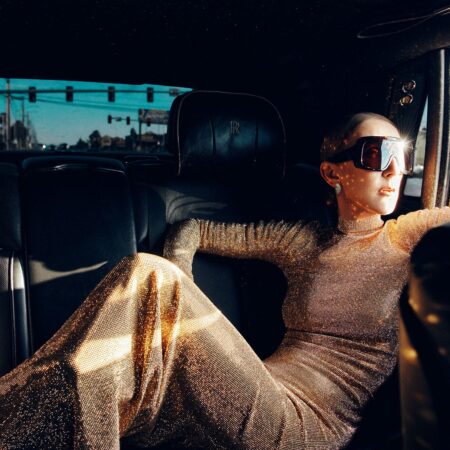





Burberry’s latest collection features a reimagined field jacket priced at over $2,000. Bottega Veneta’s military-inspired bomber commands $3,500. Saint Laurent’s surplus-style parka sells for $4,200. The fashion world’s most prestigious houses are mining military surplus aesthetics, transforming utilitarian workwear into luxury statements that cost more than some people’s monthly rent.
This surge represents more than seasonal trend-chasing. Military surplus has evolved from counterculture symbol to mainstream luxury commodity, driven by sustainability concerns, nostalgia marketing, and fashion’s endless hunt for authentic narratives. The transformation mirrors broader shifts in luxury consumption, where heritage and purpose matter as much as prestige.
From Battlefields to Boutiques: The Military Surplus Evolution
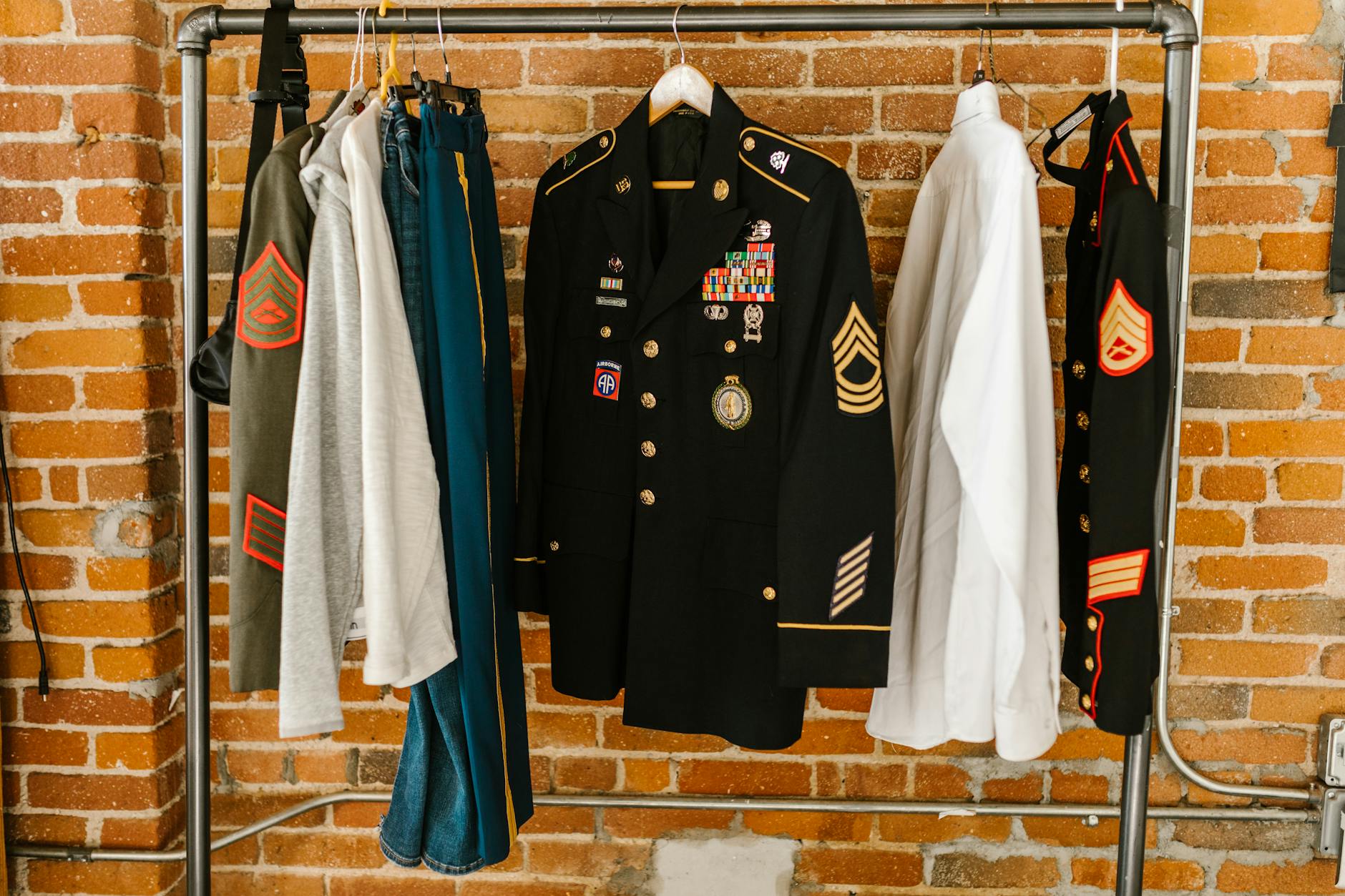
Military surplus entered civilian wardrobes during World War II out of necessity, not fashion. Post-war surplus flooded markets as governments liquidated massive inventories. Veterans continued wearing familiar garments, while budget-conscious civilians embraced durable, affordable pieces.
The 1960s counterculture movement weaponized military surplus as anti-establishment statement. Vietnam War protesters donned army jackets as ironic commentary, subverting symbols of military authority. This rebellious association cemented surplus as outsider uniform, worn by hippies, punks, and artists throughout subsequent decades.
Fashion designers began referencing military aesthetics in the 1980s, but treated surplus as inspiration rather than direct appropriation. Jean Paul Gaultier pioneered luxury military looks, while Vivienne Westwood merged punk sensibility with military details. These early interpretations maintained clear distinction between authentic surplus and designer creation.
The 2000s marked the first wave of direct luxury appropriation. Brands like Maharishi and Stone Island elevated military-inspired pieces with premium materials and construction. However, true breakthrough occurred when traditional luxury houses embraced the aesthetic wholesale, abandoning subtle reference for overt homage.
Sustainability Narrative Drives Luxury Adoption
Today’s luxury fashion faces unprecedented pressure regarding environmental impact. Military surplus offers compelling sustainability narrative: garments designed for extreme durability, produced in massive quantities, available for decades after initial production. This aligns perfectly with fashion’s growing emphasis on circular economy principles.
Stella McCartney pioneered sustainable luxury military pieces, incorporating vintage surplus elements into contemporary designs. Her approach demonstrated how surplus aesthetics could support environmental messaging while maintaining luxury positioning. Other houses quickly recognized the marketing potential of combining heritage military styling with sustainability credentials.
The authenticity factor proves equally crucial. Contemporary consumers, particularly younger demographics, increasingly skeptical of manufactured brand stories. Military surplus offers genuine heritage – these garments served real purposes, survived actual conditions, carry authentic patina. Luxury brands leverage this authenticity to counter criticism about superficial trend-following.
Premium surplus retailers like What Goes Around Comes Around and Procell report unprecedented demand from luxury customers. Original military pieces command premium prices, with rare items selling for thousands. This creates parallel market where authentic surplus achieves luxury pricing through scarcity and provenance.
Celebrity Endorsement Amplifies Luxury Appeal
Celebrity adoption accelerated military surplus’s luxury transformation. Kanye West’s Yeezy collections heavily featured military-inspired pieces, legitimizing the aesthetic within high-fashion circles. His influence demonstrated how surplus could transcend subcultural associations to achieve mainstream luxury acceptance.
Rihanna’s Fenty collections incorporated vintage military elements, while her personal style consistently featured premium surplus pieces. Her approach showed how military aesthetics could maintain edge while achieving commercial success. This celebrity validation proved crucial for luxury brands considering surplus-inspired collections.
Street style photographers began highlighting military surplus pieces at fashion weeks worldwide. These images, circulated globally through social media, elevated surplus from underground staple to documented fashion trend. The visual documentation provided luxury brands with market validation for their surplus-inspired offerings.
Fashion influencers embraced the trend, styling vintage military pieces with contemporary luxury items. This mixing demonstrated surplus’s versatility while maintaining exclusivity through careful curation. The influencer ecosystem created aspirational context for military surplus, essential for luxury positioning.
Technical Innovation Meets Heritage Design
Modern luxury military pieces combine heritage aesthetics with contemporary technical innovation. Brands invest heavily in reproducing vintage silhouettes using premium materials and construction techniques. The result maintains visual authenticity while delivering luxury performance and durability.
Stone Island leads technical military innovation, developing new fabric treatments that replicate vintage surplus appearance while providing enhanced functionality. Their approach demonstrates how luxury brands can respect military heritage while advancing garment technology. This technical focus differentiates luxury surplus from basic reproductions.
The rise of upcycled denim jackets as luxury items follows similar patterns, showing how utilitarian garments gain luxury status through technical innovation and sustainable positioning. Military surplus benefits from comparable transformation processes.
Japanese brands like Needles and Kapital excel at deconstructing and reconstructing military surplus, creating hybrid pieces that honor original utility while achieving artistic expression. Their approach influences Western luxury brands seeking authentic surplus integration methods.
Future Outlook: Surplus as Luxury Staple
Military surplus’s luxury fashion integration appears permanent rather than temporary trend. The aesthetic satisfies multiple contemporary fashion requirements: sustainability credentials, authentic heritage, technical functionality, and cultural relevance. These factors suggest continued growth rather than cyclical decline.
Luxury brands are investing in surplus archive research, seeking rare military pieces for inspiration. This systematic approach indicates long-term commitment rather than seasonal experimentation. The investment in research and development suggests surplus integration will deepen rather than diminish.
Young luxury consumers increasingly prioritize brands with authentic stories and sustainable practices. Military surplus provides both elements, positioning it advantageously for future market growth. The demographic shift toward purpose-driven luxury consumption favors surplus-inspired collections.
The luxury military surplus trend represents fashion’s broader evolution toward meaning-driven consumption. As traditional luxury markers lose relevance with younger consumers, brands seek new authenticity sources. Military surplus provides compelling narrative combining heritage, sustainability, and functionality – elements crucial for luxury’s future success.
This transformation from battlefield necessity to luxury commodity demonstrates fashion’s power to recontextualize meaning while preserving essential aesthetic elements. Military surplus has found permanent home in luxury fashion, elevated from counterculture symbol to mainstream luxury staple.
Frequently Asked Questions
Why are luxury brands using military surplus designs?
Military surplus offers authentic heritage, sustainability credentials, and proven durability that appeals to modern luxury consumers seeking meaningful purchases.
How much do luxury military surplus jackets cost?
Designer military-inspired jackets range from $2,000 to over $4,000, with authentic vintage pieces commanding premium prices through specialty retailers.