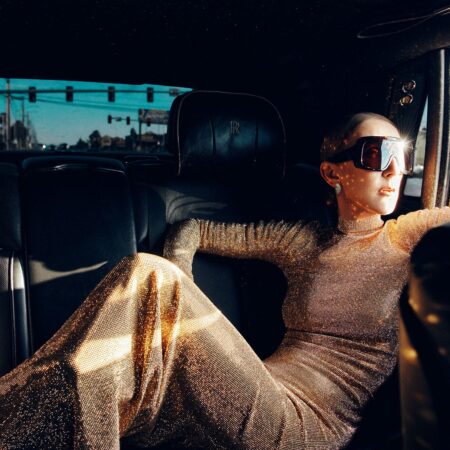





The khaki field jacket that graced the Golden Globes red carpet last month wasn’t from Armani or Saint Laurent. It was a genuine 1970s military surplus piece, paired with custom diamonds and Louboutin heels. What started as functional battlefield gear has evolved into Hollywood’s most unexpected luxury statement, with A-listers paying thousands to wear authentic surplus pieces that originally cost the government under fifty dollars.
This transformation represents more than just another fashion trend. Military surplus has become the ultimate expression of anti-establishment luxury, where authenticity trumps designer labels and history carries more weight than haute couture. From Army field jackets to Navy peacoats, surplus pieces are appearing everywhere from premiere parties to award shows, styled alongside couture gowns and designer accessories.
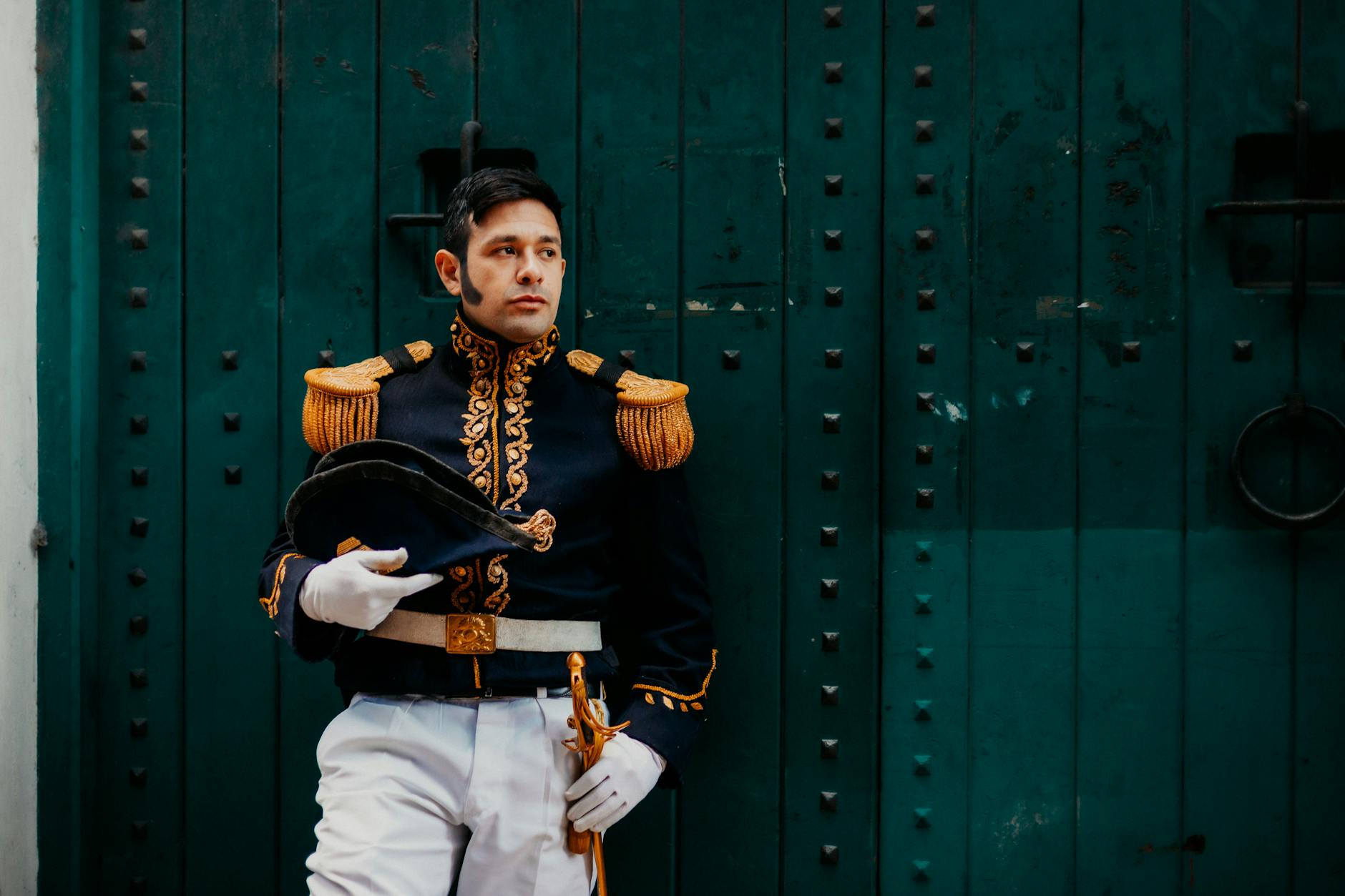
From Battlefield to Red Carpet
The journey from military surplus to celebrity fashion began with vintage collectors who recognized the superior construction and timeless design of authentic military gear. Unlike fast fashion reproductions, genuine surplus pieces feature reinforced stitching, weather-resistant fabrics, and functional details that have been battle-tested in real conditions.
Fashion stylists started incorporating these pieces for photo shoots as early as the 2000s, but the red carpet breakthrough came when celebrities began choosing surplus jackets for major events. The contrast between military functionality and glamorous accessories created a striking visual statement that photographers and fashion critics couldn’t ignore.
The appeal extends beyond aesthetics. Each surplus piece carries genuine history – these jackets, coats, and boots were worn by service members during actual deployments. That authenticity resonates with celebrities who want to make statements about substance over superficiality, especially in an era where fast fashion faces increasing criticism.
Celebrity stylists report that finding the perfect surplus piece can take months of searching through military surplus stores, estate sales, and specialized vintage dealers. The best pieces often show signs of wear that add character – faded patches, worn edges, and the patina that comes only with time and use.
The Economics of Authentic Military Style
The surge in celebrity demand has dramatically transformed the military surplus market. Pieces that sold for twenty to fifty dollars in surplus stores now command hundreds or even thousands when they’re authenticated vintage military wear in excellent condition. Specialized dealers have emerged who focus exclusively on high-end military surplus for the fashion industry.
This price inflation reflects both scarcity and demand. The most coveted pieces – like Vietnam-era field jackets or World War II bomber jackets – are becoming increasingly rare as supplies from military surplus dried up decades ago. What remains in circulation represents a finite resource that becomes more valuable as fashion interest grows.
The economics have created an interesting parallel to the broader trend of how oversized blazers became the new uniform for creative directors – authentic pieces with real history commanding premium prices over mass-produced alternatives.
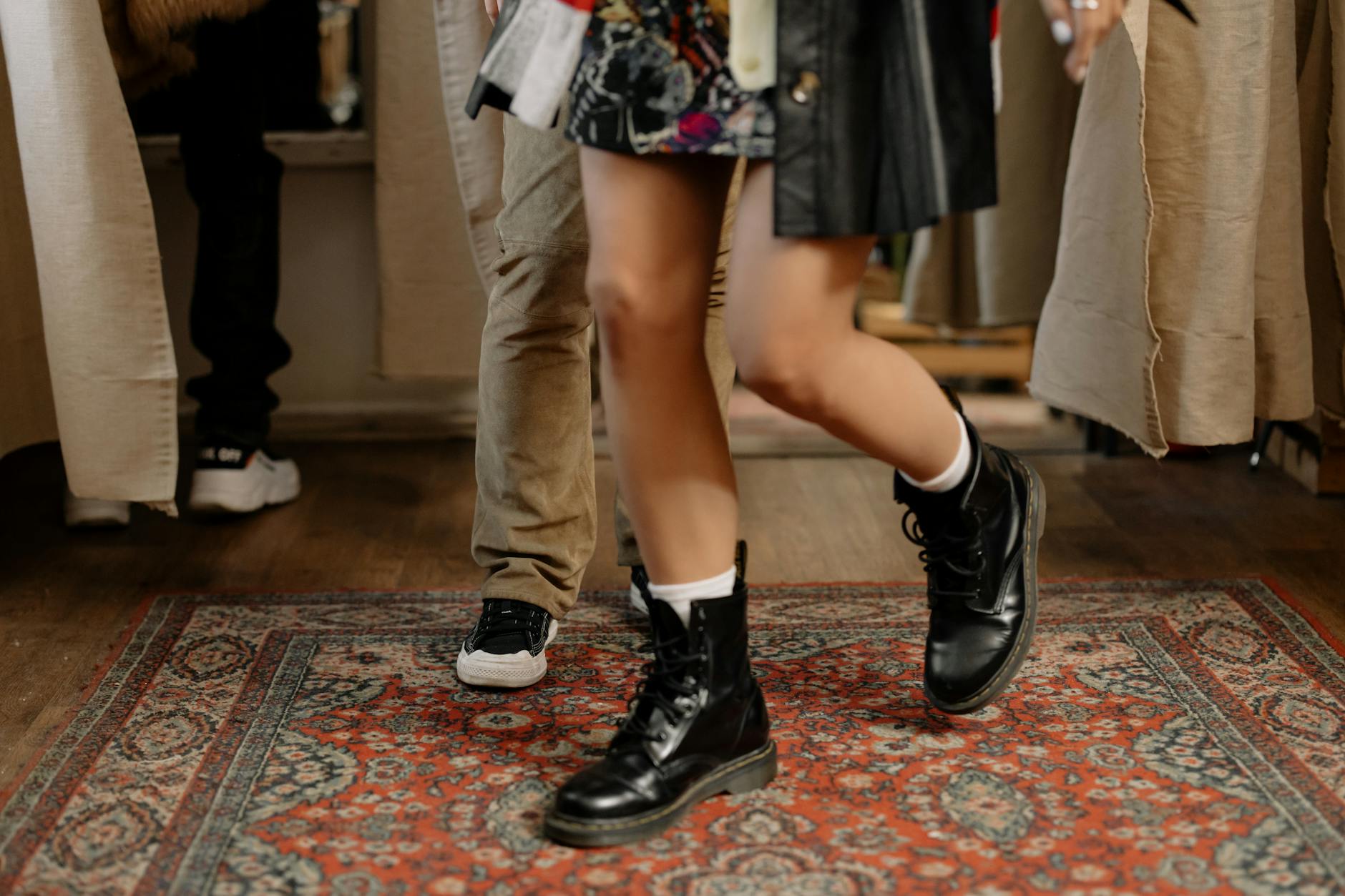
High-end fashion houses have taken notice, with several major brands launching military-inspired collections. However, fashion insiders maintain that reproductions lack the authenticity that makes genuine surplus so appealing. The real pieces carry stories, construction quality, and design details that can’t be replicated in modern manufacturing.
Celebrity stylists often work with military surplus dealers who can authenticate pieces and provide documentation about their origins. This provenance adds another layer of appeal – wearing a jacket that served in a specific conflict or was issued to a particular unit creates a connection to history that resonates with both celebrities and their audiences.
Styling Military Surplus for Maximum Impact
The art of incorporating military surplus into high-fashion looks requires careful balance. The most successful red carpet appearances pair authentic surplus pieces with clearly luxurious accessories – designer shoes, custom jewelry, or couture elements that create intentional contrast.
This styling approach follows the same principles that have made vintage fashion so popular in professional settings, similar to how vintage Ralph Lauren blazers became remote workers’ video call uniform. The key is mixing authentic vintage pieces with contemporary elements to create looks that feel both timeless and current.
Color coordination plays a crucial role. Military surplus typically comes in muted tones – olive drab, khaki, navy, and black – that serve as neutral bases for more vibrant accessories. Celebrity stylists often use these earthy tones as foundations for bold jewelry, bright shoes, or statement bags that pop against the military backdrop.
Fit is another critical consideration. Military surplus was designed for functionality over fashion, so pieces often require tailoring to achieve the silhouettes that work for formal events. The best stylists work with tailors who understand military construction and can alter pieces without compromising their authentic character.
The most impactful looks often incorporate unexpected elements – pairing a field jacket with a flowing evening gown, or wearing combat boots with a cocktail dress. These juxtapositions create memorable fashion moments that generate significant media coverage and social media engagement.
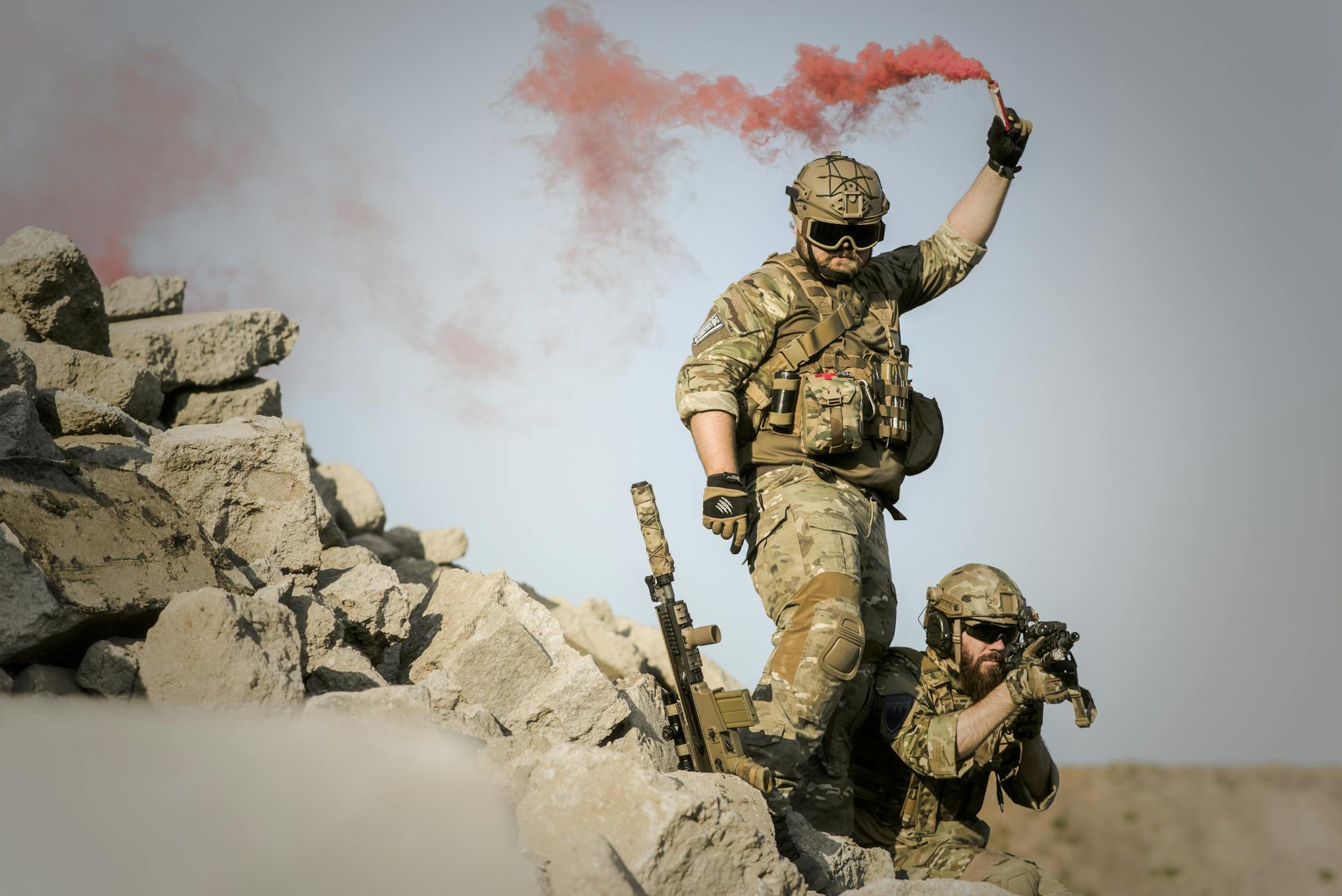
The Future of Military Surplus in Fashion
As military surplus continues gaining popularity in high fashion, several trends are emerging that will shape its future role. Sustainability concerns are driving more celebrities toward authentic vintage pieces rather than new clothing, making surplus an environmentally conscious choice that aligns with broader cultural values.
The finite supply of authentic surplus pieces means prices will likely continue rising, potentially pricing out all but the highest-end fashion applications. This scarcity could lead to increased investment in surplus pieces as collectible fashion items, similar to how vintage designer pieces appreciate over time.
Fashion technology is also playing a role, with authentication services using advanced techniques to verify the age and origin of military surplus pieces. This technological approach helps combat the growing market for reproduction pieces being sold as authentic surplus.
The influence is already expanding beyond clothing to accessories and footwear. Military-issued boots, belts, and bags are appearing in celebrity wardrobes alongside the jackets and coats that started the trend. This expansion suggests military surplus will remain a significant influence in luxury fashion for years to come.
The transformation of military surplus from functional gear to red carpet statement pieces reflects broader changes in how fashion values authenticity, sustainability, and historical significance. As celebrities continue choosing substance over superficial glamour, expect military surplus to maintain its position as one of fashion’s most meaningful trends.
Frequently Asked Questions
Why are celebrities wearing military surplus on red carpets?
Military surplus offers authentic history and superior construction that contrasts with typical designer glamour, creating memorable fashion statements.
How much do vintage military surplus pieces cost now?
Pieces that originally sold for $20-50 in surplus stores now command hundreds to thousands when authenticated and in excellent condition.