



Broadway performers are trading syringes for suction cups. Facial cupping, an ancient Chinese therapy involving small glass or silicone cups placed on the skin, has become the go-to treatment for actors seeking natural volume and lift without the downtime of injectable fillers.
The shift began quietly in New York’s theater district, where performers couldn’t afford recovery time between shows. Traditional dermal fillers, while effective, often caused swelling that lasted days – a luxury most Broadway actors couldn’t accommodate with eight shows a week. Facial cupping promised similar results through increased circulation and lymphatic drainage, with immediate availability for stage lights.

The Science Behind Stage-Ready Skin
Facial cupping works by creating suction that draws blood to the skin’s surface, promoting circulation and stimulating collagen production. Unlike dermal fillers that add volume through injected substances, cupping achieves lift and firmness by encouraging the body’s natural healing response.
Dr. Sarah Chen, a Manhattan dermatologist who works with several Broadway productions, explains the appeal: “Performers need predictable results without unpredictable side effects. Cupping provides immediate circulation benefits and gradual improvement in skin texture without the risk of bruising or asymmetry that can occur with injectables.”
The treatment involves placing small cups on targeted areas – typically the cheeks, jawline, and forehead – for five to fifteen minutes. The suction creates temporary marks that fade within hours, making it ideal for performers who need camera-ready faces nightly.
Professional aestheticians have developed specific protocols for theater performers, focusing on areas that catch stage lighting most dramatically. The technique has proven particularly effective for addressing the effects of heavy stage makeup and intense lighting, which can accelerate skin aging and create texture issues that traditional treatments struggle to address.
From Dressing Rooms to Mainstream Beauty
What started as a practical solution for Broadway performers has expanded throughout the entertainment industry. Off-Broadway actors, touring company members, and eventually film and television performers began adopting the practice after witnessing the results on their theater colleagues.
The treatment’s popularity grew through word-of-mouth recommendations in green rooms and backstage areas. Unlike other beauty trends that spread through social media, facial cupping gained traction through direct observation of results under professional lighting conditions.
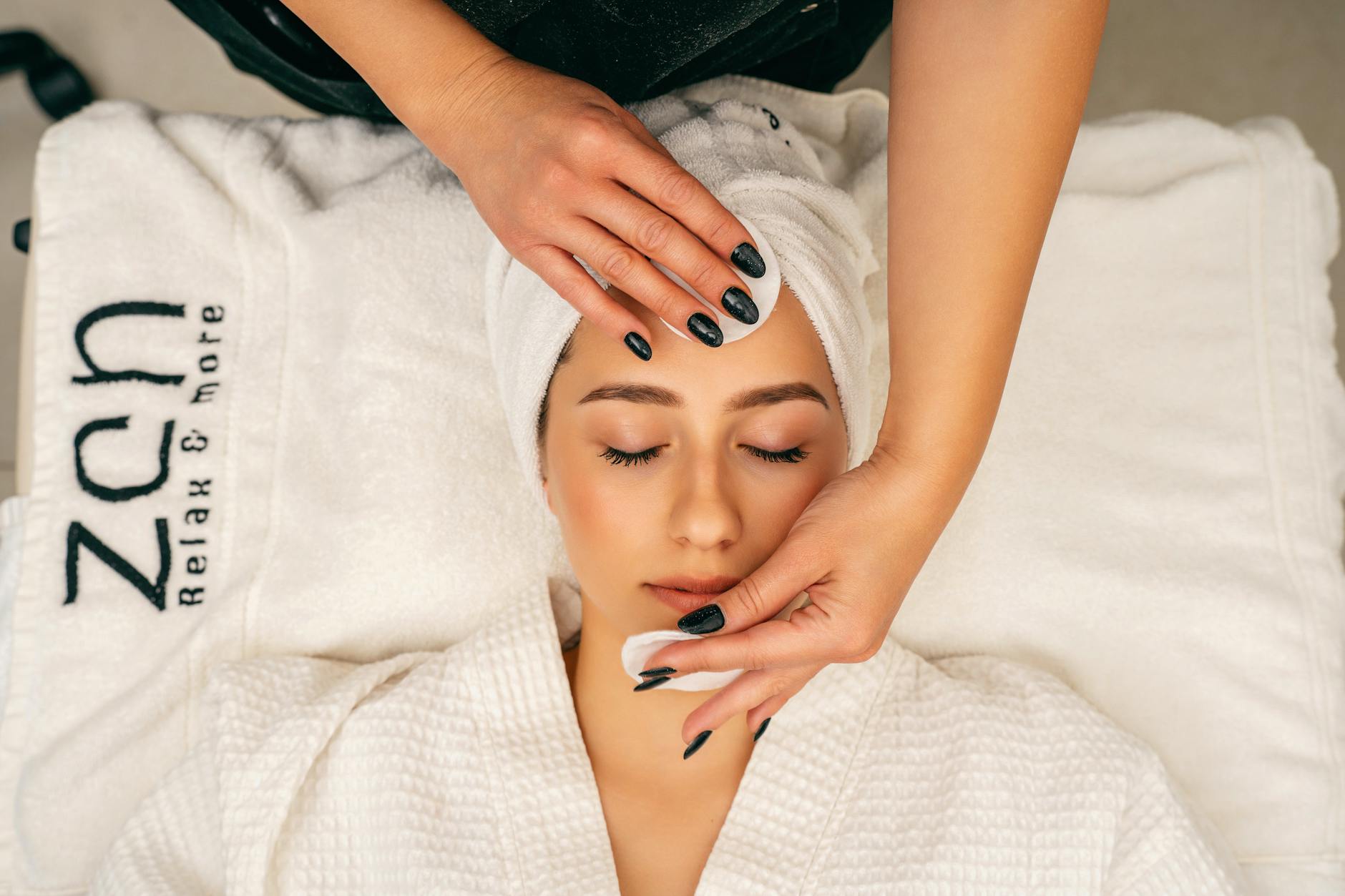
Celebrity aesthetician Maria Rodriguez, who works with clients on both coasts, reports a significant increase in requests for facial cupping over the past two years. “Clients see their friends achieving natural-looking volume enhancement without the commitment or potential complications of fillers. The treatment fits into busy schedules and provides cumulative benefits with regular sessions.”
The technique has evolved beyond traditional glass cupping to include specialized silicone cups designed for facial use. These newer tools offer more precise control and gentler suction, making the treatment accessible to performers with sensitive skin or those new to the technique.
Professional training programs have emerged to teach aestheticians the specific techniques required for facial cupping, with certifications now available through several beauty education organizations. The standardization has helped establish safety protocols and consistent results across different practitioners.
Economics and Accessibility
The financial aspect has contributed significantly to facial cupping’s adoption among performers. A single dermal filler session can cost hundreds to thousands of dollars, with results lasting six to twelve months before requiring maintenance treatments. Facial cupping sessions typically cost significantly less, and while results are more gradual, they build over time without the recurring investment of injectable treatments.
For touring performers and those between productions, the lower cost and lack of medical requirements make facial cupping a more accessible option. The treatment doesn’t require medical supervision, allowing performers to maintain their routines while traveling or working in different cities.
Professional cupping kits have become increasingly sophisticated, with some performers learning to perform basic maintenance treatments on themselves between professional sessions. This self-care aspect appeals to actors who prefer having control over their beauty routines rather than depending entirely on scheduled appointments.
The trend has also attracted performers interested in wellness approaches to beauty. Many actors report that facial cupping fits better with their overall health and fitness routines compared to injectable treatments, which some view as conflicting with natural wellness practices.
Some beauty professionals have noted similarities to the growing popularity of ice facials among celebrity makeup artists, as both techniques focus on improving circulation and natural skin response rather than adding foreign substances.
Professional Integration and Future Applications
Broadway productions have begun incorporating facial cupping into their performer wellness programs. Some shows now provide access to certified cupping practitioners as part of company health benefits, recognizing that maintaining performer appearance directly impacts production quality.

The integration extends beyond individual treatments to include pre-show routines and maintenance schedules aligned with performance demands. Performers report that regular cupping sessions help counteract the dehydrating effects of stage makeup and intense lighting, maintaining skin quality throughout long runs.
Beauty schools and aesthetician training programs have added facial cupping to their curricula, responding to industry demand for qualified practitioners. The technique requires specific training to achieve optimal results while avoiding potential side effects like excessive marking or skin irritation.
Research into cupping’s long-term effects on facial skin continues, with preliminary studies suggesting sustained benefits for collagen production and skin elasticity. While the scientific understanding of the mechanism remains developing, documented results have convinced many performers to integrate the treatment into their regular beauty maintenance.
The trend represents a broader shift toward treatments that work with natural body processes rather than temporarily altering them. As performers increasingly prioritize sustainable beauty practices that support long-term career demands, facial cupping offers a middle ground between invasive procedures and basic skincare.
The technique’s expansion from Broadway to mainstream beauty culture demonstrates how professional performance demands often drive innovation in cosmetic treatments. What begins as a practical solution for specific industry needs frequently evolves into broader beauty trends, offering alternatives to established practices while meeting different consumer preferences and lifestyle requirements.
Frequently Asked Questions
How does facial cupping compare to dermal fillers for volume?
Facial cupping promotes natural collagen production and circulation for gradual lift, while fillers provide immediate volume through injected substances.
Can performers do facial cupping between shows?
Yes, the treatment requires no downtime and temporary marks fade within hours, making it ideal for nightly performances.