




Debbie Allen and Felicia Pride Return to Hillman
Debbie Allen is not the type to ease into anything. The choreographer, director, and producer who shaped the original A Different World into one of television’s most culturally charged sitcoms of the late 1980s has returned to that same fictional HBCU – Hillman College – with Netflix, a new co-creator in writer Felicia Pride, a fresh class of students, and zero interest in making something soft or safe. The revival lands on the streamer carrying the full weight of what the original series built and the sharp awareness of what this particular political moment demands from a show set inside a Black college.
The original run aired from 1987 to 1993.
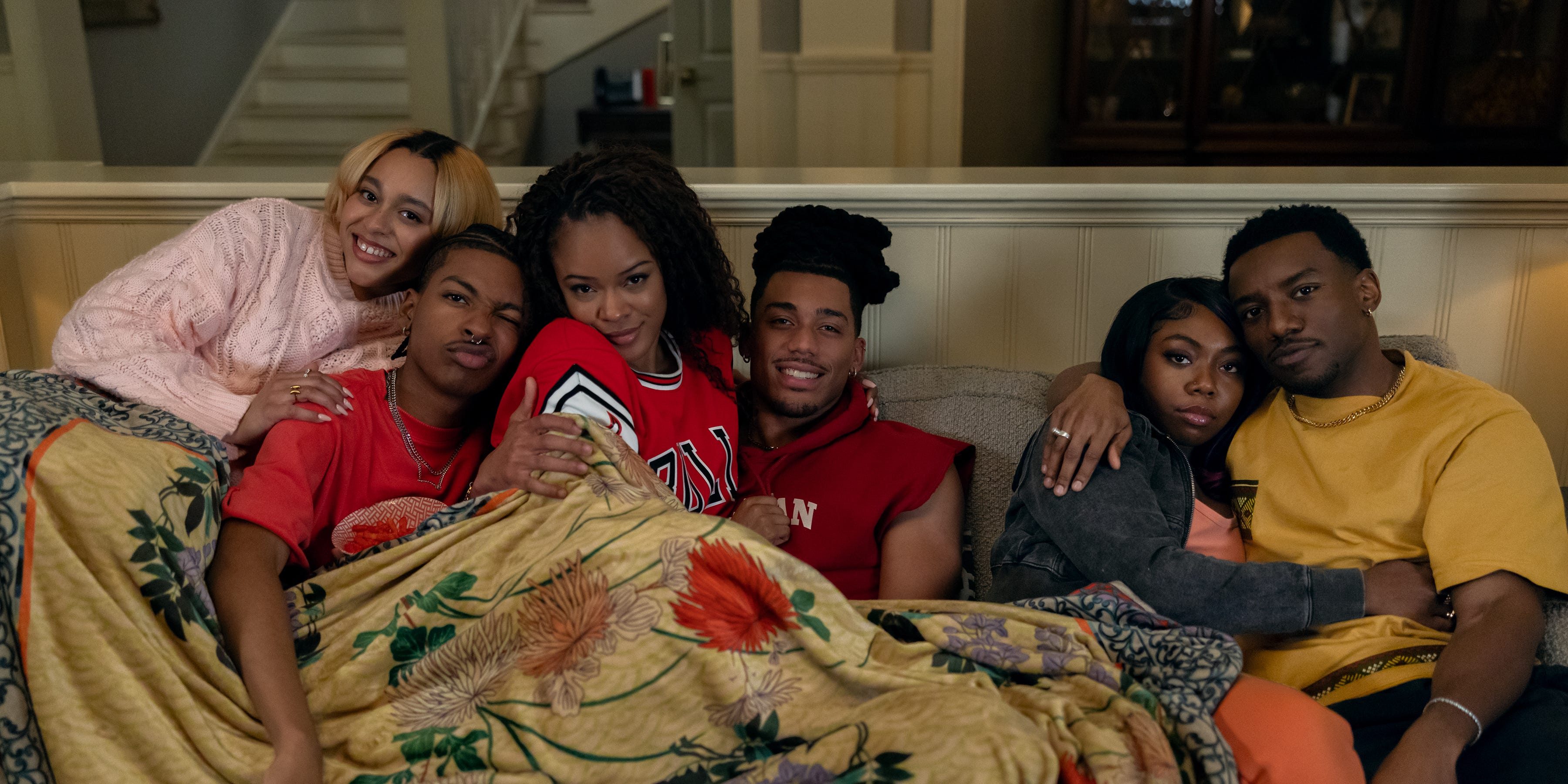
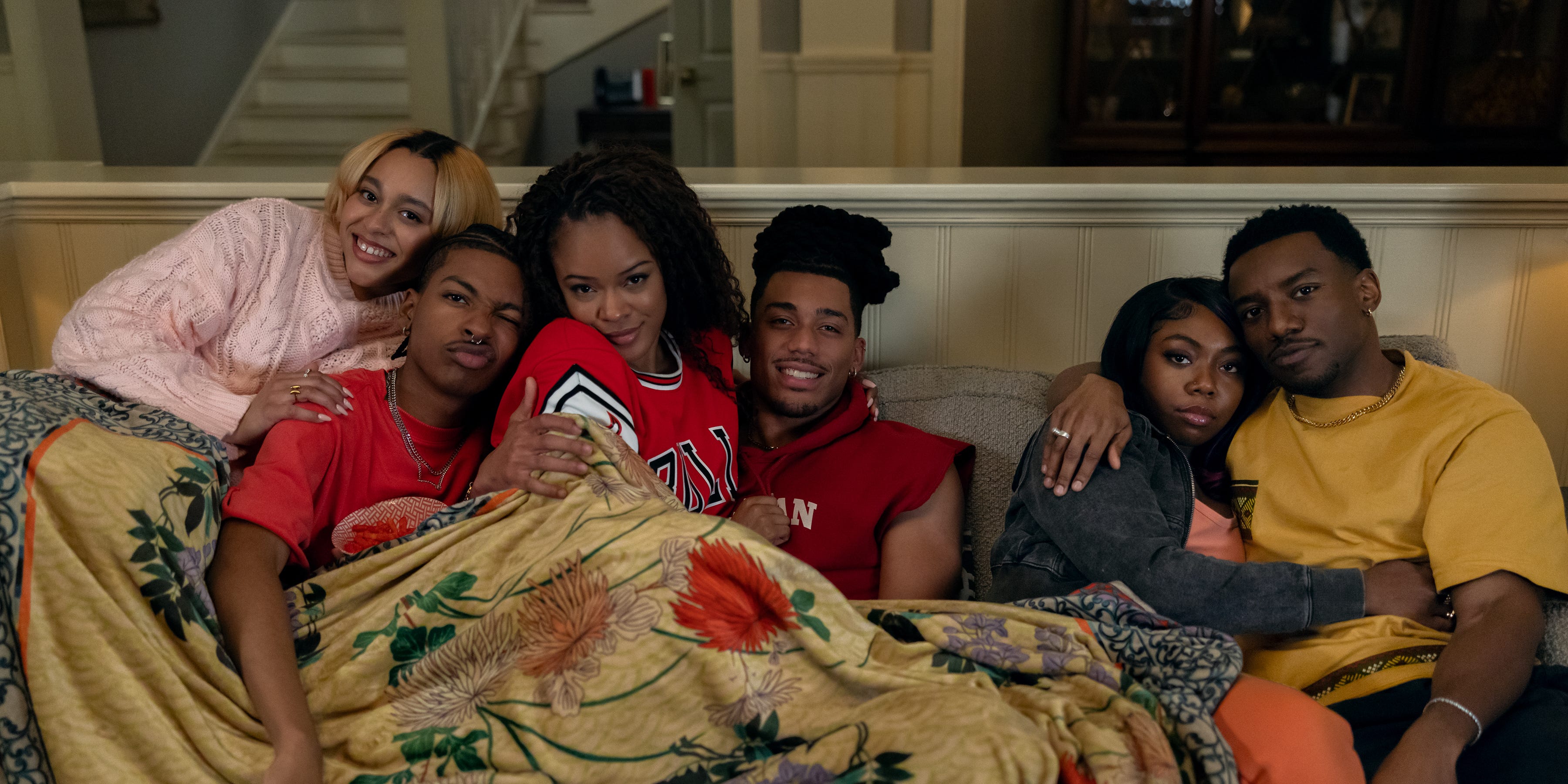
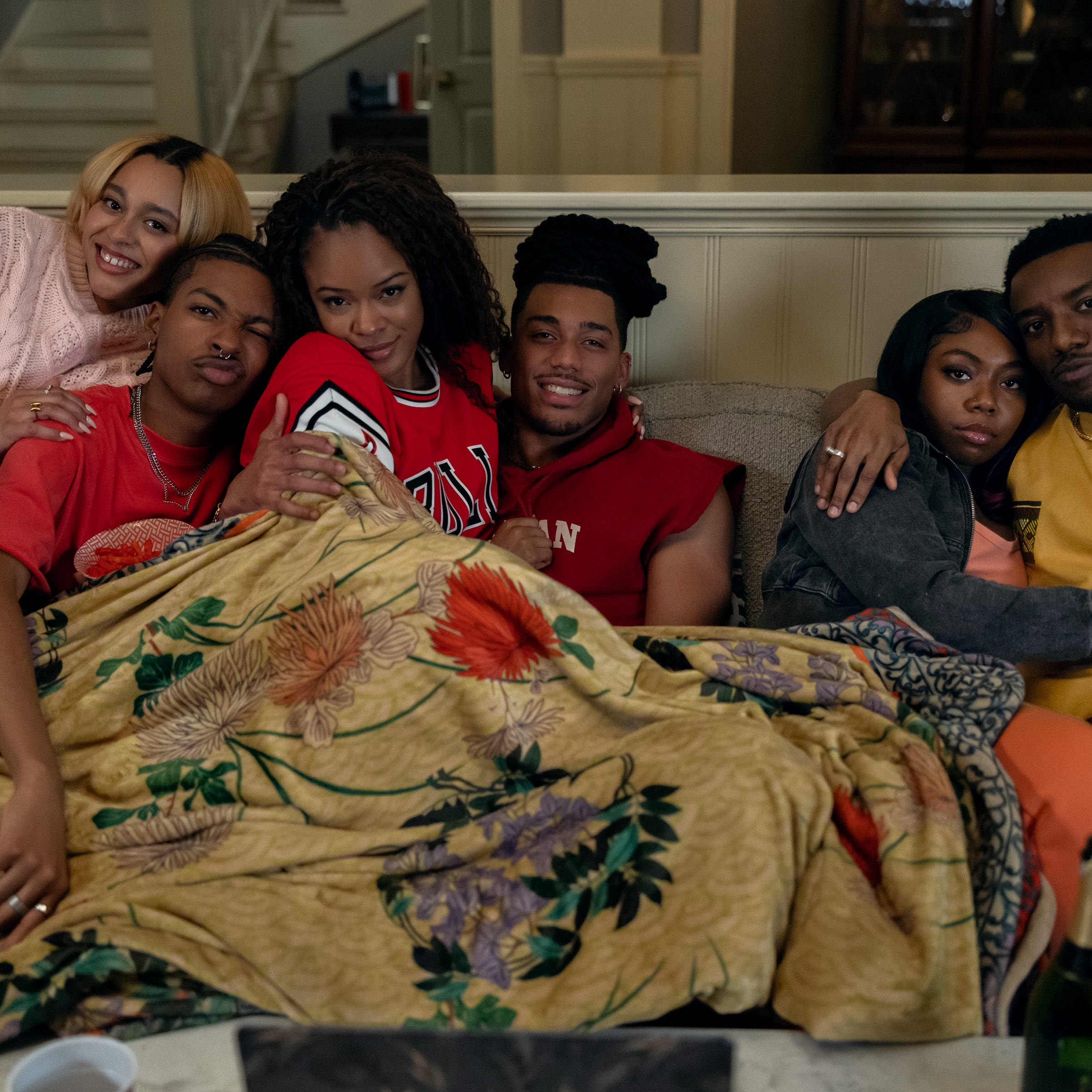
Legacy cast members are back alongside the new ensemble, threading continuity between what Hillman meant thirty-some years ago and what it means now – a campus, a culture, and a conversation that refuses to stay in the past.
What the Original Show Actually Built
It is worth remembering what A Different World was before it became nostalgia. The show spun off from The Cosby Show, initially following Denise Huxtable to Hillman, but it found its real identity after Allen stepped in as director and producer in its second season. Under her direction, the series tackled HIV/AIDS, date rape, the Gulf War, and racism on campus – subjects that network television in that era handled reluctantly, if at all. The show became appointment viewing not just because its characters were charming but because the writing treated its audience as capable of sitting with difficult material.
Allen’s approach to that material was never decorative. The political content was structural – woven into storylines so that discomfort was the point, not an accident. That philosophy is exactly what she and Pride are carrying into the Netflix version, where the issues on the table are new but the framework for addressing them is recognizably hers.
Felicia Pride brings her own track record to the collaboration. Her work as a writer and producer has consistently centered Black storytelling with specificity rather than generality, which makes her an appropriate creative partner for a project that cannot afford to be vague. Together, she and Allen are not rebooting the aesthetic of A Different World so much as rebooting its nerve.
New Students, Familiar Stakes
The Netflix revival is built around a new generation of Hillman students, which is the structurally sound choice – it avoids the trap of pure fan service while still honoring what came before. Legacy stars appear, but the dramatic weight sits with characters who are encountering Hillman for the first time, which mirrors the experience of the original show’s audience when it premiered in 1987. The show is not asking viewers to simply remember; it is asking them to re-engage with what an HBCU education represents, what it protects, and what it is up against in the current environment.
That environment is not incidental to the revival’s existence. The political atmosphere surrounding HBCUs – funding pressures, questions about the future of diversity initiatives in higher education, debates about what Black institutional spaces are permitted to be – gives the show an urgency that no marketing campaign could manufacture. A Different World returning now, on Netflix, with this specific creative team, is a statement before a single episode airs.
From a fashion and cultural standpoint, Hillman has always functioned as a stage. The original show’s costume work became a visual record of Black collegiate style in the late ’80s and early ’90s – Afrocentric prints, Historically Black College and University sweatshirts worn as identity markers, bold color blocking that felt intentional rather than incidental. The revival inherits that responsibility. What the new students wear at Hillman will register as much as what they say, because on this campus, appearance has never been separate from politics.
Allen’s Grip on the Material
Debbie Allen is 74 years old and operating with the creative authority of someone who has never needed permission to be demanding. She has spent decades running the Debbie Allen Dance Academy in Los Angeles, producing television, directing film, and advocating for arts education in ways that have made her something close to an institution herself. Returning to A Different World for Netflix is not a sentimental project for her – it is an extension of the same commitment she has maintained consistently across her career.
Felicia Pride’s presence ensures the revival does not calcify around Allen’s original vision alone. The best version of this collaboration is one where Pride’s contemporary sensibility and Allen’s institutional knowledge create productive friction – where the show knows its history without being imprisoned by it. Based on how both women have spoken about the project, that tension appears to be deliberate and generative rather than something either party is trying to smooth over.
Netflix as the platform changes the parameters considerably. The streamer’s global reach means Hillman’s stories will land in front of audiences who have no prior relationship with the original show, which is both an opportunity and a pressure. Allen built the original A Different World into a cultural institution through network television, where the terms of engagement were different and the competition for attention was structured differently. On Netflix, the show has to make itself essential inside an environment where everything is available and nothing is required.
Why Hillman Still Has Something to Say
The question the revival will ultimately have to answer is not whether it can honor the original – Allen’s involvement makes that almost certain – but whether it can generate the kind of discomfort that made the original matter. The ’80s and early ’90s version of A Different World was not beloved despite its willingness to address urgent political issues; it was beloved because of it. Audiences stayed with Hillman because the show respected them enough to be difficult, to place its characters inside real debates and let those debates get messy.
That same willingness, applied to the current landscape of higher education, identity politics, and the ongoing argument about what Black institutional spaces are for, is what gives the Netflix revival its potential and its risk.
The legacy cast members who return will carry the memory of what Hillman was. The new students will carry the argument about what it still needs to be. Whether those two things align or collide is, almost certainly, the show’s central dramatic question – and Debbie Allen has never been afraid of a question that doesn’t have a clean answer.