




Custom embroidered patches are infiltrating luxury fashion’s highest echelons, transforming from military surplus staples into coveted personal branding tools that command four-figure price tags. What started as a grassroots customization trend has evolved into a sophisticated form of self-expression that luxury houses are now racing to master.
The shift represents more than aesthetic preference-it signals a fundamental change in how affluent consumers want to interact with luxury goods. Rather than simply purchasing designer pieces, they’re seeking ways to make those investments uniquely theirs through personalized embellishments that tell their individual stories.
From DIY Culture to Designer Studios
The custom patch movement emerged from streetwear’s DIY ethos, where fashion enthusiasts began personalizing thrifted jackets with hand-sewn patches representing everything from favorite bands to political statements. This democratized approach to customization caught the attention of luxury brands who recognized an opportunity to offer exclusivity in an increasingly saturated market.
Brands like Saint Laurent and Gucci began incorporating patch-inspired elements into their collections, but the real revolution came when luxury ateliers started offering bespoke embroidery services. These services allow clients to commission everything from family crests to abstract artistic expressions, typically requiring 6-8 weeks of craftsmanship and commanding premium prices.
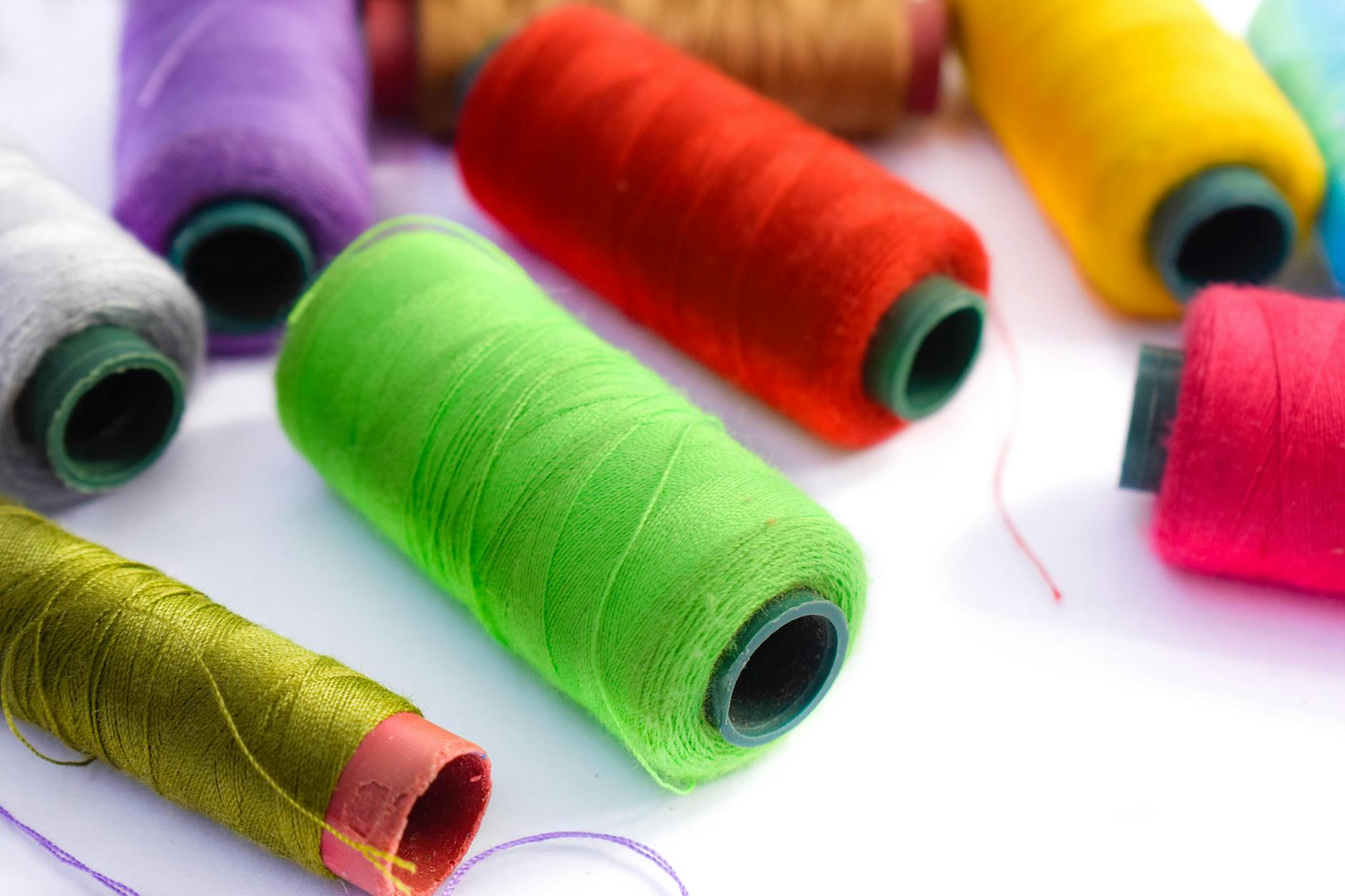
The technical sophistication has advanced dramatically. Modern luxury embroidery employs silk threads, metallic accents, and even semi-precious elements like pearls or crystals. Some ateliers use computer-guided machines for precision work while maintaining hand-finishing for that authentic luxury feel.
Celebrity Influence and Social Media Amplification
Social media has accelerated the trend’s adoption among luxury consumers. High-profile figures regularly showcase personalized pieces on Instagram, from musicians wearing custom tour patches on designer leather jackets to entrepreneurs displaying company logos embroidered on luxury blazers.
The visibility factor cannot be overstated. Unlike subtle luxury markers that only insiders recognize, custom patches broadcast personality and affiliations clearly. This appeals to a generation that values authentic self-expression over traditional status symbols, similar to how vintage Chanel brooches became Silicon Valley’s new status symbol by offering recognizable yet personal luxury signaling.
Fashion weeks globally now feature runway shows where models wear designer pieces adorned with custom patches representing everything from environmental causes to artistic collaborations. This high-fashion validation has legitimized patches as serious luxury accessories rather than casual embellishments.
Technical Innovation Meets Artisanal Craft
Luxury fashion houses are investing heavily in embroidery technology while preserving traditional techniques. Leading ateliers now employ master embroiderers who can execute complex designs that would have been impossible just five years ago, combining historical techniques with contemporary aesthetics.
The materials alone represent a significant upgrade from traditional patches. Premium versions use silk threads imported from Japan, metallic threads crafted in France, and backing materials sourced from Italian tanneries. Some luxury patches incorporate innovative elements like thermochromic threads that change color with temperature or reflective fibers that create visual effects under different lighting.
Quality control has become paramount. Luxury patches undergo multiple inspection stages, from initial design approval to final mounting. The attachment process itself has evolved, with options ranging from traditional sewing to magnetic backing systems that allow repositioning without damaging the garment.
Market Response and Business Models
The luxury fashion market has responded enthusiastically to this trend, with several business models emerging to serve different consumer segments. High-end department stores now offer in-house customization services, while independent luxury embroidery studios have proliferated in fashion capitals worldwide.
Subscription models have appeared, where clients receive quarterly patch collections designed by different artists or themed around seasonal concepts. Some services offer digital design tools that allow customers to preview their custom patches on 3D garment models before committing to production.
The pricing structure reflects the luxury positioning. Basic custom embroidery starts around several hundred dollars, while complex designs incorporating precious materials can cost several thousand. Despite these price points, demand continues growing, suggesting consumers view these pieces as investment accessories that enhance the value of their existing luxury wardrobe.
The custom embroidered patch phenomenon represents more than a passing trend-it signals a broader shift toward personalized luxury that prioritizes individual expression over brand conformity. As technology continues advancing and artisanal skills evolve, expect to see even more sophisticated offerings that blur the lines between fashion accessory and wearable art.
The success of this market suggests that luxury consumers are increasingly seeking ways to make their purchases truly their own, creating unique pieces that can’t be replicated simply by visiting the same boutique. This demand for exclusivity through customization will likely influence how luxury brands approach product development and customer experience in coming seasons.
Frequently Asked Questions
How much do luxury custom embroidered patches cost?
Basic luxury custom embroidery starts around several hundred dollars, while complex designs with precious materials can cost several thousand dollars.
What materials are used in luxury embroidered patches?
Premium patches use silk threads from Japan, metallic threads from France, and Italian leather backing, sometimes incorporating crystals or thermochromic elements.