



The quest for fuller hair without the helmet-like stiffness has driven a new generation of volumizing formulas that prioritize movement over mere height.
The Science Behind Modern Volume
Today’s volumizing products work differently than their predecessors from the hairspray-heavy decades. Instead of coating each strand with rigid polymers, these formulas focus on creating lift at the root while maintaining hair’s natural flexibility. The technology targets the hair cuticle without overwhelming it, allowing strands to move freely while appearing significantly fuller.
Professional hairstylists have observed a clear shift in client preferences. Volume without movement feels outdated, almost costume-like in its artificial appearance. The new standard requires products that can deliver noticeable thickness while preserving the hair’s natural swing and bounce.
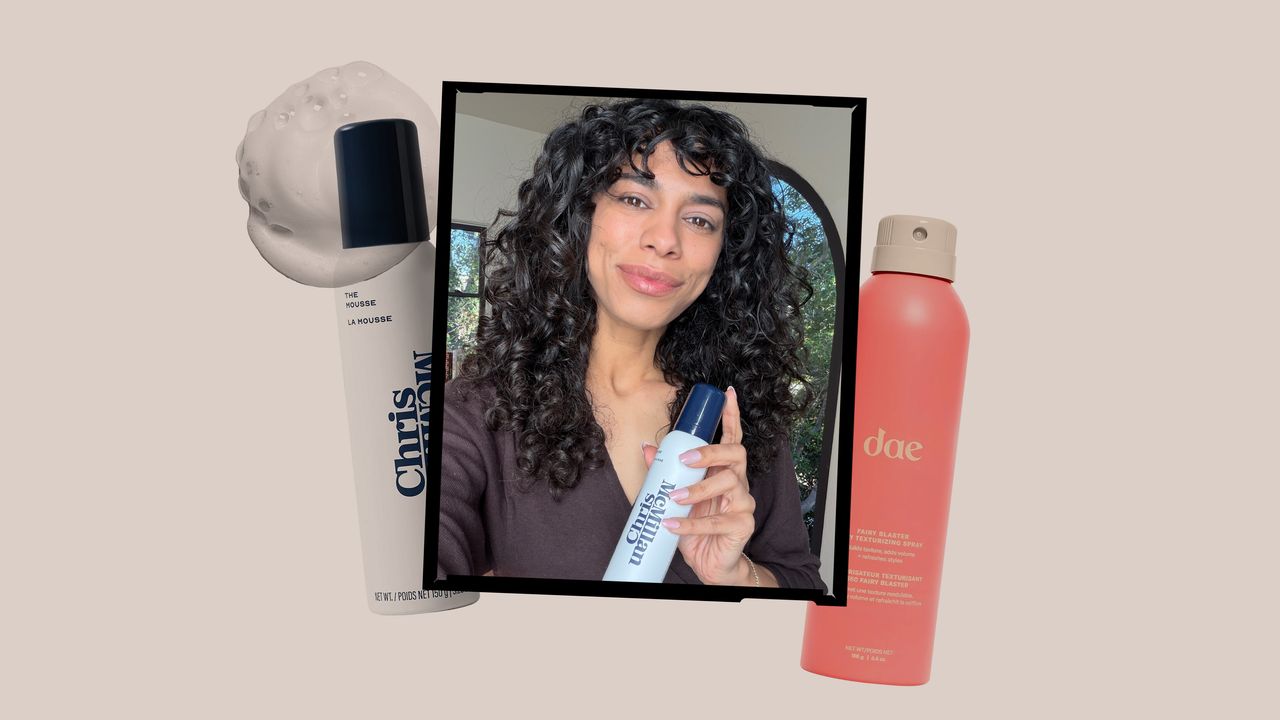
Lightweight mousses and root-lifting sprays now dominate salon recommendations. These formulations contain smaller molecular structures that penetrate the hair shaft rather than sitting on top of it. The result is volume that builds from within, creating a more authentic-looking fullness.
The ingredient lists reveal this evolution clearly. Traditional volumizers relied heavily on alcohol-based compounds that stiffened hair into place. Modern formulas incorporate flexible polymers, protein complexes, and moisture-retaining agents that work together to create sustainable lift.
Application Techniques That Matter
The most effective volumizing products require specific application methods to reach their full potential. Root-focused application proves more successful than all-over distribution, as targeting the base creates maximum lift without weighing down the lengths. Professional colorists and stylists consistently recommend working products into damp hair at the scalp level, then blow-drying with a round brush for optimal results.
Timing plays an equally important role in the volumizing process. Products applied to soaking wet hair often get diluted and lose their effectiveness. The sweet spot occurs when hair is towel-dried but still retains enough moisture for even distribution. This technique allows the active ingredients to bond properly with the hair shaft while maintaining their lifting properties.
Layer compatibility becomes another consideration for those using multiple styling products. Volumizing formulas work best as the first step in a styling routine, applied before heat protectants or finishing sprays. Reversing this order can create product buildup that actually reduces volume rather than enhancing it.
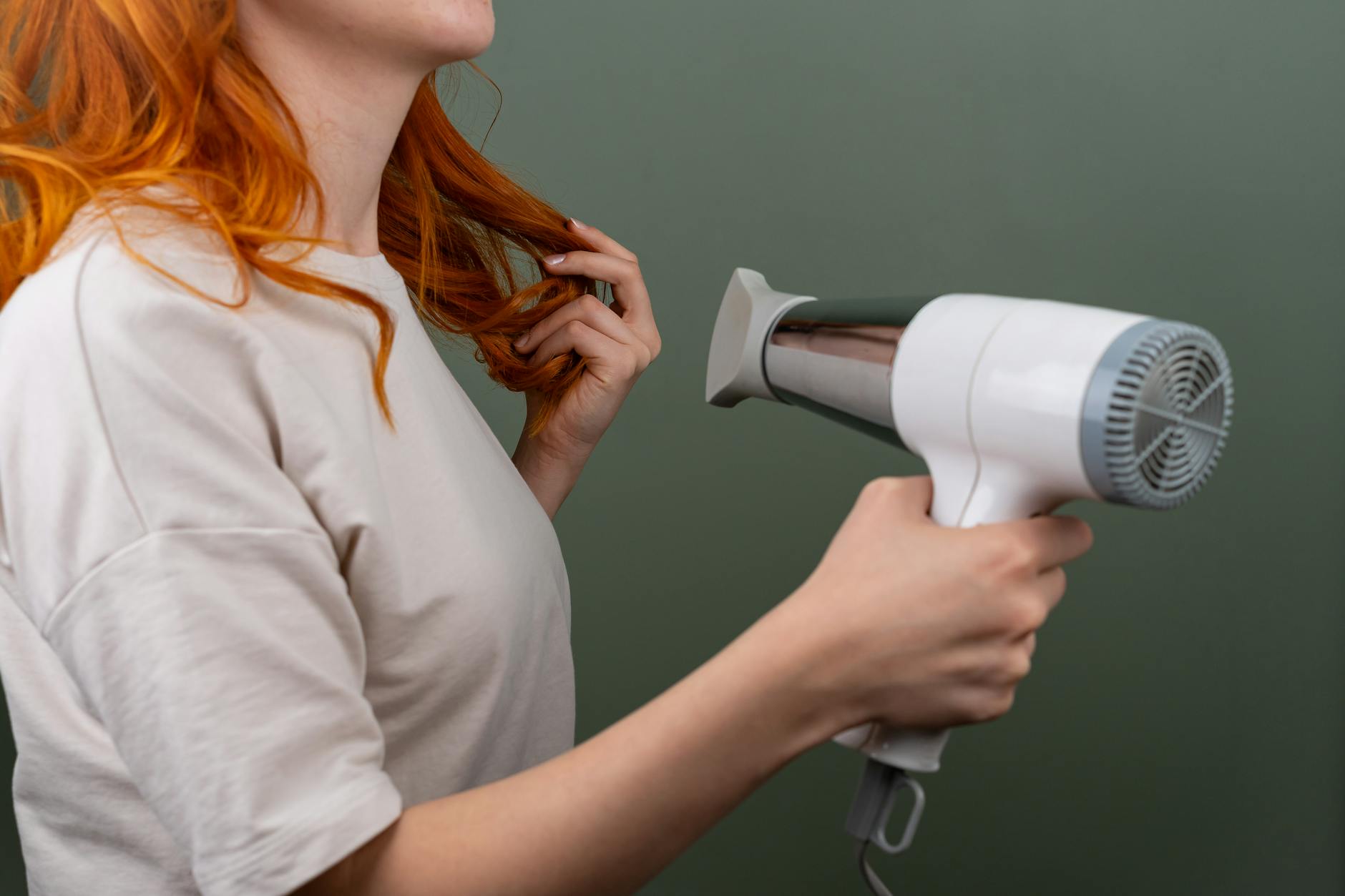
The blow-drying technique itself impacts the final outcome significantly. Lifting sections of hair straight up from the scalp while directing heat from below creates the strongest foundation for lasting volume. Many users make the mistake of blow-drying hair downward, which flattens the cuticle and reduces the product’s lifting effect.
Professional stylists often recommend the cooling shot feature on blow dryers as a finishing step. This blast of cool air sets the hair in its lifted position, helping the volumizing product maintain its effect throughout the day. Without this step, even the best products can fall flat within hours.
Beyond Traditional Formulas
The beauty industry has expanded beyond classic mousses and sprays to include volumizing shampoos, conditioners, and even overnight treatments. These products work on different aspects of hair structure, from cleansing away buildup that weighs hair down to conditioning in ways that don’t compromise lift. The multi-step approach allows users to build volume gradually rather than relying on a single product to do all the work.

Professional makeup artists who work with hair often prefer these gentler, buildable options for their versatility. Unlike heavy-duty volumizers that lock hair into place, these products allow for adjustments and touch-ups throughout long shooting days. The flexibility proves essential when hair needs to look fresh for hours under studio lights.