




The Andrenaissance Has Arrived
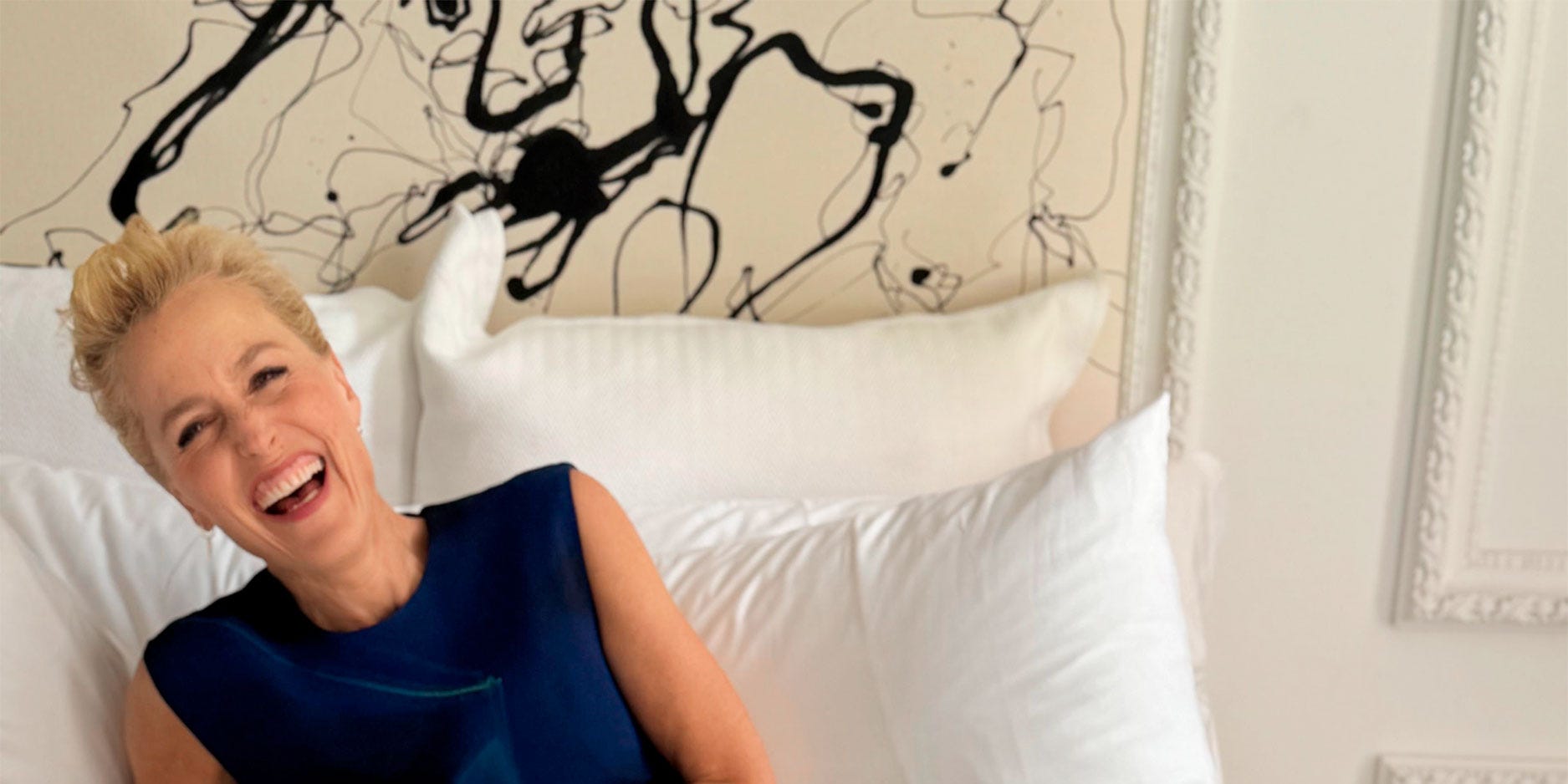
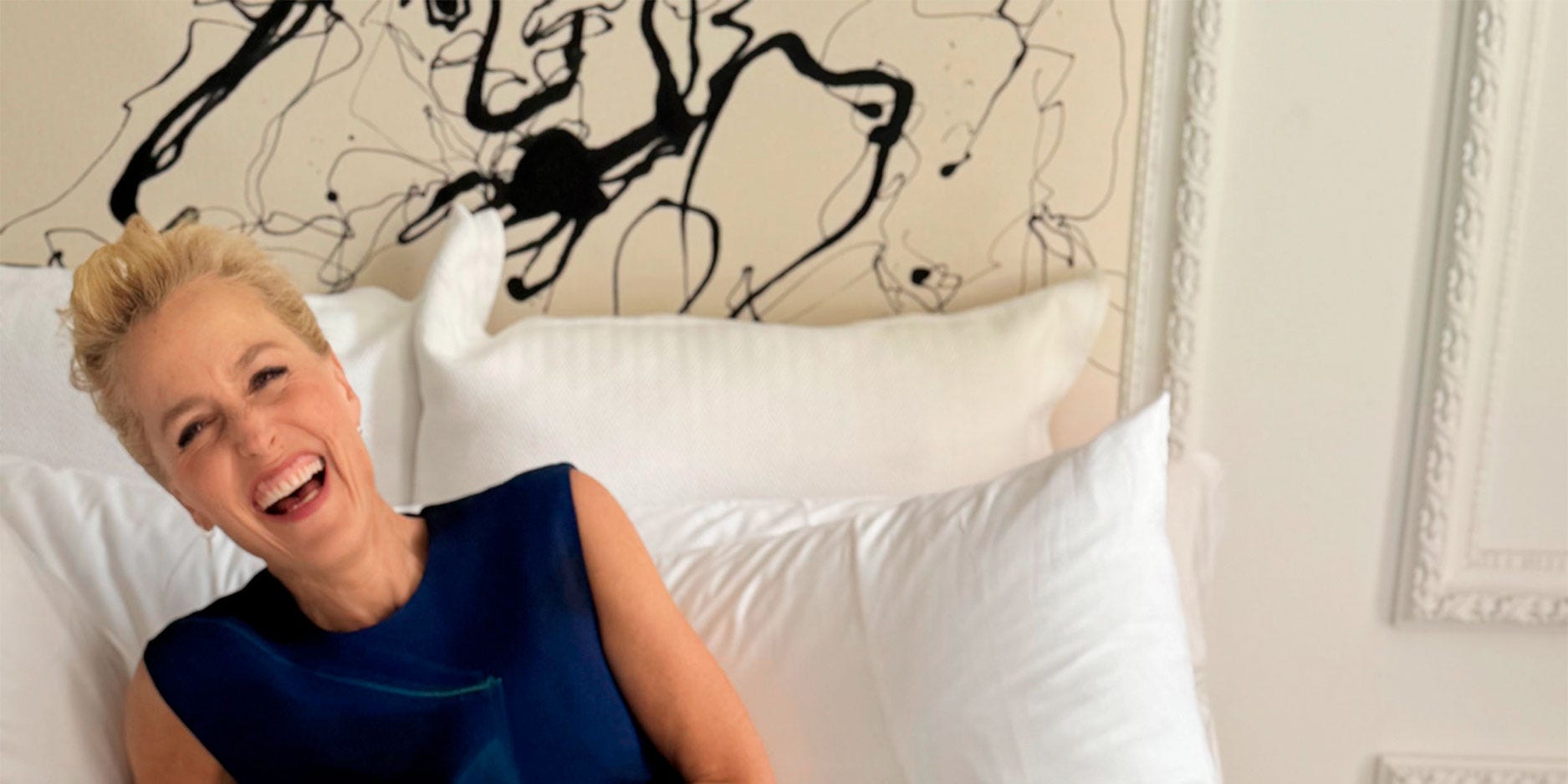
Gillian Anderson has never been easy to categorize, and she seems to prefer it that way. Writer Derek C. Blasberg sat down with the actress for Harper’s Bazaar to map what is shaping up to be the most active stretch of her career – a period her fans have already branded the Andrenaissance. At 56, Anderson is fielding more work, more cultural attention, and more frank conversation about sex, identity, and ambition than most actors half her age.
The conversation spans a wide arc: from Dana Scully, the role that made her a household name across a decade of The X-Files, to the side ventures and creative risks that have defined her years since. Anderson speaks about all of it without apology, which may be exactly why audiences keep returning to her.
Dana Scully and What Survived Her
It would be reductive to say Scully made Gillian Anderson – but it would also be dishonest to say the character didn’t shape every professional decision that followed. Anderson played the FBI agent and scientist across nine original seasons of The X-Files, plus two revival seasons in 2016 and 2018, accumulating a cultural footprint that the internet has never really stopped excavating. Scully became a specific kind of icon: rational, contained, quietly devastated in all the right moments. That combination did something unusual to the audience – it made them trust Anderson the person, not just the character.
What Anderson did after The X-Files closed out its revival run was refuse the safe route. She played Margaret Thatcher in The Crown, a casting choice that required her to physically and vocally disappear into a woman the world already knew. She appeared in Sex Education as a therapist whose blunt, sex-positive candor generated its own cultural conversation – a role built around frankness that Anderson has also brought into her off-screen life, including co-authoring books on female desire and sexuality.
The throughline is a deliberate refusal to be legible too quickly. Each role arrives in a different register, wearing a different face. That strategy, sustained across three decades, is what makes the current moment feel less like a comeback and more like a culmination – though Anderson would likely bristle at the neat framing.
Side Hustles and Straight Talk
Anderson’s interests outside of acting have never been casual add-ons. Her work as a co-author on books exploring women’s sexuality reflects a sustained intellectual commitment, not a vanity project attached to her name. She has been public about discussing sex with the same directness she brings to any other subject, which still reads as unusual in an industry that rewards a specific kind of performed discretion from women over 50.
The Blasberg profile frames these pursuits as part of what makes this particular chapter distinct – Anderson is not simply doing more work, she is doing more kinds of work, and doing so with an apparent ease that suggests the different threads have been feeding each other for years rather than competing. The “side hustle” framing arguably undersells what is actually a multidirectional creative practice built over a long time.
What the Andrenaissance Actually Means
Fan-coined labels for celebrity eras tend to be fleeting, but the Andrenaissance label has stuck because it points to something real: Anderson’s visibility and output are both accelerating at a moment when the industry typically quiets around actresses. The cultural conditions that once made certain kinds of roles scarce for women past a specific age have not disappeared, but they have shifted enough that Anderson’s particular brand of controlled complexity is finding more entry points.
Her public persona has always resisted the pressure to be warm in a conventional way. She is direct about her opinions on sex, relationships, and aging without softening the edges for palatability. That refusal has become, paradoxically, one of the more appealing things about her to a generation of younger viewers who encountered her first through Sex Education or The Crown rather than through The X-Files. For them, Scully is almost an afterthought – a piece of trivia rather than the defining data point.
What the Blasberg interview captures, without quite stating it, is that Anderson has spent years building an audience that follows the actress rather than the role. That kind of loyalty is rare, and it takes a long time to build. It also cannot be manufactured by a single well-placed profile or a buzzworthy casting announcement.
She turns up in Harper’s Bazaar talking about sex, side hustles, and her supernatural iconicity with the same composure she brought to Scully interrogating witnesses in dim government offices – and the composure never reads as cold. That is a very specific skill. Most people spend their entire careers trying to locate it.
The question the Andrenaissance raises is not whether Anderson can sustain the momentum – her track record answers that plainly enough. The sharper question is which version of her the next three years will belong to: the political shapeshifter, the frank provocateur, or something nobody has had a name for yet.