



Fashion’s relationship with anatomical accuracy has officially entered uncharted waters.
The Literal Heel Revolution
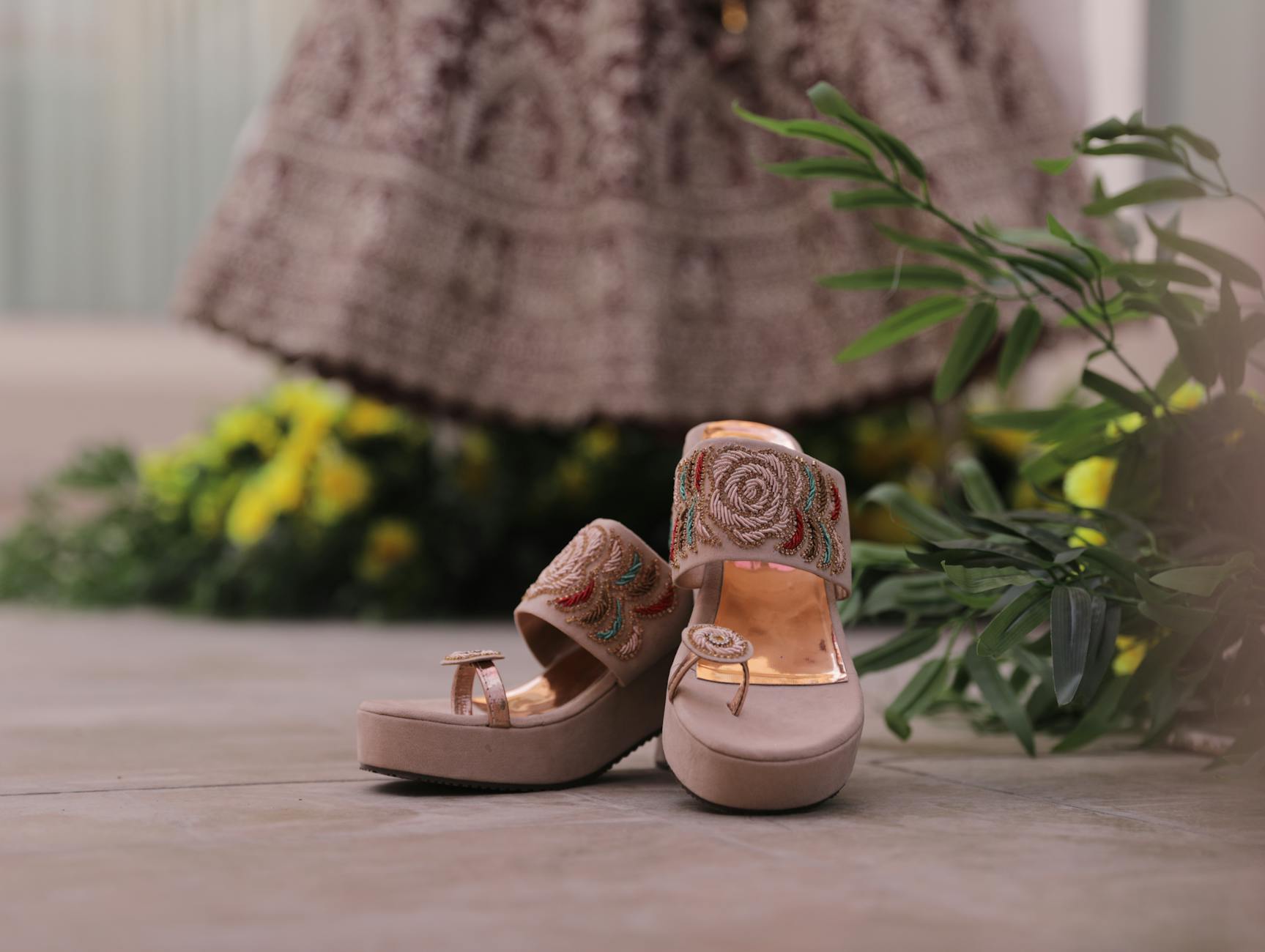
Chanel’s Resort 2027 collection introduced sandals that feature actual heel shapes as the heel component. The design team crafted footwear where the structural support mimics the contours of a human foot’s heel, creating a visual loop that challenges conventional shoe architecture. This approach extends beyond mere aesthetic experimentation into questions about form following function in ways previously unexplored by major luxury houses.
The construction requires specialized engineering to ensure the heel-shaped heel maintains structural integrity while supporting body weight. Traditional heel design prioritizes stability through geometric shapes – cylindrical, conical, or block forms that distribute pressure evenly. Chanel’s interpretation forces engineers to work within the irregular curves of anatomical accuracy while meeting safety standards for luxury footwear.
Manufacturing these pieces demands custom molds for each size, significantly increasing production complexity compared to standard heel shapes. The irregular surface area means each heel must undergo individual testing to verify load-bearing capacity, particularly at stress points where the “ankle” portion meets the “foot” section of the heel design.
Early fashion week responses have ranged from fascination to bewilderment, with industry observers noting the technical achievement while questioning practical applications. Several buyers expressed concern about durability, particularly regarding how the narrow “ankle” section of each heel would withstand repeated impact from walking on various surfaces.
The Broader Footwear Oddity Movement
Chanel’s anatomical approach represents the latest evolution in footwear’s ongoing departure from traditional silhouettes. Maison Margiela’s Tabi boots, with their split-toe design inspired by traditional Japanese footwear, established unconventional shapes as luxury statements over two decades ago. What began as Martin Margiela’s intellectual exercise in cultural appropriation and deconstruction has spawned an entire category of deliberately strange footwear.
Vibram FiveFingers took this concept into athletic territory, creating shoes that separate each toe individually. Originally designed for barefoot running enthusiasts, these shoes gained unexpected traction in fashion circles as statement pieces that prioritize function over conventional beauty standards. The brand’s success demonstrated consumer willingness to embrace dramatically altered foot silhouettes when presented with compelling performance benefits.
Recent seasons have witnessed an acceleration in experimental footwear design across price points. Rick Owens’ platform boots reach architectural heights while maintaining wearability through careful weight distribution. Demna Gvasalia’s work at Balenciaga has included shoes that appear to melt or morph, challenging basic assumptions about structural integrity in luxury goods. These designs share a common thread of making the familiar suddenly alien.
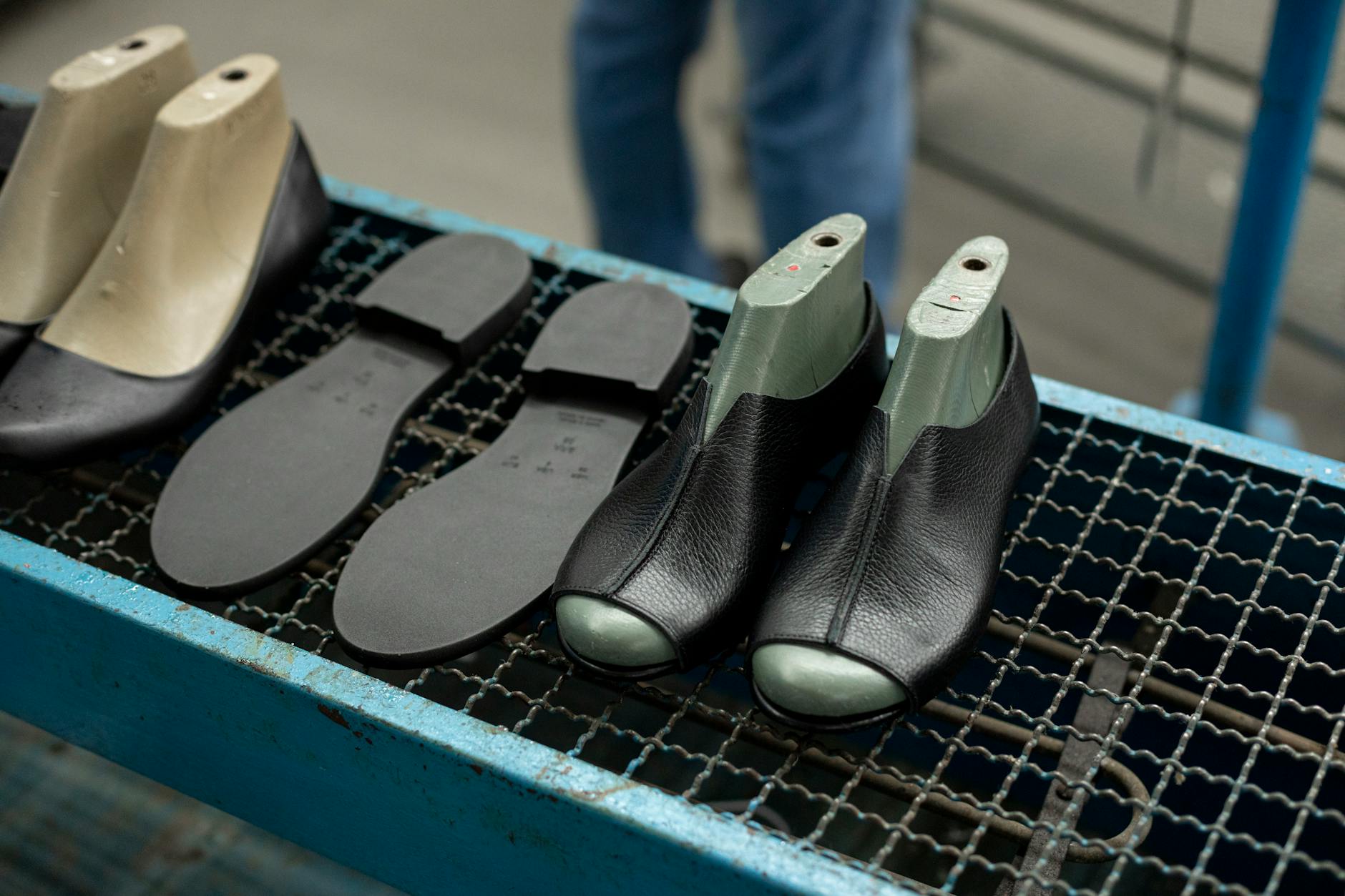
The technical challenges vary significantly between brands and approaches. Tabi boots require specialized lasting techniques to accommodate the split-toe construction, while maintaining comfort levels comparable to traditional boots. FiveFingers demanded entirely new manufacturing processes to create individual toe pockets without compromising flexibility or durability. Each unconventional design generates unique engineering problems that traditional cobbling techniques cannot address.
Consumer adoption patterns reveal interesting psychological factors at play. Early adopters of unusual footwear often cite comfort benefits or performance advantages, but continued wear frequently stems from the social reactions these shoes generate. The conversation-starting aspect becomes part of the product’s value proposition, transforming footwear from purely functional items into wearable art installations that happen to protect feet.
Industry Response and Market Reality
Luxury retailers report mixed reception for experimental footwear designs, with certain demographics showing strong interest while others remain committed to traditional silhouettes. The success of unconventional shoes often correlates more with brand prestige and marketing execution than with the actual degree of design departure from established norms. Chanel’s reputation allows for greater experimental latitude than newer brands attempting similar approaches.
Production costs for these specialized designs can exceed traditional luxury footwear by 200-300%, primarily due to custom tooling requirements and reduced manufacturing efficiency. Yet profit margins often remain comparable due to premium pricing strategies that position experimental designs as collectible objects rather than everyday footwear. The question remains whether Chanel’s heel-shaped heels will find sufficient buyers willing to navigate both the physical and financial challenges of wearing literal anatomical references on their feet.