



Winter weather strips lips of their natural oils, leaving them cracked and peeling within hours of stepping outside. The solution isn’t just any lip balm – it’s finding formulas that contain the right combination of humectants, emollients, and occlusives to create a moisture barrier that lasts.
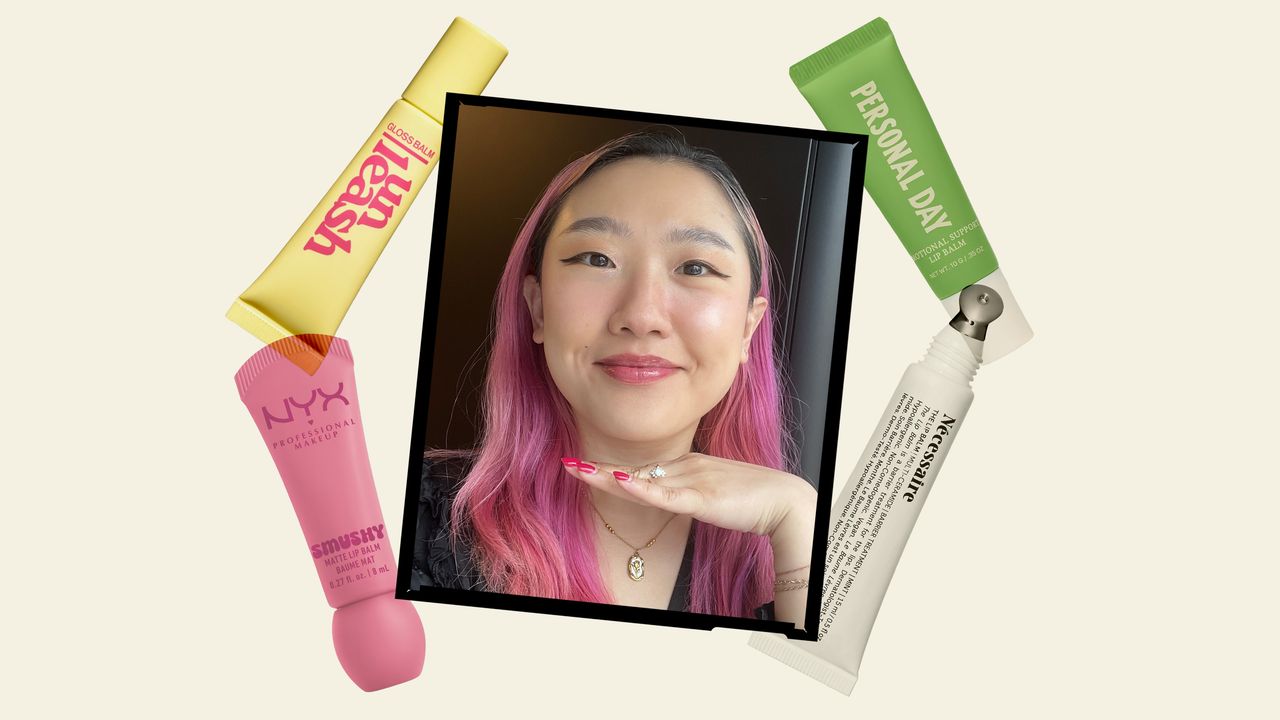
Beauty experts have identified 12 standout products that address different lip concerns, from basic hydration to adding subtle color or glossy shine. These aren’t your typical drugstore picks that wear off after 20 minutes.
The Science Behind Effective Lip Care
Lip skin contains no oil glands, making it particularly vulnerable to dehydration. Unlike facial moisturizers that can rely on the skin’s natural sebum production, lip products must provide all moisture and protection from external sources. The most effective formulas combine three types of ingredients: humectants like hyaluronic acid that pull moisture from the air, emollients such as shea butter that smooth and soften, and occlusives like petrolatum that seal everything in.
Professional makeup artists recommend applying lip balm in thin layers throughout the day rather than one thick application. This technique allows each layer to absorb properly while building up protection gradually.
Multi-Purpose Formulas Lead Market Innovation
The beauty industry has moved beyond basic lip balm to create products that serve multiple functions. Tinted options now deliver buildable color without the drying effects of traditional lipstick, while glossy formulas provide shine without stickiness. Some newer releases incorporate SPF protection, addressing the often-overlooked need for sun protection on lips.
Brands are also focusing on overnight repair treatments that work while you sleep. These intensive formulas typically contain higher concentrations of healing ingredients like ceramides and peptides. Users report waking up with noticeably softer, smoother lips after consistent nighttime use.
Natural ingredient enthusiasts have driven demand for products featuring organic oils and botanical extracts. However, dermatologists caution that “natural” doesn’t always mean gentler – some plant-derived ingredients can actually irritate sensitive lip skin.
The packaging has evolved too, with twist-up tubes replacing traditional pots to improve hygiene and portability. Some brands now offer refillable options, responding to growing environmental consciousness among consumers.

Clinical Testing Reveals Top Performers
Independent laboratory testing measures lip balm effectiveness through transepidermal water loss studies and skin hydration levels over 8-hour periods. The highest-performing products maintain measurable moisture improvement for at least 6 hours after application, even in controlled dry environments.
Consumer testing panels consistently rate products with lanolin and dimethicone as top performers for long-lasting hydration. However, these synthetic ingredients face resistance from the clean beauty movement, creating a divide between efficacy and ingredient preferences. Professional makeup artists often recommend keeping both types on hand – natural formulas for daily wear and clinical-strength options for severe dryness.
Price Points Don’t Always Predict Performance
Drugstore options frequently outperform luxury competitors in blind testing scenarios. A $3 pharmacy brand with petrolatum and mineral oil can provide superior moisture retention compared to a $45 designer alternative with exotic botanical blends. The key lies in understanding your specific needs rather than assuming higher prices guarantee better results.
Seasonal considerations also affect product choice. Summer formulas often emphasize lighter textures and sun protection, while winter versions focus on heavy-duty repair and protection against harsh elements. Some users maintain separate collections for different weather conditions.

Professional aestheticians note that consistency matters more than product choice – using any quality lip balm regularly produces better results than sporadically applying the most expensive option available. But with 12 dermatologist-approved choices now available, the question becomes whether the perfect formula exists or if the search itself has become the real beauty ritual.