




Author: Sophie Andersen

Sophie Andersen
Sophie has covered fashion weeks in Paris, Milan and New York for a decade. She writes about the business and spectacle behind the shows.
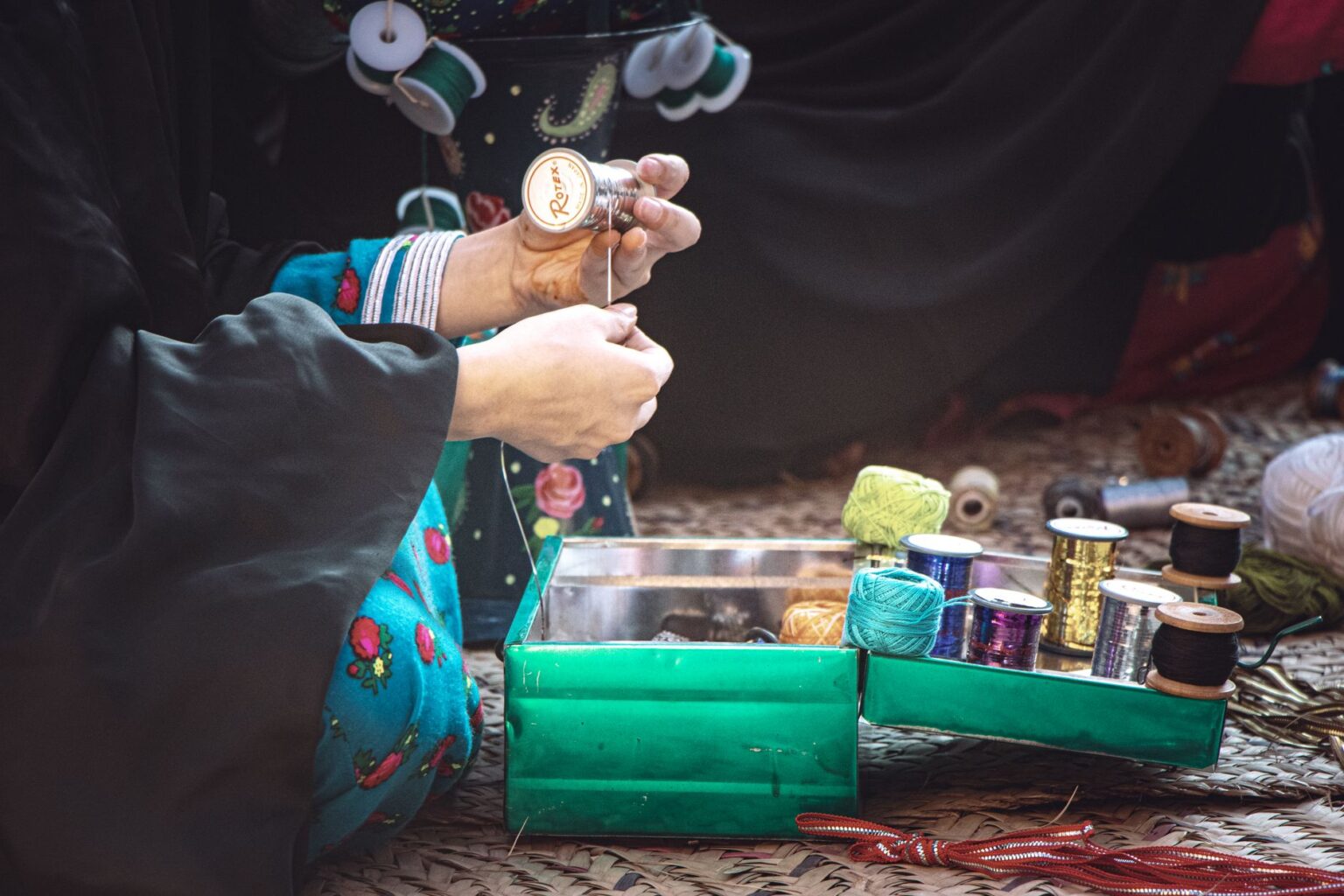
Senator Chuck Schumer visited Lingua Franca’s NYC townhouse Thursday, receiving an embroidered “Power to the People” sweater at the Tiny Pricks Project x Chorus celebration.
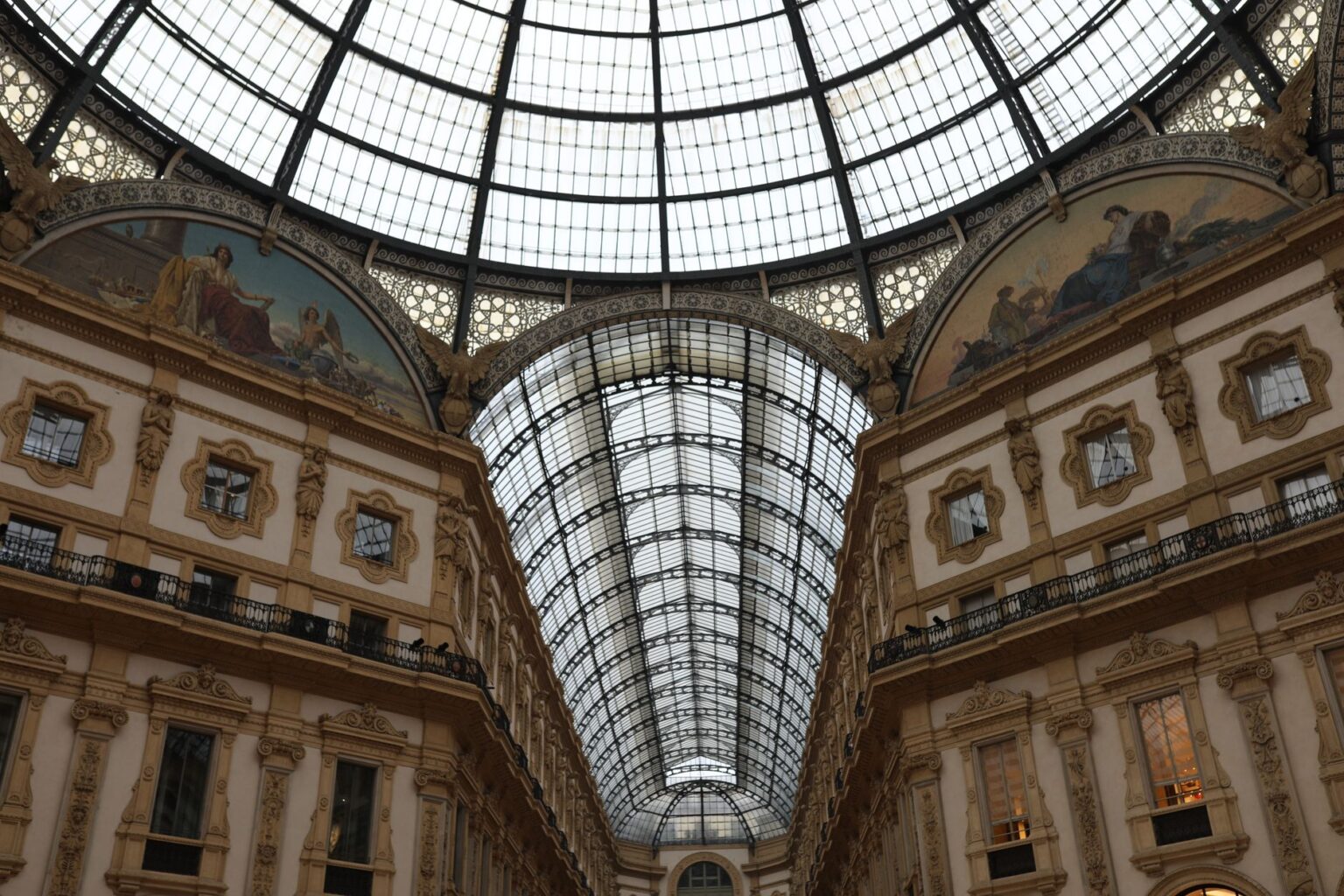
Alessio Lillocci, former Prada and Brunello Cucinelli designer, debuts his first collection as Canali’s creative director on Sunday.
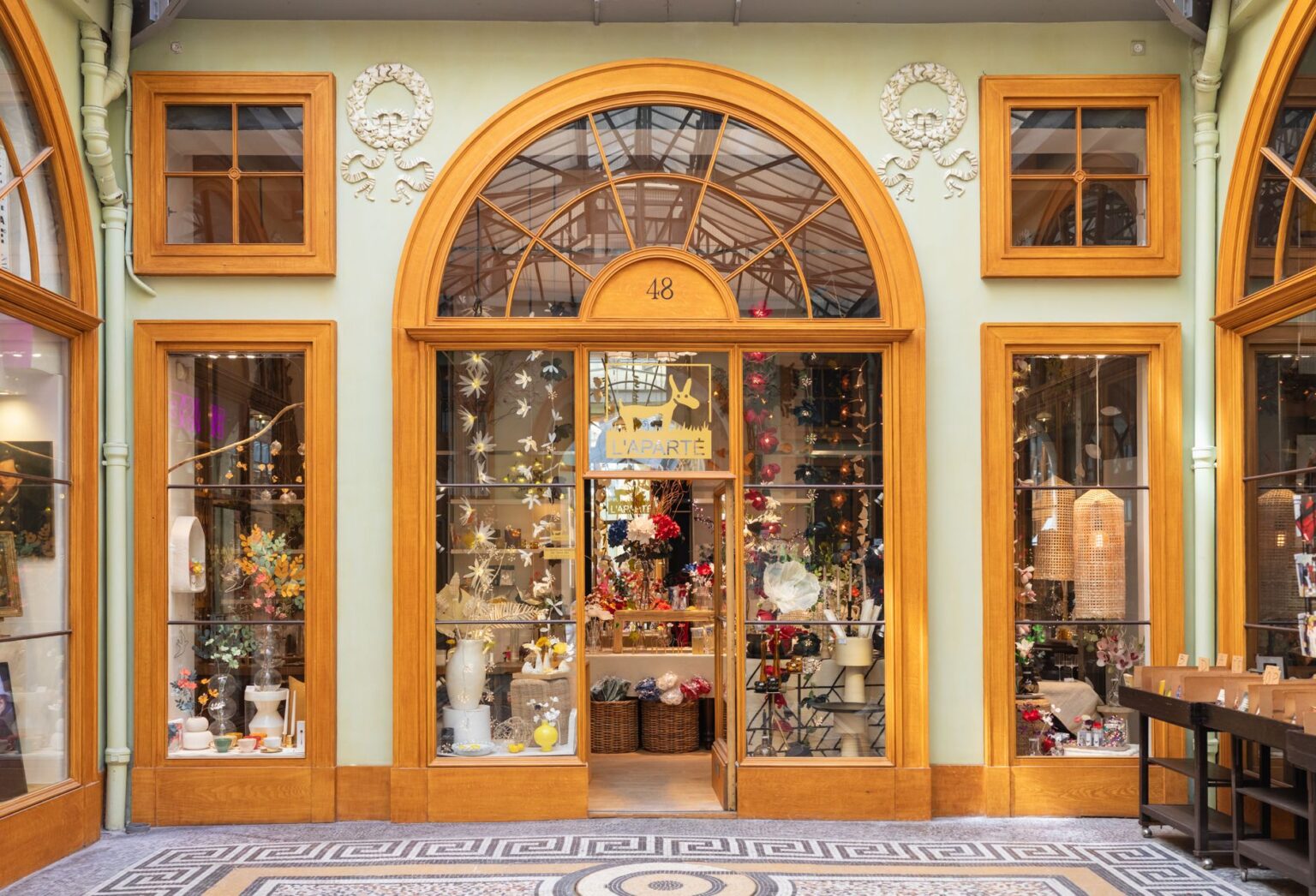
Lumine and Andreas Murkudis launch a Paris pop-up during Men’s Fashion Week, presenting Tokyo-influenced fashion, homewares, and books.
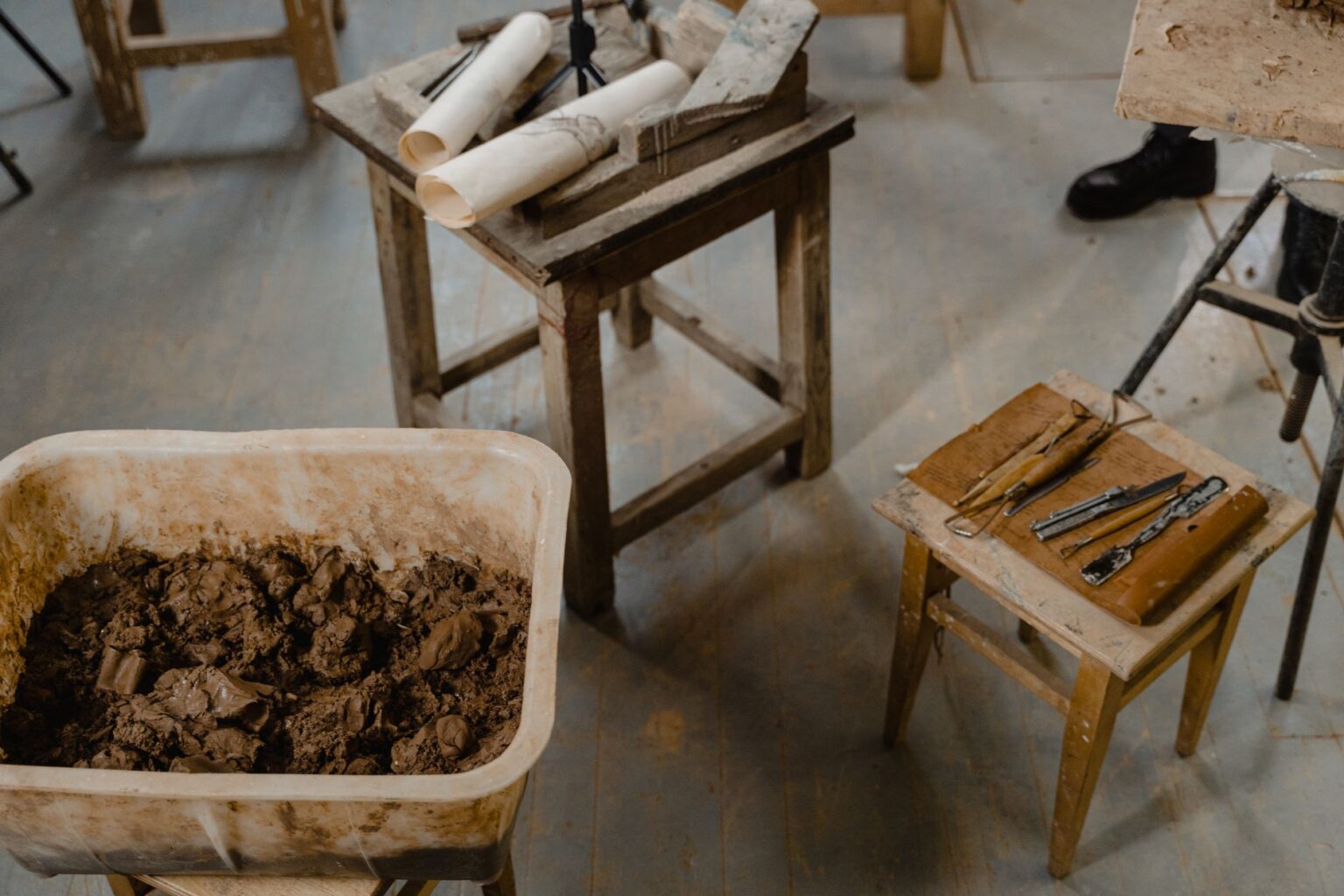
Christopher Bailey has acquired Burleigh Pottery, founded in 1851, alongside investors. The British ceramics house has collaborated with Ralph Lauren, Soho House, and Daylesford.
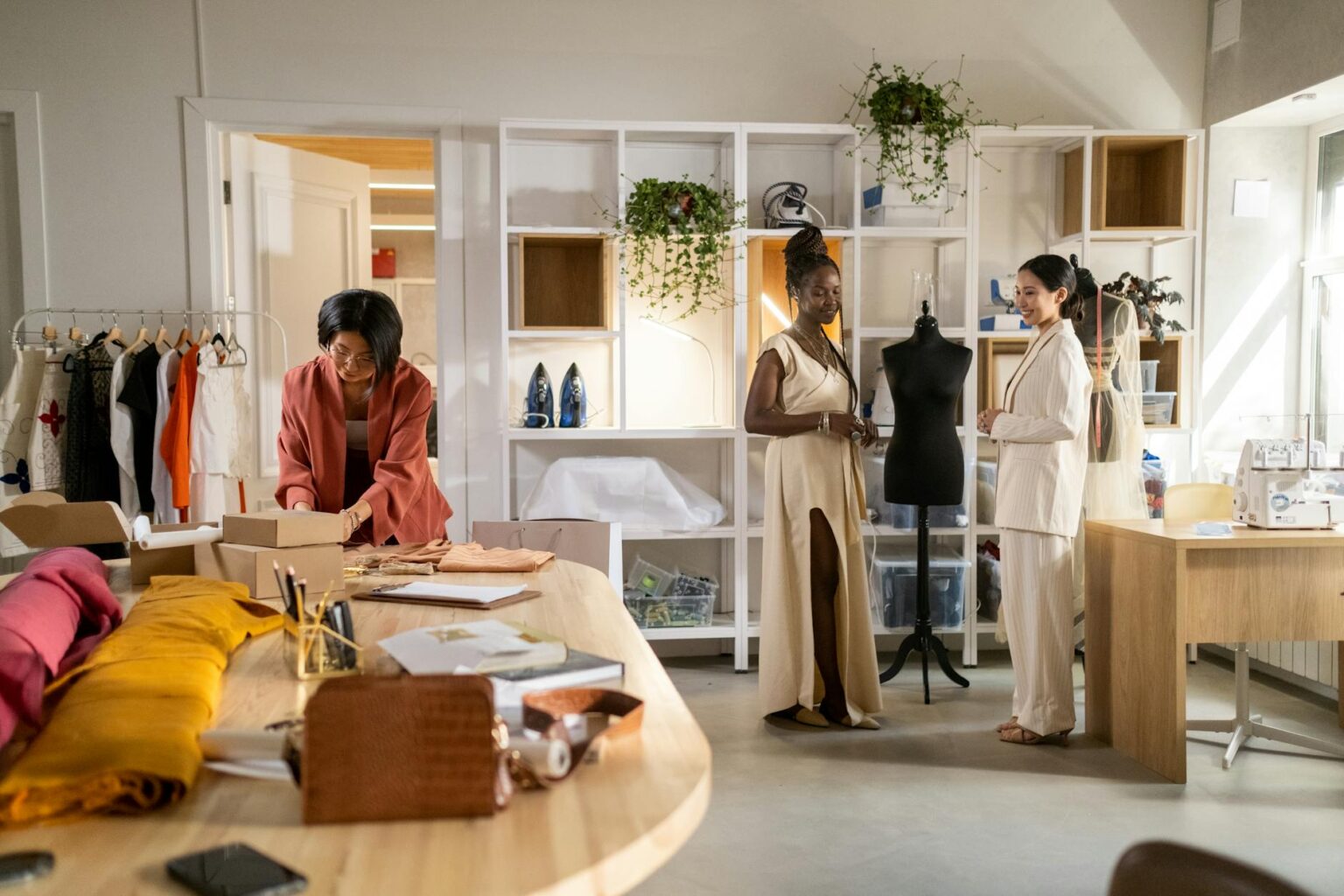
The BFC names Conner Ives, Tolu Coker, and Patrick McDowell among six Fashion Trust award winners, each receiving financial investment and tailored business guidance.
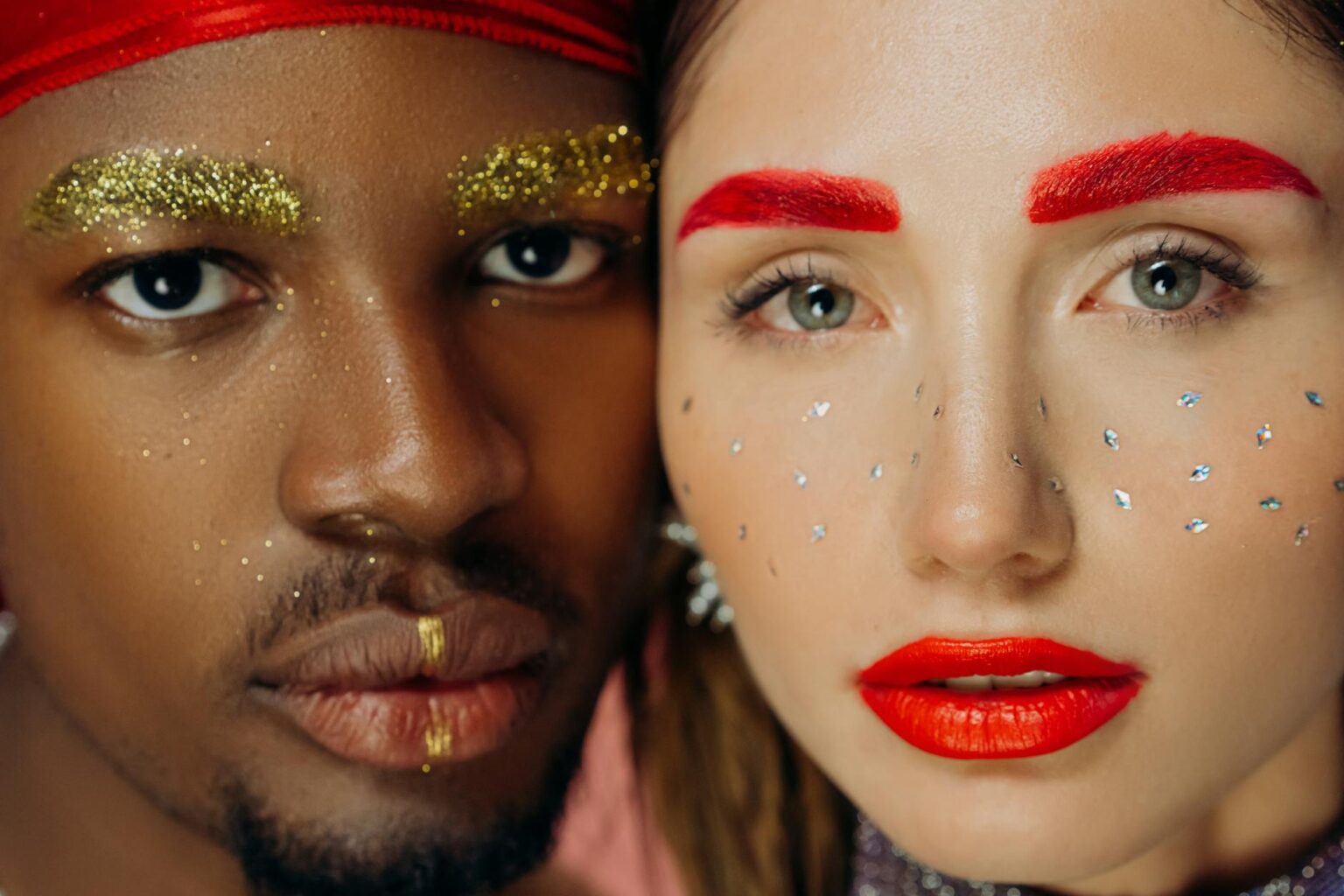
Euphoria’s series finale ends the show’s iconic beauty era, closing the book on Maddy Perez’s maximalist aesthetic and its influence on fashion and makeup trends.
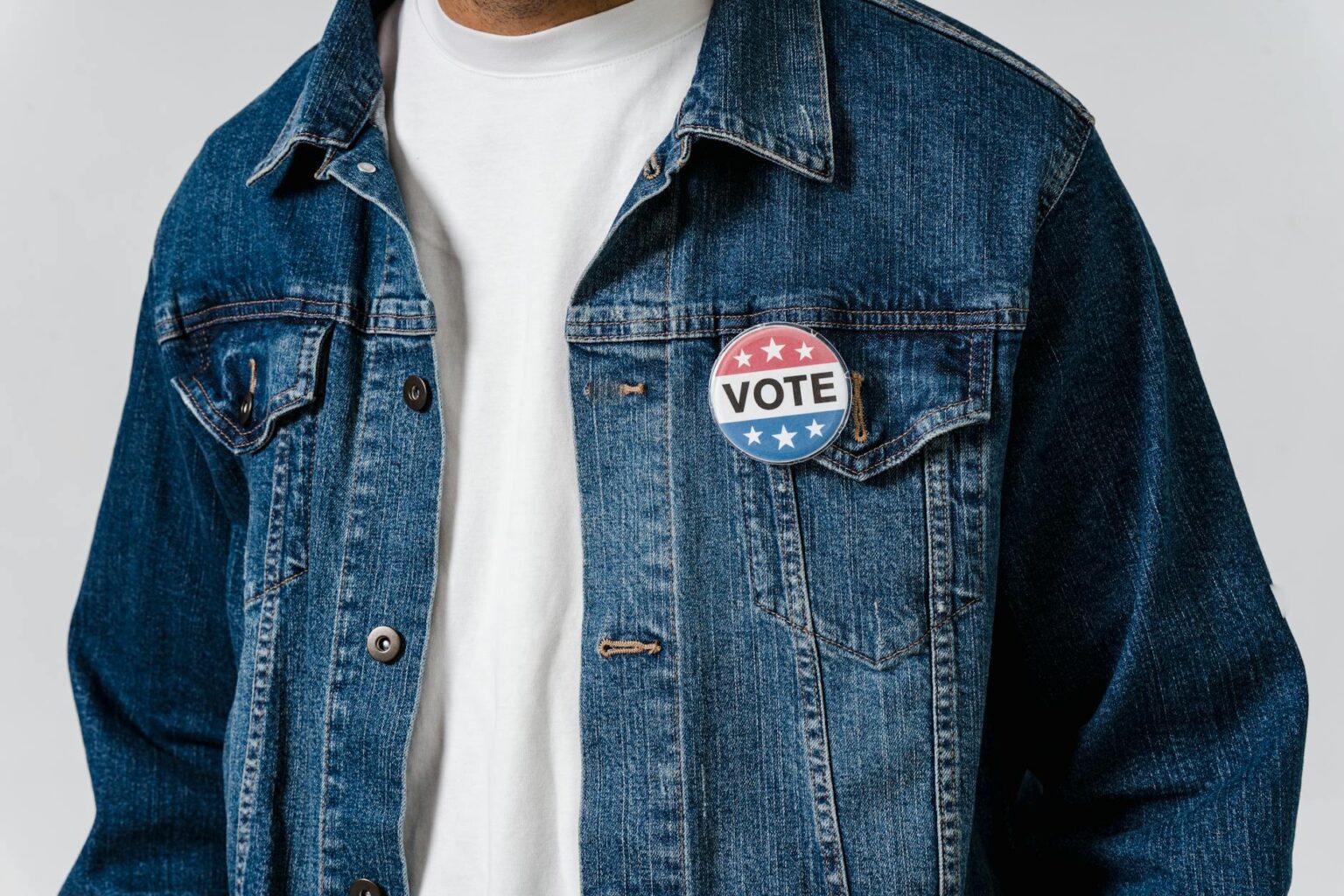
As the U.S. Semiquincentennial approaches in 2026, denim brands face a rare chance to leverage American identity — and a real risk of getting it wrong.
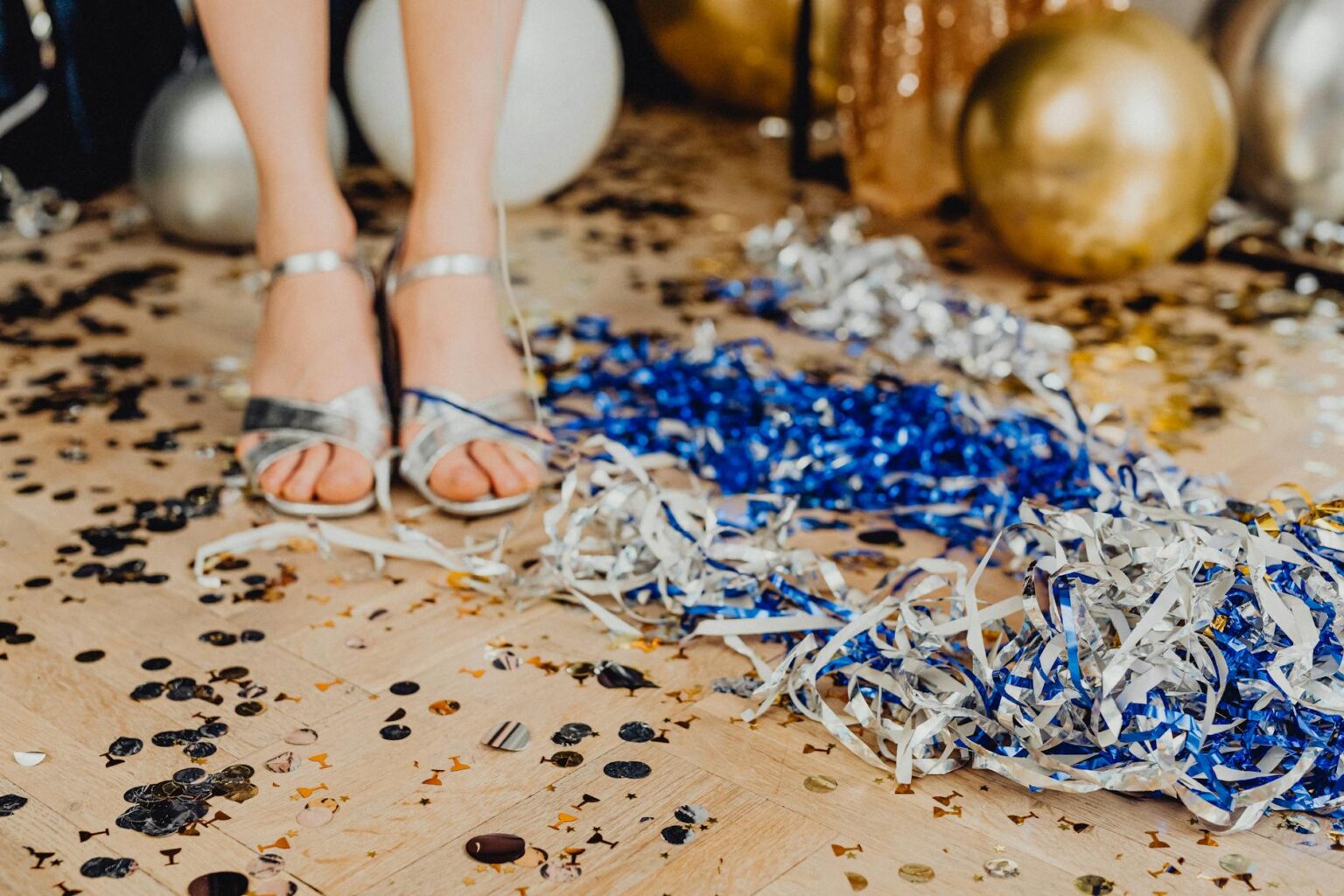
Dua Lipa paired silver Le Silla Shirley sandals with a metallic Jean Paul Gaultier spring 2009 dress at Cannes’ Nespresso Beach, creating monochromatic coordination.
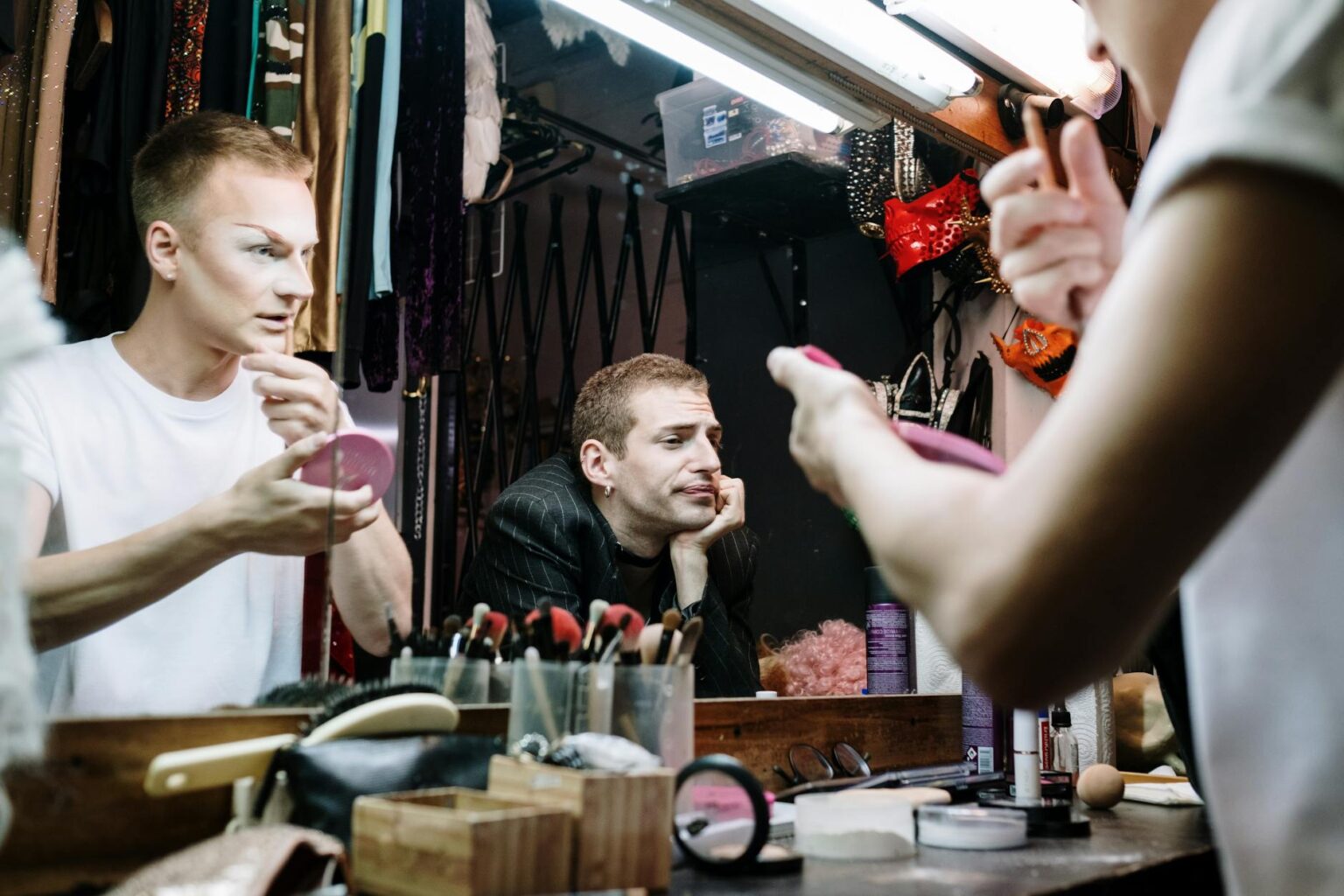
Peter Philips creates film noir-inspired beauty for Dior’s LA cruise show, combining luminous skin with Swarovski crystals for a cinematic aesthetic.
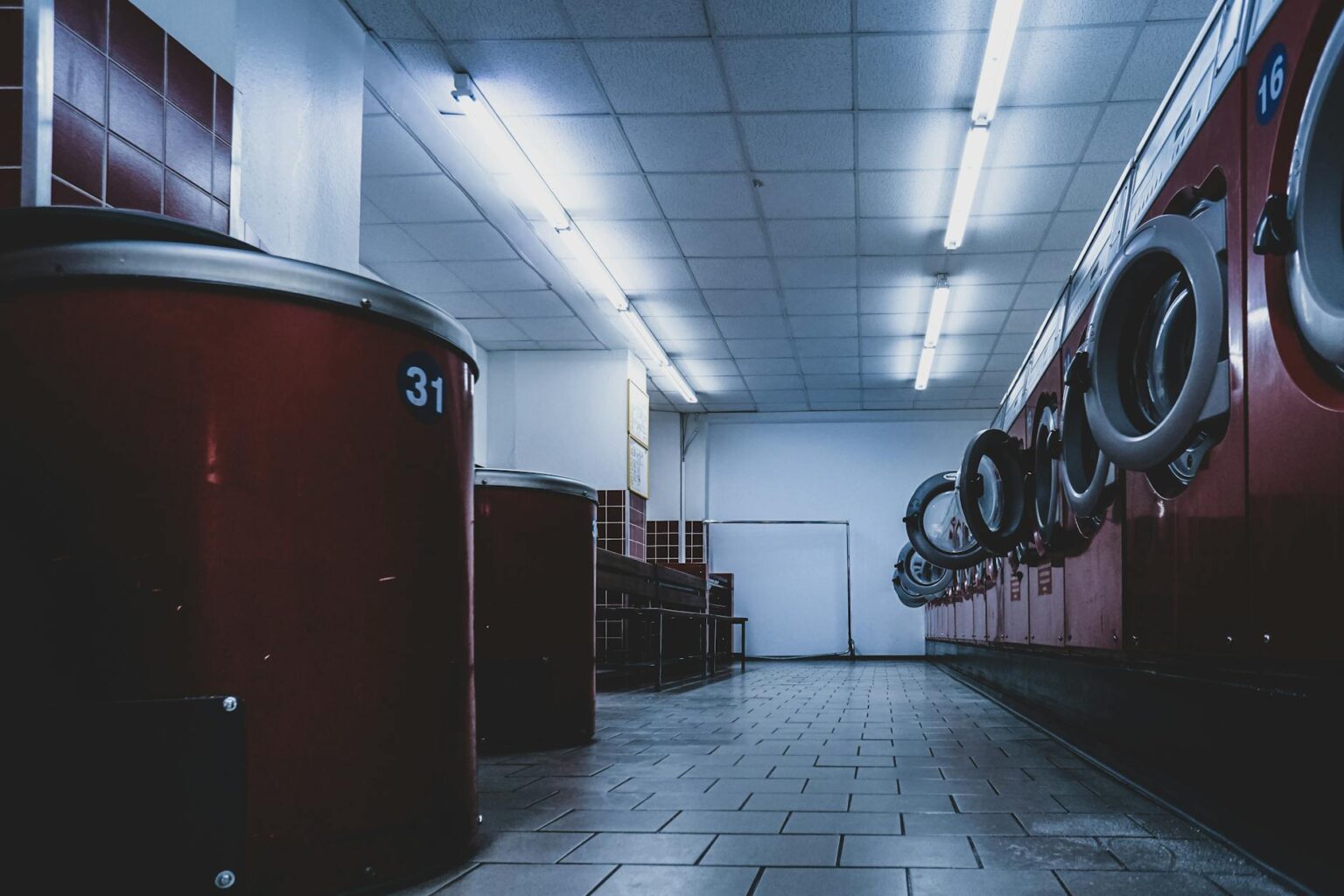
Designers are transforming neighborhood laundromats into runway venues, staging fashion shows between washing machines and dryers for authentic community engagement.