




Fashion, Culture, and the Politics of What We Wear
Juneteenth has never just been a calendar date. For Black Americans, it carries the full weight of liberation – not as an abstraction, but as a lived, ongoing project. This year, that project arrives on screen in a new documentary that puts community power front of mind.
What Power to the People, Y’all Brings to the Conversation
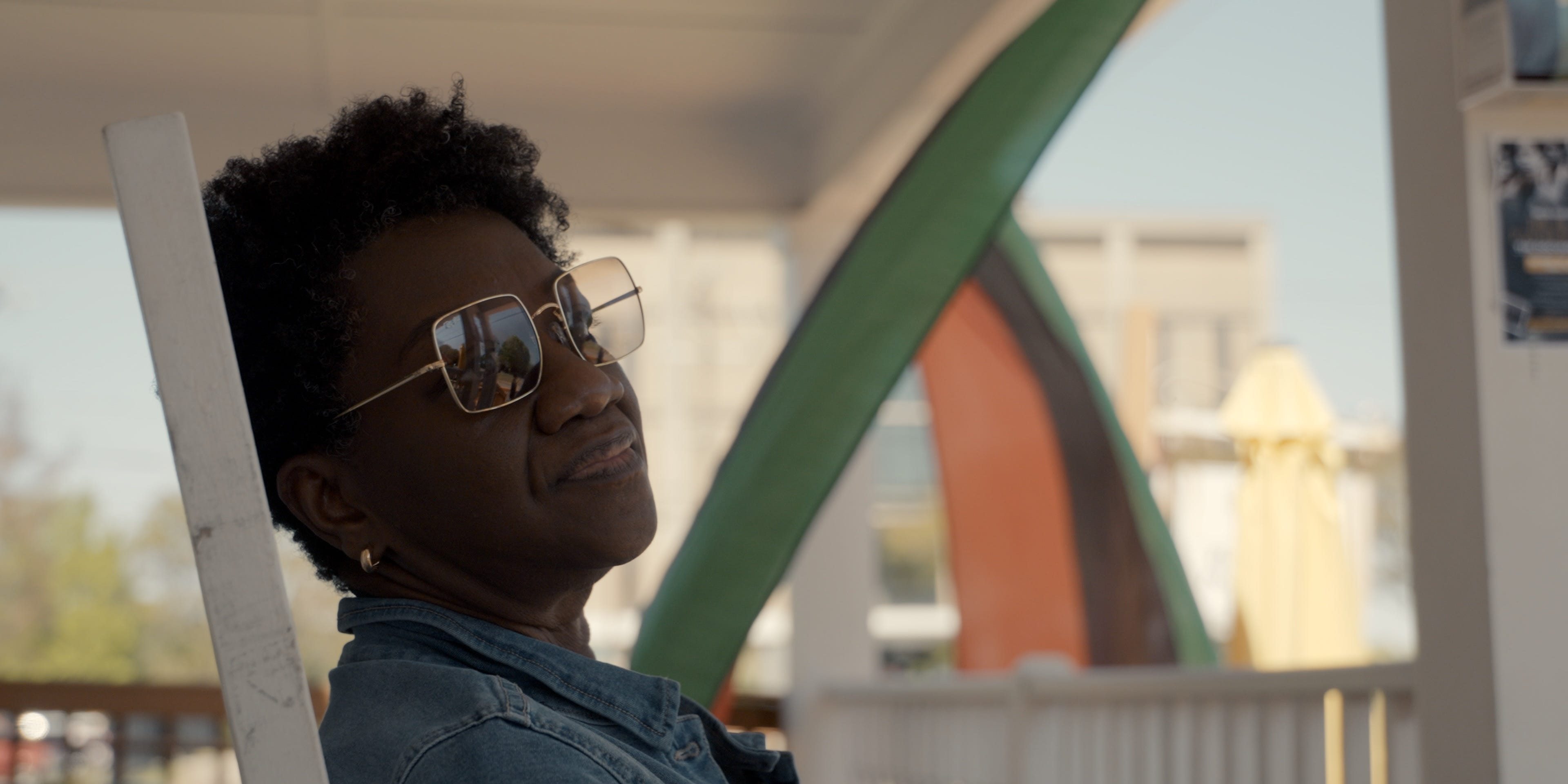
Power to the People, Y’all is a documentary focused specifically on the Black Panther Party’s chapter in Winston-Salem, North Carolina. That geographic specificity matters. Most mainstream cultural narratives about the Black Panthers anchor themselves in Oakland, California, where the Party was founded. Winston-Salem represents something different – a Southern chapter operating inside a different set of political and social pressures, where the work of organizing looked distinct from its West Coast counterparts.
The documentary’s title pulls directly from the Party’s language and ethos. “Power to the people” was never just a slogan – it was a structural demand. The Winston-Salem chapter translated that demand into concrete programs: health clinics, food distribution, political education. The film documents what Black liberation looked like when it was built at the neighborhood level, with community members at the center rather than charismatic figureheads at the front.
Fashion and style have always run through Black political movements in ways that mainstream culture tends to either romanticize or flatten. The Black Panthers understood this. The black beret, the leather jacket, the raised fist – these were not incidental aesthetic choices. They were a visual grammar, a way of projecting collective identity and discipline in a society that worked to render Black people invisible or threatening. Clothing became a statement before anyone in the group said a single word.
That visual legacy is still metabolized – often without attribution – through streetwear, luxury fashion, editorial photography, and runway collections. Designers reference the aesthetics of Black radical movements regularly. The documentary’s arrival during Juneteenth offers a chance to trace that reference back to its source, to understand what the look was actually saying and who was wearing it at real personal risk.
Style, Solidarity, and the Long Memory of Black Dress
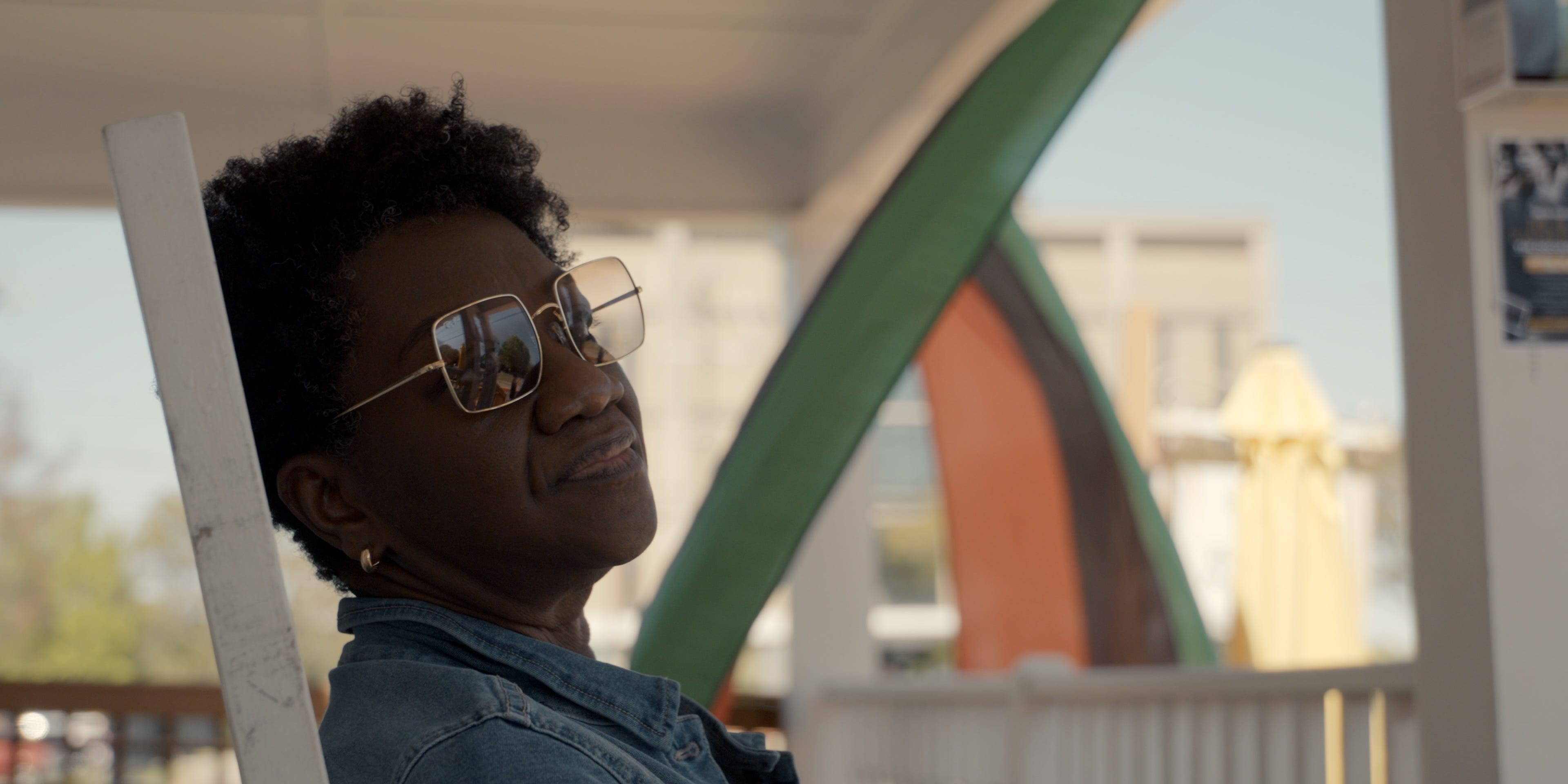
The connection between Black liberation politics and fashion is not metaphorical. It is material and historical. During the civil rights era and into the Black Power movement, how Black Americans dressed for protest, for church, for organizing meetings, carried deliberate meaning. The crisp suits of the NAACP marchers communicated respectability as a political strategy. The Panthers rejected that strategy in favor of something more confrontational – uniformity as defiance rather than assimilation. Both choices were made under pressure, and both choices communicated something precise about power and who gets to hold it.
Winston-Salem’s chapter operated in a city shaped by tobacco industry wealth and deep racial segregation. The Panthers there built what the documentary describes as genuine community infrastructure. A free health clinic. Breakfast programs for children. Political education classes. These were not symbolic gestures. They were direct responses to municipal failures – services the city was not providing to Black residents. The aesthetic identity of the Party was inseparable from that practical work. The uniform said: we are organized, we are serious, we are not asking permission.
Fashion media has spent years in a complicated relationship with Black culture – drawing heavily from it while being slow to center Black designers, Black models, and Black editorial voices. That dynamic has shifted noticeably over the past decade, but the shift remains incomplete. Juneteenth offers an annual opportunity to interrogate that gap, and Power to the People, Y’all lands at exactly that moment, asking audiences to look at Black organizing not as historical artifact but as ongoing practice.
The documentary arrives during a period when Juneteenth has moved from regional observance – it has always been widely celebrated in Texas and parts of the South – to federal holiday, a status it received in 2021. That institutionalization is complicated. It has made the day more visible nationally while also creating conditions for its commercialization, the same process that has absorbed and diluted the visual language of the Black Panthers into fashion campaigns and streetwear drops that strip out the political content entirely.
There is a version of Juneteenth coverage that stays on the surface – curated playlists, branded social media posts, fashion roundups with red, black, and green colorways. Power to the People, Y’all is not that. It goes to a specific place, Winston-Salem, and documents specific people doing specific work over decades. That granularity is what separates a genuine reckoning with Black liberation history from a mood board.
Why the Winston-Salem Chapter Deserves Its Own Frame
Larry Little, one of the key figures in the Winston-Salem chapter, went on to become a city alderman. That trajectory – from radical organizer to elected official – is part of what the documentary examines. It raises a question that sits at the center of any liberation movement: what does it mean to enter the institutions you once stood outside of, and what gets preserved versus surrendered in that transition?
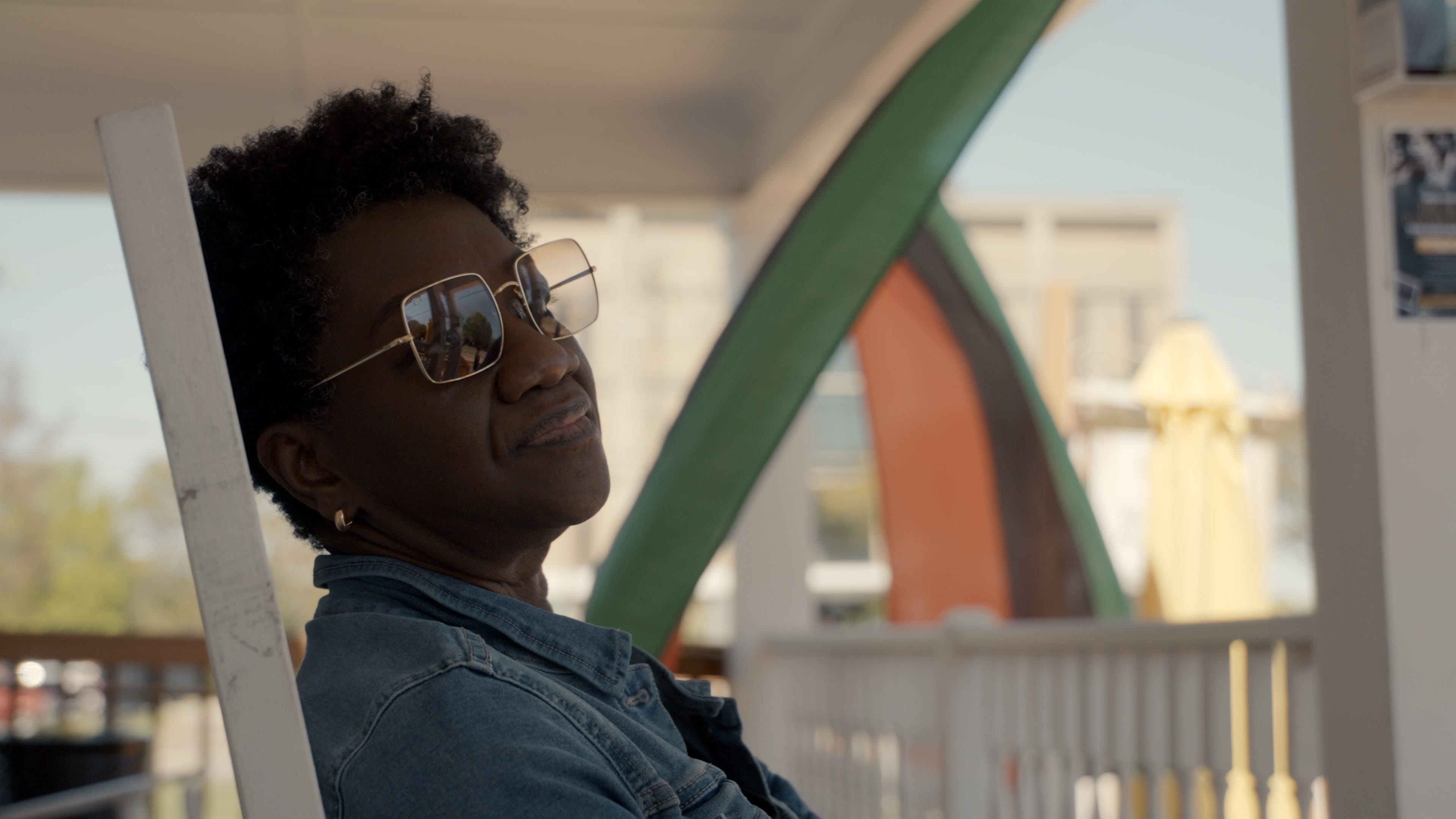
The film is titled Power to the People, Y’all – and that “y’all” is doing real work. It is Southern, it is familiar, it is a specific linguistic marker of place. It signals that this story is not trying to be universal in the abstract sense. It is rooted. The Winston-Salem Panthers were not a branch office of a national brand. They were people from that city, responding to conditions in that city, building something that belonged to that community. Whether the documentary can make that rootedness legible to audiences with no prior connection to Winston-Salem – and whether it should even try – is the tension the film carries into every frame.