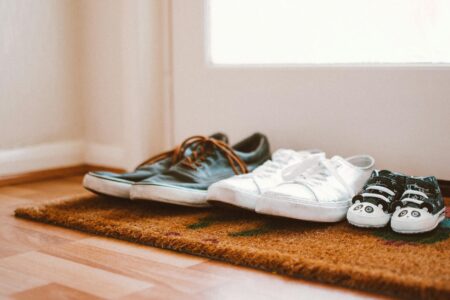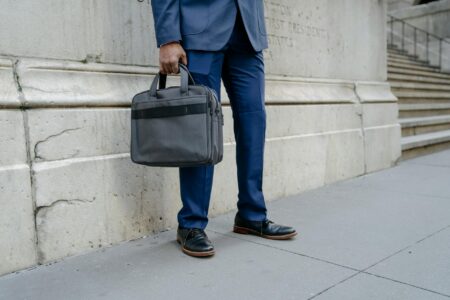





Rain boots are losing their grip on fashion-forward consumers as water-resistant loafers emerge as the season’s unexpected hero. From Manhattan sidewalks to Seattle coffee shops, style-conscious individuals are ditching clunky rubber boots for sleek, weatherproof leather alternatives that seamlessly transition from storm to boardroom.
The shift represents more than just seasonal preference – it signals a fundamental change in how we approach functional fashion. Traditional rain boots, long relegated to gardening and puddle-jumping, are being replaced by sophisticated footwear that refuses to compromise style for substance. Major retailers report water-resistant loafers outselling rain boots by nearly three-to-one this season, with luxury brands like Cole Haan, Sperry, and Clarks leading the charge.
The Technology Behind the Trend
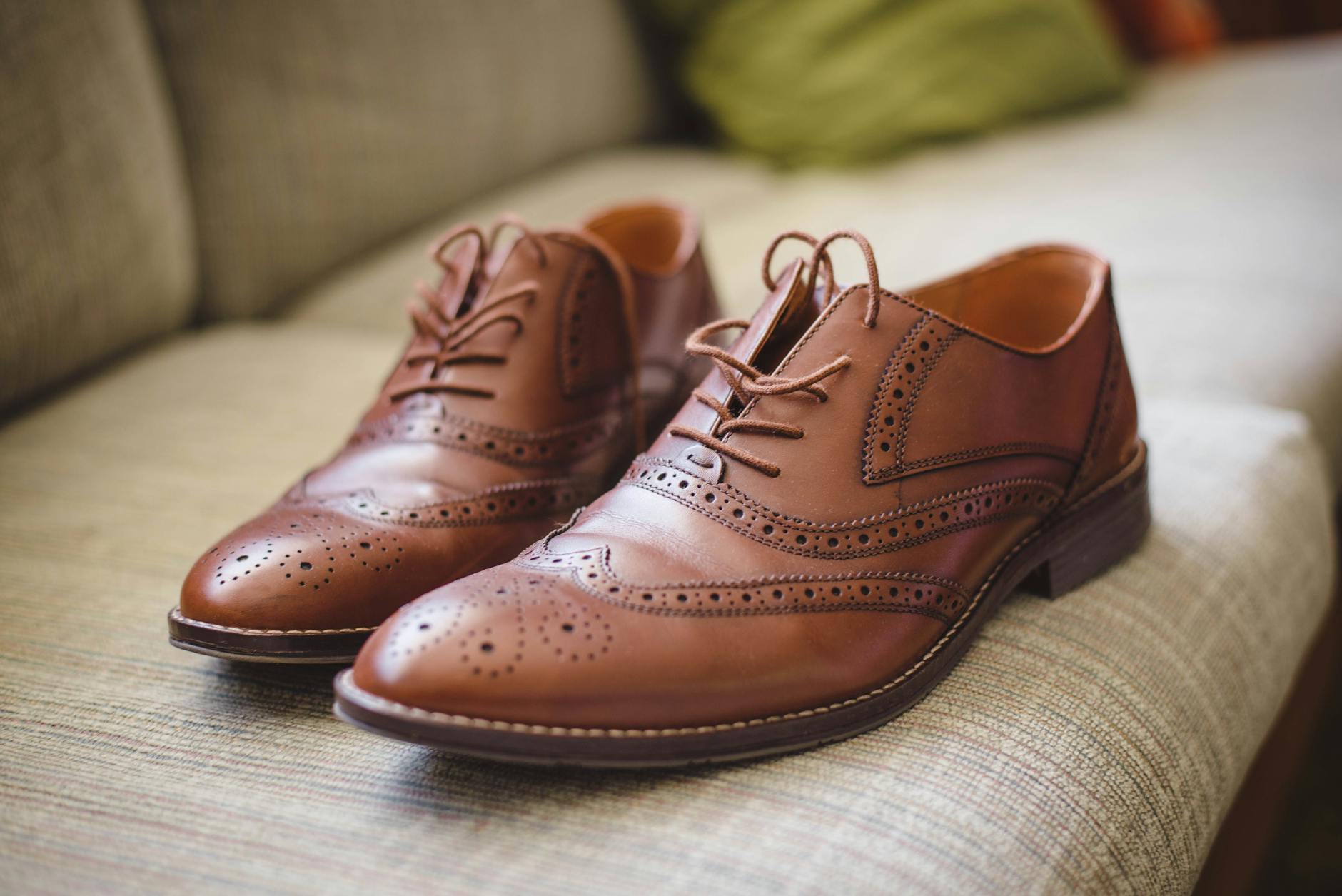
Water-resistant loafers owe their popularity to significant advances in leather treatment and construction techniques. Modern water-resistant technology goes far beyond basic waterproof sprays, incorporating specialized leather treatments, sealed seams, and innovative sole construction that creates a barrier against moisture while maintaining breathability.
Leading brands are utilizing hydrophobic leather treatments that repel water at the molecular level. These treatments penetrate deep into the leather fibers, creating a protective barrier that allows the shoe to maintain its natural texture and appearance while resisting water damage. Unlike traditional waterproofing methods that often left leather stiff and unnatural-looking, current techniques preserve the supple feel that makes loafers comfortable for all-day wear.
The construction process has evolved to include sealed seams and specialized cement that prevents water from penetrating through stitching points. Some manufacturers are incorporating Gore-Tex membranes or similar breathable waterproof materials between the leather upper and lining, creating a barrier that keeps feet dry without causing excessive sweating.
Sole technology plays a crucial role in the water-resistance equation. Rubber outsoles with deep tread patterns provide superior traction on wet surfaces compared to traditional leather-soled loafers, while innovative materials like EVA foam midsoles offer cushioning and additional water resistance. The combination creates footwear that performs as well as specialized rain gear while maintaining the refined aesthetic of dress shoes.
Style Versatility Drives Adoption
The primary advantage driving consumers toward water-resistant loafers lies in their remarkable versatility. Unlike rain boots that require a complete outfit change once weather clears, these sophisticated shoes work equally well in conference rooms and during unexpected downpours.
Professional environments have embraced the trend enthusiastically. Business casual dress codes increasingly favor footwear that bridges formal and functional requirements, and water-resistant loafers deliver exactly that balance. The classic penny loafer silhouette or sleek tassel design maintains professional polish while providing practical weather protection. This versatility eliminates the need to carry backup shoes or make awkward footwear transitions during the workday.
Color options have expanded dramatically beyond traditional brown and black. Brands now offer water-resistant loafers in burgundy, navy, forest green, and even subtle metallic finishes. This expanded palette allows for coordination with a broader range of outfits while maintaining the sophisticated appearance that makes loafers office-appropriate.
The rise parallels other footwear innovations, similar to how compression socks became street style’s latest statement piece by combining function with fashion-forward design. Just as compression socks moved beyond athletic applications into mainstream style, water-resistant loafers are transcending their practical origins to become genuine fashion statements.

Seasonal Weather Patterns Fuel Demand
Changing weather patterns and increased urbanization have created ideal conditions for water-resistant loafer adoption. Cities worldwide are experiencing more frequent but less predictable rainfall, creating demand for footwear that handles intermittent wet conditions without the bulk and inconvenience of traditional rain boots.
Urban professionals particularly appreciate the space-saving aspect of water-resistant loafers. Commuters who previously carried rain boots in bags or kept spare shoes at the office can now rely on a single pair of shoes for variable weather conditions. This simplification appeals to minimalist lifestyle trends and reduces the daily decision-making burden around footwear choices.
The footwear industry has responded by expanding water-resistant options across price points. Entry-level brands offer basic water-resistant loafers starting around fifty dollars, while luxury manufacturers command premium prices for handcrafted versions featuring exotic leathers and advanced waterproofing technologies. This range ensures accessibility while maintaining aspirational options for fashion-focused consumers.
Retail data indicates strongest sales in regions with moderate climates and frequent light rain, including the Pacific Northwest, Northeast corridor, and parts of Europe. However, adoption is spreading rapidly to areas with occasional heavy rainfall, as consumers appreciate having weather-ready footwear that doesn’t require seasonal storage.
Market Response and Future Outlook
Major footwear manufacturers are investing heavily in water-resistant technology as consumer demand continues growing. Research and development budgets increasingly focus on improving breathability while maintaining water resistance, addressing the primary complaint about early water-resistant shoes. Some brands are exploring sustainable water-resistant treatments using plant-based compounds instead of chemical applications.
The trend is influencing adjacent footwear categories as well. Water-resistant oxford shoes, boat shoes, and even dress boots are gaining market share as consumers seek weather protection across their entire shoe wardrobes. This expansion suggests water resistance may become a standard feature rather than a specialized option within five years.
Retail partnerships between footwear brands and weather apps are emerging, allowing targeted marketing during forecast rain periods. Some companies are developing subscription services for water-resistant shoe care, recognizing that maintaining the protective properties requires ongoing attention from consumers.
The success of water-resistant loafers may signal broader changes in fashion priorities. As climate unpredictability increases and urban lifestyles demand greater efficiency, functional fashion solutions that maintain aesthetic appeal will likely dominate future trends. Water-resistant loafers represent an early example of this evolution, proving that consumers no longer accept the traditional trade-off between style and practicality.
This season’s embrace of water-resistant loafers over traditional rain boots reflects a maturing approach to functional fashion. As technology continues improving and consumer awareness grows, expect this trend to expand beyond seasonal adoption into year-round wardrobe staples for style-conscious individuals who refuse to let weather dictate their footwear choices.
Frequently Asked Questions
How do water-resistant loafers compare to rain boots for protection?
Water-resistant loafers handle light to moderate rain effectively while maintaining professional appearance, though rain boots offer superior protection in heavy downpours.
Can water-resistant loafers be worn in professional settings?
Yes, water-resistant loafers maintain the sophisticated appearance of traditional dress shoes while providing weather protection suitable for business environments.