





Silicon Valley’s most powerful executives are turning to an unexpected professional service: wardrobe therapy. These aren’t traditional stylists who simply pick out clothes. They’re licensed therapists who help tech leaders unpack the psychological relationship between identity, confidence, and clothing choices.
The trend started when several prominent CEOs began struggling with public appearances and media scrutiny. After years of hiding behind hoodies and casual wear, many found themselves unprepared for the fashion demands of congressional hearings, investor meetings, and global stages. Traditional styling wasn’t enough – they needed someone who could address the deeper psychological barriers to dressing for power.

The Psychology Behind the Hoodie
Tech culture has long celebrated the anti-fashion uniform. Mark Zuckerberg famously wore the same gray t-shirt daily to eliminate “decision fatigue.” Steve Jobs made his black turtleneck iconic. But this aesthetic choice, while practical for innovation, created unexpected problems as these leaders gained global influence.
Dr. Sarah Chen, a Los Angeles-based wardrobe therapist who works with several tech executives, explains the psychological complexity: “Many of these leaders built their identities around rejecting traditional corporate dress codes. When they suddenly need to command respect in Washington or on international stages, the hoodie becomes a psychological crutch they can’t abandon without feeling like they’re betraying their authentic selves.”
Wardrobe therapy addresses these internal conflicts through cognitive behavioral techniques. Sessions might explore childhood experiences with formal wear, anxieties about being perceived as “selling out,” or imposter syndrome that emerges when dressing for traditional power settings. The goal isn’t just finding the right suit – it’s helping clients understand why certain clothing choices trigger emotional responses.
Several Silicon Valley executives have reportedly worked through “authenticity anxiety” – the fear that dressing differently means compromising their core identity. This psychological barrier often prevents effective communication with investors, government officials, and international business partners who expect certain visual cues of professionalism.
Beyond Personal Shopping
Traditional personal stylists focus on color palettes, body types, and current trends. Wardrobe therapists dig deeper into the emotional architecture of dress. They’re licensed mental health professionals who’ve added fashion expertise to their practice, or fashion professionals who’ve earned counseling credentials.
The process typically begins with extensive psychological assessment. Clients explore their relationship with authority, their comfort with attention, and their childhood experiences with clothing and appearance. Many tech leaders discover that their casual dress stems from deeper issues: rebellion against corporate conformity, fear of judgment, or anxiety about being seen as superficial.
Sessions often reveal surprising insights. One prominent CEO realized his attachment to sneakers wasn’t about comfort – it was about maintaining connection to his startup roots and fear of alienating younger employees. Another discovered that her resistance to feminine business wear stemmed from early career experiences where she felt dismissed in traditional women’s professional clothing.
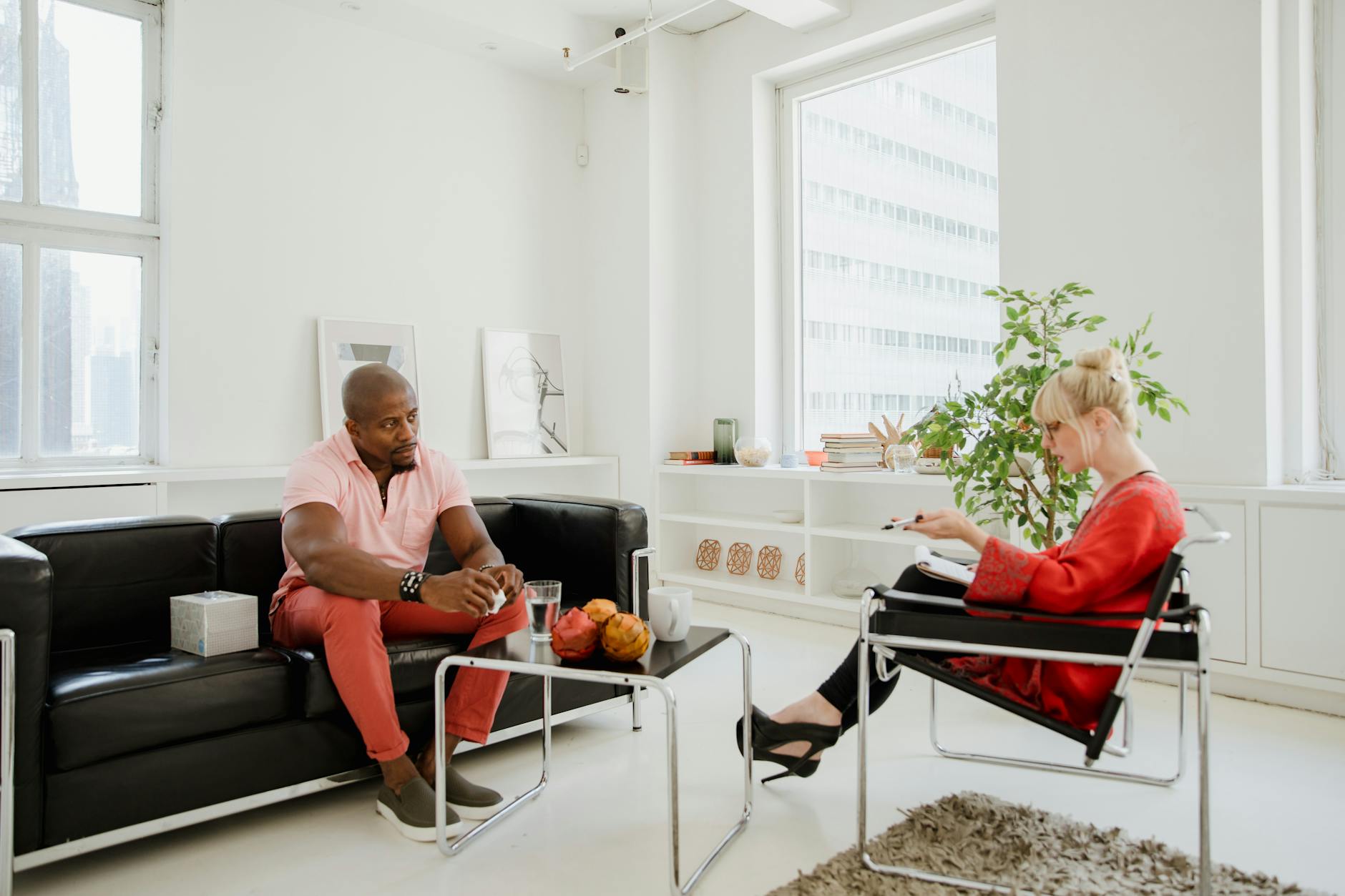
The therapeutic approach helps clients understand these underlying motivations before making style changes. This psychological foundation makes wardrobe transformations more sustainable and authentic. Rather than forcing uncomfortable costume changes, clients develop genuine comfort with expanded style choices.
Some wardrobe therapists incorporate techniques from exposure therapy, gradually introducing clients to formal wear in low-stakes environments. Others use visualization exercises to help clients imagine themselves confidently navigating high-profile situations in appropriate attire.
The Business Impact
The investment in wardrobe therapy reflects the high stakes of public perception in today’s business environment. Tech leaders face congressional hearings, international summits, and investor presentations where visual communication matters enormously. A poorly chosen outfit can become a distracting talking point that overshadows important messages.
Several executives have reported improved confidence and effectiveness after working with wardrobe therapists. The psychological work helps them feel authentic in formal settings rather than costumed or performative. This genuine comfort translates to more effective communication and stronger professional relationships.
The trend extends beyond clothing choices to broader questions of leadership presence. Wardrobe therapy sessions often evolve into discussions about executive presence, public speaking anxiety, and imposter syndrome. Many clients discover that clothing concerns mask deeper leadership development needs.
Investment firms and boards have taken notice. Some are quietly encouraging or even funding wardrobe therapy for portfolio company executives, recognizing the business impact of confident, appropriately dressed leadership. The service is increasingly viewed as professional development rather than personal indulgence.
Companies specializing in executive coaching are adding wardrobe therapists to their service offerings. The integration of psychological and fashion expertise addresses the complex identity challenges facing today’s business leaders, particularly those from non-traditional corporate backgrounds.
The Growing Market
Wardrobe therapy represents a broader trend toward personalized psychological services for high-net-worth individuals. Personal stylists are adding therapy training to their services to meet this demand, while licensed therapists are pursuing fashion education.
The field is attracting professionals from both fashion and mental health backgrounds. Some practitioners hold dual credentials in psychology and fashion merchandising. Others partner with traditional stylists while providing the therapeutic component of the service.
Training programs are emerging at major universities, combining fashion psychology with clinical techniques. The International Association of Wardrobe Therapists, founded in 2019, now counts over 200 certified practitioners worldwide. Most charge between $300-500 per session, with comprehensive programs running several thousand dollars.

The service appeals beyond tech executives to other professionals navigating identity and appearance challenges. Entertainment industry figures, politicians, and high-profile entrepreneurs are increasingly seeking wardrobe therapy as they advance to more visible roles.
The psychological approach distinguishes wardrobe therapy from traditional styling services. While personal shoppers focus on external transformation, wardrobe therapists address the internal work necessary for sustainable style evolution. This depth of service commands premium pricing and creates lasting client relationships.
As remote work continues reshaping professional norms, many leaders are reassessing their relationship with professional dress. Wardrobe therapy helps navigate these changing expectations while maintaining authentic self-expression. The service provides psychological tools for adapting to evolving professional demands without sacrificing personal identity.
The growing acceptance of mental health services in professional settings has created space for specialized offerings like wardrobe therapy. As business leaders recognize the connection between psychological well-being and professional effectiveness, services addressing specific identity challenges are finding eager markets.
Frequently Asked Questions
What’s the difference between a wardrobe therapist and a personal stylist?
Wardrobe therapists are licensed mental health professionals who address psychological barriers to clothing choices, while personal stylists focus on external appearance and fashion trends.
Why do tech executives struggle with professional dress?
Many tech leaders built their identities around casual dress as rebellion against corporate conformity, creating psychological barriers when they need formal attire for high-stakes situations.