




The marathon boom has created an unexpected partnership between medical professionals and athletic footwear. Podiatrists nationwide are stepping beyond traditional clinic settings to collaborate directly with running brands, creating custom insole solutions that address the specific biomechanical challenges faced by long-distance runners.
Dr. Emily Chen, a sports podiatrist in Portland, Oregon, has been working with local running stores for the past three years to develop personalized insole systems. “We’re seeing runners come in with issues that standard over-the-counter insoles simply can’t address,” Chen explains. “The repetitive stress of marathon training creates unique foot problems that require medical-grade solutions.”
The trend reflects a growing awareness among serious runners that foot health extends far beyond choosing the right shoe size. Professional marathoners have long worked with podiatrists, but this medical expertise is now becoming accessible to recreational runners preparing for major races like Boston, New York, and Chicago.
The Science Behind Custom Marathon Insoles
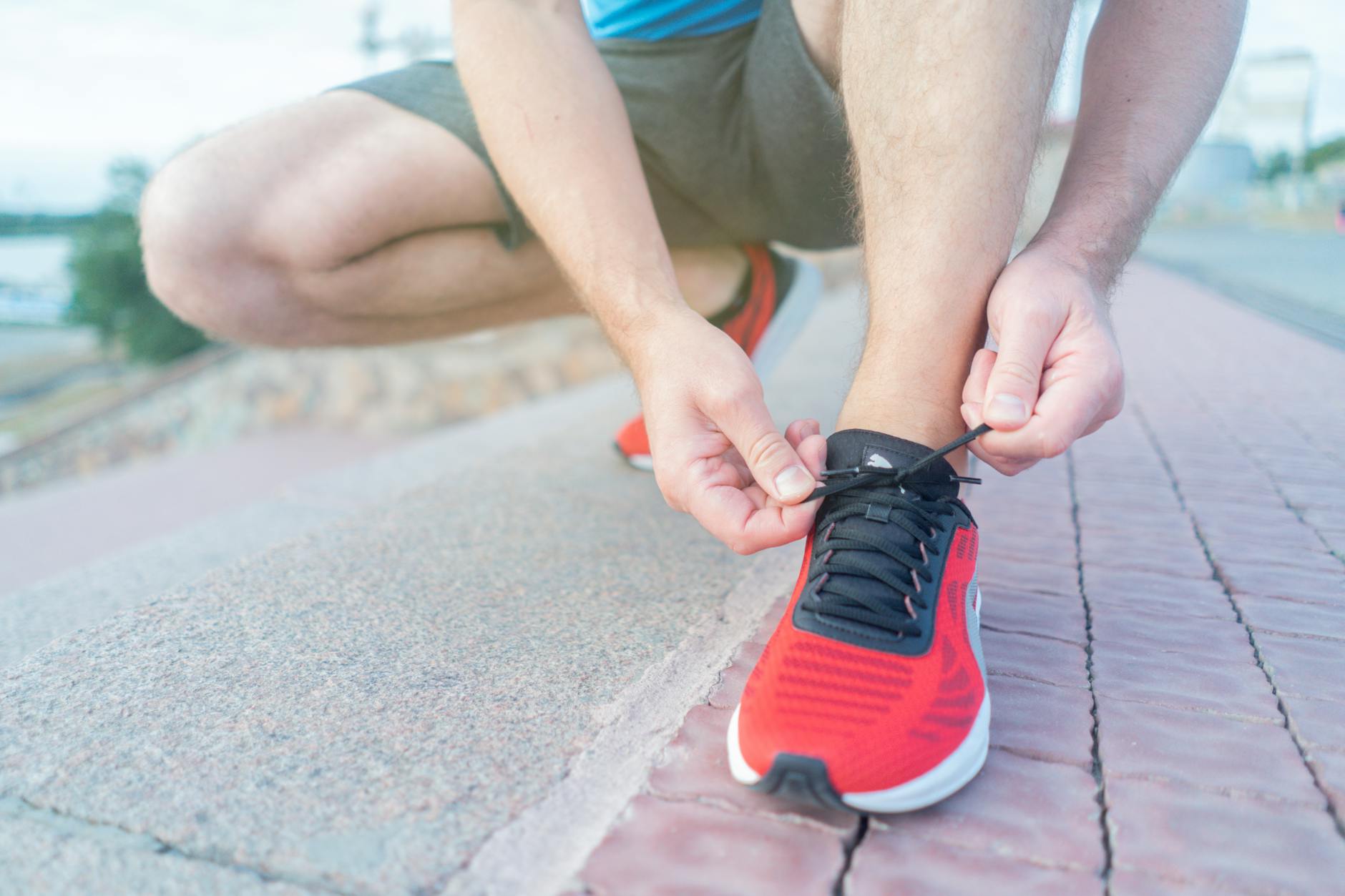
Traditional running insoles focus primarily on arch support and cushioning. Medical-grade custom insoles address specific gait abnormalities, pressure point distribution, and biomechanical imbalances that become pronounced during extended running sessions.
Dr. Michael Rodriguez, a podiatrist who has worked with several Olympic marathon trials qualifiers, uses advanced gait analysis technology to identify problem areas. “We’re looking at foot strike patterns, pressure distribution maps, and how the foot behaves during the later stages of a long run when fatigue sets in,” Rodriguez notes.
The custom insoles incorporate materials not typically found in retail versions. Medical-grade carbon fiber provides targeted rigidity for overpronation control, while specialized foam compounds offer varying density zones to accommodate individual pressure patterns. Some designs include metatarsal pads positioned precisely to redistribute weight during the push-off phase of running.
Temperature regulation has emerged as another critical factor. Marathon runners generate significant heat in their feet over the course of 26.2 miles, and poorly ventilated insoles can contribute to blistering and hot spots. Podiatrist-designed insoles often feature perforated sections and moisture-wicking materials positioned based on individual sweat pattern analysis.
Addressing Common Marathon Foot Injuries
Plantar fasciitis remains the most frequent complaint among marathon runners seeking podiatric care. Standard insoles often provide generic arch support, but custom medical insoles can target the specific area of the plantar fascia experiencing stress.
Dr. Sarah Kim, who practices in Boston and regularly treats runners training for the Boston Marathon, sees patterns in injury presentation based on training volume. “Runners logging 60-plus miles per week develop different foot problems than those running 30-40 miles,” Kim observes. “The custom insoles need to account for these training load differences.”
Metatarsalgia, or pain in the ball of the foot, affects many marathon runners during the later stages of races. Podiatrist-designed insoles can redistribute pressure away from sensitive metatarsal heads using precisely positioned padding and relief zones.
Black toenails and subungual hematomas are common marathon injuries that custom insoles can help prevent. By controlling foot movement within the shoe and reducing forward sliding during downhill sections, properly designed insoles minimize repetitive toe trauma.
The Collaboration Between Podiatrists and Running Retailers
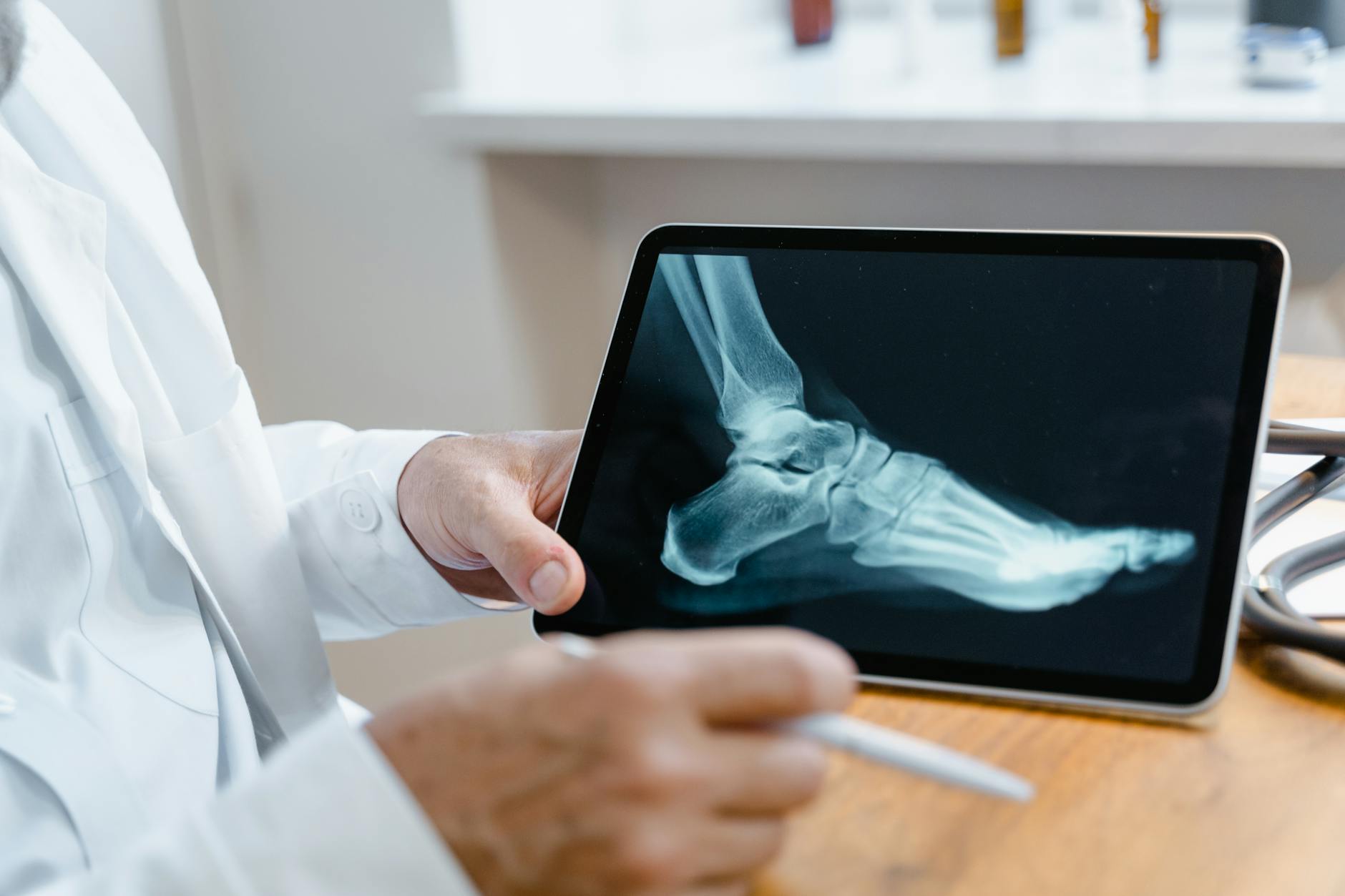
Running specialty stores across the country are partnering with local podiatrists to offer on-site consultations and custom insole fittings. This collaboration bridges the gap between medical care and retail convenience, making specialized foot care more accessible to recreational marathoners.
Fleet Feet, with over 250 locations nationwide, has been expanding its relationships with podiatrists to offer custom insole services. The process typically involves a gait analysis, foot examination, and digital scanning to create a precise foot map for insole fabrication.
Some podiatrists are establishing satellite offices within running stores during peak marathon training seasons. Dr. Jennifer Walsh operates a clinic inside a Chicago running store every Saturday during the months leading up to the Chicago Marathon. “Runners can get their gait analyzed, receive medical advice, and pick up their custom insoles all in one location,” Walsh explains.
The pricing for podiatrist-designed custom insoles typically ranges from $200 to $400, significantly higher than over-the-counter options but often covered partially by health insurance when prescribed for specific medical conditions.
Technology Integration and Future Developments
Advanced scanning technology has revolutionized how podiatrists create custom insoles for runners. Three-dimensional foot scanners capture precise measurements and pressure point data, allowing for insoles tailored to individual foot geometry and running mechanics.
Some podiatrists are experimenting with sensors embedded in custom insoles to monitor real-time pressure distribution during training runs. This data helps refine insole design and provides runners with objective feedback about their foot mechanics over various distances and terrains.
The integration of AI technology is beginning to influence custom insole design. Software can analyze gait data and predict potential injury risks, allowing podiatrists to create preventative insole modifications before problems develop.
3D printing technology is making custom insole production faster and more precise. Several podiatrists now offer same-day custom insole fabrication using in-office 3D printers, eliminating the traditional waiting period for lab-produced insoles.
Just as we’ve seen comfort-focused footwear gain acceptance in professional settings, as evidenced by the rise of clogs in corporate banking, the marathon running community is embracing medical-grade foot solutions that prioritize function over fashion.

The Future of Medical-Athletic Footwear Collaboration
The partnership between podiatrists and the running industry represents a broader shift toward evidence-based athletic gear. As marathon participation continues to grow, with over 500,000 Americans finishing marathons annually, the demand for specialized medical foot care is expanding beyond elite athletes.
Podiatrists are increasingly viewing marathon runners as a distinct patient population requiring specialized treatment approaches. Medical schools are beginning to include sports podiatry rotations, and continuing education courses focused on endurance running biomechanics are becoming more common.
The success of podiatrist-designed marathon insoles is likely to influence other athletic specialties. Similar collaborations are emerging in cycling, hiking, and court sports, where specific foot mechanics and injury patterns require tailored solutions.
As the line between medical care and athletic performance continues to blur, marathon runners now have access to the same level of foot care expertise previously reserved for professional athletes. This democratization of sports medicine represents a significant advancement in injury prevention and performance optimization for recreational endurance athletes.
Frequently Asked Questions
How much do custom marathon insoles from podiatrists cost?
Podiatrist-designed custom insoles typically cost $200-$400, with some insurance coverage possible when prescribed for medical conditions.
What makes podiatrist-designed insoles different from over-the-counter options?
Medical-grade insoles address specific gait abnormalities and biomechanical issues using advanced materials and precise customization based on individual foot analysis.