




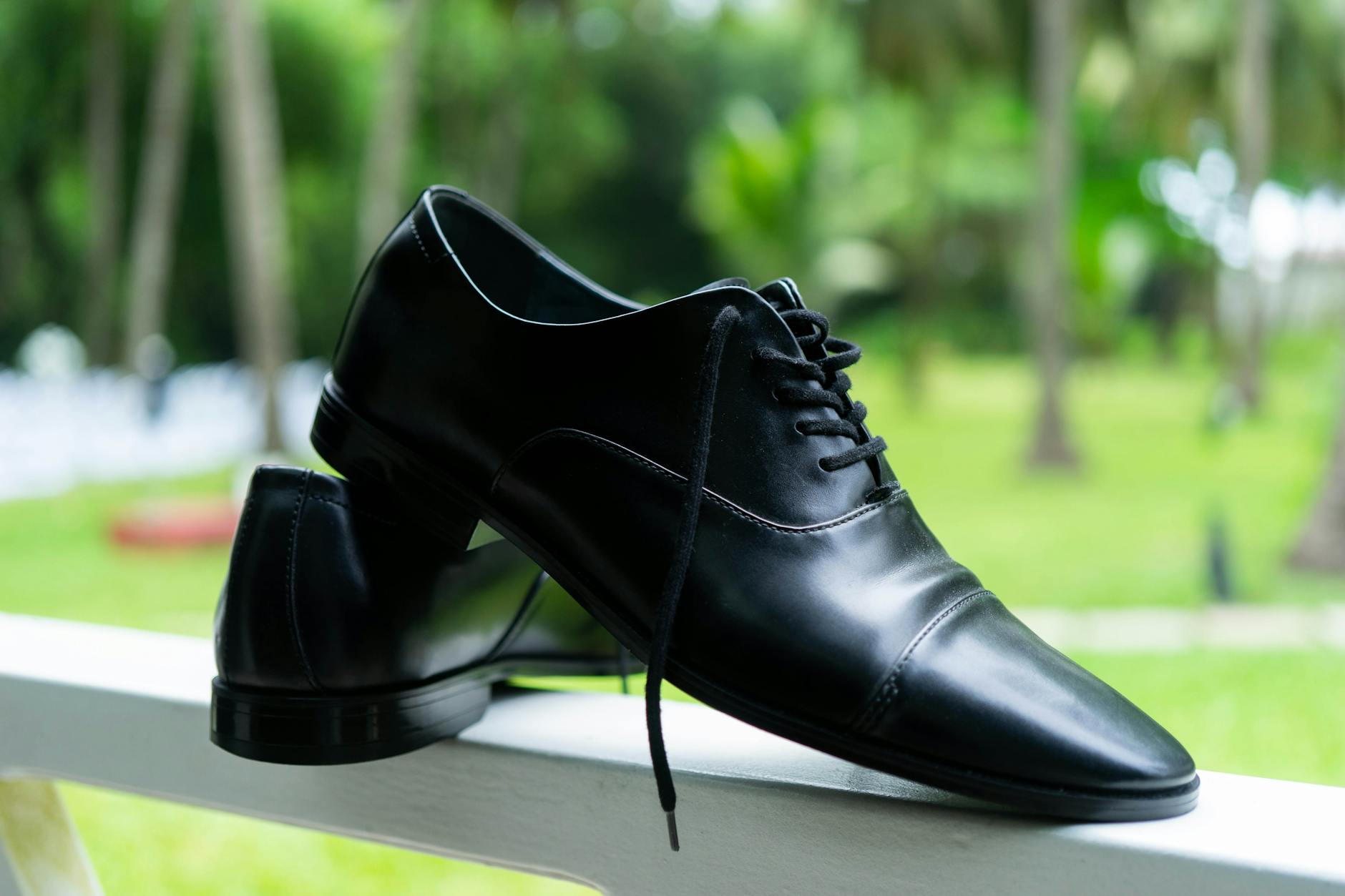
The sound of shuffling feet echoes through corporate corridors nationwide as executives abandon their traditional leather Oxfords for something unexpected: shoes designed by foot doctors. Major companies from Goldman Sachs to Google are witnessing a quiet revolution where podiatrist-engineered dress shoes are becoming the new power statement in boardrooms.
This shift represents more than a fashion trend. It’s a fundamental change in how corporate America views the relationship between professional appearance and employee wellbeing. After years of remote work made comfort king, returning to offices hasn’t meant returning to painful footwear. Instead, professionals are demanding dress shoes that deliver both executive polish and all-day comfort.
The medical expertise behind these shoes comes from podiatrists who understand foot mechanics, pressure points, and common workplace injuries. Unlike traditional shoemakers who prioritize aesthetics, these foot specialists design from the ground up with anatomical knowledge. The result is footwear that maintains corporate dress codes while preventing the plantar fasciitis, bunions, and back pain that plague desk workers who spend long days in traditional dress shoes.
The Science Behind Executive Comfort
Podiatrist-designed dress shoes incorporate medical-grade features typically found in orthotic devices. These include contoured arch support that follows the natural curve of the foot, metatarsal pads that redistribute pressure across the forefoot, and heel cups that stabilize the rear foot during walking.
Dr. Emily Chen, a podiatric surgeon who consults for several footwear companies, explains that traditional dress shoes often force feet into unnatural positions. “Classic pointed-toe Oxfords compress the toes, while thin soles provide minimal shock absorption,” she notes. “We’re seeing an epidemic of foot problems among professionals who’ve worn these styles for decades.”
The medical approach also addresses specific workplace challenges. Extended periods of standing during presentations stress different foot areas than prolonged sitting at desks. Podiatrist-designed shoes feature dual-density midsoles that provide targeted support for both scenarios, along with moisture-wicking linings that prevent the bacterial growth common in traditional leather dress shoes worn for 10-hour workdays.
These innovations don’t sacrifice style. Modern podiatrist-designed dress shoes use sleek silhouettes and premium materials that meet conservative dress codes. The key difference lies in the internal architecture, which incorporates decades of foot health research rather than centuries-old cobbling traditions.
Corporate Culture Embraces Health-First Fashion
The adoption isn’t happening in isolation. Companies implementing comprehensive wellness programs find that comfortable footwear reduces healthcare costs and increases productivity. Tech giants like Microsoft and Amazon have relaxed dress codes to accommodate health-conscious footwear choices, while traditional industries are following suit as younger executives prioritize wellbeing over outdated fashion norms.
Human resources departments report fewer workers’ compensation claims related to foot and back injuries since employees began wearing podiatrist-designed shoes. The shift aligns with broader corporate wellness initiatives that recognize the connection between physical comfort and job performance.
Legal and consulting firms, historically bastions of traditional dress codes, are leading this change. Partners who spent decades in painful dress shoes are now champions of comfort-first footwear. This top-down adoption accelerates acceptance throughout corporate hierarchies, making podiatrist-designed shoes not just acceptable but aspirational.
The trend mirrors the broader wellness movement sweeping corporate America. Just as orthopedic sneakers have gained celebrity endorsement, professional footwear is experiencing its own health-conscious evolution. Executives who once viewed foot comfort as weakness now see it as strategic self-care that enhances performance.

Traditional Footwear Industry Responds
Established dress shoe manufacturers are scrambling to adapt. Brands like Cole Haan and Ecco have partnered with podiatrists to redesign classic styles, while others have acquired smaller companies specializing in comfort technology. The challenge lies in maintaining brand heritage while incorporating medical innovations that fundamentally alter shoe construction.
Some traditional manufacturers resist change, arguing that classic Oxfords represent timeless elegance that shouldn’t be compromised for comfort. However, market data shows declining sales for conventional dress shoes while podiatrist-designed alternatives experience double-digit growth. The message is clear: professionals won’t sacrifice health for fashion traditions.
Innovation in materials drives much of this transformation. Memory foam that maintains its shape after thousands of steps, carbon fiber shanks that provide support without weight, and antimicrobial treatments that prevent odor represent technological advances unavailable to traditional shoemakers. These features make podiatrist-designed shoes functionally superior while maintaining professional aesthetics.
The pricing reflects this technological sophistication. While traditional dress shoes range from budget to luxury based primarily on materials and craftsmanship, podiatrist-designed shoes command premium prices for their medical features. Professionals increasingly view this as an investment in long-term foot health rather than a fashion expense.
The Future of Professional Footwear
Industry analysts predict that podiatrist-designed shoes will dominate the professional footwear market within five years. The combination of an aging workforce experiencing foot problems, increased health consciousness among younger professionals, and corporate wellness initiatives creates perfect conditions for continued growth.
Customization represents the next frontier. Several companies now offer 3D foot scanning that creates personalized orthotics integrated into dress shoes. This level of customization was once available only through medical specialists but is becoming accessible to corporate professionals seeking optimal comfort and performance.
The trend extends beyond traditional office environments. Sales professionals who walk extensively, healthcare executives who stand for long procedures, and retail managers who spend hours on their feet all benefit from medically-designed footwear. As awareness spreads, adoption accelerates across industries.
The relationship between wellness-focused footwear innovations and professional settings continues evolving. What began as a niche market for foot health has become a mainstream professional requirement. Corporate America’s embrace of podiatrist-designed dress shoes signals a fundamental shift in workplace priorities where health and performance take precedence over fashion traditions.
The revolution in professional footwear reflects broader changes in how we approach work-life balance and personal wellness. As remote work made comfort non-negotiable and corporate wellness programs emphasize prevention over treatment, podiatrist-designed dress shoes represent the perfect fusion of professional appearance and medical wisdom. The shuffling sounds in corporate corridors aren’t signs of discomfort anymore – they’re the confident steps of professionals who refuse to choose between looking good and feeling great.
Frequently Asked Questions
What makes podiatrist-designed dress shoes different from traditional ones?
They incorporate medical-grade arch support, pressure-relieving insoles, and anatomically correct construction based on foot health research.
Do podiatrist-designed dress shoes look professional enough for corporate settings?
Yes, modern versions maintain sleek, conservative styling while incorporating invisible comfort features that meet strict dress codes.