




Hospital corridors have become an unexpected runway for fashion’s newest obsession. The same sneakers that keep nurses comfortable through 12-hour shifts are now commanding attention on city sidewalks, with fashion influencers and celebrities embracing footwear originally designed for healthcare heroes.
The crossover from medical settings to street style represents a fundamental shift in how consumers prioritize comfort without sacrificing aesthetics. Brands like Allbirds, Rothy’s, and Adidas have seen their most comfortable models gain cult followings among healthcare workers, only to watch those same styles explode in mainstream fashion circles.
Registered nurse Sarah Chen from Mount Sinai Hospital notes the irony: “We’ve been wearing these amazing supportive sneakers for years, and suddenly everyone wants to know where we got them. My Allbirds Tree Runners that I bought for 16-hour shifts are now the same shoes I see on fashion blogs.”

The Science Behind the Style
Healthcare-approved sneakers prioritize features that traditional fashion footwear often overlooks. Memory foam insoles, arch support technology, and slip-resistant outsoles create a foundation that keeps feet healthy during extended wear. These technical specifications, once hidden beneath scrubs, now drive purchasing decisions for style-conscious consumers.
Podiatrists have long recommended sneakers with proper arch support and cushioning, but the aesthetic appeal of medical-grade footwear has evolved dramatically. Companies like Hoka, originally focused on running performance, found their maximalist cushioning beloved by nurses and medical staff. This professional endorsement translated into broader market appeal when wellness culture embraced the “ugly-pretty” sneaker trend.
The pandemic accelerated this transformation as remote work normalized comfort-first dressing. When returning to offices and social events, consumers sought footwear that could transition seamlessly from professional settings to casual outings. Nurse-approved sneakers provided the perfect solution: polished enough for meetings, comfortable enough for all-day wear.
Dr. Emily Rodriguez, a podiatrist at UCLA Medical Center, explains the biomechanical advantages: “These shoes are engineered for people who are on their feet constantly. The arch support prevents plantar fasciitis, the cushioning reduces joint impact, and the breathable materials prevent bacterial growth. Fashion is finally catching up to foot health.”
Celebrity Endorsement Through Authenticity
Unlike traditional celebrity endorsements, the nurse-sneaker trend gained momentum through authentic workplace testimonials. Healthcare workers sharing their favorite comfortable shoes on social media created organic marketing that resonated with consumers seeking genuine product recommendations.
Actress Jennifer Garner, known for her relatable social media presence, frequently posts about her Allbirds and ON Cloud sneakers, crediting nurses for the recommendation. Her authentic enthusiasm for comfort-focused footwear mirrors a broader cultural shift away from suffering for fashion.
Similarly, wellness influencers and fitness enthusiasts began highlighting the crossover appeal of medical-grade footwear. The same properties that make sneakers suitable for hospital floors-slip resistance, easy cleaning, all-day comfort-prove valuable for busy lifestyles outside healthcare settings.
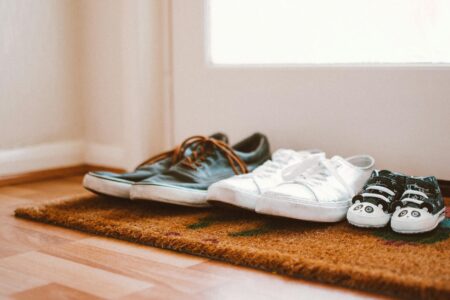
Fashion editor Katie Holmes has been photographed repeatedly in white leather sneakers similar to those worn by medical professionals, styling them with everything from casual denim to tailored coats. Her approach demonstrates how practical footwear can anchor elevated outfits without compromising comfort.
The authenticity factor extends to brand partnerships with healthcare workers. Several companies now feature real nurses and medical professionals in their marketing campaigns, acknowledging the professional seal of approval these workers provide.
Design Evolution Meets Market Demand
Sneaker manufacturers have responded to this crossover appeal by developing hybrid models that maintain medical-grade comfort while incorporating fashion-forward design elements. Clean colorways, premium materials, and streamlined silhouettes make these shoes suitable for diverse style preferences.
Brands like APL (Athletic Propulsion Labs) have created sneakers specifically targeting the intersection of performance and lifestyle wear. Their models feature the cushioning and support required for extended standing while incorporating luxury materials and sophisticated colorways that appeal to fashion consumers.
The success of this category has inspired orthopedic clogs to conquer high fashion runways, proving that comfort-focused footwear can achieve mainstream fashion acceptance across multiple categories.
Sustainable materials have become another selling point, with companies using recycled plastics, organic cotton, and eco-friendly production methods. This environmental consciousness appeals to consumers who value both comfort and ethical consumption.
The rise parallels the unexpected rise of velcro sneakers among fashion editors, indicating a broader industry acceptance of practical design elements previously considered unfashionable.
The Future of Functional Fashion
The nurse-sneaker trend signals a permanent shift in consumer priorities, with comfort and health considerations increasingly influencing fashion choices. This movement extends beyond footwear into clothing categories, with brands developing professional wear that incorporates athletic-inspired comfort features.
Retailers report sustained growth in the comfort-focused sneaker category, with many styles maintaining waiting lists despite increased production. The trend shows no signs of slowing as more consumers discover the benefits of footwear designed for extended wear.
Fashion weeks in Paris and Milan have featured increasing numbers of models wearing white sneakers similar to those preferred by healthcare workers, suggesting industry acceptance of this practical aesthetic. High-end designers are incorporating medical-inspired elements into their collections, from cushioned soles to breathable mesh panels.
The long-term impact extends to workplace dress codes, with many companies relaxing footwear requirements to accommodate employee comfort preferences. This institutional acceptance further legitimizes the crossover between medical-grade footwear and mainstream fashion.
As wellness culture continues influencing consumer behavior, the line between functional workwear and street style will likely continue blurring. The nurses who pioneered these comfortable sneaker choices have inadvertently created fashion’s most authentic trend, proving that the best style innovations often emerge from genuine need rather than manufactured desire.
Frequently Asked Questions
What makes nurse-approved sneakers different from regular sneakers?
They feature superior arch support, slip-resistant soles, extended cushioning, and materials designed for all-day wear and easy cleaning.
Which brands do nurses recommend most for comfortable sneakers?
Popular brands include Allbirds, Hoka, ON Cloud, Adidas, and Rothy’s, chosen for their comfort during long shifts.