




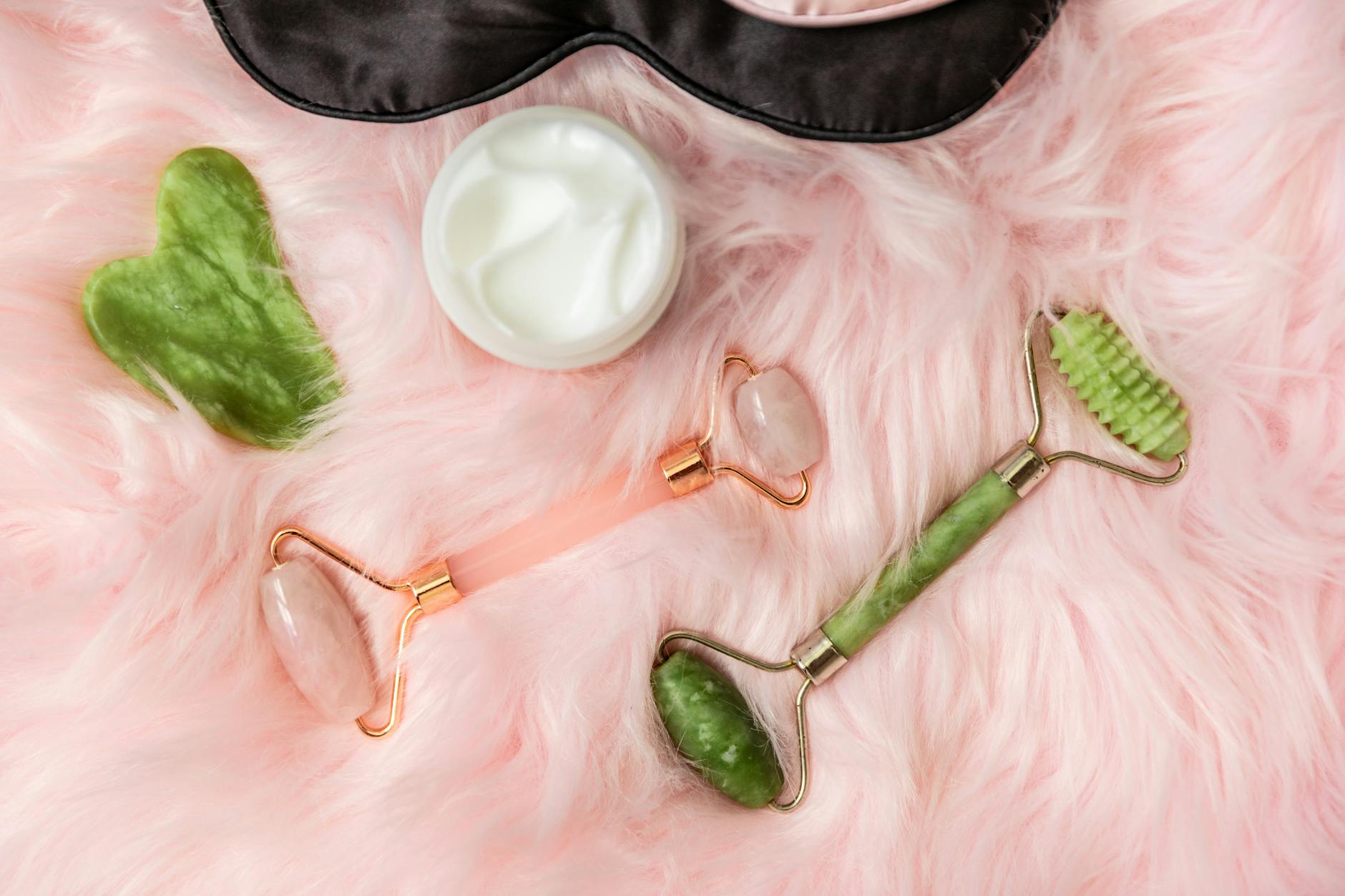
Jade rollers dominated skincare routines for years, promising lymphatic drainage and glowing skin through ancient Chinese wisdom. But beauty insiders are quietly switching to a more aggressive approach: micro-needling tools that create controlled micro-injuries to trigger the skin’s natural repair mechanisms.
The shift represents a fundamental change in at-home skincare philosophy. Where jade rollers offered gentle massage and temporary puffing reduction, micro-needling devices promise actual structural changes to skin texture, fine lines, and product absorption. Dermatologists report seeing more patients who’ve graduated from rolling to needling, seeking results that go beyond momentary glow.
The Science Behind Micro-Needling’s Rise
Micro-needling works through controlled trauma. Tiny needles create microscopic punctures in the skin’s surface, triggering collagen and elastin production as part of the wound healing response. This process, called collagen induction therapy, can reduce fine lines, improve skin texture, and enhance product penetration by up to 300%.
Dr. Joshua Zeichner, director of cosmetic and clinical research at Mount Sinai Hospital, explains the mechanism: “When you create controlled micro-injuries, you’re essentially tricking the skin into thinking it needs to repair itself. This stimulates the production of new collagen fibers, which can improve skin firmness and reduce the appearance of scars and wrinkles.”
Professional micro-needling treatments at dermatology offices use needles ranging from 0.5mm to 3mm in depth. At-home devices typically feature needles between 0.25mm and 0.5mm – shallow enough for safe home use but deep enough to stimulate cellular turnover. The key difference from jade rolling is that micro-needling creates actual structural changes rather than temporary improvements from massage and lymphatic movement.
Clinical studies support the efficacy claims. A 2018 study in the Journal of Cutaneous and Aesthetic Surgery found that participants using 0.5mm micro-needling devices twice weekly for 12 weeks showed significant improvements in skin texture, fine lines, and overall skin quality compared to control groups using traditional rollers or no treatment.
Celebrity Endorsements Drive Mainstream Adoption
Social media has accelerated micro-needling’s popularity, with beauty influencers and celebrities sharing their at-home routines. Gwyneth Paltrow’s Goop features micro-needling tools prominently, while skincare enthusiasts on TikTok demonstrate before-and-after results from consistent use.
The appeal lies in the immediate visible results. Unlike jade rolling, which provides temporary benefits that fade within hours, micro-needling can show cumulative improvements over weeks and months. Users report smoother skin texture, reduced appearance of acne scars, and better absorption of serums and moisturizers.
Professional makeup artists have also embraced the trend. Celebrity makeup artists are using ice facials before red carpets to complement micro-needling’s long-term benefits with immediate pore-tightening effects, creating optimal canvas for camera-ready skin.

The tools themselves have evolved significantly. Early at-home micro-needling devices were often poorly made with dull or uneven needles that could cause more harm than good. Current high-quality options from brands like Dr. Pen, SkinPen, and Beautybio feature medical-grade titanium needles, adjustable depth settings, and safety features that prevent over-treatment.
Safety Considerations and Proper Technique
The transition from jade rolling to micro-needling isn’t without risks. Improper technique can lead to infection, scarring, or skin damage. Dermatologists emphasize the importance of sterile technique, appropriate needle depth, and following proper aftercare protocols.
Key safety guidelines include thorough cleaning of both skin and device before use, avoiding active acne or irritated areas, and limiting sessions to once or twice weekly maximum. The skin needs time to heal between treatments – over-needling can cause chronic inflammation and actually worsen skin texture.
Post-treatment care differs significantly from jade rolling aftercare. While jade rolling allows immediate return to normal skincare routines, micro-needling requires a 24-48 hour period of gentle care. Users should avoid retinoids, acids, and harsh products immediately after treatment, instead focusing on gentle cleansing and hydrating products.
The depth of needles matters crucially for safety and results. Needles shorter than 0.25mm may not provide significant benefits, while those longer than 0.5mm for at-home use can cause damage without professional supervision. Most dermatologists recommend starting with 0.25mm needles and gradually increasing depth as skin tolerance builds.
Market Response and Product Innovation
Beauty retailers report declining jade roller sales coinciding with increased micro-needling tool purchases. Sephora expanded its micro-needling section significantly in 2024, while traditional jade roller space has shrunk by approximately 30% according to retail analysts.
The price point initially deterred some consumers – quality micro-needling devices range from $50-200 compared to jade rollers at $15-40. However, the long-term results and durability of micro-needling tools often justify the higher investment for serious skincare enthusiasts.
Innovation continues in the category. Some devices now incorporate LED light therapy, vibration, or cooling features to enhance results and comfort. Others offer interchangeable needle cartridges for different skin concerns – shorter needles for sensitive areas, longer ones for body use.

The trend connects to broader movements in skincare toward evidence-based treatments and measurable results. Consumers increasingly want products that deliver visible, lasting improvements rather than temporary effects. This shift aligns with growing interest in how dermatologists are using LED light therapy for acne treatment and other science-backed approaches to skin health.
Looking ahead, the micro-needling market shows no signs of slowing. Industry analysts predict continued growth as more consumers seek professional-level results from at-home treatments. While jade rollers will likely maintain a place in gentler skincare routines, micro-needling appears positioned to dominate the results-focused segment of the beauty tool market.
The transition from jade rolling to micro-needling reflects a broader evolution in consumer expectations around skincare efficacy, marking a shift from ritual-based beauty practices toward evidence-based treatments that deliver measurable improvements.
Frequently Asked Questions
Are micro-needling tools safe for at-home use?
Yes, when used properly with needles 0.5mm or shorter and following sterile technique and aftercare protocols.
How often should you use micro-needling tools?
Once or twice weekly maximum, allowing 48-72 hours between sessions for proper skin healing.