





High-end fashion houses are quietly partnering with correctional facilities across the United States, tapping into prison textile programs that produce everything from luxury handbag components to artisanal leather goods. These collaborations, often operating behind the scenes, represent a complex intersection of social responsibility, cost efficiency, and skilled craftsmanship that’s reshaping how luxury brands approach manufacturing.
The practice gained attention after several investigative reports revealed that inmates in facilities across Texas, California, and New York were producing goods for brands selling products at premium prices. While some critics have raised concerns about labor practices, supporters argue these programs provide valuable job training and income opportunities for incarcerated individuals while meeting the fashion industry’s demand for skilled handwork.
The Skilled Labor Behind Bars
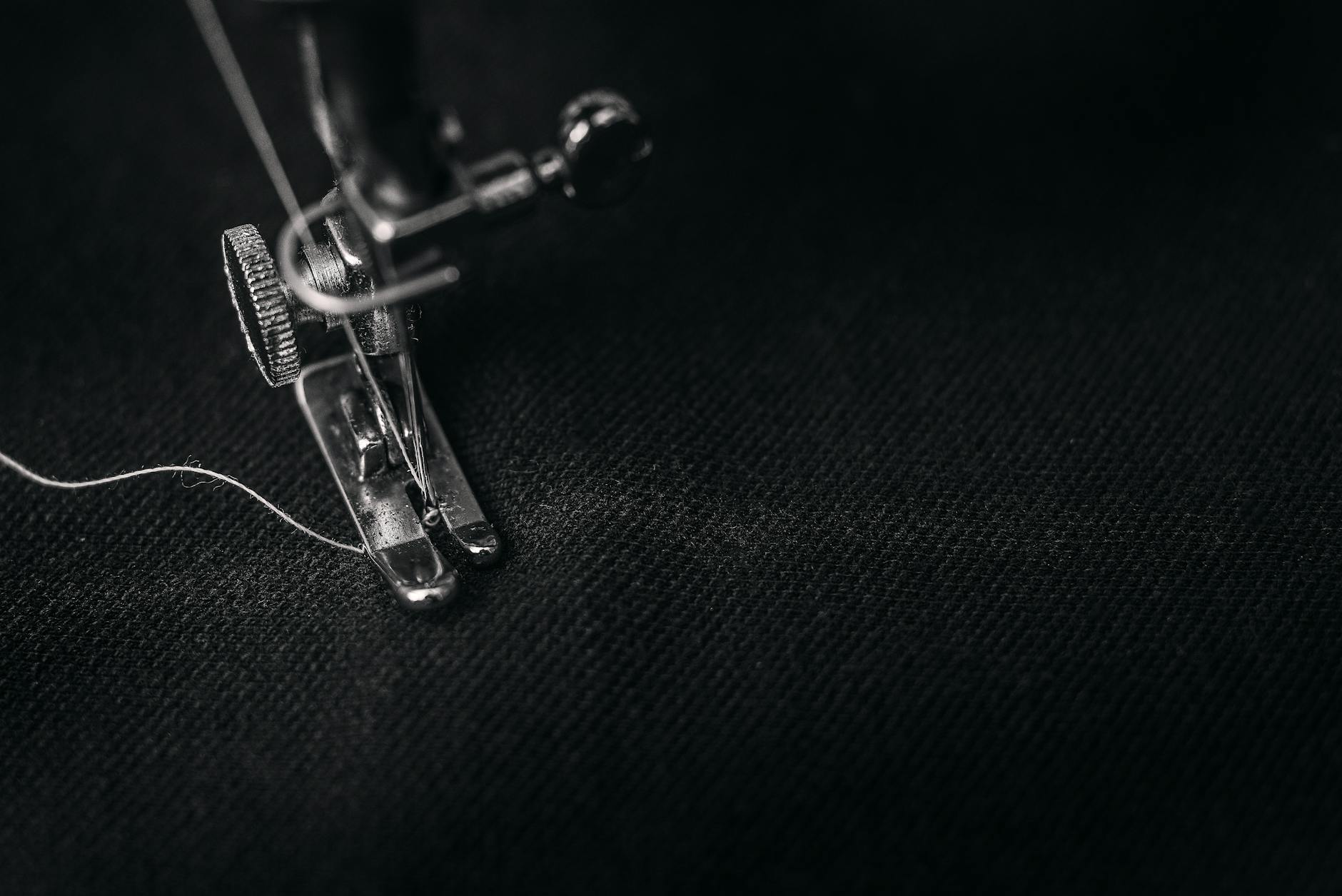
Prison textile programs have evolved far beyond the stereotypical license plate manufacturing. Modern correctional facilities house sophisticated workshops where inmates learn leather working, embroidery, tailoring, and textile production. These programs often feature equipment that rivals professional fashion studios, including industrial sewing machines, leather cutting tools, and specialized finishing equipment.
At the California Institution for Women, inmates participate in a textile program that teaches advanced sewing techniques and pattern-making. The program, which has operated for over a decade, produces everything from prison uniforms to contracted work for outside companies. Similar programs exist in facilities across the country, with some specializing in specific crafts like leatherwork or embroidery.
The skill level in these programs can be remarkably high. Many participants spend months or years perfecting their techniques, developing expertise that matches or exceeds what’s found in traditional manufacturing settings. This dedication to craft has caught the attention of luxury brands seeking alternatives to overseas production or expensive domestic manufacturing.
Economic Incentives Drive Partnership Growth
The economics of prison textile partnerships appeal to luxury brands for multiple reasons. Labor costs in correctional facilities are significantly lower than traditional manufacturing, with participants typically earning between $0.35 and $1.15 per hour. This cost structure allows brands to maintain higher profit margins while keeping production domestic.
Beyond cost savings, these partnerships offer brands greater control over their supply chain. Working with domestic facilities eliminates the shipping delays and quality control challenges often associated with overseas manufacturing. Brands can maintain closer oversight of production processes and make adjustments more quickly than when working with distant suppliers.
The arrangement also provides marketing advantages for brands emphasizing social responsibility. Companies can highlight their commitment to providing job training and income opportunities for incarcerated individuals while supporting domestic manufacturing. This narrative resonates with consumers increasingly concerned about ethical consumption and social impact.
Quality Standards Meet Social Complexity
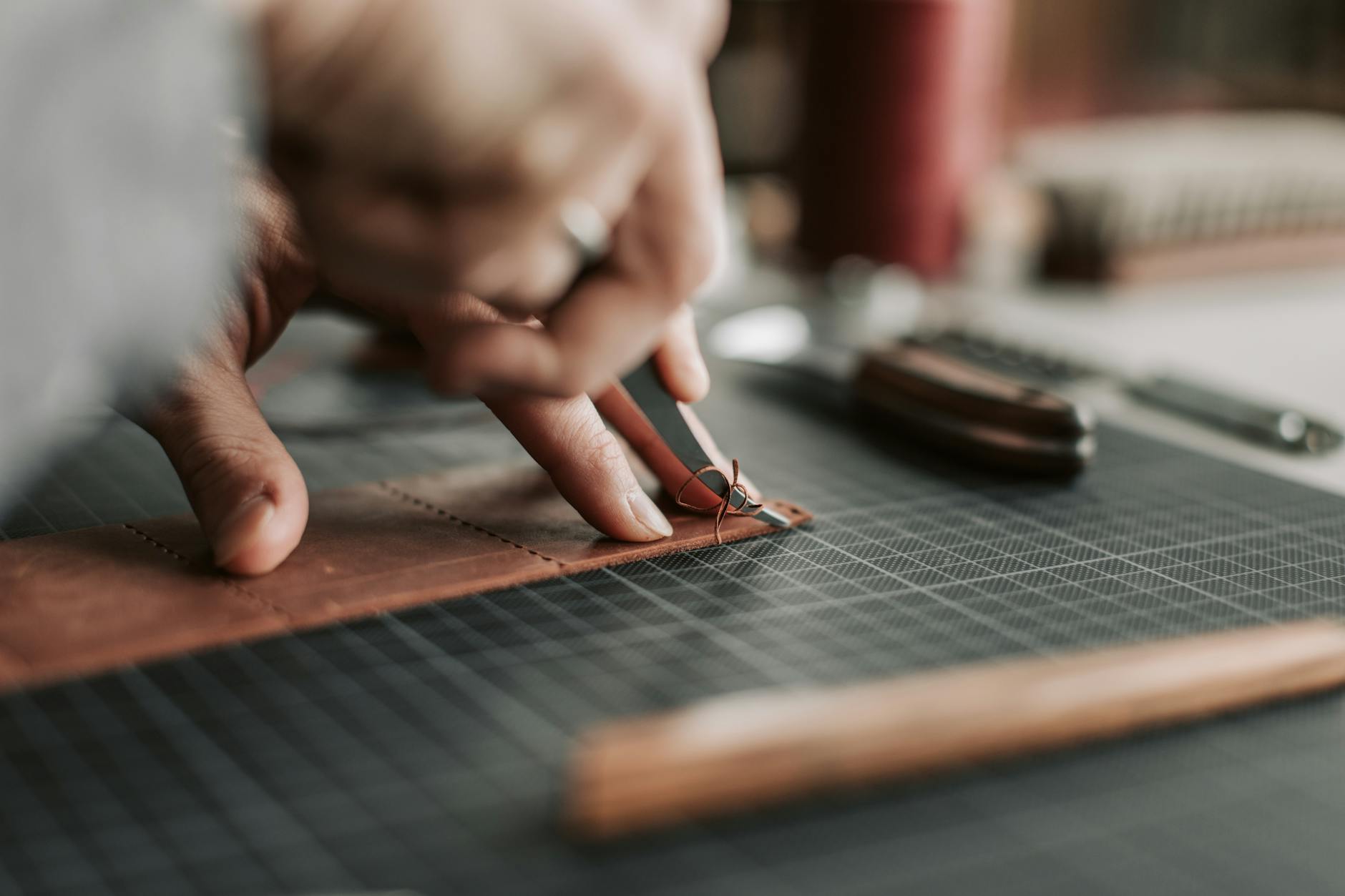
Luxury brands partnering with prison programs maintain strict quality standards that rival their traditional suppliers. Facilities participating in these partnerships often undergo rigorous inspections and certification processes to ensure their output meets brand requirements. This includes everything from material handling procedures to finishing techniques and packaging standards.
The attention to detail in these programs can be exceptional. Without the time pressures of traditional manufacturing environments, participants often spend considerable time perfecting individual pieces. This level of care and attention has resulted in products that meet or exceed luxury market expectations, surprising industry insiders who initially questioned whether prison-made goods could achieve premium quality standards.
However, the social implications of these partnerships remain complex. Critics argue that extremely low wages constitute exploitation, regardless of the job training benefits. They point out that luxury brands profit significantly from these arrangements while participants receive minimal compensation. Supporters counter that these programs provide valuable skills training, work experience, and income opportunities that wouldn’t otherwise exist.
Some facilities have begun implementing graduated pay scales that reward skill development and experience. Advanced participants in certain programs can earn higher wages and take on supervisory roles, creating career progression opportunities within the system.
Industry Transparency Challenges
Most luxury brands don’t publicly advertise their use of prison labor, making it difficult to determine the full scope of these partnerships. This lack of transparency stems partly from concerns about consumer reaction and partly from the complex nature of modern supply chains, where multiple subcontractors may be involved in producing a single item.
The fashion industry’s move toward workwear-inspired designs, as seen in the rise of mechanic coveralls as high fashion statements, has created additional opportunities for prison textile programs. These utilitarian aesthetics often require the kind of precise construction techniques that correctional facility workshops excel at producing.
Future Implications for Fashion Manufacturing
The growth of luxury brand partnerships with prison textile programs reflects broader changes in fashion manufacturing. As brands seek alternatives to overseas production and consumers demand greater supply chain transparency, these domestic partnerships offer one solution to complex manufacturing challenges.
Several states are expanding their correctional facility textile programs, recognizing both the economic benefits and the potential for reducing recidivism through job training. California recently announced plans to modernize equipment in three facilities, while Texas is piloting advanced manufacturing training programs that could produce goods for tech and automotive industries alongside fashion.
The success of these programs may influence how the fashion industry approaches manufacturing more broadly. As consumers become more conscious of production conditions and environmental impact, partnerships that combine domestic manufacturing with social programs could become more attractive, regardless of the specific setting.
Looking ahead, the relationship between luxury fashion and prison textile programs will likely continue evolving. Increased transparency requirements, changing labor laws, and shifting consumer expectations will shape how these partnerships develop. The challenge lies in balancing the economic benefits for brands and training opportunities for participants with fair compensation and working conditions.
The intersection of high fashion and correctional facilities represents a unique chapter in American manufacturing, one that raises important questions about labor, justice, and corporate responsibility while producing goods that meet luxury market standards.
Frequently Asked Questions
Do luxury brands really use prison labor?
Yes, several luxury brands partner with correctional facilities that have textile programs, though most don’t publicize these relationships.
What wages do prisoners earn in textile programs?
Participants typically earn between $0.35 and $1.15 per hour, significantly below minimum wage standards.