





The Ultimate Wellness Investment: Home Salt Therapy Rooms
Wellness real estate has reached a new pinnacle. High-net-worth families are converting spare bedrooms into halotherapy chambers, installing Himalayan salt panels and medical-grade halogenerators that cost more than luxury cars. What started as a spa treatment for respiratory ailments has become the latest must-have amenity in estates from the Hamptons to Beverly Hills.
Salt therapy, known medically as halotherapy, involves breathing microscopic salt particles in a controlled environment. The practice traces back to Polish salt mines where workers showed remarkably low rates of respiratory disease. Modern salt rooms replicate these conditions using specialized equipment that crushes pharmaceutical-grade salt into breathable aerosol particles.
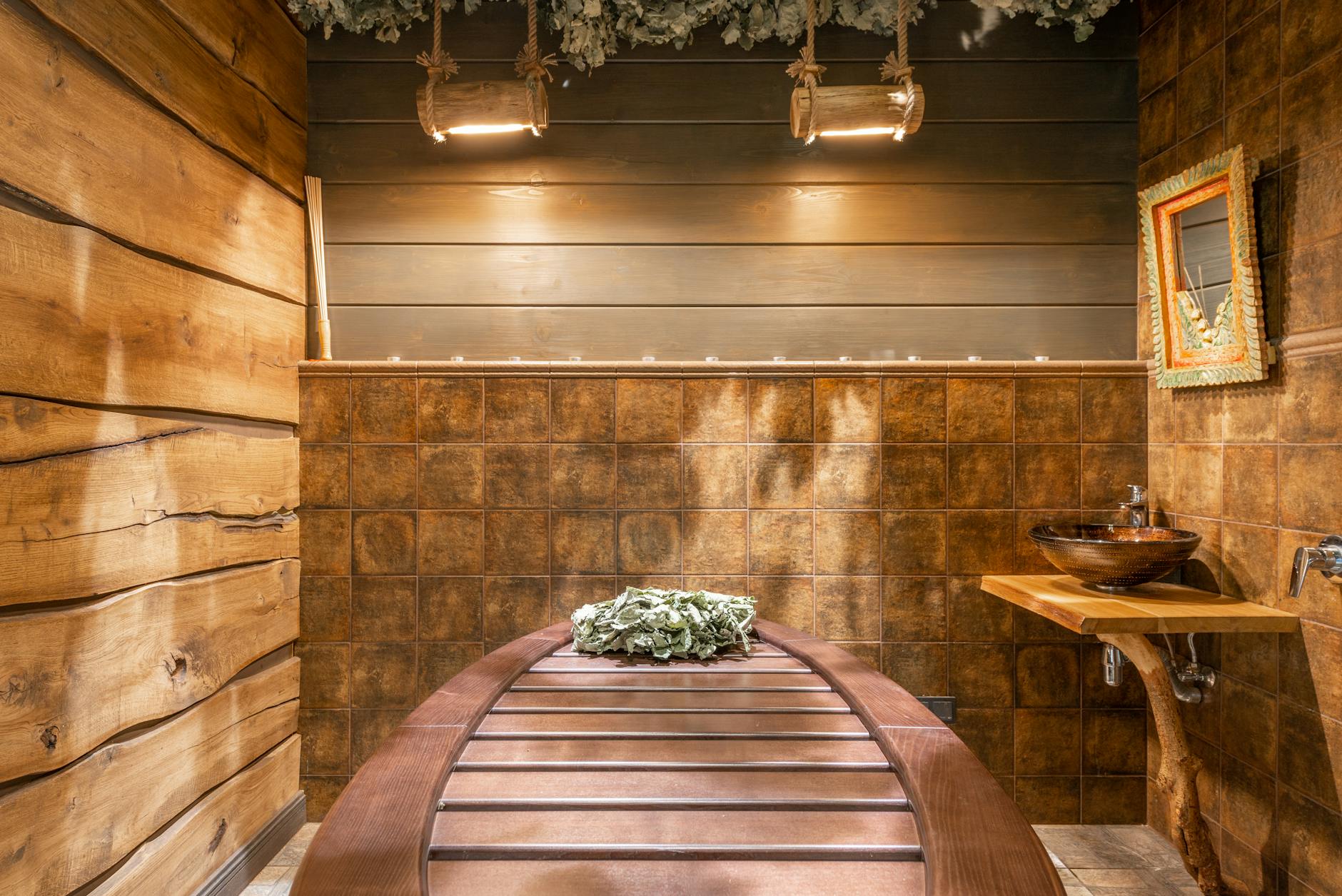
The surge in private installations began during the pandemic when wealthy families sought ways to boost immunity without leaving home. Interior designers report installation requests increased 300 percent between 2020 and 2023, with rooms ranging from basic salt cave aesthetics to high-tech chambers with programmable salt concentration levels.
Overview: What You’re Actually Getting
A professional home salt therapy room requires significant infrastructure. The core component is a halogenerator, a medical device that grinds pure sodium chloride into particles between 1-5 microns. These machines cost between $8,000 and $25,000 depending on room size and features.
The room itself needs proper ventilation, humidity control, and specific air circulation patterns to maintain therapeutic salt concentrations. Most installations include heated floors, built-in seating, and ambient lighting systems. High-end versions feature computerized controls allowing users to adjust particle density, session duration, and room temperature.
Salt wall construction adds another layer of complexity. While Himalayan salt bricks create stunning aesthetics, they serve primarily decorative purposes. The therapeutic benefit comes from the airborne particles generated by the halogenerator, not the salt walls themselves.
Professional installation typically takes 2-4 weeks and requires coordination between HVAC specialists, electrical contractors, and certified halotherapy technicians. Total project costs range from $15,000 for basic rooms to over $100,000 for luxury installations with smart home integration.
The Compelling Benefits
Respiratory Health Improvements
Clinical studies show halotherapy can provide measurable benefits for specific respiratory conditions. A 2013 study published in the International Journal of Chronic Obstructive Pulmonary Disease found salt therapy improved quality of life scores for COPD patients. The salt particles act as a natural mucolytic, helping thin mucus and reduce inflammation in airways.
Athletes particularly value salt rooms for respiratory conditioning. Several Olympic training facilities now incorporate halotherapy for performance enhancement, though research on athletic benefits remains limited.
Skin Condition Relief
Dermatological applications show promising results. Salt’s antimicrobial properties can benefit conditions like eczema, psoriasis, and acne. The dry salt environment helps reduce skin inflammation and promotes healing of minor irritations.
Stress Reduction and Mental Clarity
The controlled environment provides natural stress relief similar to meditation spaces. Many users report improved sleep quality and reduced anxiety levels after regular sessions. The negative ion environment created by salt particles may contribute to mood enhancement, though scientific evidence for this claim remains inconclusive.
Convenience and Privacy
Home installations eliminate travel time to commercial salt caves, which typically charge $30-50 per session. For families using therapy multiple times weekly, the convenience factor alone justifies the investment. Privacy allows for family sessions and scheduling flexibility impossible with spa visits.
Significant Drawbacks to Consider
Limited Scientific Validation
While individual studies show benefits for specific conditions, large-scale clinical trials remain scarce. The FDA has not approved halotherapy for treating any medical condition, classifying it as complementary medicine rather than proven treatment.
Most research comes from Eastern European countries where salt therapy originated. American medical institutions remain cautiously optimistic but emphasize the need for more rigorous studies before endorsing widespread therapeutic claims.
Maintenance Complexity
Halogenerators require monthly calibration and regular salt refills using pharmaceutical-grade sodium chloride costing $200-400 per month for active users. The machinery needs annual professional servicing similar to medical equipment.
Room maintenance presents unique challenges. Salt particles settle on all surfaces, requiring specialized cleaning protocols. Standard household cleaners can damage equipment, necessitating specific maintenance products and techniques.
Installation Limitations
Not all homes can accommodate proper salt rooms. The space needs adequate ventilation separate from the main HVAC system to prevent salt circulation throughout the house. Rooms require specific humidity levels and air circulation patterns that may conflict with existing home systems.
Rental properties or condominiums face additional restrictions. Many homeowners associations prohibit installations due to concerns about property modifications and potential damage to shared ventilation systems.
Questionable ROI
Unlike wellness amenities that enhance daily life, salt rooms serve a specific therapeutic purpose that may lose appeal over time. Real estate professionals note that specialty wellness rooms often require conversion for resale, potentially reducing property value.
The novelty factor fades quickly for some families. Industry professionals report that 20-30 percent of installations see minimal use after the first year, making them expensive conversation pieces rather than functional wellness tools.
Cost Analysis
Installation costs break down as follows:
- Halogenerator and controls: $8,000-25,000
- Room construction and ventilation: $10,000-40,000
- Salt wall installation: $5,000-15,000
- Electrical and HVAC modifications: $3,000-8,000
- Design and finishing: $5,000-20,000
Annual operating costs include pharmaceutical salt ($2,400-4,800), equipment maintenance ($1,200-2,000), and increased utility bills ($600-1,200).

Verdict: Proceed with Realistic Expectations
Home salt therapy rooms represent a significant investment in unproven wellness technology. While individual users report benefits, the scientific foundation remains thin compared to other health interventions costing similar amounts.
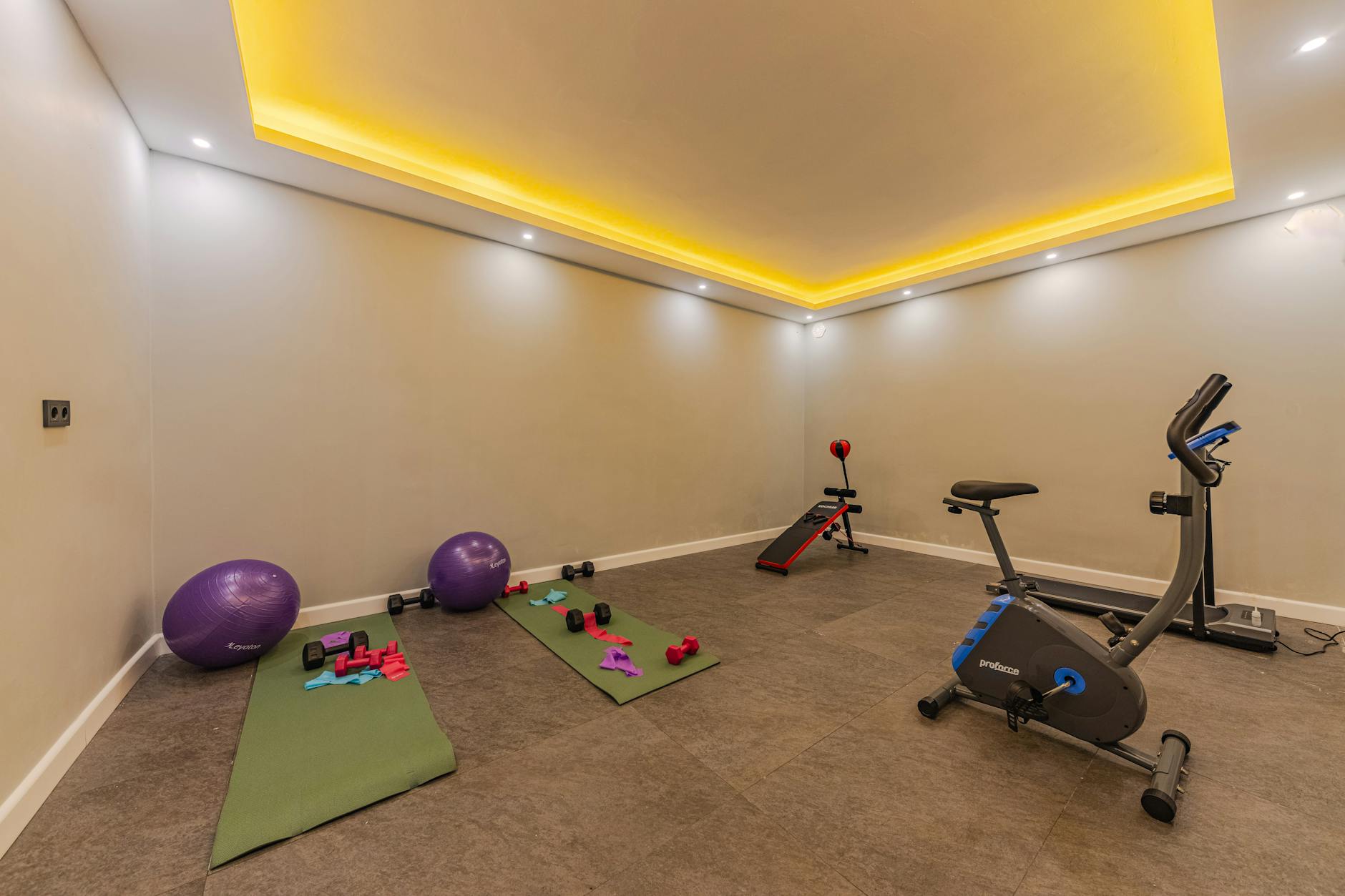
The recommendation is cautiously positive for families meeting specific criteria. Ideal candidates have diagnosed respiratory conditions, space for proper installation, and realistic expectations about therapeutic outcomes. Those seeking wellness amenities for stress relief might find better returns with meditation spaces or home gyms.
For respiratory health specifically, consider a trial period at commercial salt caves before committing to home installation. This allows evaluation of personal response and usage patterns without major investment.
The technology will likely improve as demand grows. Current early adopters are essentially beta testing expensive equipment that may become more refined and affordable within five years.
Bottom line: Salt therapy rooms work best as complementary wellness additions rather than primary health interventions. Families with disposable income seeking cutting-edge wellness amenities will find value, but those expecting dramatic health improvements may face disappointment.
The trend reflects broader shifts toward personalized wellness and home-based health solutions. Whether salt rooms become standard luxury amenities or expensive fads depends largely on forthcoming clinical research and long-term user satisfaction data.
Frequently Asked Questions
How much do home salt therapy rooms cost?
Installation ranges from $15,000 for basic rooms to over $100,000 for luxury versions, plus $4,000-8,000 annual operating costs.
Are salt therapy rooms scientifically proven to work?
Limited studies show benefits for specific respiratory conditions, but FDA has not approved halotherapy as medical treatment.