




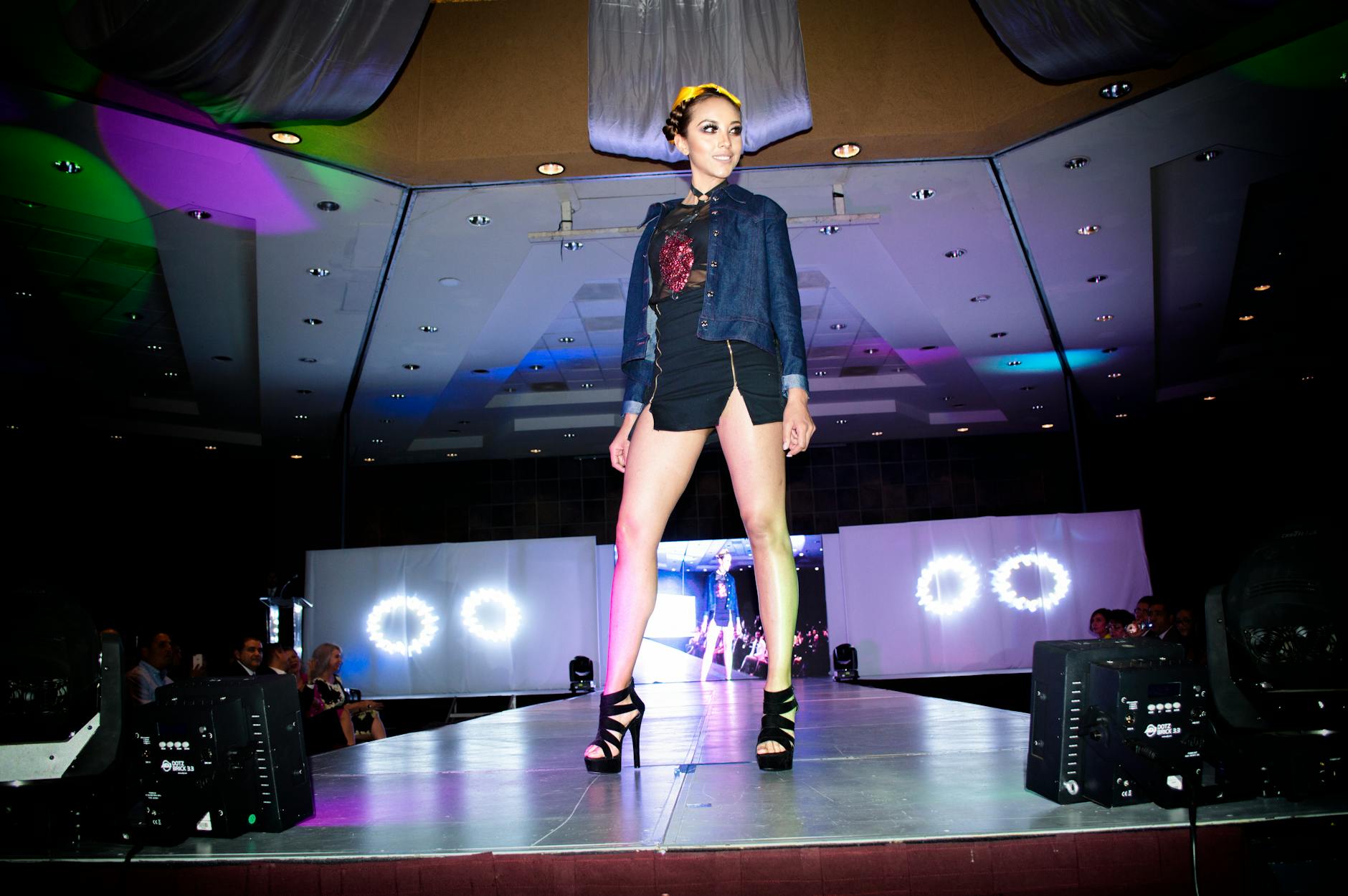
Sirens wail outside while models stride down runways inside active fire stations, creating an unlikely fusion of emergency services and high fashion. This bold trend has designers from New York to Paris staging shows in working firehouses, where trucks could roll out mid-presentation for actual emergencies.
The movement started when emerging designers sought alternatives to traditional venues, driven by both budget constraints and a desire for authentic urban backdrops. Unlike abandoned warehouses or sterile convention centers, active fire stations offer something unique: the pulse of real city life happening around the fashion show.
Fire departments have embraced the partnerships, with many stations now booking fashion events during slow periods. The arrangement benefits both sides – designers get distinctive venues with built-in drama, while fire departments generate revenue for equipment and community programs.
The Logistics of Emergency Venue Fashion
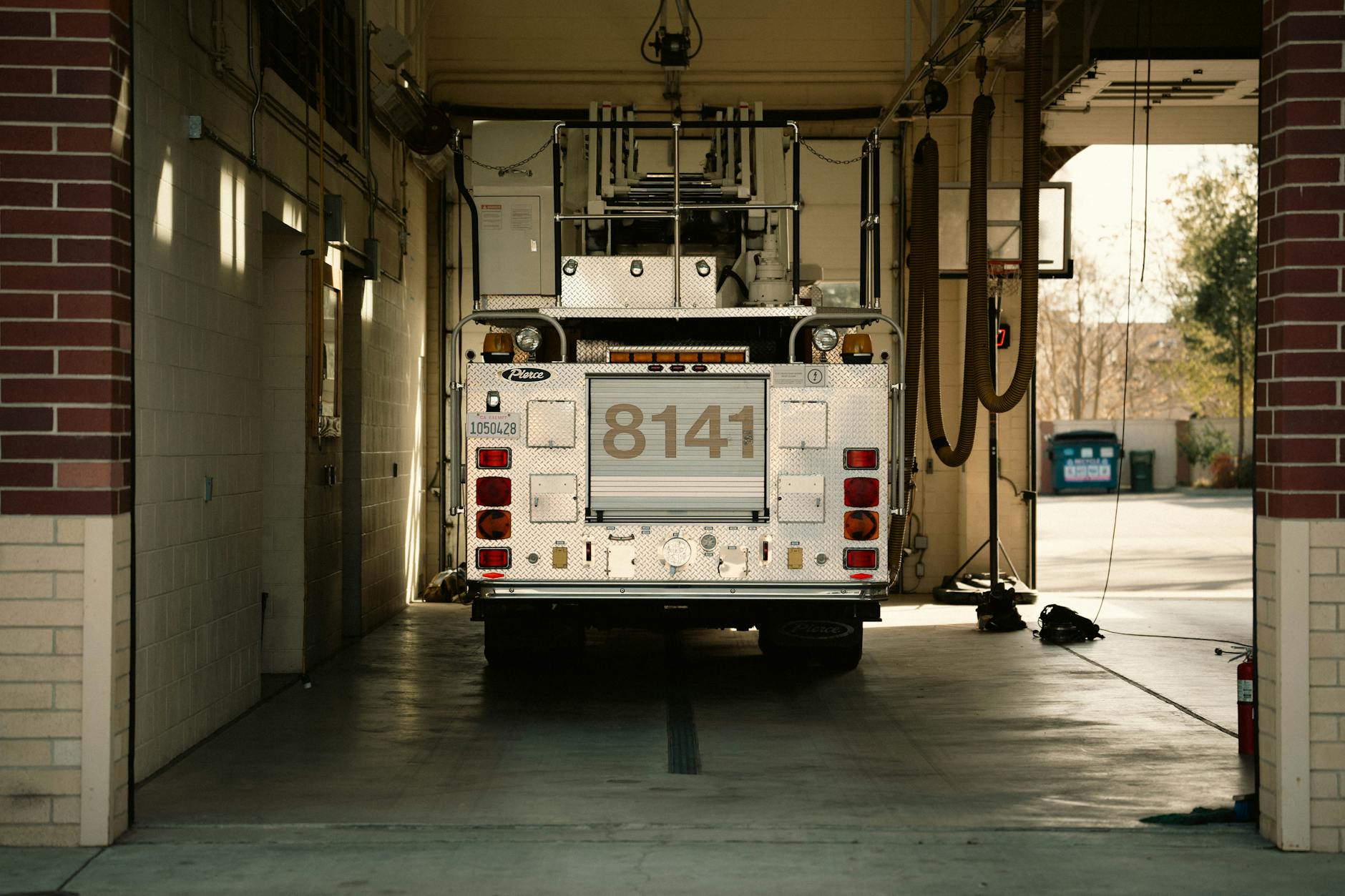
Staging a fashion show inside an active fire station requires unprecedented coordination. Designers must work with fire chiefs to identify windows when trucks are least likely to be called out, typically during weekday afternoons or early evenings. Emergency protocols remain in full effect – if alarms sound, models and guests must clear the bay area within sixty seconds.
The challenge extends to runway setup. Traditional elevated catwalks cannot interfere with truck movement, so most shows use ground-level runways that can be quickly dismantled. Lighting rigs hang from existing ceiling systems designed to support heavy equipment, while sound systems must compete with radio chatter and engine maintenance.
Some designers have turned these constraints into creative opportunities. Thom Browne reportedly incorporated the station’s alarm bells into his show’s soundtrack, while several emerging New York designers have used the truck bays’ industrial aesthetic as a backdrop for workwear-inspired collections.
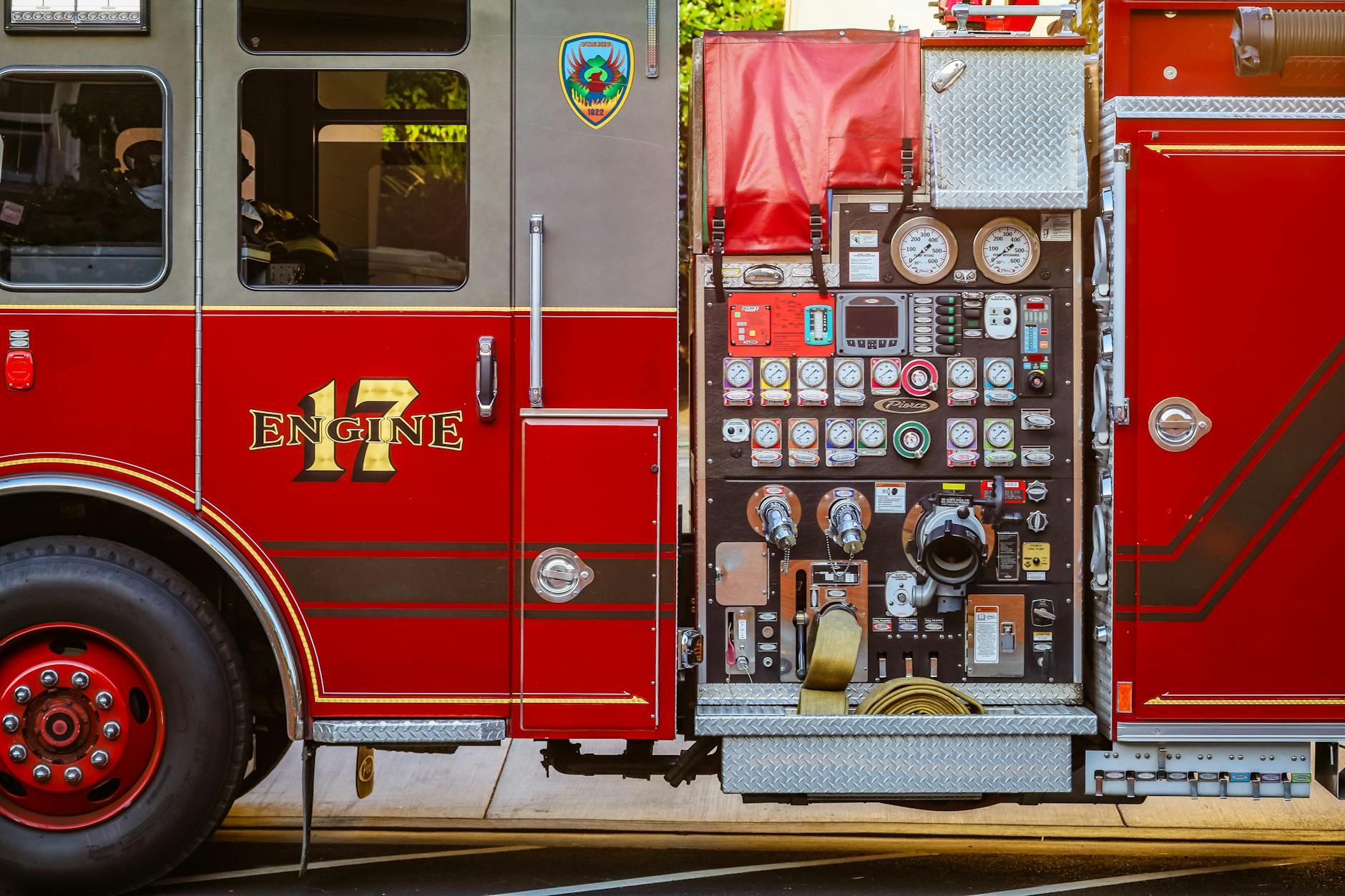
Fire departments maintain strict rules about what can and cannot touch their equipment. Models cannot lean against trucks or use emergency vehicles as props, though the visual backdrop of red engines and gleaming chrome creates dramatic photo opportunities.
Why Fire Stations Beat Traditional Fashion Venues
The appeal goes beyond novelty. Fire stations offer several advantages over conventional fashion spaces. Their high ceilings accommodate dramatic lighting setups, while the industrial architecture provides natural acoustics that eliminate the need for extensive sound dampening.
The buildings themselves tell stories that resonate with modern fashion narratives. Many firehouses date back decades, featuring architecture that bridges historical and contemporary aesthetics. The juxtaposition of luxury fashion against utilitarian emergency equipment creates striking visual contrasts that photographers and social media influencers find irresistible.
Cost factors play a significant role. Renting a fire station for an evening typically costs less than half the price of comparable commercial venues, allowing emerging designers to allocate more budget toward production values and guest experiences. The savings enable more elaborate installations and higher-quality catering.
The authenticity factor cannot be overstated. While many fashion venues try to create industrial or urban atmospheres artificially, fire stations provide the real thing. The smell of diesel fuel, the sound of radio communications, and the presence of actual firefighters create an atmosphere that cannot be replicated in a hotel ballroom or art gallery.
Similar trends have emerged with fashion shows in active public libraries, where designers work around regular library operations to create unique presentations.
The Community Impact and Cultural Significance
Fashion shows in fire stations create unexpected community connections. Local residents often gather outside to watch the spectacle, turning exclusive fashion events into neighborhood happenings. Fire departments report increased positive community engagement following fashion shows, with more residents stopping by to chat with firefighters or ask about station tours.
The collaboration challenges traditional fashion industry hierarchies. Firefighters, typically removed from high fashion circles, find themselves at the center of cultural events. This cross-pollination has led to unexpected partnerships, with some designers creating custom pieces for fire department charity auctions or community events.
Fashion weeks in major cities have begun officially recognizing fire station shows. Milan Fashion Week now includes dedicated slots for emergency venue presentations, while London Fashion Week has created a special category for “working venue” shows that includes fire stations alongside other active municipal buildings.
The trend reflects broader shifts in fashion presentation philosophy. Designers increasingly seek to ground their work in real-world contexts rather than creating isolated artistic environments. Fire stations provide authentic urban settings that connect fashion to essential city services and working-class communities.
The movement has expanded internationally, with notable shows occurring in stations across Europe and Asia. Each location brings unique cultural elements – Tokyo fire stations feature different architectural styles and equipment, while stations in Copenhagen offer different community dynamics and municipal structures.
Challenges and Future Evolution
Despite growing popularity, fire station fashion shows face ongoing challenges. Insurance complications require extensive documentation and special coverage for events in emergency service buildings. Some fire departments have pulled back from hosting shows after negative community feedback about mixing luxury fashion with essential services.
Weather presents constant uncertainty. Rain or extreme temperatures that increase emergency call volume can force last-minute cancellations. Designers must always have backup venues or postponement plans, adding complexity to show production.
The success has also created competition among fire stations. Stations in fashion-forward cities now actively market themselves to designers, sometimes leading to scheduling conflicts and pricing pressures that defeat the original cost-saving benefits.
Looking ahead, the trend shows signs of evolution rather than decline. Some designers are exploring longer-term residencies with fire departments, creating ongoing partnerships that benefit both parties. Others are expanding the concept to include paramedic stations, police precincts, and other emergency services facilities.
The success of fire station shows, along with fashion presentations in working botanical greenhouses, signals a broader movement toward authentic venue experiences in fashion presentation.
As traditional fashion weeks face scrutiny over their environmental impact and exclusivity, emergency venue shows offer a model that’s both sustainable and community-connected. The trend represents more than venue selection – it’s a fundamental shift toward fashion presentations that engage with real urban life rather than existing apart from it.
The next fashion week season will likely see even more designers seeking partnerships with fire departments, as the combination of authenticity, cost-effectiveness, and visual drama proves impossible to replicate in conventional venues.
Frequently Asked Questions
Do fashion shows stop if firefighters get emergency calls?
Yes, models and guests must clear the bay area within 60 seconds if alarms sound during active shows.
How much does it cost to rent a fire station for fashion shows?
Fire station rentals typically cost less than half the price of comparable commercial fashion venues.