




The sound of jet engines mingles with clicking heels as models strut down a makeshift runway between departure gates. Welcome to fashion’s latest frontier: active airport terminals, where designers are transforming transit hubs into high-fashion spectacles while passengers rush to catch flights.
This unconventional trend gained momentum when Jacquemus presented a surprise show at Los Angeles International Airport’s Tom Bradley International Terminal in 2023, with models walking among actual travelers. The stunt generated millions of social media impressions and sparked a movement that’s now spreading across fashion weeks worldwide. From Copenhagen’s Kastrup Airport to Tokyo’s Haneda, designers are discovering that the controlled chaos of air travel creates an unexpectedly compelling backdrop for fashion presentation.
The Logistics Behind Terminal Fashion
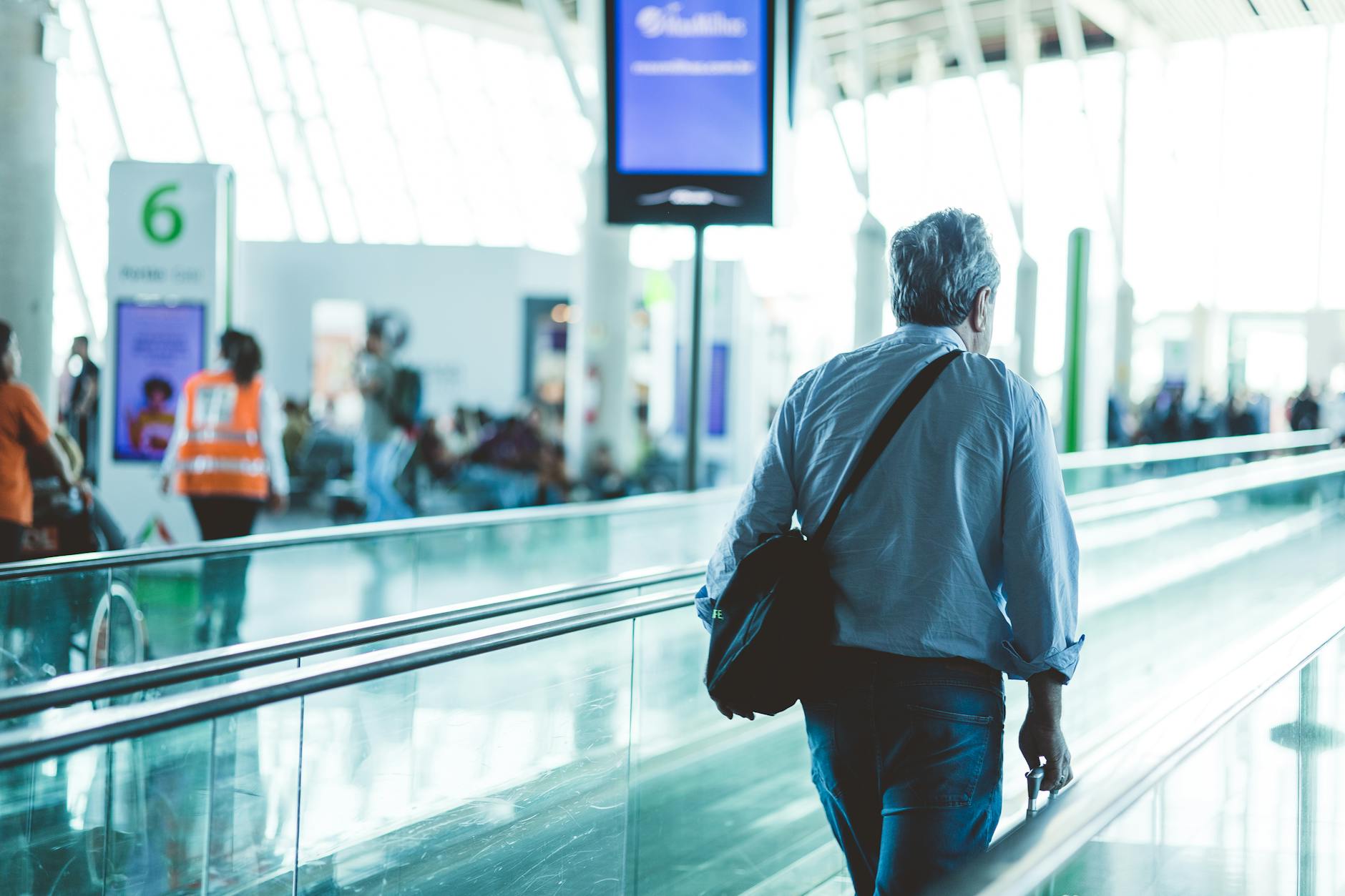
Staging a runway show inside an active airport requires months of coordination with aviation authorities, security agencies, and terminal management. Designers must navigate strict TSA regulations, flight schedules, and passenger flow patterns while maintaining the spontaneous energy that makes these shows captivating.
“We had to choreograph around departure announcements and gate changes,” explains Sarah Martinez, production manager for several airport runway shows. “Models need security clearance, crew must work within designated zones, and everything has to wrap before peak travel hours.”
The technical challenges are immense. Sound systems compete with terminal announcements, lighting must work within existing infrastructure, and seating arrangements accommodate both invited guests and curious passengers. Some designers embrace these limitations, incorporating flight delays into their narrative or using boarding announcements as part of their show’s soundtrack.
Safety protocols add another layer of complexity. Models must avoid restricted areas, emergency exits remain clear, and all equipment undergoes additional screening. Despite these hurdles, the authentic airport atmosphere – complete with rolling luggage, crying babies, and last-minute gate changes – creates an unscripted energy that traditional venues can’t replicate.
Why Airports Captivate Fashion’s Elite
Airports represent constant movement, cultural intersection, and global connectivity – themes that resonate deeply with contemporary fashion. The transient nature of air travel mirrors fashion’s seasonal cycles, while the diverse passenger mix provides a natural audience that spans demographics and nationalities.
“Airports are the ultimate democratic spaces,” notes fashion critic Elena Rodriguez. “You have everyone from business executives to backpackers, creating this incredible human tapestry that traditional fashion week venues lack.”
The visual contrast proves equally compelling. Sleek fashion pieces against utilitarian terminal architecture, models in haute couture navigating security checkpoints, and the juxtaposition of carefully orchestrated fashion with the organic chaos of travel creates striking imagery that performs exceptionally well on social media platforms.
Timing also plays a crucial role. Passengers with layovers or early arrivals often welcome unexpected entertainment, creating an appreciative audience that traditional fashion shows struggle to cultivate. The element of surprise – catching a fashion show while waiting for a connection – generates genuine reactions that feel more authentic than typical fashion week responses.

The Social Media Amplification Effect
Airport fashion shows generate unprecedented organic social media coverage. Passengers naturally document unexpected encounters, creating user-generated content that extends far beyond traditional fashion media reach. The hashtag #AirportRunway has accumulated over 50 million views across platforms, with content ranging from professional fashion photography to smartphone videos shot by surprised travelers.
This authentic documentation differs significantly from controlled fashion week coverage. Instead of posed backstage shots and professional photography, airport shows produce candid moments: models helping elderly passengers with luggage, children’s reactions to elaborate outfits, and genuine surprise from travelers discovering high fashion in their mundane travel experience.
The global nature of airports amplifies this effect. International passengers share content across different time zones and cultural contexts, creating truly worldwide exposure. A show at London Heathrow might be documented by travelers from dozens of countries, each sharing with their unique networks and perspectives.
Brands report that airport show content performs significantly better than traditional runway coverage, generating higher engagement rates and broader demographic reach. The unexpected setting makes fashion feel accessible and relevant to audiences who might never attend traditional fashion shows.
Challenges and Criticisms
Not everyone embraces fashion’s airport invasion. Critics argue that these spectacles disrupt essential travel infrastructure and add stress to already challenging airport experiences. Passenger advocacy groups have raised concerns about delays, crowding, and the prioritization of fashion over traveler convenience.
“Airports serve critical functions, and turning them into entertainment venues risks compromising their primary purpose,” argues travel industry analyst Michael Chen. Some passengers report missing flights due to terminal closures or restricted access during fashion events.
Environmental concerns also emerge, particularly regarding the carbon footprint of staging shows in locations that encourage air travel. Fashion’s ongoing sustainability challenges become more pronounced when runways literally occupy spaces dedicated to fossil fuel consumption.
Security implications add another layer of complexity. Fashion shows in airports require extensive coordination with law enforcement and can strain security resources. Some aviation experts worry about the precedent of treating critical infrastructure as entertainment venues.
The trend has also sparked similar unconventional venue choices across the industry. Milan designers are moving runway shows into active construction sites, while other cities explore equally unexpected locations for fashion presentations.
Despite challenges, the airport runway trend shows no signs of slowing. Fashion weeks in Dubai, Singapore, and Amsterdam have all announced plans to incorporate airport venues into their official schedules. The success of these unconventional shows is pushing the entire industry to reconsider traditional presentation formats.
Technology integration promises to enhance future airport fashion shows. Augmented reality applications could allow passengers to virtually try on showcased pieces, while real-time translation services could make shows more accessible to international audiences. Some designers are exploring partnerships with airlines to extend fashion experiences onto actual flights.
The democratization of fashion through unexpected venues represents a broader industry shift toward accessibility and authenticity. As fashion weeks become increasingly exclusive and expensive, airport shows offer a refreshing alternative that reaches real people in real moments of their lives.
Whether this trend represents a temporary novelty or a lasting evolution in fashion presentation remains to be seen. What’s certain is that designers have discovered the power of surprise, authenticity, and the universal human experience of travel. In an industry often criticized for being out of touch with reality, staging shows where people actually live their lives might be exactly what fashion needs.
Frequently Asked Questions
Why are fashion designers choosing airports for runway shows?
Airports offer diverse audiences, authentic settings, and strong social media potential with natural user-generated content from surprised travelers.
How do designers handle security and logistics in airports?
Shows require months of coordination with aviation authorities, TSA approval, and careful choreography around flight schedules and passenger flow.