
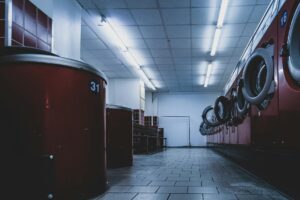



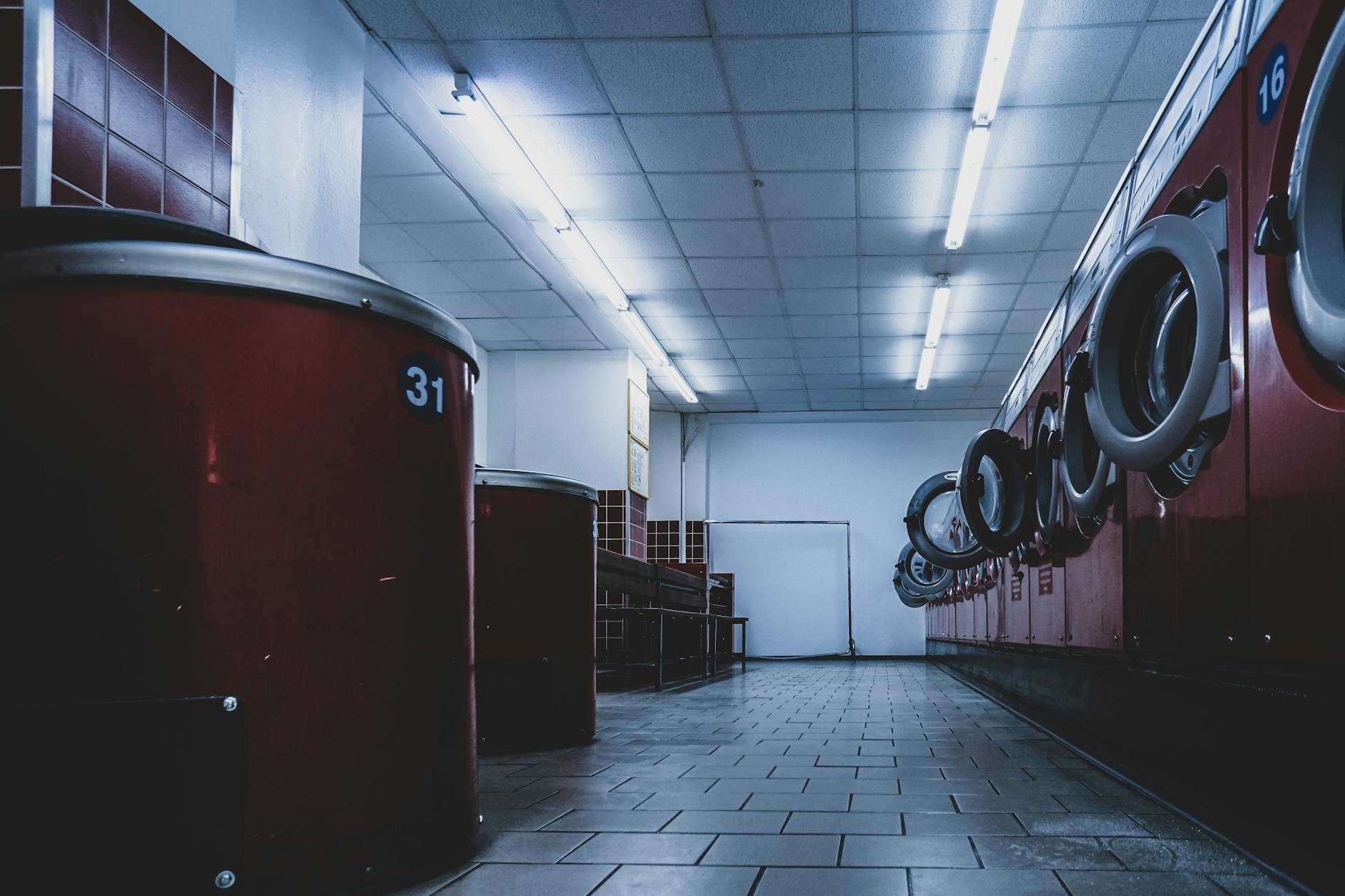
The sound of washing machines churning drowns out the models’ stilettos on wet tile floors. Steam from industrial dryers creates an otherworldly backdrop as models navigate between coin-operated machines and folding tables. Fashion week has officially left the gilded venues behind for something far more revolutionary: the neighborhood laundromat.
Designers are ditching traditional runways for active laundromats, transforming these utilitarian spaces into theatrical fashion stages. The trend reflects a broader movement toward authentic storytelling and community engagement that’s reshaping how fashion connects with audiences. From Gabriela Hearst’s surprise show at a Brooklyn coin laundry to emerging designers staging intimate presentations between wash cycles, the industry is embracing the poetry of everyday spaces.
The Authenticity Movement Takes Center Stage
The laundromat runway represents more than aesthetic rebellion-it signals fashion’s hunger for genuine connection. Unlike sterile event spaces or museum galleries, laundromats carry the weight of real life. The lingering scent of fabric softener, the rhythmic hum of machinery, and the presence of actual customers doing laundry create an environment impossible to manufacture.
“There’s something beautifully honest about showing clothes where people actually live their lives,” explains creative director Maria Santos, whose recent collection debuted at Suds & Bubbles in Los Angeles while customers continued their washing routines. “Fashion should feel accessible, not like something that exists only in rarefied spaces.”
This authenticity resonates particularly with younger consumers who value transparency and reject aspirational marketing. Gen Z shoppers, raised on unfiltered social media content, respond to brands that acknowledge the realities of daily life. Staging a show where models walk past someone’s forgotten gym clothes sends a powerful message about inclusivity and relatability.
The technical challenges add unexpected drama. Designers must consider humidity levels that could affect delicate fabrics, navigate tight spaces between machines, and work around the unpredictable timing of wash cycles. Some shows have incorporated the sounds of the laundromat into their soundtracks, creating immersive experiences that blur the lines between performance and reality.
Community Engagement Beyond the Catwalk
Laundromat shows excel at genuine community integration in ways traditional venues cannot match. Regular customers become inadvertent audience members, children playing in corners add spontaneous energy, and the elderly folding clothes provide generational perspective on fashion’s evolution. These unscripted moments often become the most memorable parts of the presentations.
Local laundromat owners report significant business boosts following fashion events. Rosa Martinez, owner of Wash World in Queens, saw a 40% increase in customers after hosting a sustainable fashion collective’s show. “People come to see where the magic happened,” she says. “Some stay to do their actual laundry.”
The economic impact extends beyond immediate foot traffic. Many designers partner with laundromat owners for ongoing collaborations, transforming these spaces into regular pop-up retail locations. Limited edition t-shirts featuring laundromat imagery, capsule collections inspired by the aesthetic of coin-operated machines, and exclusive drops available only at specific locations create ongoing revenue streams.
Social media amplification proves particularly powerful in laundromat settings. The juxtaposition of high fashion against everyday utility generates organic content that spreads far beyond fashion insiders. TikTok videos of models navigating between washing machines regularly achieve millions of views, reaching demographics traditional runway shows never touch.
Technical Innovation in Unexpected Spaces
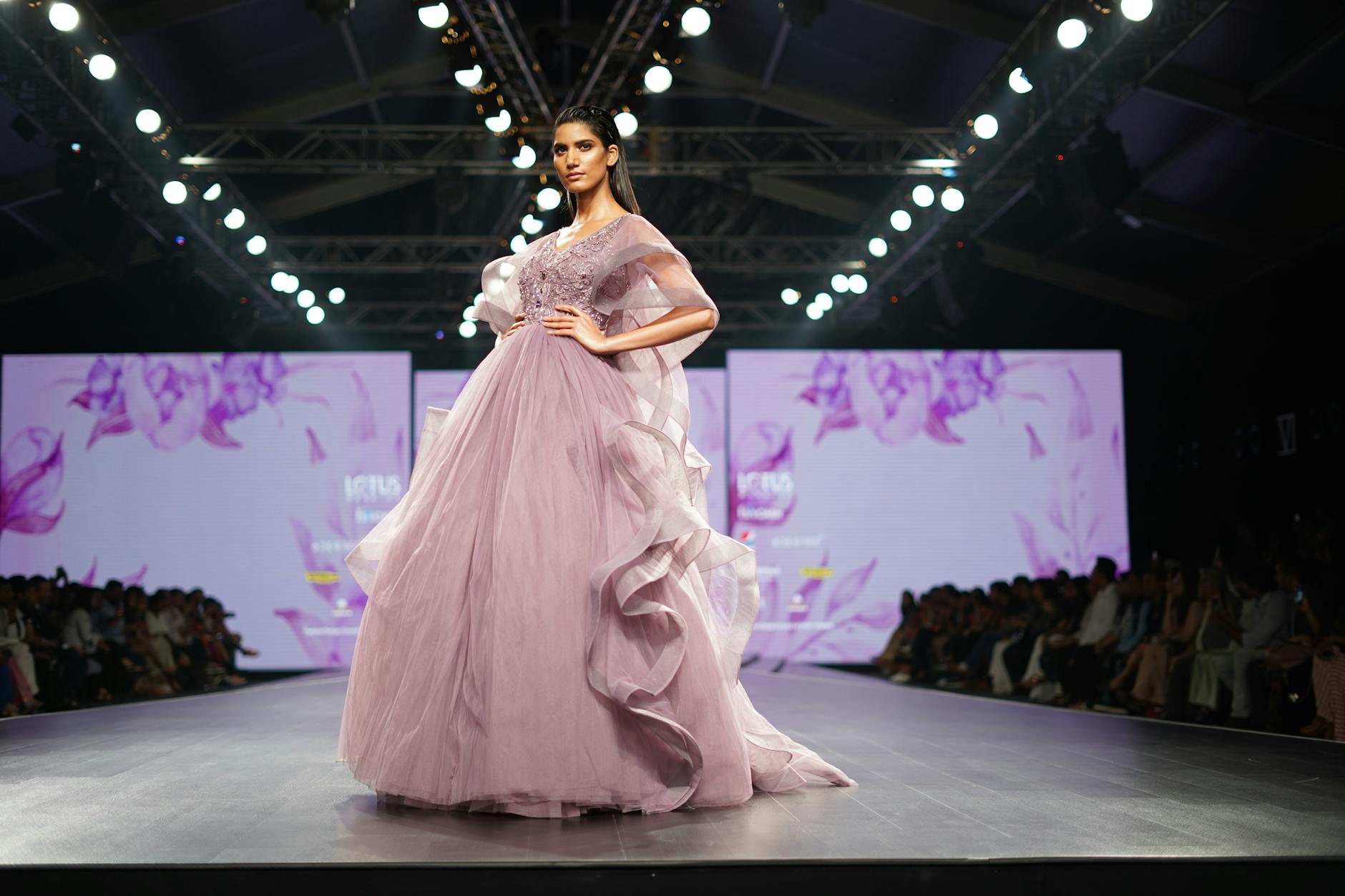
Staging professional fashion shows in working laundromats requires creative problem-solving that pushes technical teams into uncharted territory. Lighting designers must work around existing fluorescent fixtures while managing steam and humidity. Sound engineers balance ambient machine noise with music and commentary. The constraints force innovation that often produces more memorable experiences than unlimited budgets in conventional venues.
Streaming technology becomes crucial when intimate laundromat spaces cannot accommodate traditional fashion week crowds. Multiple camera angles capture the interplay between models and the working environment, while drone footage through windows provides exterior context. Some shows experiment with 360-degree cameras, allowing online viewers to experience the full sensory environment.
The proximity between audience and models in cramped laundromat spaces creates unique viewing experiences. Attendees can examine construction details, fabric textures, and fit in ways impossible from traditional runway seating. This intimacy influences design choices, with creators paying extra attention to finishing details and construction quality knowing their work will face close scrutiny.
Environmental considerations also drive innovation. Many laundromat shows feature sustainable collections, creating natural storytelling connections between the venue’s cleansing function and fashion’s cleaning up of its environmental impact. Designers showcase pieces made from recycled materials, water-efficient dyeing processes, and clothing designed for longevity rather than disposability.
Similar unconventional venue trends are reshaping fashion presentation across the industry, from shows staged in active barbershops to presentations in functioning grocery stores.
Economic and Cultural Impact
The financial dynamics of laundromat shows differ dramatically from traditional runway presentations. Venue costs drop significantly compared to renting established fashion spaces, allowing emerging designers to stage professional-quality shows on limited budgets. A typical laundromat rental for an evening event costs 80% less than comparable fashion week venues, democratizing access to runway presentations.
However, additional expenses emerge in unexpected areas. Insurance requirements for fashion events in non-traditional venues often exceed standard rates. Equipment rentals increase to accommodate unique spatial challenges. Marketing costs may rise as brands work harder to communicate locations and logistics to audiences unfamiliar with unconventional venue addresses.
The cultural impact extends beyond immediate fashion circles. Laundromat shows introduce high fashion to communities rarely exposed to designer presentations. Children who stumble upon models during routine trips with parents gain early exposure to creative industries. Elderly community members share stories of their own fashion history, creating intergenerational dialogue rarely found at traditional shows.

Media coverage of laundromat shows often focuses on the novelty factor, but deeper cultural significance emerges through repeated exposure. Fashion magazines feature spreads shot in laundromat settings. Influencers create content connecting everyday routines with luxury aesthetics. The normalization of high-end fashion in working-class spaces challenges long-standing assumptions about who fashion serves and where it belongs.
Local economic benefits multiply as fashion events drive foot traffic to surrounding businesses. Coffee shops, bodegas, and restaurants near featured laundromats report increased sales during and after fashion events. Some neighborhoods organize fashion walks connecting multiple unconventional venues, creating cultural tourism opportunities.
The laundromat runway revolution reflects fashion’s broader evolution toward accessibility, authenticity, and community engagement. As designers continue exploring unconventional spaces, the industry moves away from exclusivity toward inclusion. The success of these presentations suggests that fashion’s future lies not in separating itself from daily life, but in celebrating the beauty found within ordinary moments. Whether this trend maintains momentum or becomes a footnote in fashion history, it has already accomplished something remarkable: making high fashion feel genuinely human again.
Frequently Asked Questions
Why are designers choosing laundromats for fashion shows?
Laundromats provide authentic, accessible venues that connect fashion with real community spaces and daily life experiences.
How do laundromat fashion shows work logistically?
Designers coordinate with owners to stage shows during business hours, working around customers and incorporating the working environment into presentations.