



The sound of rolling steel wheels mingles with the click of stilettos as models stride down makeshift runways between commuter platforms. Fashion week has officially left the building – literally. Designers are trading pristine white galleries for the gritty authenticity of active train stations, transforming everyday transit hubs into haute couture catwalks.
This unconventional venue choice represents more than just Instagram-worthy spectacle. From London’s King’s Cross to New York’s Grand Central, fashion houses are discovering that real-world environments create an electric energy impossible to replicate in traditional spaces. The juxtaposition of luxury fashion against industrial infrastructure speaks to our current cultural moment, where authenticity trumps perfection and accessibility matters more than exclusivity.
The trend gained serious momentum when several emerging designers began experimenting with unconventional spaces, similar to recent shows staged in [active barbershops](https://fashiondailymag.net/why-designers-are-staging-collections-inside-active-barbershops/) and other working environments.
The Raw Energy of Real Movement
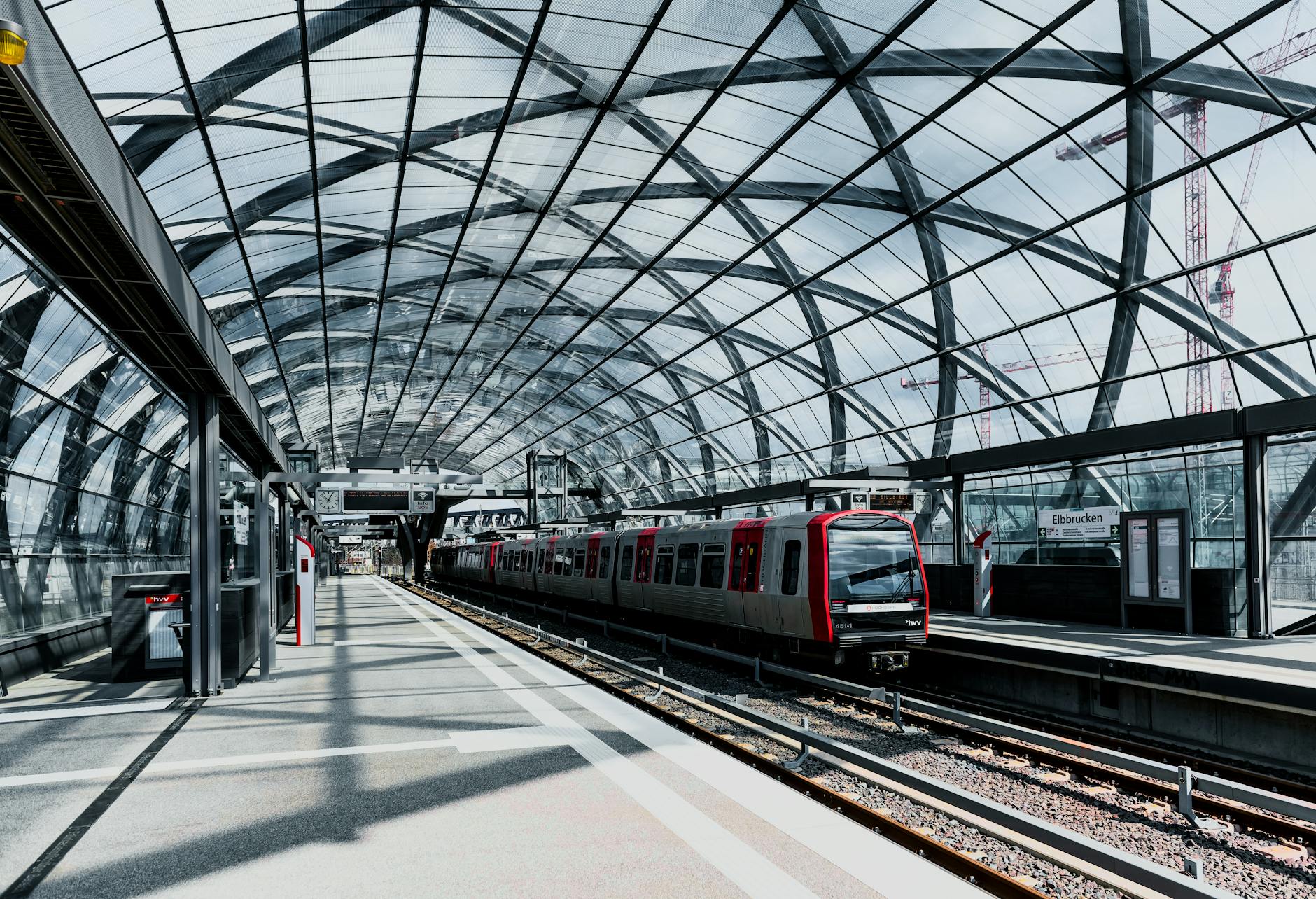
Train stations offer something traditional runway venues cannot: genuine human movement and unpredictable energy. Models navigate around actual commuters heading to work meetings, weekend getaways, and family visits. This creates an organic flow that fashion insiders describe as revolutionary.
“There’s something magical about seeing a $3,000 dress move through the same space where someone’s rushing to catch the 8:15 to Boston,” explains fashion critic Sarah Chen, who covered three station shows last month. “The clothes become part of real life instead of floating in some ethereal fashion bubble.”
The logistics prove challenging but worthwhile. Designers must coordinate with transit authorities, work around train schedules, and account for ambient noise that would drown out traditional runway music. Yet these obstacles create opportunities for innovation. Some shows incorporate the rhythmic sounds of arriving and departing trains as their soundtrack, while others use the natural echo of announcements as atmospheric elements.
Security concerns require careful planning, with additional personnel ensuring both commuter safety and collection protection. Models receive special training for navigating platforms while maintaining runway presence, learning to work with rather than against the station’s natural flow.
Breaking Down Fashion’s Ivory Tower
The train station runway democratizes fashion in ways traditional shows never could. Commuters become unwitting audience members, witnessing haute couture up close without invitation lists or velvet ropes. This accidental inclusivity aligns with fashion’s growing emphasis on accessibility and social consciousness.
“We’re not hiding behind closed doors anymore,” says Marcus Rodriguez, creative director at emerging label Transit Theory, which staged its spring collection at Chicago’s Union Station. “Fashion should engage with real people in real spaces. When a businessman waiting for his train stops to watch our models, that’s the exact reaction we want.”
The approach also generates significant buzz on social media. Commuters naturally document the unexpected spectacle, creating organic content that reaches audiences far beyond fashion’s traditional circles. Videos of models weaving between travelers regularly accumulate millions of views, expanding brand awareness in ways conventional shows cannot match.
This shift reflects broader changes in luxury marketing, where brands increasingly seek authentic connections with consumers rather than maintaining aspirational distance. The train station setting strips away pretension, presenting fashion as part of daily life rather than separate from it.
Technical Innovation Meets Urban Infrastructure
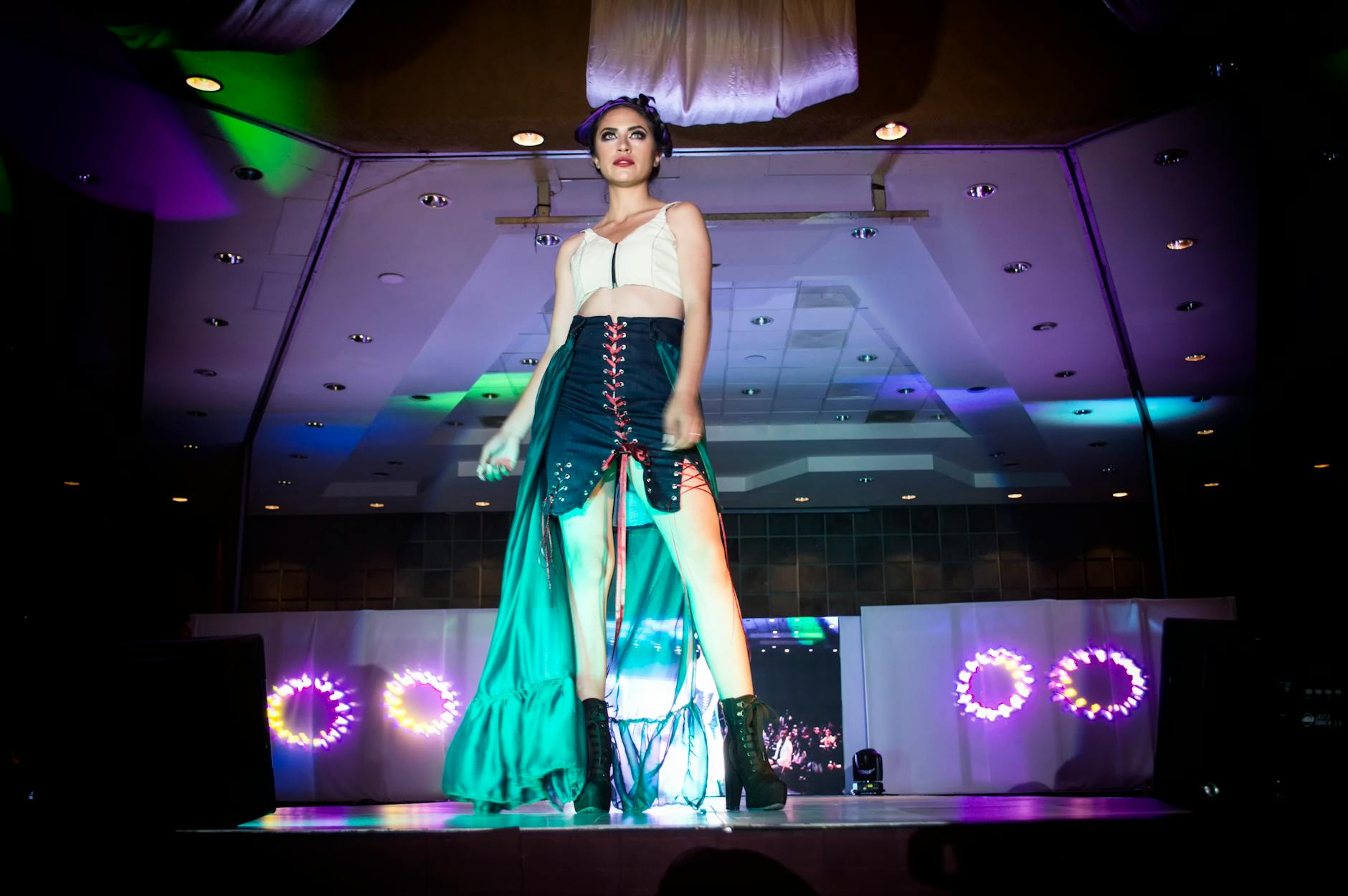
Staging shows in active stations demands technical creativity. Lighting designers work with existing fixtures, often enhancing rather than replacing station illumination. The harsh fluorescent lighting that typically unflatters becomes part of the aesthetic, creating dramatic contrasts between shadow and brightness.
Sound engineers face unique challenges, balancing music with ambient station noise. Some shows embrace the cacophony, incorporating train announcements and platform sounds as integral elements. Others use directional audio technology to create intimate sound bubbles that move with models through the space.
Runway configuration requires complete reimagining. Traditional rectangular catwalks give way to serpentine paths that navigate pillars, benches, and passenger flow. Models might descend staircases, traverse platforms, or even board and exit stationary cars as part of the presentation.
The unconventional logistics extend to guest seating, with VIP areas carved out among regular station furniture. Fashion editors find themselves perched on bench edges beside commuters, creating an unexpectedly egalitarian viewing experience. This mixing of audiences often generates more authentic reactions than polite fashion week applause.
Sustainability Through Existing Infrastructure
Environmental considerations play a significant role in venue selection. Using existing infrastructure eliminates the carbon footprint associated with constructing temporary runway spaces. Stations require no additional heating, cooling, or basic lighting installation, significantly reducing environmental impact compared to purpose-built venues.
Transportation accessibility also improves, as guests can arrive by public transit rather than requiring individual car journeys to remote fashion week locations. This practical benefit aligns with sustainability goals while making shows more accessible to broader audiences.
Some designers incorporate sustainability messaging directly into station shows, using the public transit setting to highlight environmental consciousness. Collections feature recycled materials or zero-waste construction, with the venue itself serving as a statement about responsible consumption and urban living.
The Future of Immersive Fashion Experiences
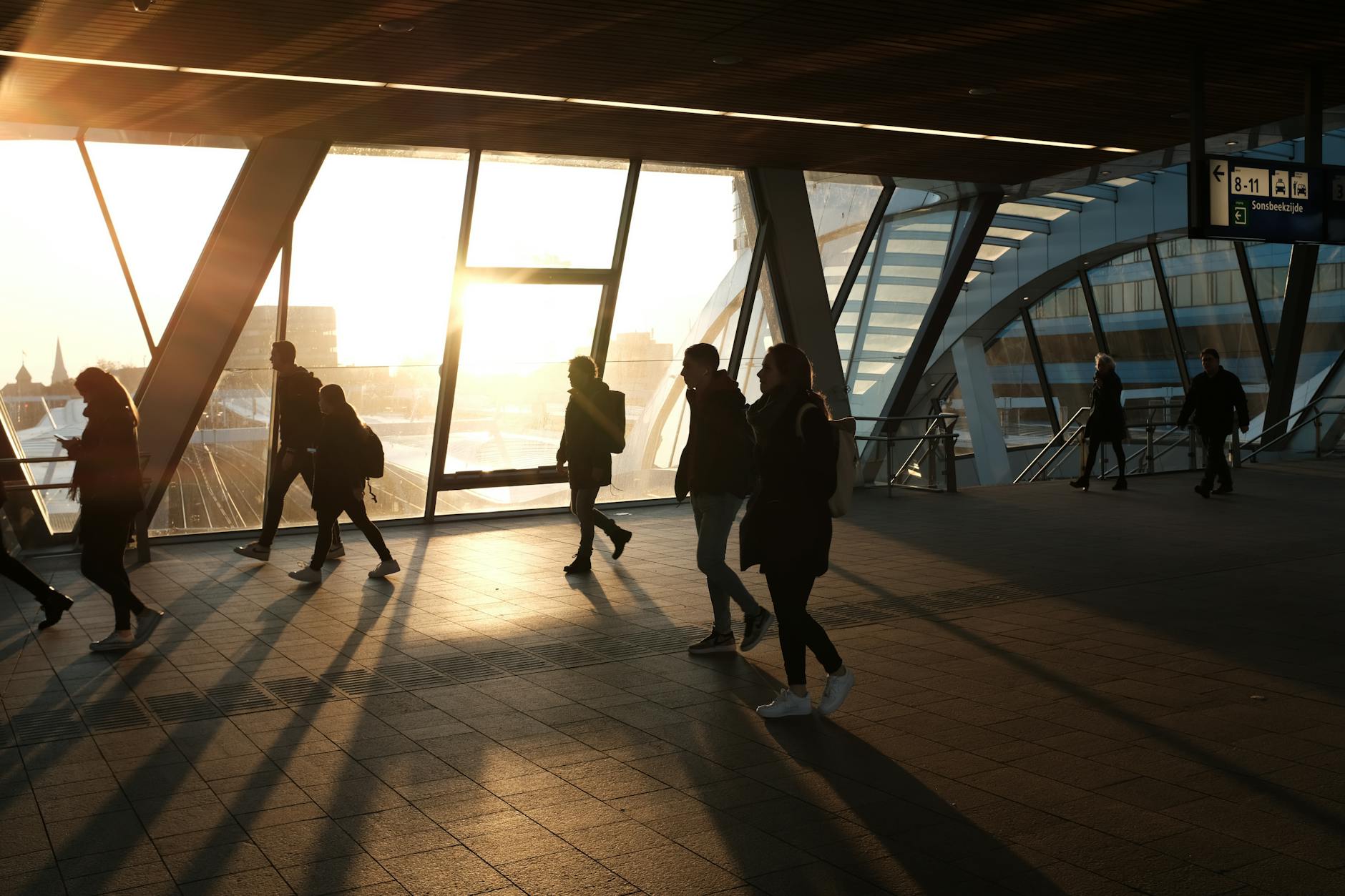
Train station shows represent just the beginning of fashion’s site-specific evolution. Industry observers predict continued expansion into unconventional venues as designers seek authentic engagement with diverse audiences. The success of station shows has already inspired similar experiments in [active grocery stores](https://fashiondailymag.net/why-designers-are-staging-collections-inside-active-grocery-stores/) and other everyday spaces.
Technology will likely enhance these experiences further. Augmented reality could overlay digital elements onto physical infrastructure, while advanced audio systems might create personalized soundtracks for different areas of large stations. Some designers are experimenting with interactive elements that respond to train schedules or passenger density.
The trend also influences retail strategy, with brands considering permanent installations in high-traffic transit hubs. Pop-up shops and exhibition spaces within stations could bridge the gap between runway presentation and consumer purchase, creating new pathways from inspiration to acquisition.
As fashion continues evolving toward greater inclusivity and authenticity, train stations offer the perfect metaphor: spaces of movement, connection, and possibility where different worlds intersect. The platforms that connect cities are now connecting fashion with real life, creating shows that feel less like performances and more like genuine cultural moments.
The movement toward unconventional venues signals a fundamental shift in how fashion communicates with its audience. By leaving the protected environment of traditional venues, designers acknowledge that great fashion belongs in the real world, moving through actual spaces alongside actual people. Train stations, with their constant flow of humanity and urban energy, provide the ideal stage for fashion’s next chapter.
Frequently Asked Questions
Why are designers choosing train stations over traditional venues?
Train stations offer authentic energy, diverse audiences, and real-world context that creates more engaging and accessible fashion experiences.
How do designers handle logistics in active train stations?
They coordinate with transit authorities, work around schedules, and adapt lighting and sound to existing infrastructure while ensuring safety.