





Sarah Martinez and Jake Thompson scrapped their beachfront Bali honeymoon for something unexpected: a week-long intensive couples therapy retreat in Tulum. Instead of sipping cocktails by infinity pools, they spent mornings in guided communication workshops and afternoons processing relationship patterns with licensed therapists. “We wanted to start our marriage by actually learning how to be married,” Sarah explains.
They’re part of a growing movement reshaping post-wedding traditions. High-end therapy retreats are seeing 300% increases in bookings from newlyweds, with luxury wellness centers reporting that couples therapy intensives now comprise nearly 40% of their honeymoon packages. Traditional romantic getaways are giving way to structured programs designed to build relationship foundations before problems emerge.

The Psychology Behind Preventative Relationship Work
Modern couples are approaching marriage with unprecedented intentionality. Dr. Rachel Kim, director of couples programming at Miraval Austin, reports that 70% of their honeymoon therapy participants are first-time marrieds seeking “relationship insurance” rather than crisis intervention. These programs typically run 5-7 days and combine traditional therapy techniques with luxury amenities.
The shift reflects broader generational attitudes toward mental health. Millennials and Gen Z couples view therapy as maintenance rather than emergency care, similar to how previous generations approached physical fitness or financial planning. “They want to learn communication tools before they need them,” explains Dr. Kim. “It’s proactive rather than reactive.”
Typical programs include morning meditation sessions, afternoon individual therapy, evening couples workshops, and specialized modules covering finances, intimacy, and conflict resolution. Unlike traditional honeymoons focused on relaxation and romance, these retreats prioritize skill-building and emotional intelligence development.
Luxury Wellness Centers Pivot to Relationship Programming
High-end retreat centers are rapidly expanding relationship-focused offerings to meet demand. Canyon Ranch now offers “Foundation Weeks” for newlyweds, combining spa treatments with daily therapy sessions. Mii amo in Sedona has launched “Sacred Union” programs featuring couples massage, guided meditation, and intensive communication training.
The programs aren’t cheap. Week-long couples therapy retreats at luxury centers range from $8,000 to $15,000 per couple, comparable to high-end traditional honeymoons. However, participants report significantly higher satisfaction rates than conventional romantic getaways. Post-program surveys show 87% of couples rate the experience as “life-changing” compared to 43% satisfaction with traditional honeymoons.
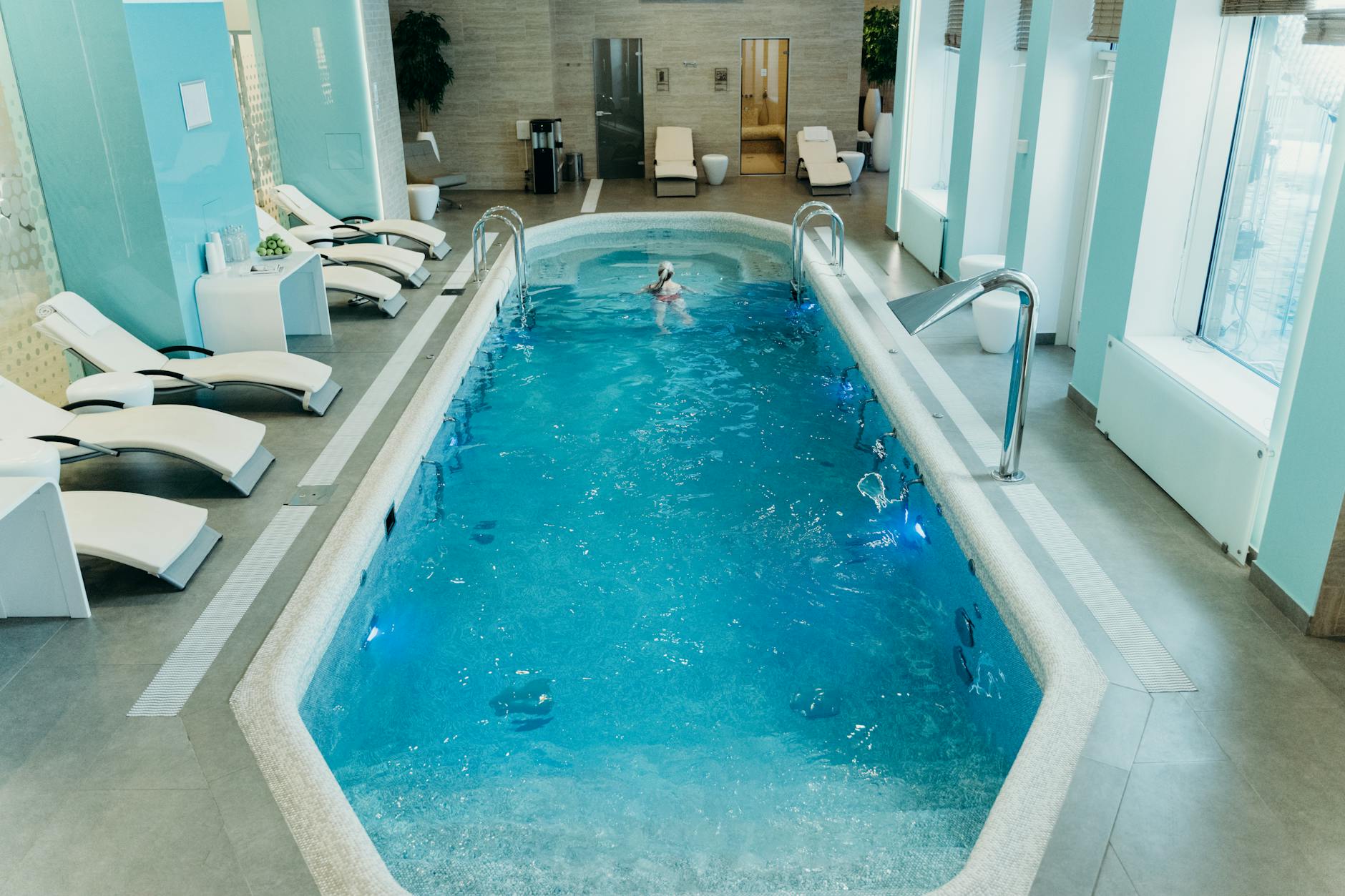
Celebrity influence has accelerated the trend. While specific participants maintain privacy, several high-profile couples have publicly endorsed therapeutic honeymoons, sharing social media glimpses of meditation sessions and couples workshops at exclusive retreat centers. This visibility has normalized what was once considered unconventional.
The programs also attract couples prioritizing wellness-focused approaches to stress management, recognizing that relationship skills directly impact overall well-being. Many participants are executives and entrepreneurs who apply business-like strategic thinking to their personal relationships.
What Happens at a Couples Therapy Retreat
A typical day begins with 7 AM mindfulness meditation, followed by breakfast and individual therapy sessions. Mid-morning brings couples workshops focusing on specific skills like active listening, emotional regulation, or conflict de-escalation. Afternoons often include outdoor activities designed to build trust and teamwork, from guided hiking to partner yoga.
Evenings feature group sessions where couples share insights and practice newly learned techniques. Unlike traditional therapy’s weekly hour-long sessions, the intensive format allows for deeper work and faster progress. Participants report breakthrough moments that might take months to achieve in conventional settings.
The programs address practical marriage challenges often overlooked in traditional honeymoons. Financial communication workshops teach couples to discuss money without conflict. Intimacy sessions help partners maintain connection during life transitions. Family planning modules explore expectations around children and career priorities.
Many retreats include follow-up support systems, with monthly video check-ins and resource libraries couples can access after returning home. This ongoing connection extends the retreat’s impact beyond the initial intensive week.
The Economics of Relationship Investment
The financial logic resonates with couples viewing marriage as a long-term investment requiring professional guidance. Divorce rates remain around 40%, with failed marriages costing an average of $15,000 in legal fees alone. Couples increasingly see upfront relationship education as economically sensible compared to potential future divorce costs.
Wedding industry data shows couples allocating larger portions of their budgets to post-wedding relationship building. Where previous generations spent heavily on wedding ceremonies, today’s couples often choose simpler celebrations and invest those funds in honeymoon therapy programs or ongoing relationship coaching.
The trend parallels other luxury lifestyle shifts, where wealthy individuals prioritize experiences and personal development over material possessions. Just as professional services are replacing traditional luxury goods, therapeutic experiences are becoming status symbols among affluent couples.
Insurance companies are beginning to recognize preventative relationship therapy, with some high-end plans covering portions of intensive couples programs. This coverage expansion could make therapeutic honeymoons accessible to broader demographics within the next five years.
The movement represents a fundamental shift in how couples approach marriage preparation. Rather than hoping for the best, they’re actively building skills for the inevitable challenges ahead. As one recent participant noted, “We spent more time planning our wedding than learning how to be married. This balanced that equation.”
Industry experts predict continued growth as therapy retreats expand programming and reduce costs through group formats and virtual components. The next evolution may integrate AI-powered relationship coaching tools with human therapists, creating hybrid programs that extend intensive retreat experiences into ongoing daily practice.
Frequently Asked Questions
How much do couples therapy retreat honeymoons cost?
Week-long programs at luxury centers typically range from $8,000 to $15,000 per couple, comparable to high-end traditional honeymoons.
What happens during a couples therapy retreat?
Daily schedules include meditation, individual therapy, couples workshops, trust-building activities, and group sessions focused on communication and relationship skills.