





JPMorgan Chase executive Sarah Martinez walked into her Monday morning board meeting wearing something that would have been unthinkable five years ago: sleek black clogs with a two-inch platform heel. She wasn’t alone. Around the mahogany conference table, three other senior directors had traded their stilettos for similar ergonomic footwear, part of a quiet revolution reshaping corporate banking’s dress code.
The shift represents more than just a fashion trend. As Wall Street faces mounting pressure to address workplace wellness and retain top talent, traditional dress codes are bending to accommodate what employees actually need to perform at their best. Clogs, once relegated to hospital floors and restaurant kitchens, are emerging as the unexpected solution to an age-old professional dilemma: looking polished while staying comfortable during 12-hour workdays.

The Health Revolution Behind the Change
Corporate wellness initiatives have exploded across the financial sector, with banks investing billions in employee health programs. Goldman Sachs recently expanded its on-site medical facilities, while Bank of America launched comprehensive ergonomics training for all staff. This wellness focus naturally extended to footwear choices, particularly as studies linking high heels to long-term foot problems gained mainstream attention.
Dr. Emily Chen, a podiatrist who consults for several major financial firms, reports a 40% increase in heel-related injury consultations among banking professionals over the past three years. “We’re seeing everything from plantar fasciitis to stress fractures,” she explains. “The combination of long hours standing in meetings, hard marble floors, and traditional high heels creates a perfect storm for foot problems.”
Modern clogs address these concerns with features that would have seemed impossible a decade ago. Brands like Dansko Professional and Alegria have developed sophisticated designs incorporating memory foam insoles, arch support systems, and slip-resistant outsoles. Some models feature removable footbeds that can be customized by orthotic specialists, while others use proprietary shock-absorption technology originally developed for athletic shoes.
The transformation isn’t just about comfort. Research from the American Podiatric Medical Association shows that proper foot support can improve overall posture and reduce back pain, leading to better focus and productivity during long work sessions. For banking professionals who regularly pull all-nighters during merger negotiations or earnings season, this translates to measurable performance benefits.
Breaking Down Dress Code Barriers
Traditional banking culture has always emphasized appearance as a reflection of competence and attention to detail. For decades, this meant women were expected to wear heels regardless of comfort or health considerations. The pandemic fundamentally disrupted these expectations, as remote work normalized more practical clothing choices and forced organizations to reconsider what “professional” really means.
The shift accelerated when several high-profile female executives began openly discussing their footwear choices. Citigroup’s Jane Fraser made headlines when she mentioned choosing comfort over convention during a banking conference panel. Her comments sparked industry-wide conversations about whether traditional dress codes were actually serving business objectives or simply maintaining outdated traditions.
Major financial institutions have quietly updated their employee handbooks to reflect these changing attitudes. While most still require “business professional” attire, the definitions have become notably more flexible. Words like “appropriate” and “polished” have replaced specific requirements for heel heights or shoe styles, giving employees more autonomy in their choices.
The change extends beyond individual comfort to broader questions of workplace equity. Studies show that traditional dress codes often place disproportionate financial and physical burdens on women, who face more complex and expensive wardrobe requirements. By normalizing practical footwear options, banks are addressing one aspect of these systemic inequities while demonstrating commitment to employee wellbeing.
The Style Evolution of Professional Clogs
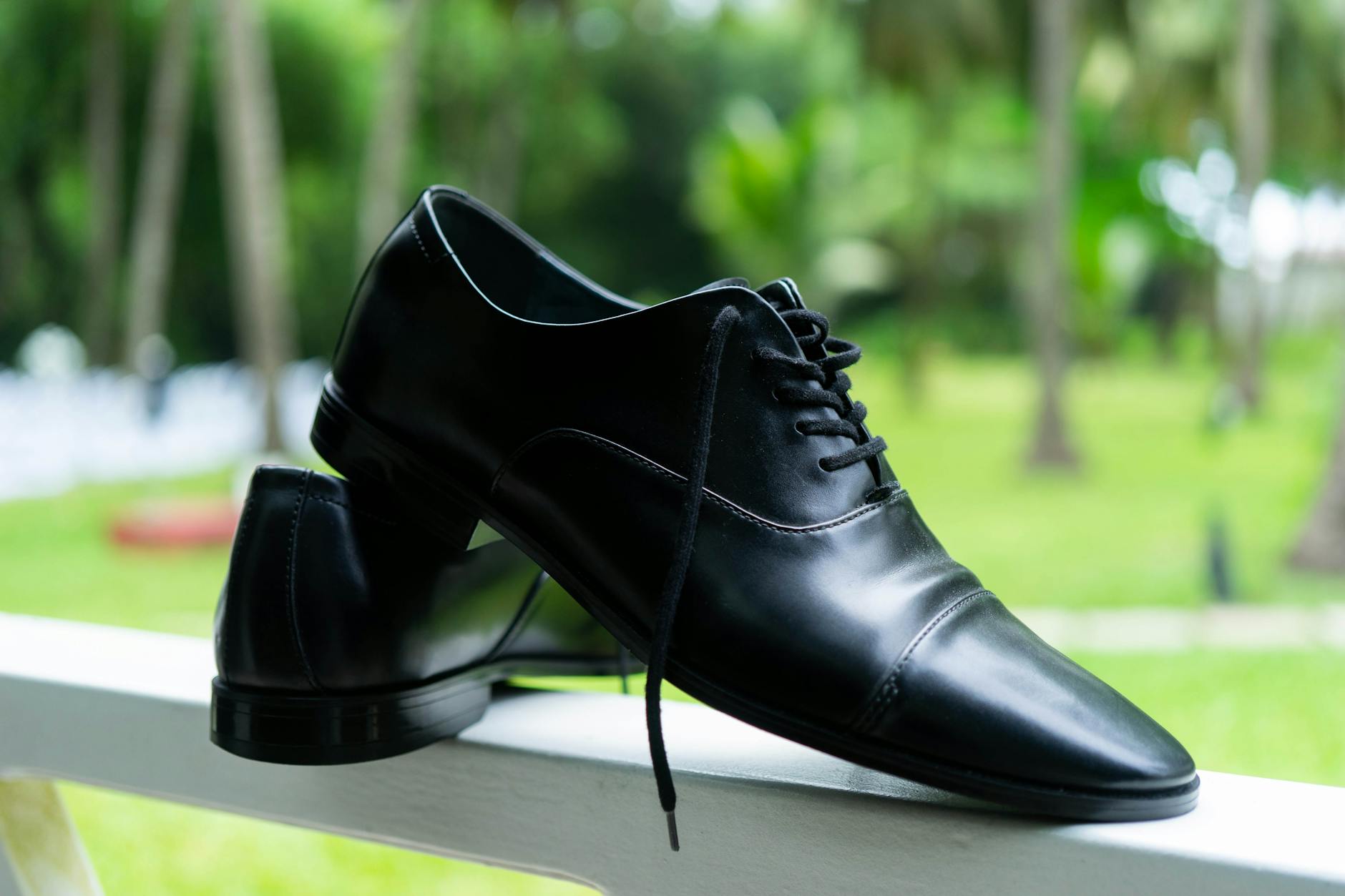
Today’s professional clogs bear little resemblance to the chunky wooden shoes many people envision. Luxury designers have embraced the category, creating sophisticated versions that seamlessly integrate with business attire. Brands like Cole Haan and Naturalizer offer leather clogs with sleek silhouettes that pair as naturally with tailored suits as traditional pumps.
The aesthetic evolution reflects broader changes in professional fashion, where comfort and performance features are increasingly valued alongside appearance. This mirrors trends seen in other footwear categories, similar to how hiking boot hybrids are dominating executive business wear by combining outdoor technology with office-appropriate styling.
Color options have expanded far beyond basic black and brown to include sophisticated neutrals like charcoal, burgundy, and navy. Some feature subtle details like perforated leather panels or contrast stitching that add visual interest without compromising professionalism. Others incorporate premium materials like Italian leather or suede that elevate the overall appearance.
The rise of clog-wearing executives has also influenced accessories and styling choices. Fashion consultants report increased demand for advice on integrating these shoes into existing professional wardrobes. The key lies in maintaining proportional balance – pairing the substantial footwear with streamlined clothing silhouettes and minimal accessories.
Manufacturing innovations continue to push the category forward. Some brands now offer interchangeable heel components, allowing wearers to adjust height for different occasions. Others feature advanced materials that provide the appearance of traditional leather while offering superior moisture management and durability.
Industry Adoption and Future Outlook
The clog trend isn’t limited to banking – it’s spreading across professional services as organizations recognize the connection between employee comfort and performance. Law firms, consulting companies, and accounting practices are all reporting similar shifts in their workplace cultures, with ballet flats making comebacks in corporate law firms as part of the broader movement toward practical professional footwear.
Data from workplace surveys suggests this trend has staying power. A recent study by the Society for Human Resource Management found that 78% of employees consider footwear comfort a factor in job satisfaction, while 65% of employers believe dress code flexibility helps with talent retention. These numbers are particularly significant in competitive industries like banking, where recruiting and retaining top performers remains a constant challenge.
The financial benefits extend beyond employee satisfaction. Companies report reduced workers’ compensation claims related to foot and back injuries, while productivity metrics show improvements during long work sessions. Some organizations have even begun offering footwear stipends as part of their wellness benefits packages, recognizing that proper shoes are an investment in employee health and performance.
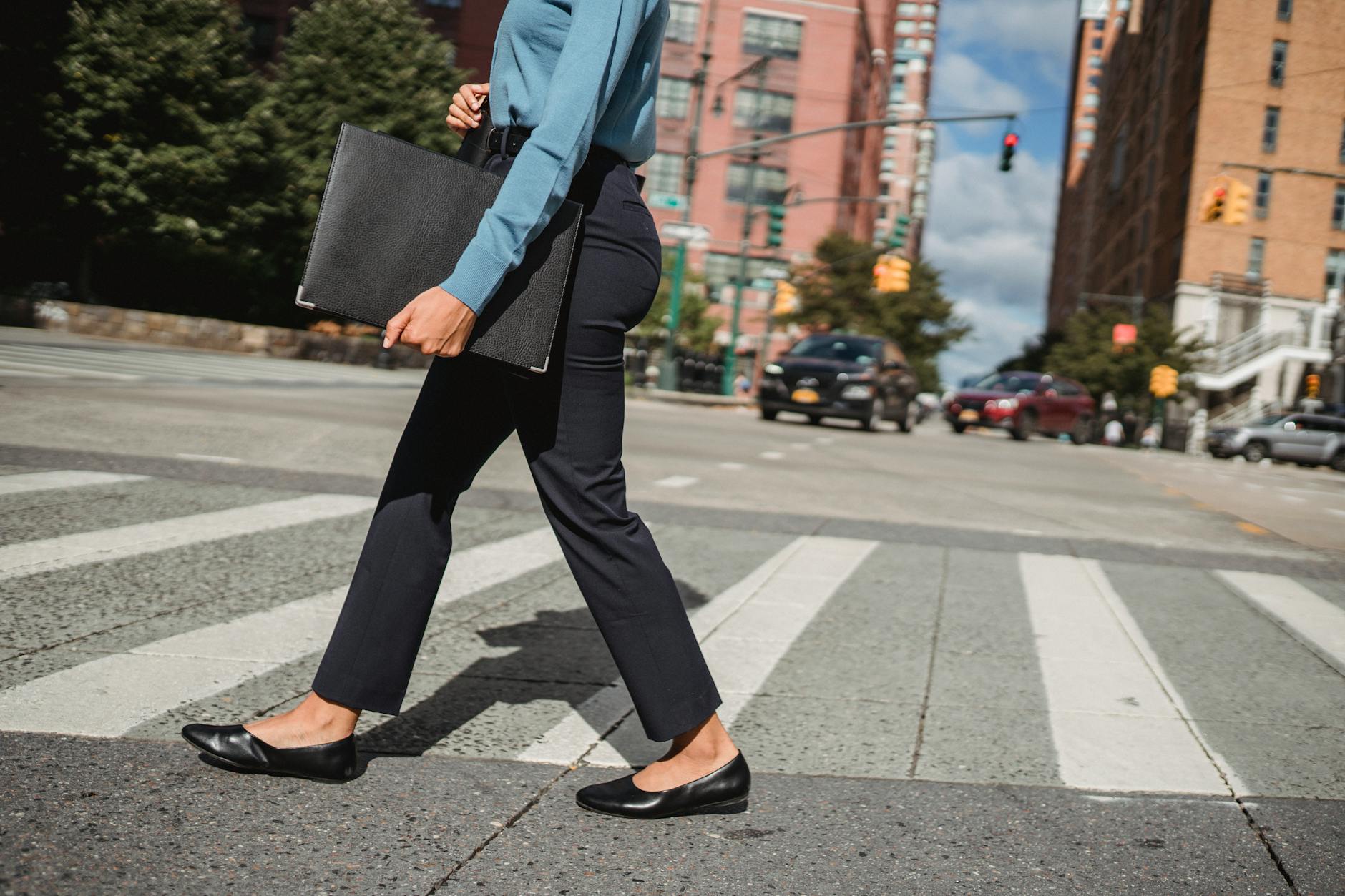
Looking ahead, industry analysts predict continued evolution in professional footwear standards across all sectors. As younger generations enter leadership roles, traditional dress codes will likely face further scrutiny and adaptation. The success of clogs in banking environments demonstrates that professional appearance and practical functionality aren’t mutually exclusive – a lesson that will likely influence workplace culture decisions for years to come.
The clog revolution in corporate banking represents more than just a footwear trend; it signals a fundamental shift toward prioritizing employee wellbeing and practical performance over rigid tradition. As this approach proves its value through improved productivity and satisfaction metrics, expect to see similar pragmatic innovations reshape other aspects of professional culture. The future of workplace fashion lies not in choosing between style and comfort, but in demanding both.
Frequently Asked Questions
Are clogs considered appropriate for banking dress codes?
Yes, many major banks have updated policies to allow professional clogs that maintain a polished appearance while providing ergonomic benefits.
What makes modern professional clogs different from traditional ones?
Today’s professional clogs feature luxury materials, sophisticated designs, arch support, and slip-resistant soles designed specifically for corporate environments.