




Beauty giants are quietly reshaping their consulting teams, recruiting registered dietitians and nutritionists to work alongside dermatologists and cosmetic chemists. This shift marks a fundamental change in how brands approach skincare, moving beyond topical treatments to address skin health from within.
The integration of nutrition expertise into beauty consulting represents more than a trend – it’s a response to growing consumer demand for holistic wellness approaches. Major brands including The Ordinary’s parent company DECIEM, Sephora, and Ulta Beauty have expanded their advisory boards to include certified nutrition professionals who help develop products and educate consumers about the skin-diet connection.
This evolution reflects mounting scientific evidence linking nutrition to skin health. Research consistently shows that nutrients like omega-3 fatty acids, antioxidants, and collagen-supporting vitamins directly impact skin appearance, texture, and aging. Beauty brands are capitalizing on this knowledge by hiring professionals who can bridge the gap between what consumers eat and how their skin looks.
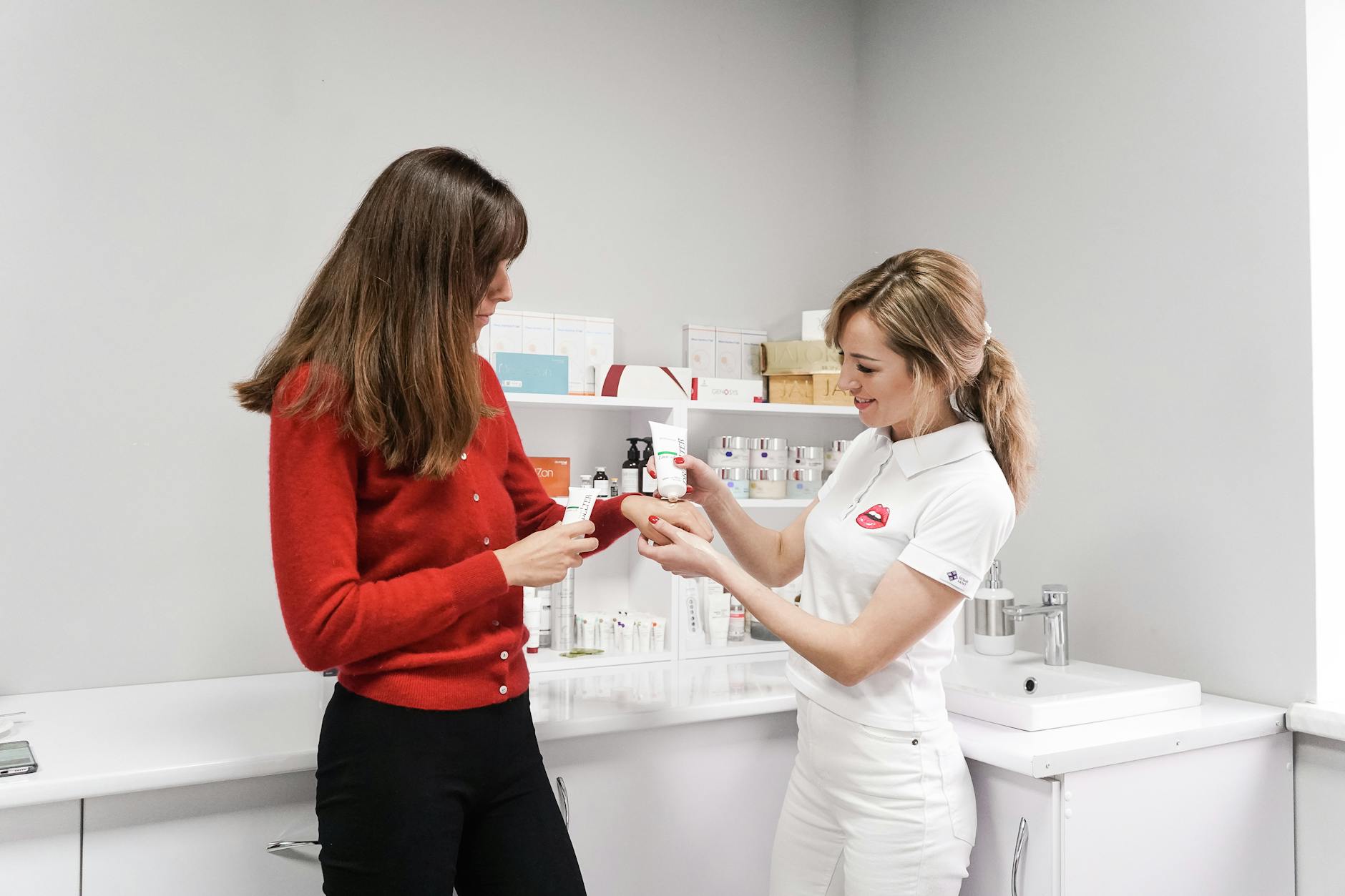
The Science Behind Skin-Nutrition Partnerships
The appointment of nutritionists to beauty brand consulting teams stems from compelling research about nutrient deficiencies and skin conditions. Studies reveal that deficiencies in zinc, vitamin D, and essential fatty acids can manifest as acne, dullness, and premature aging. This scientific backing has prompted beauty companies to invest in professionals who understand these connections.
Registered dietitian Jessica Cording, who consults for several beauty brands, explains that many skin issues have nutritional components that topical products alone cannot address. Her work involves reviewing ingredient lists for ingestible beauty products and providing educational content about foods that support skin health.
The collaboration extends to product development, where nutritionists help formulate supplements and functional foods designed to complement topical skincare routines. Brands like Vital Proteins and HUM Nutrition have built their entire business models around this inside-out approach, employing teams of registered dietitians to guide product creation and customer education.
Beauty retailers have also embraced this trend. Sephora’s wellness category expansion includes consultations with nutrition-trained beauty advisors who can recommend both topical products and dietary supplements based on individual skin concerns. This comprehensive approach addresses consumer desire for personalized, science-backed beauty solutions.
From Supplements to Strategic Consulting
The role of nutritionists in beauty extends far beyond supplement formulation. These professionals are reshaping brand messaging, educational content, and customer service approaches. They provide scientific credibility to claims about beauty-from-within concepts while helping brands navigate regulatory requirements for ingestible beauty products.
Many beauty brands now employ nutritionists to create content for social media and websites, explaining how specific nutrients support skin health. This educational approach helps consumers make informed decisions about both products and dietary choices that impact their skin.
The influence of these nutrition consultants is evident in product launches featuring ingredients like adaptogens, probiotics, and marine collagen. Brands rely on their expertise to identify trending nutrients, assess scientific evidence, and translate complex research into consumer-friendly benefits.
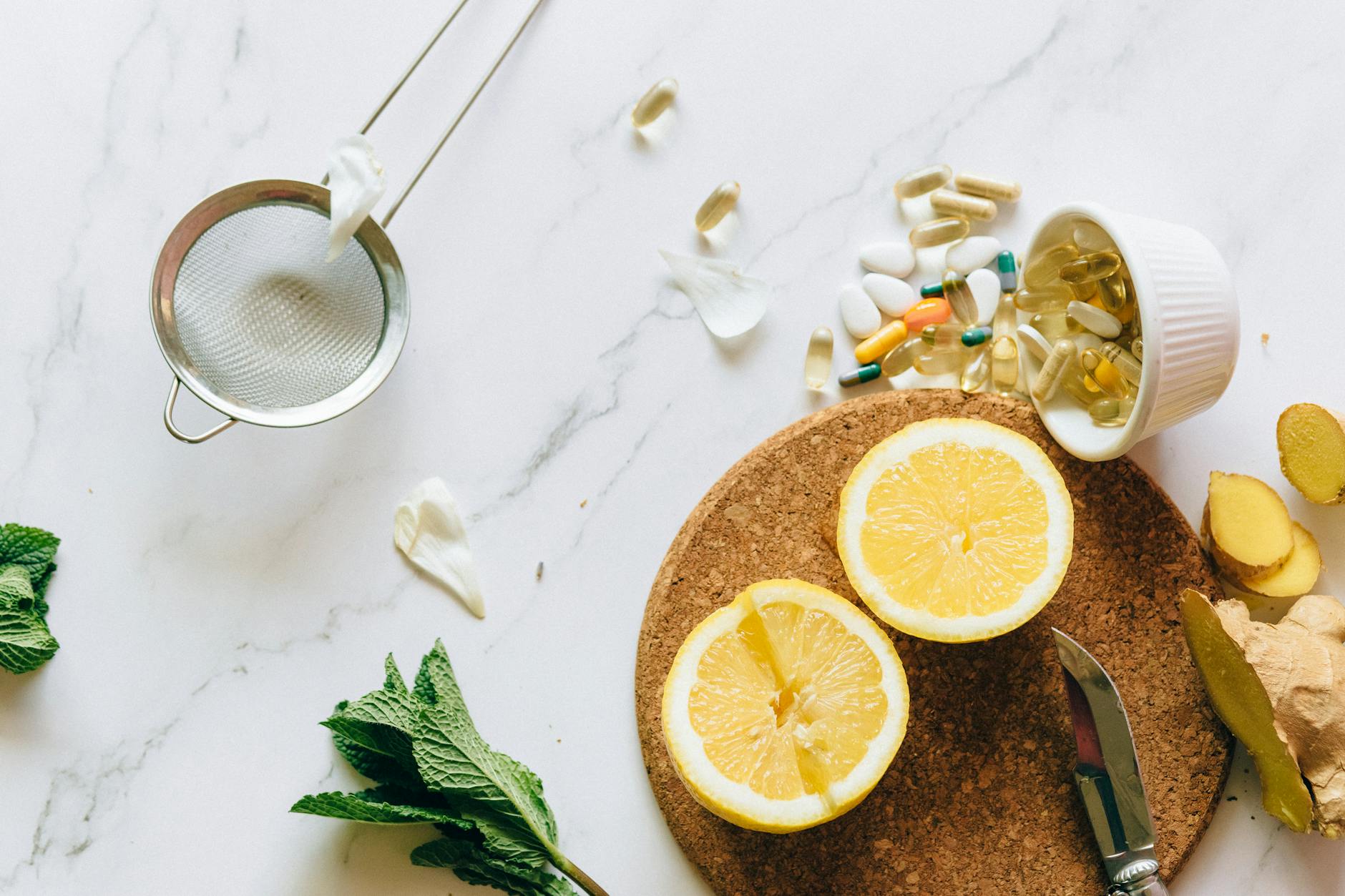
Some companies have taken this integration further by offering virtual consultations that combine skincare analysis with nutritional assessment. These sessions, led by teams that include both aestheticians and registered dietitians, provide customers with comprehensive recommendations covering topical products, dietary modifications, and lifestyle changes.
The approach has proven particularly effective for addressing complex skin issues like hormonal acne, rosacea, and premature aging, where internal factors play significant roles. Traditional skincare consultations often overlook these connections, making the inclusion of nutrition expertise valuable for both brands and consumers.
Industry Response and Consumer Demand
Consumer interest in wellness-focused beauty has driven this hiring trend across the industry. Social media platforms overflow with content about skin-healthy foods, gut health, and beauty supplements, creating demand for expert guidance from qualified professionals rather than influencers without credentials.
Beauty brands recognize that consumers increasingly question ingredient safety and efficacy, particularly for products they ingest. Having registered dietitians and nutritionists on consulting teams provides the credibility needed to address these concerns and differentiate products in a crowded market.
The trend aligns with broader shifts toward personalized beauty solutions. Just as brands have embraced custom foundation matching and targeted skincare formulations, they’re now offering nutrition-based personalization. This might involve recommending specific vitamins based on dietary restrictions or suggesting foods that complement particular skincare routines.
Retail partnerships have emerged as another avenue for this collaboration. Beauty brands work with nutritionists to create educational programs for retailers like Ulta Beauty and department stores, training sales associates to discuss both topical and nutritional aspects of skin health.
The success of this approach is evident in sales data. Beauty supplements and functional foods represent one of the fastest-growing segments in the beauty industry, with consumers willing to pay premium prices for products backed by nutrition science and expert recommendations.
Challenges and Future Implications
Despite the benefits, integrating nutritionists into beauty consulting presents challenges. Regulatory complexity around beauty supplements requires careful navigation, and brands must ensure their nutrition consultants understand FDA guidelines for health claims and marketing language.
The field also faces skepticism from traditional dermatologists who emphasize that topical treatments remain the most effective approach for most skin concerns. Beauty brands must balance this perspective with nutrition expertise, presenting evidence-based information while avoiding overselling internal approaches.
Professional qualifications present another consideration. The beauty industry’s embrace of nutrition has attracted both qualified professionals and less credentialed individuals claiming expertise. Reputable brands increasingly specify requirements for registered dietitian credentials and relevant experience when hiring nutrition consultants.
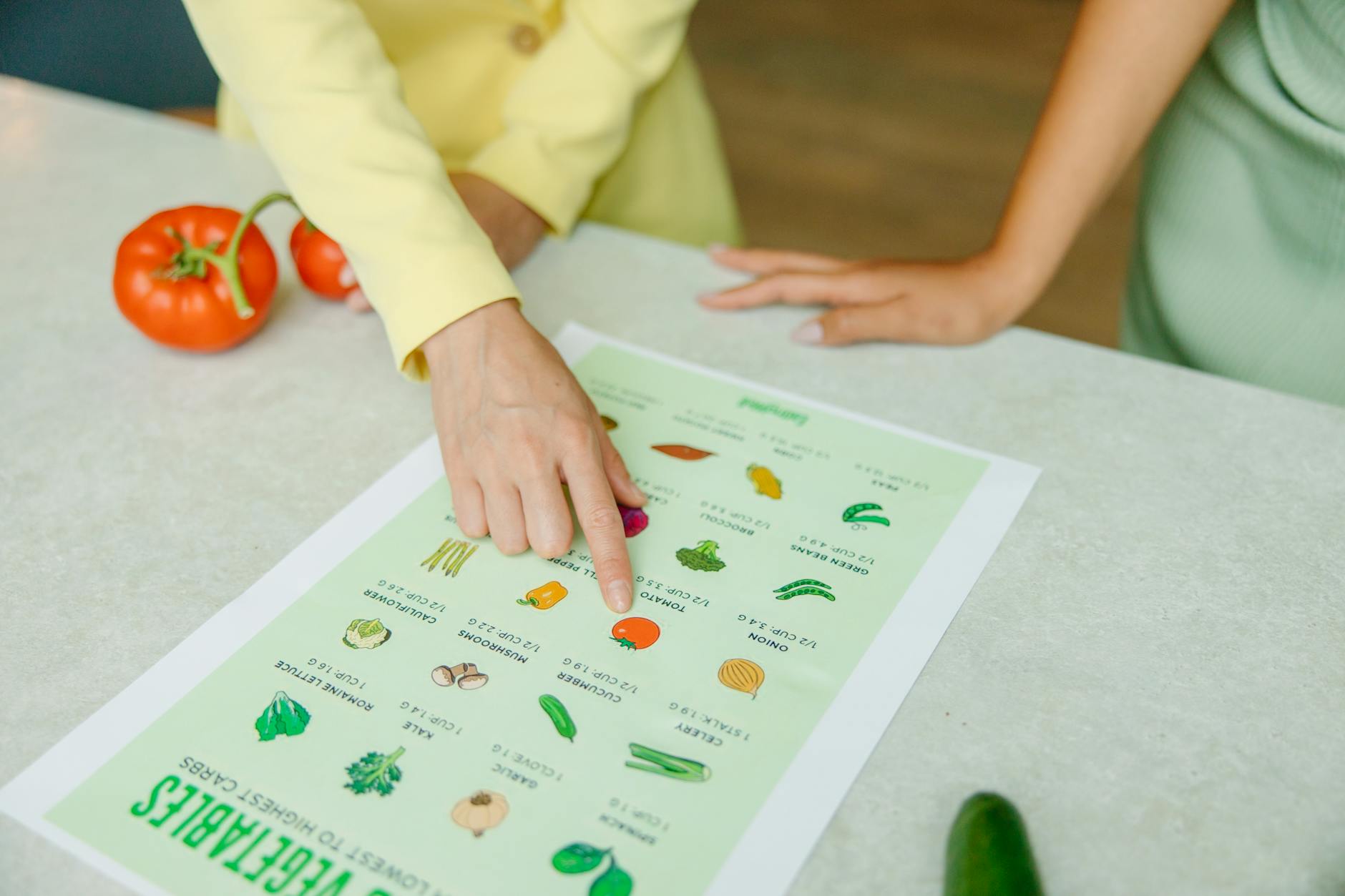
Looking ahead, this trend appears poised for continued growth as consumer interest in holistic wellness intensifies. Beauty brands are exploring additional collaborations with healthcare professionals, including functional medicine practitioners and hormone specialists, to provide even more comprehensive approaches to skin health.
The integration of artificial intelligence and personalized testing may further enhance these partnerships. Future beauty consultations might combine genetic testing, microbiome analysis, and nutritional assessment to create highly customized recommendations that address skin health from multiple angles.
As consumers become more sophisticated about ingredient science and nutrition, the demand for qualified expertise will likely increase. Beauty brands that invest in credentialed professionals and evidence-based approaches to beauty nutrition will be best positioned to capture this growing market segment.
The appointment of nutritionists as skincare consultants represents a fundamental shift toward more comprehensive beauty solutions. As this trend continues evolving, it may redefine how consumers approach skincare, moving beyond quick fixes toward sustainable, health-focused beauty routines that address skin from within.
Frequently Asked Questions
Why are beauty brands hiring nutritionists?
Brands are responding to consumer demand for holistic approaches and scientific evidence linking nutrition to skin health.
What do nutrition consultants do for beauty brands?
They help develop products, create educational content, and provide expertise on how nutrients affect skin appearance and health.